 EN
Practical Methods to Improve Chemical Packaging Bag Safety Compliance
Ensure regulatory compliance & worker safety with proven methods for chemical woven bags—material selection, labeling, storage & training.

2026/08/04

Evaluating production efficiency at a PP woven bag factory requires a systematic approach that balances output capacity, quality consistency, and operational cost management. Whether you are sourcing packaging solutions for food, chemicals, construction materials, or agricultural products, understanding how to measure factory performance directly impacts your supply chain reliability and long-term profitability. A well-functioning woven bag production line delivers consistent results, meets delivery timelines, and maintains quality standards that protect your brand reputation.
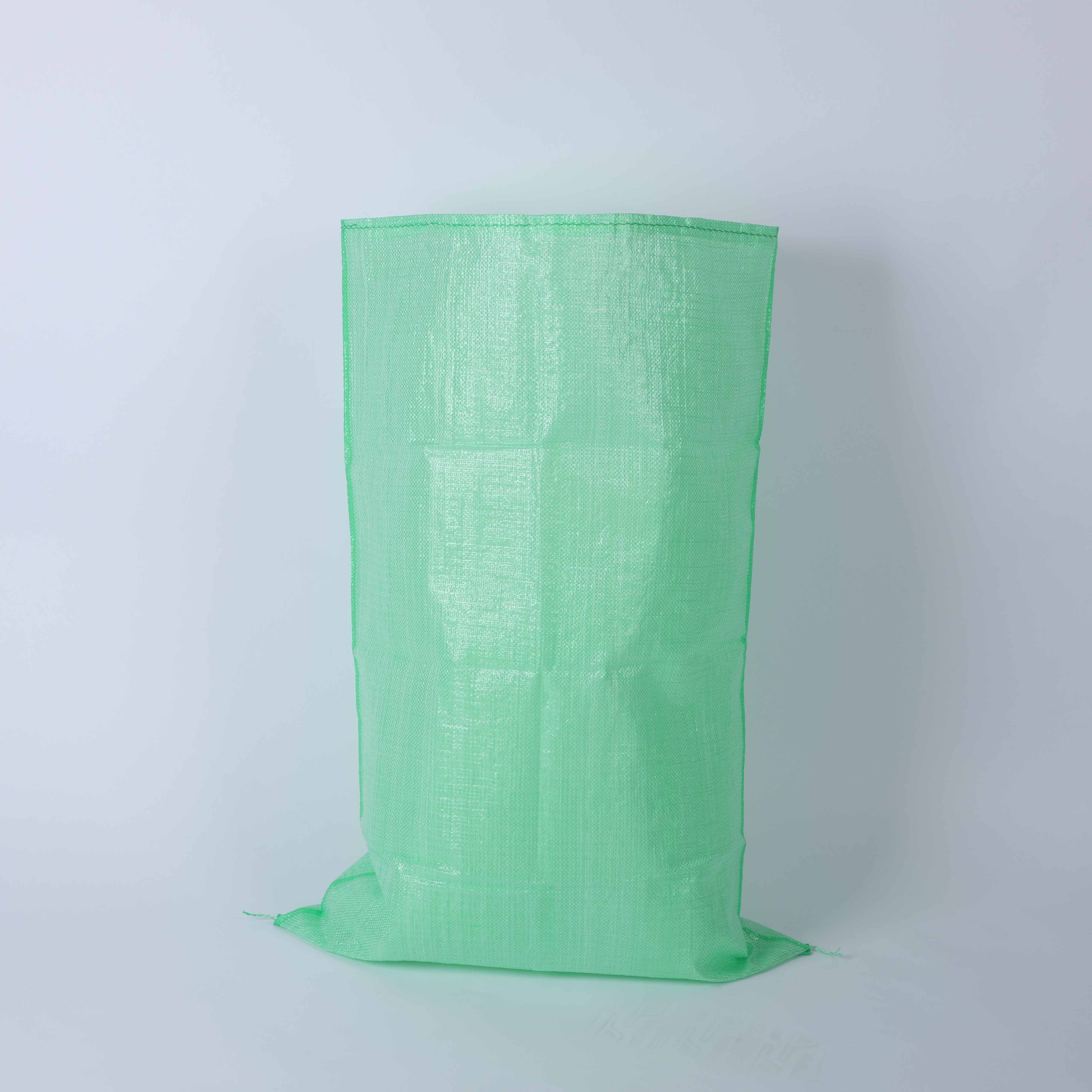
The assessment process goes beyond simply observing machines in operation. Effective evaluation examines equipment condition, staff expertise, material handling practices, quality control procedures, and production scheduling. By conducting a thorough on-site review or requesting detailed performance documentation, you can identify whether a custom woven bag factory has the infrastructure and discipline to fulfill your specific requirements consistently and at competitive pricing.
The primary indicator of factory efficiency is throughput, which measures how many bags a woven bag production line produces within a defined time period. Most modern pp bag manufacturing facilities track output in bags per hour, bags per shift, or total monthly production volume. To assess this metric accurately, request production reports that show average output over several months rather than peak single-day figures. Seasonal variations, equipment maintenance windows, and material supply interruptions naturally affect throughput, so consistent mid-range performance often signals more reliable capacity than inflated maximum claims.
Equipment downtime directly impacts throughput efficiency. A high-performing PP woven bag factory maintains machinery to minimize unplanned stoppages. Ask suppliers about their preventive maintenance schedule, spare parts inventory, and average repair turnaround times. Facilities with redundant production lines or backup equipment typically recover faster from unexpected breakdowns, reducing the risk of missed delivery deadlines that could disrupt your supply chain.
Production volume alone does not indicate factory quality. A bulk bag manufacturing operation must balance speed with accuracy to produce bags that meet your specifications consistently. Request data on defect rates, rejections, and rework percentages. Defect rates typically fall between 1 and 5 percent in well-managed facilities; anything significantly higher suggests quality control gaps. Common defects include uneven weaving patterns, misaligned seams, incorrect printing, weight inconsistencies, and compromised handle strength.
Quality assurance systems distinguish excellent operations from mediocre ones. Inquire whether the custom woven bag factory employs in-process testing, final inspection checkpoints, and statistical process control methods. Third-party certifications or ISO 9001 accreditation indicate formal quality management, though always verify that certifications are current and auditable rather than merely decorative claims.
The woven bag production line equipment defines what the factory can deliver. Modern machinery produces higher quality bags with fewer defects compared to aging equipment, yet older machines can still perform acceptably if properly maintained. During facility visits or video tours, observe whether machines appear clean, well-organized, and operationally current. Rust, oil stains, worn components, and disorganized cable management suggest poor maintenance practices that eventually lead to unexpected failures.
Verify that the pp bag manufacturing equipment can handle your specific requirements: bag dimensions, material weight, color customization, printing complexity, and handle attachment methods. Some production lines specialize in standard sizes and simple designs, while others accommodate high-customization needs. A factory claiming universal capability without visible evidence of flexibility warrants skepticism. Request samples of previous bulk bag manufacturing runs that match your specifications closely, as these directly demonstrate the factory's competence with your exact use case.
Polypropylene quality varies by supplier and batch, and proper storage conditions preserve material properties. Evaluate how the PP woven bag factory stores polypropylene resin, yarns, and finished bags. Material should be stored in climate-controlled environments, protected from direct sunlight, and organized to maintain freshness. Poor storage practices introduce moisture, degradation, or contamination that compromises bag strength and durability without any obvious visual defect until failure occurs in the field.
Ask about material sourcing consistency and supplier relationships. Factories that work with stable, vetted suppliers experience fewer quality surprises than those switching suppliers frequently based purely on lowest price. Review material specifications and certificates of analysis to confirm that incoming materials meet standards before production begins.
Efficient custom woven bag factories maintain realistic production schedules that account for setup time, material transitions, and quality verification. Request a sample production schedule or timeline to understand lead times and batch flexibility. Factories offering unrealistically short lead times or guaranteeing constant availability may lack discipline in scheduling and could miss commitments when unexpected issues arise. Reliable operations build in reasonable buffers and communicate transparently about realistic timelines.
Inquire about minimum order quantities and batch size flexibility. Some bulk bag manufacturing operations require large MOQs that work well for high-volume regular purchases but may not suit seasonal demand patterns. Understanding the factory's flexibility helps you align their capabilities with your purchasing strategy and inventory management.
Skilled, trained operators directly contribute to consistent output and quality. A professionally managed PP woven bag factory invests in staff training, provides clear standard operating procedures, and maintains documented records of operator certifications. Observe whether production floor staff appear knowledgeable, alert, and engaged, or whether they seem undertrained and reactive. The difference in bag quality between expert operators and rushed, minimally trained workers accumulates quickly across thousands of units.
Ask about the factory's approach to problem-solving and innovation. Do they simply execute routine production runs, or do they propose improvements, troubleshoot quality issues proactively, and adapt to customer needs? A woven bag production line managed by engaged, capable teams typically demonstrates superior overall performance compared to facilities with high staff turnover or minimal training investment.
Focus on four key areas: production throughput (output volume per time period), defect rates and quality consistency, equipment maintenance practices and capability, and on-time delivery track record. These metrics collectively indicate whether the bulk bag manufacturing operation can reliably meet your volume and quality needs at a competitive cost. Request documented evidence for each metric rather than relying on verbal claims alone.
Request samples from multiple recent production runs, inquire about their quality control procedures and testing methods, and ask for audit reports or third-party certifications if available. Visit the facility in person if possible, or request detailed video documentation of the woven bag production line in operation. Verify their ISO certifications are current, and speak directly with references who have purchased from them to confirm consistency over time.
Be cautious of facilities that avoid detailed questions about production capacity, claim unrealistically short lead times, show evidence of poor maintenance, lack formal quality procedures, or cannot provide verifiable references. Excessive downtime, frequent changes in material suppliers, high staff turnover, or inability to provide samples matching your specifications are also concerning signs that efficiency may not meet your expectations.

Ensure regulatory compliance & worker safety with proven methods for chemical woven bags—material selection, labeling, storage & training.

Discover the full PP woven bag manufacturing workflow—from extrusion & weaving to printing & QC. Boost efficiency, compliance & ROI. Download the process guide now.

Struggling with weak bags or high material waste? Master extrusion and tape drawing tech for stronger, cheaper PP woven bags. Optimize your production line now.

Struggling with defects or customer returns? Discover the 5 non-negotiable quality checkpoints across your woven bag production line
Which automation tier is right for your PP woven bag factory? Compare manual to Industry 4.0 systems for cost, quality, and scalability.
Get in touch for details on polypropylene woven bags and flexible packaging solutions.
Tel
Address
No.2015, Liaoyuan Building, Lanshan District, Linyi City, Shandong Province.China

