 EN
How to Assess Production Efficiency at a PP Woven Bag Factory
Discover the 4 critical production metrics—throughput, defect rate, equipment uptime & on-time delivery—to vet factories confidently.

2026/08/04

Understanding the complete workflow at a PP woven bag factory reveals the sophisticated engineering and precision required to produce high-quality polypropylene packaging solutions. The woven bag production line represents a carefully orchestrated sequence of stages, each critical to the final product's durability, appearance, and performance. A professional PP woven bag factory integrates multiple technologies and quality checkpoints to ensure consistent output that meets international standards and customer specifications.
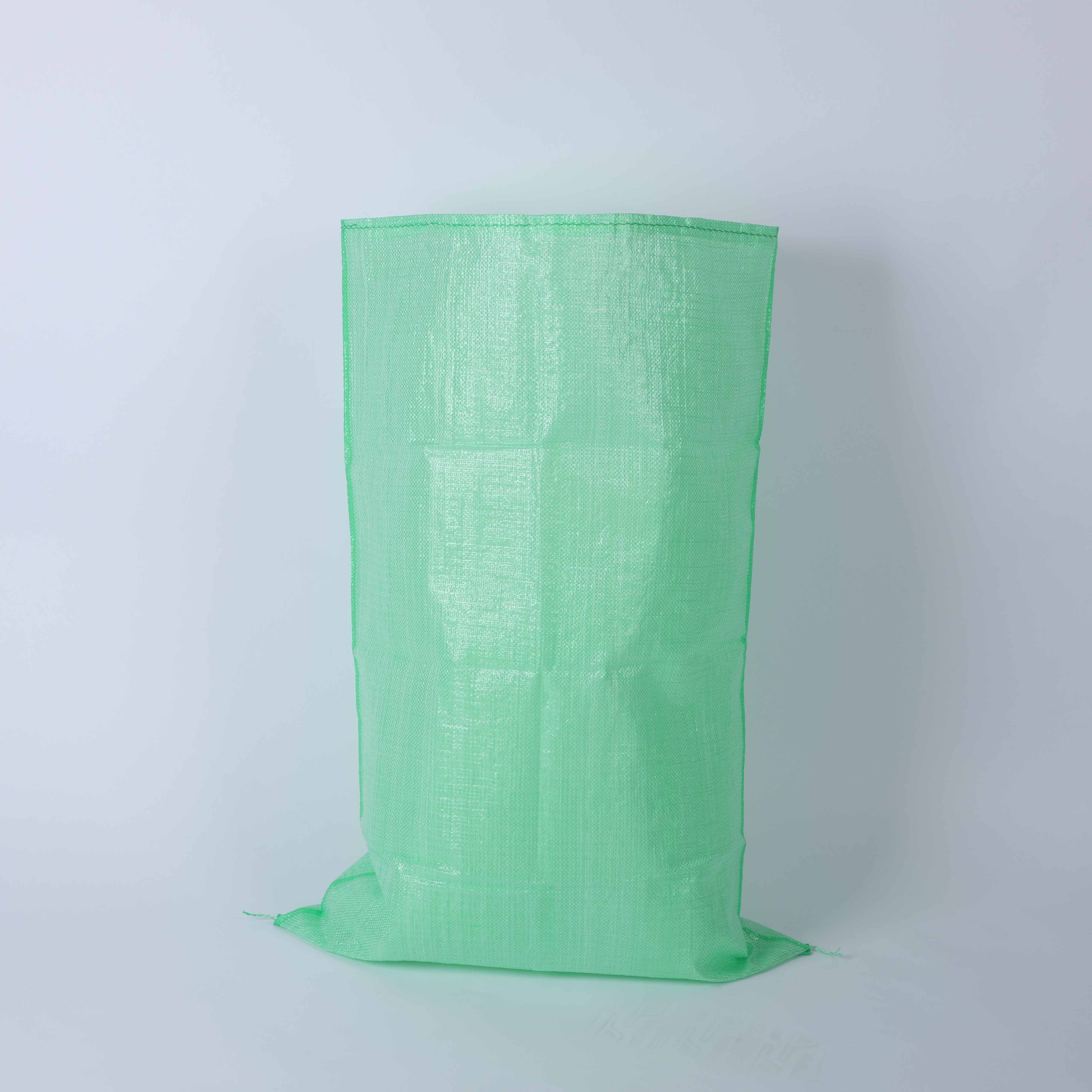
From material selection through final packaging, the pp bag manufacturing process involves raw material preparation, extrusion, weaving, printing, cutting, and sewing. This end-to-end production journey at a custom woven bag factory demonstrates why operational efficiency and quality control are essential competitive advantages. Modern facilities that specialize in bulk bag manufacturing invest heavily in automation, environmental compliance, and worker safety to maintain their market position.
The foundation of any woven bag production line begins with premium polypropylene resin selection. Raw polypropylene pellets arrive at the PP woven bag factory and undergo quality testing to verify melt flow index, color consistency, and purity levels. Factory technicians assess moisture content and contamination risk before material enters the extrusion stage. Proper material conditioning ensures that downstream equipment operates without mechanical stress or product degradation.
Extrusion converts solid polypropylene pellets into continuous monofilament yarn or film strips. Industrial extruders heat the resin to precise temperatures, typically between 200 and 250 degrees Celsius, forcing molten polypropylene through dies that create uniform filaments. Temperature control is critical; too high causes polymer degradation, while too low reduces flow and consistency. The extruded yarn cools rapidly in water baths or air channels, solidifying into the intermediate material ready for weaving.
After extrusion, technicians measure yarn tensile strength, denier (thickness), and uniformity. The woven bag production line requires consistent yarn properties to prevent breakage during high-speed weaving. Yarn winds onto spools or bobbins in controlled tension to avoid tangling or irregular layering. Modern bulk bag manufacturing facilities use automated winding systems that monitor tension electronically, maintaining precise specifications across every bobbin.
The pp bag manufacturing stage enters the weaving phase where polypropylene yarn interlocks in a grid pattern to form the base fabric. Industrial looms operate at high speeds, typically 200 to 400 picks per minute, moving shuttles or jets that pass the weft yarn across warp threads. Each custom woven bag factory configures loom settings to produce different weave patterns—plain weave, twill, or specialized patterns—depending on strength and appearance requirements. Operators monitor tension, yarn breakage, and fabric alignment throughout the process.
Fabric emerges from the loom in continuous rolls, measured by width and linear meters. Quality inspectors examine the fabric surface for knots, thin spots, missing stitches, or foreign contamination. Any defect compromises the woven bag's integrity, so defective fabric sections are cut out and removed. The approved fabric then advances to the lamination or coating stage if additional barriers or UV protection are required.
Many bulk bag manufacturing operations apply a thin protective layer to the woven fabric through lamination or extrusion coating. This layer seals the fabric structure, reducing moisture penetration and enhancing barrier properties. The process involves heating a plastic resin film and pressing it against the woven substrate using heated rollers. Laminated fabric passes through cooling zones where the layers bond permanently, creating a moisture-resistant composite material ideal for agricultural or chemical products.
Once the base fabric is ready, the woven bag production line proceeds to printing stage where branding, product information, and safety labels appear on the material. A PP woven bag factory uses rotogravure, flexography, or screen printing depending on image complexity and production volume. Ink formulations must cure properly and resist fading, moisture, and handling stress. Multi-color designs require registration accuracy to align colors precisely. Inspectors verify print clarity, color matching, and ink adhesion before the printed fabric moves forward.
Automated printing systems achieve consistent quality across continuous fabric rolls, with inline cameras detecting print defects and triggering alerts for operator intervention. The pp bag manufacturing process balances speed with accuracy, as misprints require manual correction or material scrapping. Environmental considerations drive factories toward water-based inks and solvent recovery systems that minimize waste.
Cutting machines receive printed fabric rolls and cut them into panels sized for custom woven bag specifications. These panels then travel to automatic or semi-automatic sewing stations where operators or robots stitch panels together using reinforced polypropylene thread. A bulk bag manufacturing facility produces various sew patterns—flat bottom, gusseted sides, or bottom seams—depending on bag type and customer requirements. Thread tension and stitch density determine seam strength and durability.
Final assembly includes attaching handles, reinforced loops, or filling and discharge spouts if required. Quality control staff inspect finished bags for thread continuity, seam alignment, and structural integrity. Bags then move to packaging areas where they are folded, stacked, and prepared for shipment to distribution centers or direct customers.
Professional PP woven bag factories comply with international standards including ISO 9001 for quality management, ASTM D standards for polypropylene performance, and various food-safety or chemical-containment certifications depending on product use. Many facilities pursue ISO 14001 environmental certification. Custom woven bag factory operators conduct tensile strength tests, tear resistance measurements, and puncture resistance evaluations to verify product performance before shipment. Third-party audits and customer testing programs validate ongoing compliance.
Modern bulk bag manufacturing leverages robotics, vision systems, and programmable controllers to reduce labor, improve consistency, and increase throughput. Automated sewing machines achieve uniform stitch quality faster than manual work. Inline defect detection systems identify contamination or structural flaws in real time, reducing customer complaints. However, the pp bag manufacturing process still requires skilled technicians for equipment maintenance, troubleshooting, and quality oversight. Automation increases capital investment but delivers substantial returns through reduced waste and higher production capacity.
A custom woven bag factory manages plastic waste, energy consumption, and worker safety rigorously. Scrap from cutting and rejected bags undergo shredding and recycling back into the resin supply when possible. Modern woven bag production line equipment incorporates energy-efficient motors and heat recovery systems. Factories implement water treatment for lamination and cooling processes, and many adopt solvent recovery technologies for printing operations. Regulatory compliance and consumer demand for sustainable packaging drive continuous innovation in environmental management.

Discover the 4 critical production metrics—throughput, defect rate, equipment uptime & on-time delivery—to vet factories confidently.

Ensure regulatory compliance & worker safety with proven methods for chemical woven bags—material selection, labeling, storage & training.

Struggling with weak bags or high material waste? Master extrusion and tape drawing tech for stronger, cheaper PP woven bags. Optimize your production line now.

Struggling with defects or customer returns? Discover the 5 non-negotiable quality checkpoints across your woven bag production line
Which automation tier is right for your PP woven bag factory? Compare manual to Industry 4.0 systems for cost, quality, and scalability.
Get in touch for details on polypropylene woven bags and flexible packaging solutions.
Tel
Address
No.2015, Liaoyuan Building, Lanshan District, Linyi City, Shandong Province.China

