 EN
How to Assess Production Efficiency at a PP Woven Bag Factory
Discover the 4 critical production metrics—throughput, defect rate, equipment uptime & on-time delivery—to vet factories confidently.

2026/08/04

Chemical packaging bags represent one of the most critical components in industrial material handling, directly impacting both regulatory compliance and operational safety. Improper packaging can lead to product degradation, environmental contamination, and serious legal consequences for manufacturers and distributors. Understanding how to improve chemical packaging bag safety compliance is essential for any organization handling hazardous materials, whether you operate a manufacturing facility, distribution center, or logistics network.
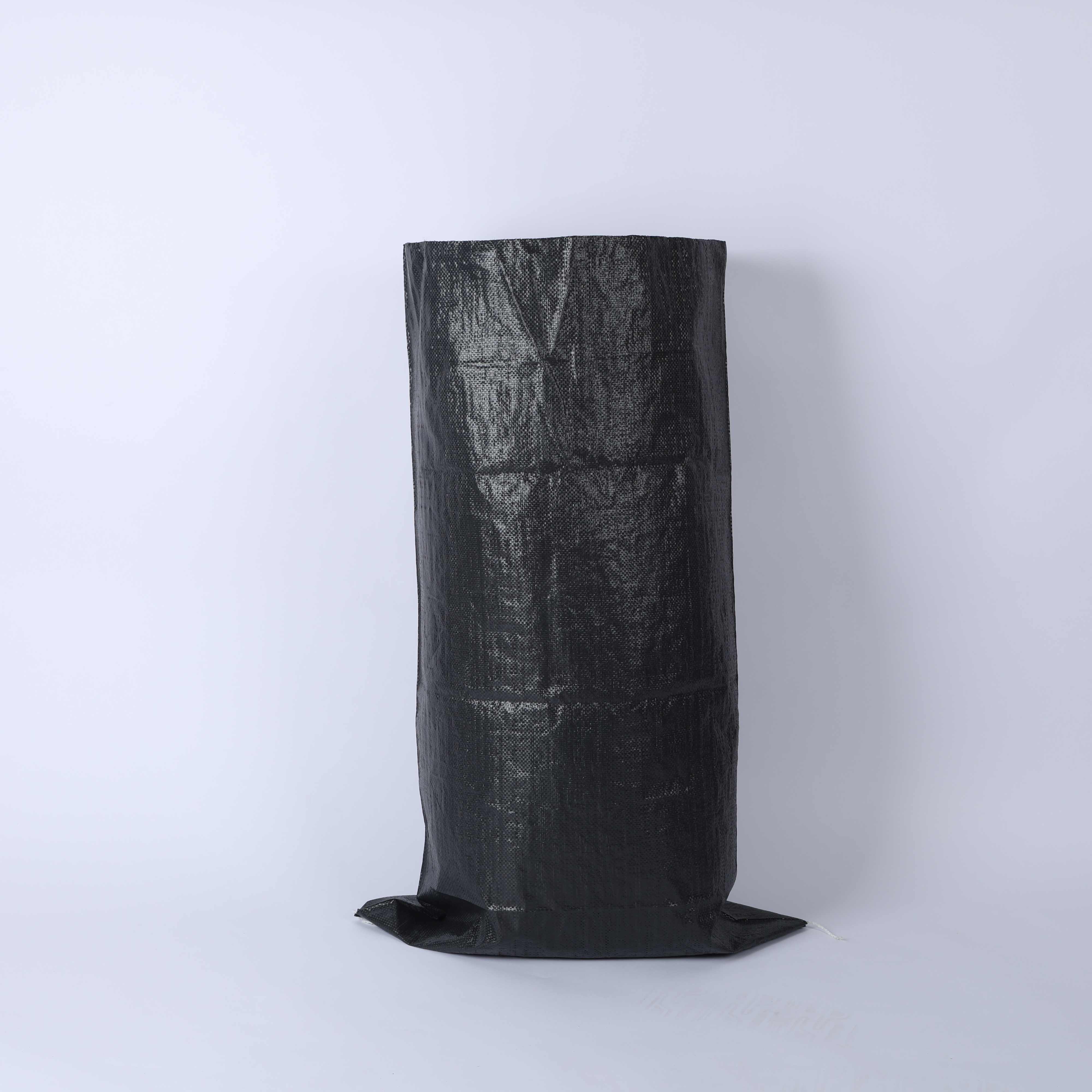
Safety compliance for chemical materials requires a systematic approach that addresses material selection, structural integrity, labeling standards, and storage protocols. Organizations must balance regulatory requirements with practical operational efficiency to create packaging solutions that protect workers, products, and the environment. The following methods outline actionable steps to strengthen your chemical packaging compliance framework and reduce risk across your supply chain.
The foundation of effective chemical packaging safety begins with material selection. A chemical woven bag constructed from high-quality polypropylene offers superior resistance to chemical degradation compared to lower-grade alternatives. When evaluating pp chemical sack options, prioritize suppliers who can demonstrate verified testing data confirming compatibility with your specific chemical formulations.
Different chemicals demand different material specifications. A pp chemical sack designed for acidic powders may not be suitable for alkali compounds, and moisture-sensitive materials require distinct barrier properties. Industrial chemical packaging standards typically mandate that packaging materials maintain structural integrity throughout the entire shelf life of the product, including exposure to ambient humidity, temperature fluctuations, and mechanical stress during transport. Verify that your chemical woven bag supplier provides detailed material safety data sheets and compatibility certifications aligned with your specific application requirements.
Tensile strength determines whether your powder packaging bag will withstand the pressures and stresses encountered during filling, stacking, and transport. Compliance-focused organizations should request third-party testing reports confirming minimum tensile values, tear resistance, and sealing performance. The seams and closure mechanisms of your industrial chemical packaging must achieve consistent, leak-proof seals under all storage and handling conditions. Weak seals compromise product safety and expose workers to harmful substance exposure.
Regulatory bodies worldwide mandate specific labeling requirements for chemical packaging bags to ensure worker safety and emergency response readiness. Labeling serves as the primary communication channel between manufacturers and end users regarding hazard classification, safe handling procedures, and emergency protocols. Non-compliance in this area exposes your organization to significant liability and operational disruptions.
Your chemical woven bag must clearly display hazard pictograms, signal words, and hazard statements that accurately reflect the contained substance's properties. These requirements vary by region—GHS standards apply in many jurisdictions, while some markets maintain alternative classification systems. Ensure your labeling design accommodates multiple language requirements if your products are exported. The visual hierarchy of your powder packaging bag labels should prioritize critical safety information to facilitate rapid recognition by warehouse staff, transport personnel, and end-user operators.
Implement batch coding and traceability systems on your pp chemical sack packaging to support recalls, quality investigations, and compliance audits. Each chemical packaging bag should include production date, batch number, shelf life, and storage condition guidance. Documentation protocols must enable your organization to retrieve detailed information about material composition, testing results, and regulatory compliance certification for any production batch. This systematic approach protects your business during regulatory inspections and product liability investigations.
Compliance extends beyond the packaging bag itself to encompass the entire lifecycle of your industrial chemical packaging system. Even the most robust chemical woven bag will fail if stored in inappropriate conditions, and improper handling practices during transport can compromise product integrity and worker safety. Organizations must establish clear protocols governing how powder packaging bag inventory is stored, moved, and transferred between facilities.
Chemical packaging bags require controlled storage conditions that minimize exposure to sunlight, excessive heat, moisture, and incompatible substances. Your facility should maintain documented environmental monitoring systems that track temperature and humidity levels within acceptable ranges specified for your products. Stack your pp chemical sack pallets according to weight load ratings and stability guidelines, ensuring that stacking height and structural arrangement prevent bag rupture or crushing. Segregate different chemical product types to prevent cross-contamination if accidental spills or leaks occur.
Your workforce directly impacts chemical packaging safety compliance through their daily handling practices. Establish comprehensive training programs that educate employees on proper bag inspection techniques, safe stacking methods, and emergency response procedures. Supervisory staff should conduct regular audits to verify that handling practices align with documented protocols. The most effective organizations integrate these practices into their safety culture, making chemical woven bag handling a shared responsibility rather than an isolated compliance requirement.
Request comprehensive documentation including material certifications, third-party testing reports, and compliance verification for relevant regulations in your target markets. Conduct facility audits to evaluate manufacturing controls, quality systems, and traceability protocols. Establish contractual requirements specifying that all pp chemical sack products must meet documented performance standards and be subject to periodic testing verification.
Industrial chemical packaging demands significantly higher performance standards for chemical resistance, structural integrity, sealing consistency, and regulatory compliance. Powder packaging bag specifications must include precise material compatibility testing, barrier property verification, and hazard communication compliance. Standard consumer packaging typically lacks these rigorous safety controls and regulatory documentation requirements.
Establish quarterly compliance audits as a minimum baseline, with additional reviews whenever you introduce new product lines, change suppliers, or implement new storage facilities. Regulatory changes may also trigger the need for immediate program updates. Continuous monitoring through environmental controls, handling observations, and incident tracking helps identify compliance gaps before they result in regulatory violations or safety incidents.

Discover the 4 critical production metrics—throughput, defect rate, equipment uptime & on-time delivery—to vet factories confidently.

Discover the full PP woven bag manufacturing workflow—from extrusion & weaving to printing & QC. Boost efficiency, compliance & ROI. Download the process guide now.

Struggling with weak bags or high material waste? Master extrusion and tape drawing tech for stronger, cheaper PP woven bags. Optimize your production line now.

Struggling with defects or customer returns? Discover the 5 non-negotiable quality checkpoints across your woven bag production line
Which automation tier is right for your PP woven bag factory? Compare manual to Industry 4.0 systems for cost, quality, and scalability.
Get in touch for details on polypropylene woven bags and flexible packaging solutions.
Tel
Address
No.2015, Liaoyuan Building, Lanshan District, Linyi City, Shandong Province.China

