 EN
How to Assess Production Efficiency at a PP Woven Bag Factory
Discover the 4 critical production metrics—throughput, defect rate, equipment uptime & on-time delivery—to vet factories confidently.

2026/08/04
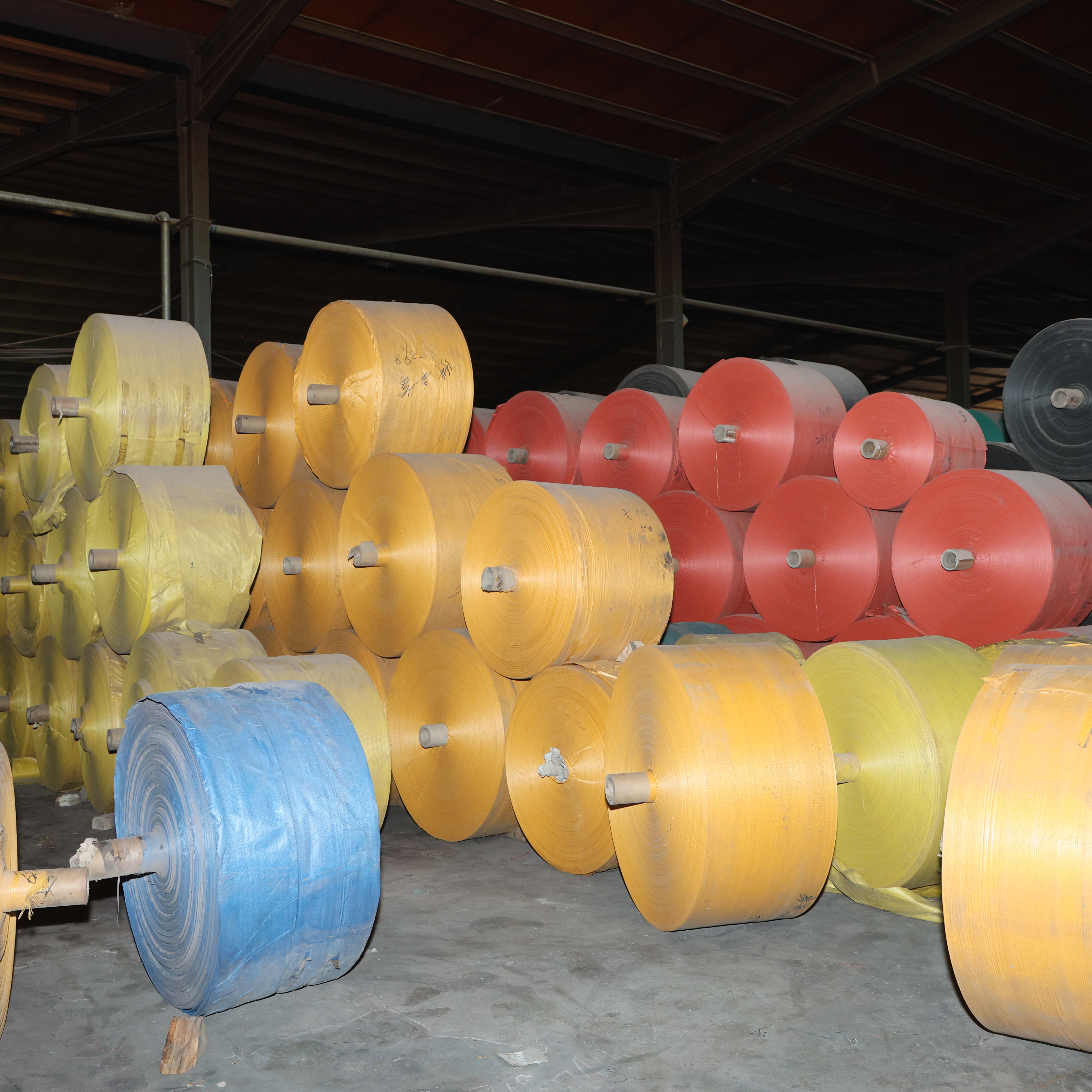
The choice between automated and manual production methods represents one of the most critical decisions for any PP woven bag factory. This decision directly impacts operational efficiency, production capacity, product quality, labor costs, and long-term profitability. Understanding the distinct advantages and limitations of each approach enables factory managers and procurement teams to make informed choices aligned with their business goals, market demands, and financial constraints.
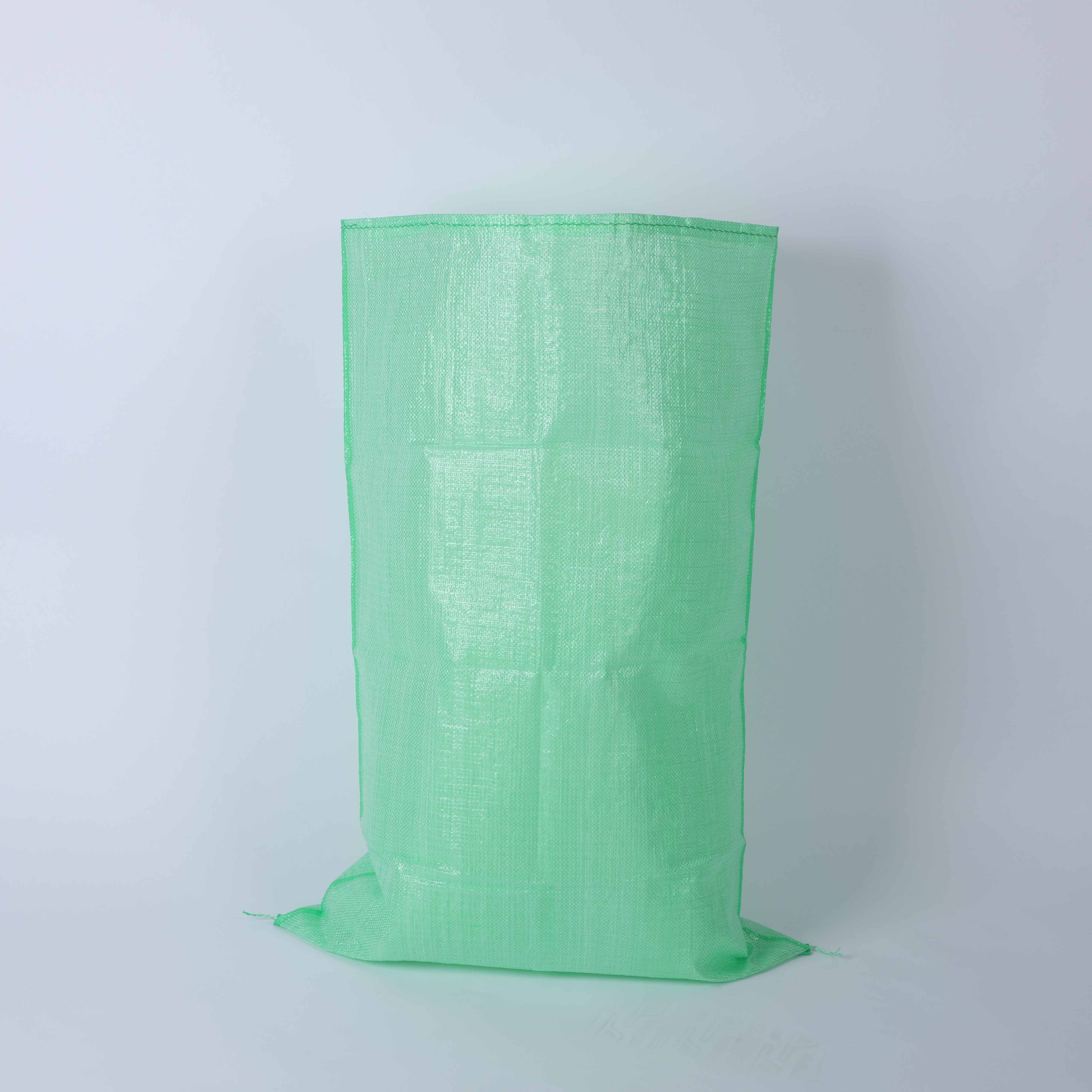
For factories engaged in bulk bag manufacturing and custom woven bag production, the competitive landscape demands optimized operations. Whether your facility prioritizes rapid volume output, specialized customization, or cost leadership, the production method selected fundamentally shapes your competitive position. This comprehensive guide explores the technical, economic, and operational dimensions of both approaches, providing actionable insights for facility planners and supply chain decision-makers.
Modern automated woven bag production lines integrate advanced machinery that handles fiber extrusion, weaving, cutting, sewing, and printing with minimal human intervention. These systems operate continuously at high speeds, transforming raw polypropylene resin into finished bulk bags with consistent quality metrics. The woven bag production line automation reduces cycle times dramatically, enabling factories to produce thousands of bags per shift while maintaining dimensional accuracy and material uniformity that manual processes struggle to achieve consistently.
Automated systems incorporate sophisticated quality control mechanisms, including real-time monitoring sensors, tension regulators, and defect detection technologies. These tools ensure that each bag meets specified weight, dimensions, and strength parameters without requiring constant operator adjustment. For pp bag manufacturing at scale, automation eliminates variability introduced by human fatigue, skill differences, and inconsistent technique, resulting in superior product reliability.
Establishing an automated woven bag production line requires substantial upfront capital expenditure, typically ranging from hundreds of thousands to millions of dollars depending on system sophistication and production capacity. This investment includes machinery purchase, installation, infrastructure adaptation, operator training, and ongoing maintenance support. However, per-unit production costs decrease significantly once the facility achieves operational volume, because automated systems distribute fixed costs across much higher output volumes than manual operations can achieve.
Operating automated systems demands specialized technical expertise for maintenance, troubleshooting, and parameter optimization. Custom woven bag factory operators must invest in staff training, spare parts inventory, and service contracts with equipment manufacturers. When functioning optimally, automated production lines deliver lower labor costs per bag and reduced material waste compared to manual assembly, ultimately supporting superior profitability for high-volume operations.
Manual woven bag production methods excel in environments demanding frequent design changes, small production batches, and specialized customization. Skilled operators adapt their techniques rapidly to accommodate different bag specifications, color combinations, closure types, and printing requirements without requiring extensive equipment reconfiguration. This flexibility makes bulk bag manufacturing particularly well-suited to manual processes when customers request limited quantities of highly customized products or when market demand fluctuates unpredictably.
A pp bag manufacturing facility utilizing manual production can respond swiftly to urgent orders and implement design modifications that would require expensive automation reprogramming. This operational agility provides significant competitive advantage in markets where customer preferences evolve quickly or where orders typically arrive in smaller volumes. Skilled workers develop intuitive understanding of material behavior, enabling them to produce high-quality bags even under non-standard conditions.
Manual woven bag production lines require substantially lower initial capital investment compared to automated systems. Basic equipment such as weaving looms, cutting stations, sewing machines, and printing platforms can be acquired incrementally as business demands grow. This lower barrier to entry enables smaller producers and startups to establish woven bag production capacity without massive upfront financing, making manual production attractive for businesses scaling gradually or serving niche markets with specialized requirements.
The custom woven bag factory can expand manually-operated capacity by adding individual workstations and hiring additional skilled personnel, avoiding the complex planning and equipment integration required for automation. This incremental scaling approach provides greater financial flexibility and allows factories to test market demand before committing to expensive automated infrastructure. However, manual production inherently faces ceiling constraints as labor availability, operator skill levels, and workspace limitations become bottlenecks.
Automated systems dominate when bulk bag manufacturing demands consistently exceed several thousand units monthly. The woven bag production line technology sustains high-volume output efficiently, amortizing capital costs across massive production quantities while maintaining quality consistency. Conversely, manual operations suit facilities producing hundreds to low thousands of bags monthly, where equipment utilization rates would remain suboptimal with automation investment.
The break-even analysis for pp bag manufacturing demonstrates that automation typically becomes economically justified around 2,000-5,000 units monthly, depending on product complexity, market pricing, and facility-specific labor costs. Factories must accurately forecast demand before committing to automated infrastructure, because underutilized automation increases per-unit costs dramatically compared to manual production at lower volumes.
Automated woven bag production lines deliver superior consistency, reduced defect rates, and premium quality suitable for demanding applications and brand-conscious customers. The investment in automation signals production sophistication to major buyers and enables factories to pursue high-margin market segments. However, this quality advantage demands continuous capital maintenance and represents cost inefficiency for clients prioritizing budget optimization over performance guarantees.
Manual production within a skilled pp bag manufacturing environment produces acceptable quality for cost-sensitive applications and enables creative problem-solving that automation cannot easily replicate. The custom woven bag factory serves clients valuing flexibility, personalized service, and lower price points over perfect consistency. Strategic positioning depends on target market segmentation, competitive differentiation strategy, and acceptable quality tolerance ranges for end-use applications.
Automation becomes financially justified when monthly demand consistently exceeds 2,000-5,000 units, depending on product specifications and regional labor costs. Facilities should conduct detailed financial modeling comparing total cost of ownership, including equipment depreciation, maintenance, operator training, and per-unit production costs against manual alternatives. If order volumes remain volatile or below these thresholds, manual production typically delivers superior return on investment despite lower output capacity.
Manual pp bag manufacturing offers unmatched flexibility for customization, enabling rapid design modifications, small batch sizes, and specialized requirements without expensive equipment reconfiguration. Automated woven bag production lines require significant downtime and re-programming for design changes, making them more suitable for standardized, high-volume products. Custom woven bag factory operations benefit from combining both methods: automation for large baseline orders and manual production for specialized, limited-run customization work.
Automated woven bag production lines reduce direct labor per unit significantly but require fewer, more highly trained technicians commanding premium wages. Manual pp bag manufacturing requires larger teams but typically employs operators at lower skill and wage levels. Total labor cost analysis must account for both direct wages and indirect costs including training, supervision, benefits, and workforce stability, recognizing that automation reduces headcount while increasing technical expertise requirements and overall operational complexity.

Discover the 4 critical production metrics—throughput, defect rate, equipment uptime & on-time delivery—to vet factories confidently.

Ensure regulatory compliance & worker safety with proven methods for chemical woven bags—material selection, labeling, storage & training.

Discover the full PP woven bag manufacturing workflow—from extrusion & weaving to printing & QC. Boost efficiency, compliance & ROI. Download the process guide now.

Struggling with weak bags or high material waste? Master extrusion and tape drawing tech for stronger, cheaper PP woven bags. Optimize your production line now.

Struggling with defects or customer returns? Discover the 5 non-negotiable quality checkpoints across your woven bag production line
Which automation tier is right for your PP woven bag factory? Compare manual to Industry 4.0 systems for cost, quality, and scalability.
Get in touch for details on polypropylene woven bags and flexible packaging solutions.
Tel
Address
No.2015, Liaoyuan Building, Lanshan District, Linyi City, Shandong Province.China

