 EN
How to Assess Production Efficiency at a PP Woven Bag Factory
Discover the 4 critical production metrics—throughput, defect rate, equipment uptime & on-time delivery—to vet factories confidently.

2026/08/19
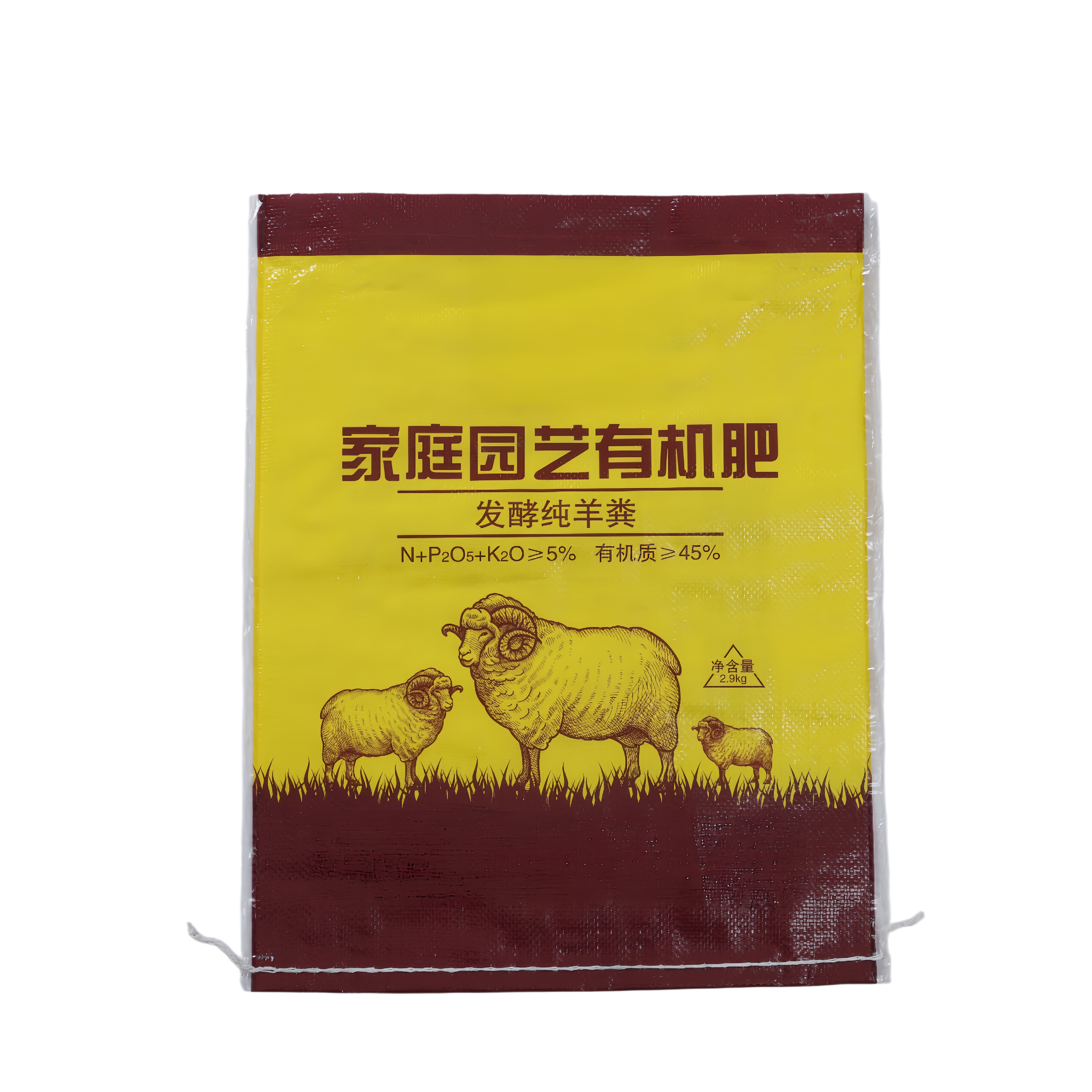
When selecting packaging for retail branding, the choice between BOPP laminated bags and standard woven bags represents a critical decision that impacts both brand perception and operational efficiency. These two packaging solutions have dominated the retail sector for years, yet they serve distinctly different purposes and offer unique advantages depending on your specific business requirements and target market positioning.
Understanding the fundamental differences between these packaging options allows retailers and brand managers to make informed decisions that align with their marketing strategy, budget constraints, and sustainability goals. The laminated pp bag category has grown significantly as consumers increasingly expect premium presentation, while bopp packaging continues to evolve with technological advances that improve both functionality and visual appeal.
BOPP laminated bags feature a polypropylene base layer that has been coated with a biaxially-oriented polypropylene film through a lamination process. This construction creates a multi-layer structure that provides superior moisture resistance, enhanced gloss, and improved printability compared to standard alternatives. The lamination process adds a protective layer that seals the underlying material, preventing degradation from humidity, dust, and environmental exposure during storage and transport.
The laminated pp bag structure typically consists of two or more layers bonded together through adhesive or thermal fusion. This multi-layer approach creates a barrier that maintains product integrity while allowing for vibrant color reproduction and sharp graphic detail. Retailers appreciate this construction because it maintains brand aesthetics throughout the supply chain, from warehouse to retail shelf to consumer hands.
Standard woven bags are constructed from polypropylene or polyethylene strands that are mechanically interlocked through a weaving process. The bopp woven bag category represents bags that use biaxially-oriented polypropylene material in this woven construction, offering inherent strength without lamination. This structure creates a breathable fabric that allows some air circulation while still providing structural integrity for product containment.
The printed woven bag approach involves applying graphics directly to the woven surface through screen printing, flexographic printing, or rotogravure techniques. This direct printing method creates vibrant colors on the woven base but lacks the protective seal that lamination provides, potentially leading to color fading or image degradation over extended shelf storage periods.
BOPP packaging provides exceptional protection against moisture infiltration, making it ideal for products sensitive to humidity fluctuations such as snack foods, tea, coffee, and powdered supplements. The laminated seal prevents condensation from accumulating inside the bag while protecting printed graphics from water damage or discoloration. This protection extends product shelf life and maintains brand appearance through multiple handling cycles in distribution networks.
The durability of bopp laminated bags also extends to mechanical stress. The multi-layer construction resists tearing, puncturing, and abrasion better than standard woven alternatives, particularly during automated packaging operations where bags encounter conveyor systems, sorting equipment, and high-speed filling machinery. Retailers report fewer damaged goods and reduced waste when using laminated options for mechanically demanding applications.
Standard woven bags offer excellent tensile strength due to their interlocked fiber structure, making them exceptionally durable for repeated use and heavy-duty applications. The bopp woven bag category maintains this inherent strength while incorporating premium material properties. Woven construction allows for aggressive color printing without the backing layer, creating a more textured aesthetic that appeals to certain retail segments valuing tactile authenticity.
However, woven bags provide less protection against moisture and environmental degradation. The printed woven bag surface remains vulnerable to color fading under prolonged light exposure and moisture damage if stored in humid environments. Retailers must consider product shelf life and storage conditions when evaluating whether woven bags will maintain visual appeal throughout distribution and retail display phases.
BOPP laminated bags deliver superior visual presentation with glossy finishes that catch consumer attention on retail shelves. The laminated pp bag construction allows for full-color printing with exceptional color fidelity, special effects like holographic elements, and embossed textures that create premium brand perception. Premium positioning in retail markets often demands this level of visual excellence, and laminated solutions consistently outperform alternatives in consumer perception studies regarding quality and brand prestige.
The bopp packaging advantage in aesthetics includes options for matte finishes, pearl coatings, and metallized surfaces that are impossible to achieve with standard woven construction. Brands in luxury segments, specialty foods, and health supplements frequently select laminated solutions specifically for their ability to communicate quality and differentiation through packaging presentation alone.
Standard woven bags typically cost 15 to 25 percent less per unit than equivalent BOPP laminated bags, primarily due to simpler manufacturing processes and fewer material layers. For high-volume commodity products with thin margins, this cost differential becomes significant in total packaging expense calculations. The printed woven bag alternative appeals strongly to retailers operating in budget-conscious segments where packaging cost directly impacts competitiveness.
However, total cost of ownership requires examining factors beyond unit price. BOPP laminated bags reduce waste due to superior damage protection, maintain product quality longer during storage, and support premium pricing strategies that recover packaging costs through higher retail margins. Retailers must evaluate whether brand positioning and market positioning justify higher per-unit packaging expenses when calculating true return on investment for laminated options.
BOPP laminated bags excel in retail branding applications because they provide superior moisture protection, vibrant color reproduction that captures consumer attention, and a glossy finish that communicates premium quality. The laminated pp bag construction maintains visual appeal throughout the supply chain, while standard woven alternatives experience color fading and environmental degradation. If brand perception and shelf impact are primary priorities, laminated solutions deliver measurable advantages in consumer perception and differentiation.
Standard woven bags represent the optimal choice when cost efficiency is paramount, product shelf life is short, or moisture sensitivity is minimal. The bopp woven bag category offers strong structural performance for products like grains, aggregates, or non-perishable items where visual presentation matters less than containment capability. Printed woven bag options remain competitive for commodity products, bulk sales, or distribution channels where packaging represents secondary consideration versus product quality.
BOPP packaging generally requires more material and energy to produce due to the lamination process, but its superior durability and moisture protection can extend product shelf life and reduce waste. Standard woven bags generate less manufacturing impact but may result in more product loss through environmental degradation. The bopp laminated bags advantage in reducing overall waste often offsets the higher production impact, particularly for perishable products or extended supply chains where product protection delivers environmental benefits through reduced spoilage.

Discover the 4 critical production metrics—throughput, defect rate, equipment uptime & on-time delivery—to vet factories confidently.

Ensure regulatory compliance & worker safety with proven methods for chemical woven bags—material selection, labeling, storage & training.

Discover the full PP woven bag manufacturing workflow—from extrusion & weaving to printing & QC. Boost efficiency, compliance & ROI. Download the process guide now.

Struggling with weak bags or high material waste? Master extrusion and tape drawing tech for stronger, cheaper PP woven bags. Optimize your production line now.

Struggling with defects or customer returns? Discover the 5 non-negotiable quality checkpoints across your woven bag production line
Which automation tier is right for your PP woven bag factory? Compare manual to Industry 4.0 systems for cost, quality, and scalability.
Get in touch for details on polypropylene woven bags and flexible packaging solutions.
Tel
Address
No.2015, Liaoyuan Building, Lanshan District, Linyi City, Shandong Province.China

