 EN
How to Assess Production Efficiency at a PP Woven Bag Factory
Discover the 4 critical production metrics—throughput, defect rate, equipment uptime & on-time delivery—to vet factories confidently.

2026/08/18
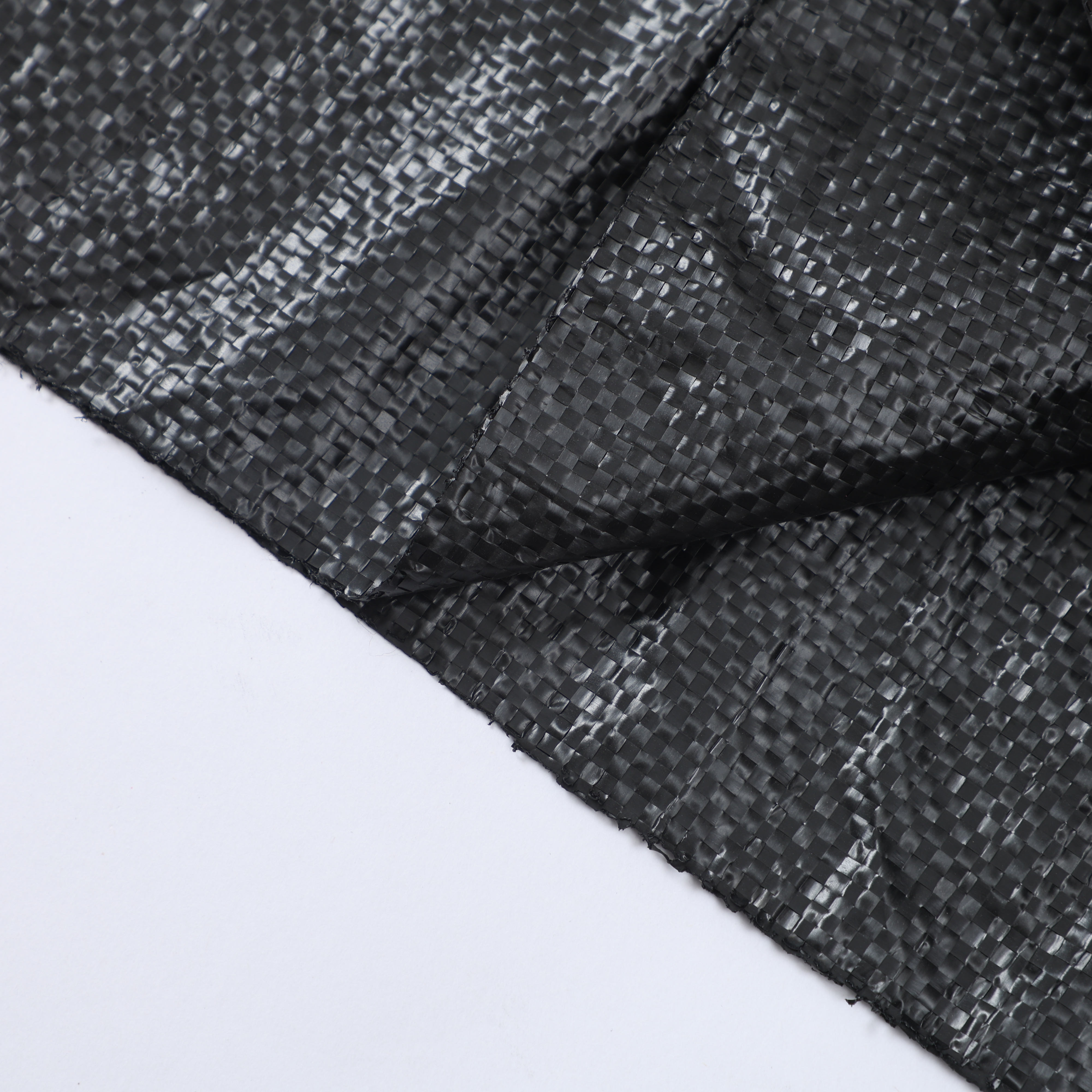
Selecting the right agricultural bags is one of the most critical decisions for farm operations and agricultural supply chains. The choice between breathable and laminated options directly impacts crop quality, storage longevity, and overall profitability. Each material type serves distinct purposes depending on your crop type, climate conditions, and storage duration. Understanding the differences helps you protect your harvest while optimizing costs and reducing waste.
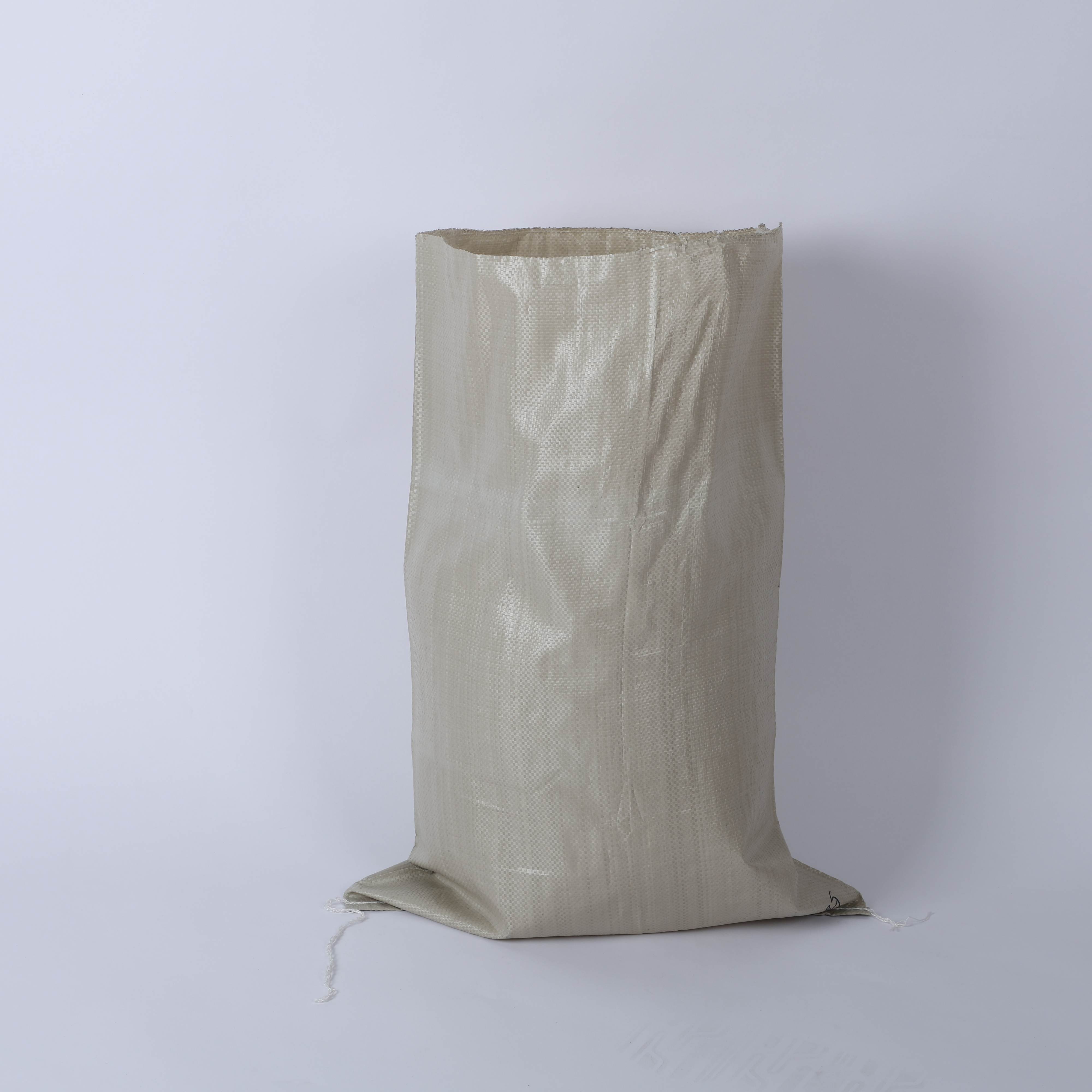
The decision between breathable and laminated farm produce bags requires careful evaluation of moisture control, durability, and crop-specific requirements. Agricultural packaging solutions have evolved significantly, and modern farmers now have access to agricultural bags designed for specific crops and environmental conditions. This guide explores both options, their advantages, limitations, and ideal use cases across different agricultural scenarios.
Breathable crop storage bags feature woven polypropylene construction that allows air circulation while containing product. These pp agricultural sack materials permit moisture vapor transmission, preventing condensation buildup inside the package. For crops sensitive to moisture accumulation, this ventilation capability proves essential for maintaining quality during storage and transport. The fabric structure enables gas exchange, which is particularly valuable for fresh produce requiring aerobic conditions.
The pp agricultural sack design uses interlocking fibers that create microscopic pathways for air movement. This natural ventilation reduces the risk of mold, mildew, and spoilage in perishable crops. Farmers storing potatoes, onions, and root vegetables benefit significantly from this moisture-management feature. The breathable nature of these agricultural packaging solutions prevents the sealed environment that accelerates decay in certain produce types.
Root vegetables, including potatoes, carrots, and beets, thrive in breathable farm produce bag environments. These crops require consistent air circulation to prevent rotting and sprouting during extended storage periods. Fresh produce such as garlic, squash, and pumpkins also maintain superior quality when stored in ventilated agricultural packaging. Grains destined for fresh flour production benefit from the reduced moisture that breathable bags provide compared to sealed alternatives.
Onions represent one of the best candidates for breathable crop storage bags because they need continuous air movement to prevent fungal growth. Farmers in humid climates particularly appreciate how breathable agricultural bags reduce spoilage rates. The extended shelf life achieved through proper breathability directly translates to reduced post-harvest losses and improved profitability for agricultural operations.
Laminated farm produce bag construction combines woven polypropylene with sealed layers that create a moisture barrier. This agricultural packaging design prevents water vapor and air exchange, making it ideal for products requiring protection from environmental moisture and contamination. The sealed structure extends shelf life by maintaining internal conditions and preventing external pathogens from entering the package. Laminated bags provide superior barrier protection compared to breathable alternatives in humid or rainy conditions.
The laminated crop storage bag design incorporates multiple layers that create a complete seal while maintaining structural integrity. These pp agricultural sack variants resist punctures, tears, and impacts better than woven-only materials. Agricultural packaging with lamination protects against insects, dust, and chemical exposure during storage and transport. The enhanced durability makes laminated options cost-effective for long-distance shipping and extended warehouse storage periods.
Grains destined for long-term storage benefit significantly from laminated crop storage bag protection. Rice, corn, and wheat stored in sealed agricultural bags maintain consistent moisture content and resist pest intrusion more effectively. Seeds and legumes require the barrier protection that only laminated farm produce bags can provide during extended storage. Flour, powdered products, and refined grains need the contamination prevention that sealed agricultural packaging delivers.
Laminated agricultural packaging excels in tropical and subtropical regions where humidity poses constant spoilage threats. Fertilizers and agricultural inputs requiring moisture isolation depend on sealed pp agricultural sack solutions. Products destined for export markets often require laminated options to meet international phytosanitary standards and contamination prevention requirements. The investment in enhanced agricultural packaging pays dividends through reduced loss rates and improved end-product quality.
Your local climate fundamentally influences whether breathable or laminated agricultural bags suit your operation. Dry climates favor breathable crop storage bags that allow moisture escape, while humid regions benefit from sealed agricultural packaging that prevents external moisture infiltration. Seasonal variations also matter; harvest timing during wet seasons demands different approaches than dry-season storage. Understanding your specific microclimate helps determine which farm produce bag type will minimize spoilage and protect crop value.
Storage duration significantly impacts the breathable versus laminated decision. Short-term storage periods work well with breathable agricultural bags, while extended storage demands the protection laminated crop storage bag solutions provide. Temperature fluctuations inside storage facilities cause condensation that threatens crops in sealed containers, making breathable pp agricultural sack options preferable in variable-temperature environments. Conversely, temperature-controlled facilities maximize the benefit of sealed agricultural packaging.
Breathable agricultural packaging typically costs less than laminated alternatives, making it attractive for operations with tight margins. The reduced barrier protection means lower material expenses but requires more careful storage condition management. Laminated farm produce bags cost more upfront but often deliver better return on investment through reduced spoilage rates and extended marketability windows. Calculating the true cost includes product loss prevention value alongside packaging material expenses.
Transportation requirements influence whether breathable or laminated agricultural bags make financial sense. Long-distance shipping favors sealed crop storage bags that resist environmental exposure and pest contamination. Local distribution and short-haul transport enable farmers to use more economical breathable options without quality compromise. Handling requirements also differ; laminated bags withstand rough handling better than breathable alternatives, reducing damage-related losses.
Before selecting agricultural bags, inventory your entire crop mix and analyze storage conditions for each product type. Create a detailed profile listing harvest timing, storage duration, climate conditions, and intended markets for every crop. This systematic approach ensures that each product category receives appropriate farm produce bag protection. Cross-reference your requirements against breathable and laminated agricultural packaging options to identify the best fit for each crop.
Consider conducting small-scale trials comparing breathable crop storage bags with laminated alternatives for your primary crops. Monitor spoilage rates, quality metrics, and cost outcomes over multiple growing seasons to establish reliable performance data. This evidence-based approach eliminates guesswork and ensures your pp agricultural sack selections align with real operational outcomes. Sharing results with agricultural extension services helps validate findings and contributes to industry knowledge.
Establish quality standards for agricultural packaging materials before placing bulk orders. Inspect sample batches of farm produce bags to verify construction quality, seal integrity, and material consistency. Implement storage protocols that maximize the effectiveness of your chosen agricultural bags, including proper ventilation for breathable options and climate control for laminated variants. Regular audits of storage facilities ensure conditions remain optimal throughout the harvest season.
Train staff on proper handling techniques for both breathable and laminated crop storage bag types. Educate team members about why specific agricultural packaging choices exist for particular crops and storage scenarios. Develop clear labeling systems identifying which bags contain which products and noting optimal storage conditions. This organizational approach prevents mixing incompatible storage methods and maintains product integrity from harvest through sale.
No, breathable farm produce bags work best for crops requiring air circulation like potatoes, onions, and fresh produce. Grains, seeds, and products needing long-term protection perform better in laminated crop storage bags. Mixing crop types in the wrong agricultural packaging risks significant spoilage. Match each product to its ideal agricultural bags based on moisture sensitivity, storage duration, and market requirements.
Humid climates favor laminated agricultural bags that prevent external moisture from entering. Dry climates benefit from breathable pp agricultural sack options that allow internal moisture escape. Seasonal variations mean some operations use both types depending on harvest timing. Analyzing your specific regional climate patterns helps optimize farm produce bag selections for each storage period throughout the year.
Laminated agricultural packaging reduces spoilage rates by 15-30% for grain crops compared to breathable alternatives, offsetting higher material costs. Extended shelf life means products reach markets during premium-price windows instead of facing discount pressure. Reduced pest damage and contamination in laminated farm produce bags translates to higher-quality output commanding better prices. Investment in proper agricultural bags pays dividends through improved margins and customer satisfaction.

Discover the 4 critical production metrics—throughput, defect rate, equipment uptime & on-time delivery—to vet factories confidently.

Ensure regulatory compliance & worker safety with proven methods for chemical woven bags—material selection, labeling, storage & training.

Discover the full PP woven bag manufacturing workflow—from extrusion & weaving to printing & QC. Boost efficiency, compliance & ROI. Download the process guide now.

Struggling with weak bags or high material waste? Master extrusion and tape drawing tech for stronger, cheaper PP woven bags. Optimize your production line now.

Struggling with defects or customer returns? Discover the 5 non-negotiable quality checkpoints across your woven bag production line
Which automation tier is right for your PP woven bag factory? Compare manual to Industry 4.0 systems for cost, quality, and scalability.
Get in touch for details on polypropylene woven bags and flexible packaging solutions.
Tel
Address
No.2015, Liaoyuan Building, Lanshan District, Linyi City, Shandong Province.China

