 EN
How to Assess Production Efficiency at a PP Woven Bag Factory
Discover the 4 critical production metrics—throughput, defect rate, equipment uptime & on-time delivery—to vet factories confidently.

2026/08/13
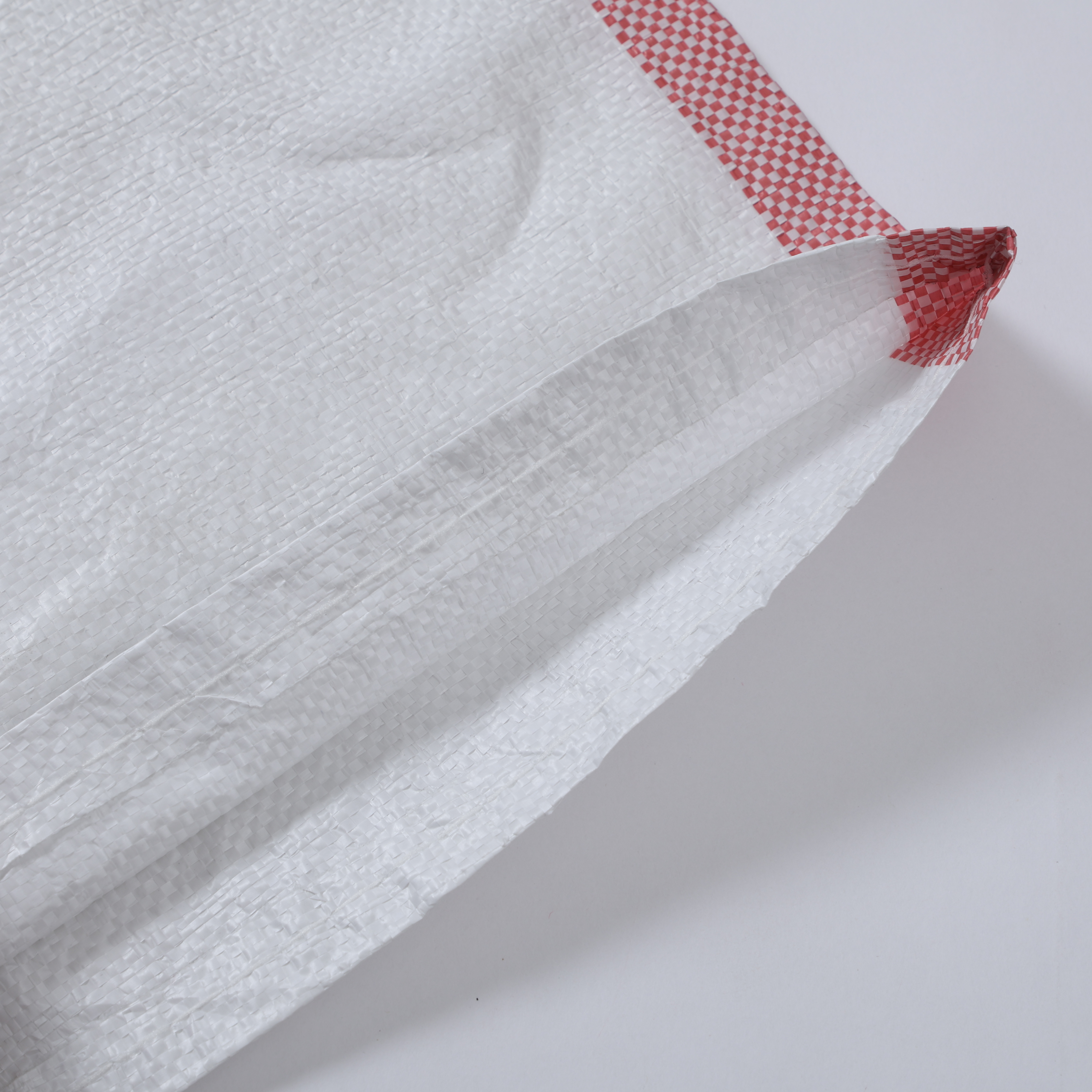
Choosing between bulk feed bags and small pack feed bags is a critical decision for distributors, farmers, and agricultural retailers. The right choice directly impacts your operational efficiency, storage costs, and customer satisfaction. Feed bags come in various sizes, each with distinct advantages depending on your distribution model, storage capacity, and end-user requirements. Understanding the differences between these two approaches helps you optimize inventory management and maintain competitive pricing in the agricultural supply chain.
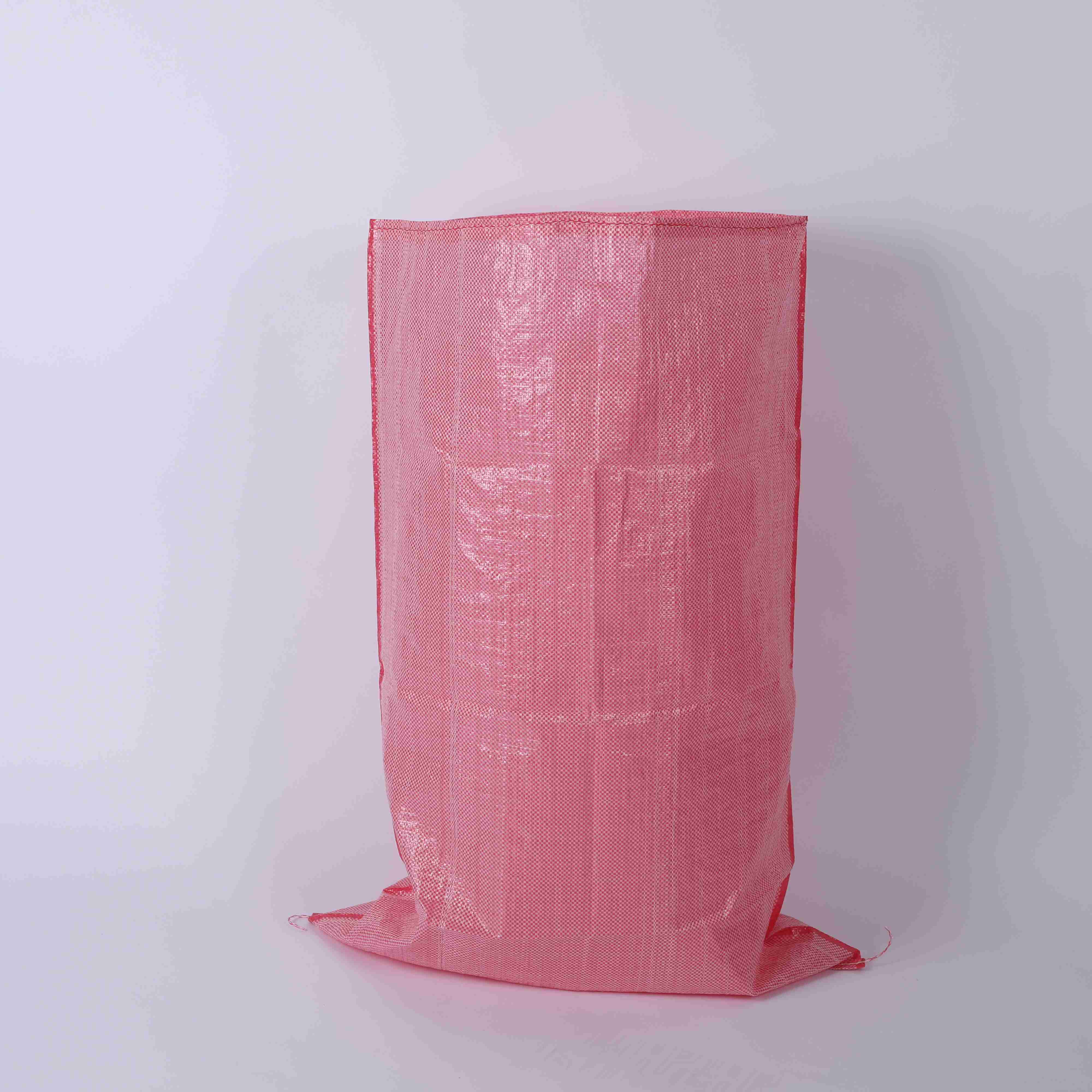
The agricultural feed industry relies heavily on effective packaging solutions. A feed bags decision affects everything from warehouse space utilization to last-mile delivery logistics. Bulk options typically range from 50kg to 100kg, while small pack feed bags usually contain 5kg to 25kg. Each format serves different customer segments and distribution channels, making it essential to evaluate your specific business requirements before committing to a packaging strategy.
Bulk animal feed bag solutions offer significant operational efficiencies for large distributors and commercial farming operations. A single 100kg livestock feed bag reduces the number of units you need to handle, store, and transport compared to twenty 5kg packs. This consolidation dramatically lowers labor costs associated with picking, packing, and loading. For high-volume operations, bulk pp feed sack formats streamline warehouse workflows and minimize handling time per kilogram of product delivered.
Cost per unit decreases substantially with bulk animal feed bag purchases. Your supplier typically offers volume discounts, and manufacturing expenses per kilogram drop when producing fewer, larger units. Transportation efficiency improves because fewer bags occupy less space on trucks, reducing fuel costs per kilogram delivered. These economic advantages make bulk feed packaging bag solutions especially attractive for operations moving thousands of kilograms monthly.
Bulk livestock feed bag systems require careful warehouse planning. While you store fewer units, the physical weight and floor space footprint may increase. A 100kg pp feed sack occupies more vertical space than multiple smaller bags when stacked. However, you gain flexibility in pallet arrangement and can often fit larger quantities within the same warehouse footprint by optimizing stacking heights and aisle layouts. Modern animal feed bag storage solutions incorporate specialized shelving and pallet systems designed specifically for bulk packaging configurations.
Small pack feed packaging bag formats address the needs of smaller farms, hobby farmers, and retail pet supply channels. A 5kg to 15kg livestock feed bag offers accessibility for customers with limited storage space or inconsistent feed requirements. This flexibility opens your distribution network to broader market segments that cannot justify bulk purchases. Many retailers prefer small animal feed bag inventory because it allows them to stock multiple product varieties without excessive warehouse demands.
Retail distribution benefits significantly from small pack pp feed sack availability. Customers making weekly or bi-weekly feed purchases find smaller units more convenient and reduce spoilage risk. Feed quality remains optimal when customers purchase quantities they will consume within a shorter timeframe. Small pack feed bags also facilitate impulse purchases and allow retailers to display products prominently at point-of-sale locations where bulk options would create logistical challenges.
Smaller livestock feed bag formats typically experience faster inventory turnover. You stock more product variations across your warehouse while maintaining similar total storage volumes. This rapid turnover reduces carrying costs and minimizes risk of product degradation from extended storage periods. For distributors operating in regions with varied customer preferences or seasonal demand fluctuations, small pack animal feed bag flexibility proves invaluable in maintaining product freshness and meeting diverse buyer expectations.
Your optimal feed packaging bag selection depends on understanding your core customer segments. Industrial livestock operations, large poultry facilities, and equestrian centers typically prefer bulk animal feed bag purchases. Conversely, smaller farms, pet supply retailers, and consumers purchasing for personal use gravitate toward small pack pp feed sack options. Conducting a customer analysis reveals which format alignment maximizes your revenue and reduces distribution friction.
Market positioning significantly influences your feed bags strategy. If you differentiate through cost leadership, bulk livestock feed bag distribution supports aggressive pricing. If you compete on service quality and market responsiveness, small pack animal feed bag variety provides competitive advantage. Many successful distributors employ a hybrid approach, offering both bulk pp feed sack options for volume customers and small pack feed packaging bag formats for retail and specialty channels, effectively serving the entire market spectrum.
Your existing warehouse infrastructure, transportation fleet, and handling equipment influence optimal feed bags selection. Bulk animal feed bag systems work well with modern automated pallet handling systems and large transport vehicles. Small pack pp feed sack distribution suits operations with diverse delivery routes and multiple customer touchpoints. Many distributors find that assessing their current capabilities and planned infrastructure investments clarifies which livestock feed bag format aligns with sustainable growth trajectories.
Offering both bulk and small pack feed bags maximizes market coverage. Large commercial customers prefer bulk animal feed bag options for cost efficiency, while smaller buyers and retailers choose small pack pp feed sack formats. Analyzing your customer base demographics and purchase patterns reveals the optimal mix. Many successful distributors stock bulk livestock feed bag quantities for established accounts while maintaining small pack feed packaging bag inventory for retail and emerging channels.
Polypropylene woven construction provides excellent durability for both bulk and small pack animal feed bag applications. Quality pp feed sack material resists moisture, protects contents from contamination, and maintains product integrity during transport and storage. Whether choosing bulk livestock feed bags or small pack feed packaging bags, prioritize suppliers offering food-grade compliant materials with reinforced seams and UV protection. The right material selection ensures your feed bags perform reliably regardless of size or distribution channel.
Transitioning between feed bags formats requires careful planning but remains feasible with proper logistics coordination. Start by identifying customer segments most suitable for bulk animal feed bag conversion based on purchase history and volume. Maintain small pack pp feed sack availability for price-sensitive or lower-volume accounts during the transition. Many distributors successfully phase in bulk livestock feed bag options over several months while preserving small pack feed packaging bag selections, allowing gradual adaptation across their customer base.

Discover the 4 critical production metrics—throughput, defect rate, equipment uptime & on-time delivery—to vet factories confidently.

Ensure regulatory compliance & worker safety with proven methods for chemical woven bags—material selection, labeling, storage & training.

Discover the full PP woven bag manufacturing workflow—from extrusion & weaving to printing & QC. Boost efficiency, compliance & ROI. Download the process guide now.

Struggling with weak bags or high material waste? Master extrusion and tape drawing tech for stronger, cheaper PP woven bags. Optimize your production line now.

Struggling with defects or customer returns? Discover the 5 non-negotiable quality checkpoints across your woven bag production line
Which automation tier is right for your PP woven bag factory? Compare manual to Industry 4.0 systems for cost, quality, and scalability.
Get in touch for details on polypropylene woven bags and flexible packaging solutions.
Tel
Address
No.2015, Liaoyuan Building, Lanshan District, Linyi City, Shandong Province.China

