 EN
How to Assess Production Efficiency at a PP Woven Bag Factory
Discover the 4 critical production metrics—throughput, defect rate, equipment uptime & on-time delivery—to vet factories confidently.

2026/08/10
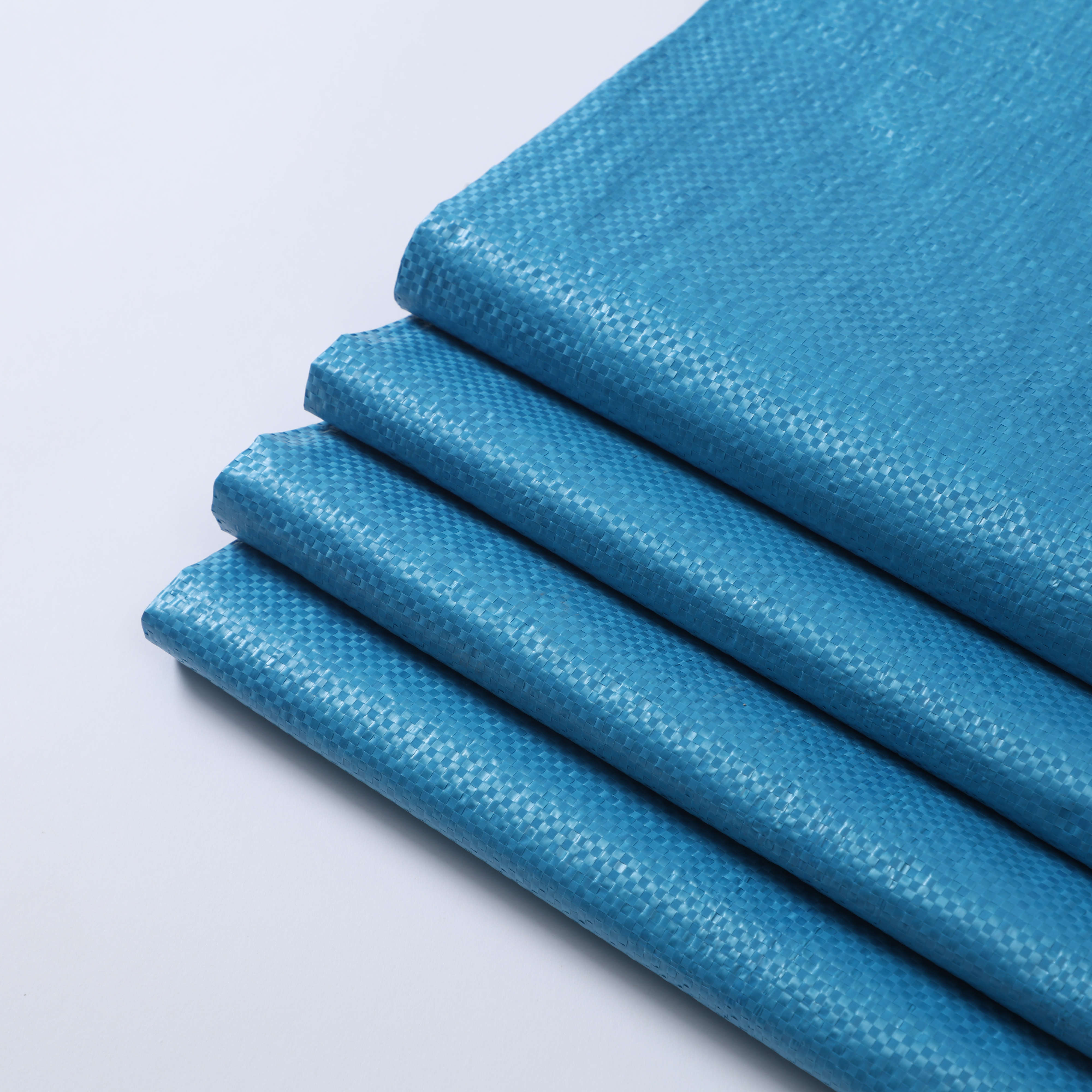
Industrial packaging demands materials that balance durability, cost-effectiveness, and performance. Two primary construction methods dominate the market: circular woven and flat woven designs. Understanding the differences between these approaches helps manufacturers, distributors, and logistics professionals select the ideal solution for their specific applications. A pp woven bag built with circular construction offers distinct advantages in certain scenarios, while flat woven alternatives excel in different use cases. Both styles utilize polypropylene woven material, but their structural variations create meaningful differences in strength, appearance, cost, and suitability.
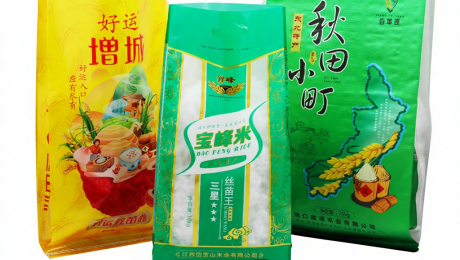
Selecting between circular and flat woven pp bulk bags requires careful evaluation of your product characteristics, handling conditions, shelf presence, and budget constraints. Both polypropylene woven packaging types serve industrial, agricultural, chemical, and food sectors effectively, but their performance profiles diverge significantly. This guide explores the structural differences, performance characteristics, and practical selection criteria to help you make an informed decision for your packaging needs.
Circular woven polypropylene woven bag designs are manufactured using a circular loom that produces seamless tubular fabric. The manufacturing process creates a continuous woven tube from polypropylene yarns, which is then cut and sealed at the bottom to form a finished bag. This construction method delivers superior sealing integrity because the bottom seal occurs perpendicular to the bag's length, creating a strong, continuous weld line. Circular woven sacks feature a cylindrical shape that maximizes interior volume while minimizing material usage.
The seamless construction of circular pp woven sacks eliminates side seams entirely, which significantly reduces potential failure points. Manufacturers can apply multiple protective layers to the tube structure, creating laminated constructions with barrier films, kraft paper, or additional polypropylene layers.
Flat woven pp woven bag production uses rectangular looms to weave polypropylene fabric in flat sheets. Two separate fabric pieces are then sewn or heat-sealed along the sides and bottom to create the finished bag. This construction creates visible seams on two or three sides of the bag, depending on whether the manufacturer uses pre-formed tubes or flat panels. Flat woven designs require reinforced stitching or heat sealing at seam locations to maintain structural integrity under load.
The flat woven pp bulk bag construction process involves fewer specialized machinery requirements compared to circular loom operations, which typically reduces manufacturing costs. Flat woven polypropylene woven packaging offers greater design flexibility in terms of bag dimensions and customization options, as manufacturers can easily adjust fabric dimensions before seaming. This construction method remains widely adopted across industries due to its cost advantages and production flexibility.
Circular woven polypropylene woven bag designs achieve superior bursting strength and puncture resistance due to their seamless tube construction. The absence of side seams means stress distributes evenly across the entire bag surface, whereas flat woven alternatives concentrate stress at seam locations. Testing data consistently shows circular woven pp woven bags maintain structural integrity under higher pressure conditions, making them preferred for dense products and heavy loads. The continuous woven matrix in circular designs also provides better tear propagation resistance.
Flat woven pp bulk bags rely on seam strength to maintain containment, and seam failure represents the primary failure mode in these designs. Manufacturers reinforce seams through multiple-stitch patterns or industrial heat sealing, but these solutions cannot fully match the inherent strength of seamless construction. However, flat woven polypropylene woven packaging can still meet demanding applications when properly specified with appropriate stitch patterns and material grades.
Circular woven pp woven sack construction enables superior lamination and coating options due to the continuous fabric surface. Manufacturers can apply polyethylene films, kraft paper liners, or moisture barriers during production more efficiently with circular designs. These protective layers extend shelf life, protect against moisture ingress, and enhance product preservation for sensitive materials. The pp woven bag design facilitates easier application of coatings that would be complicated on flat woven surfaces with seams.
Flat woven polypropylene woven packaging tolerates standard conditions well but requires additional protective liners if enhanced moisture resistance is needed. The seams in flat woven designs can become potential moisture entry points unless specifically treated or sealed during manufacturing. For dry products stored in controlled environments, flat woven pp bulk bags provide adequate protection at lower cost, but challenging environments favor circular construction.
Flat woven pp woven bag production costs remain lower than circular alternatives due to simpler machinery requirements and faster production cycles. The rectangular loom technology requires less specialized equipment investment, and seaming operations can utilize standard industrial sewing machines. Flat woven polypropylene woven packaging typically costs 15–25% less than equivalent circular designs, making them attractive for price-sensitive applications and high-volume standardized orders.
Circular woven pp woven sack manufacturing requires specialized circular loom equipment, which demands higher capital investment and maintenance costs. The production speed may be slightly lower than flat weaving due to the complexity of tube formation and precision sealing requirements.
While flat woven pp bulk bags feature lower unit costs, the total cost of ownership must account for damage rates, product loss, and shelf presence value. Circular woven polypropylene woven packaging experiences fewer failures during handling and transport, reducing waste and maintaining product quality. For high-value products or applications with stringent quality requirements, the circular pp woven bag investment delivers positive return through reduced spoilage and rejection rates.
Flat woven pp woven sack options suit commoditized products and applications where occasional damage remains acceptable. Bulk storage applications, temporary packaging, and intermediate handling steps frequently employ flat woven designs because the cost savings outweigh minor durability differences. Manufacturers should evaluate their specific risk tolerance and product value when choosing between these construction methods.
Circular woven pp woven bags excel with powdered products, fine granular materials, and hygroscopic substances that require superior dust containment and moisture protection. The seamless construction prevents product escape at seams while laminated variants provide complete barrier properties. Chemical packaging, food ingredients, minerals, and pharmaceuticals frequently utilize circular pp woven bag designs when protection standards justify the cost premium.
Flat woven polypropylene woven packaging works effectively for coarser products, granular materials, and applications where minor dust or moisture exposure poses minimal risk. Agricultural commodities, building materials, industrial minerals, and general-purpose bulk storage often employ flat woven pp bulk bags successfully. The cost advantage makes flat woven pp woven sacks attractive for large-volume commodity applications where standardization and price negotiation drive procurement decisions.
Harsh handling environments, rough material handling equipment, and stacking pressures favor circular woven pp woven bag designs due to their superior puncture and tear resistance. Export shipments, long-distance transportation, and multiple handling transfers increase damage risk, making premium circular construction more economical despite higher initial costs. The polypropylene woven packaging invested in enhanced durability pays dividends when reduced claims and product loss are factored into total logistics costs.
Controlled warehouse environments, internal transfers, and short-distance distribution often succeed with flat woven pp bulk bags. Careful handling protocols and protective stacking arrangements reduce damage rates sufficiently that flat woven polypropylene woven packaging remains cost-effective. Manufacturing plants managing their own internal logistics frequently optimize around flat woven designs to minimize packaging expenses.
Circular woven pp woven sack construction creates a seamless tube without side seams, allowing stress to distribute evenly across the entire bag surface. Flat woven polypropylene woven packaging concentrates structural stress at seam locations, creating potential failure points. The absence of seams in circular designs provides inherently superior bursting strength, puncture resistance, and tear propagation resistance, making pp woven bags with circular construction ideal for demanding applications.
Flat woven pp woven bags suit applications where cost minimization takes priority over maximum durability, such as commodity bulk storage, standardized high-volume orders, and internal logistics with controlled handling conditions. Flat woven polypropylene woven packaging costs 15–25% less than circular alternatives while providing adequate performance for coarser products and lower-risk environments. The pp bulk bag choice depends on balancing the cost advantage against your specific performance requirements and damage tolerance.
Yes, flat woven pp woven bags can be laminated with polyethylene films, kraft paper, or moisture barrier coatings to enhance protection. However, circular woven polypropylene woven packaging accommodates these upgrades more efficiently due to the seamless tube surface, while flat woven pp bulk bags require seams to be individually sealed or treated. Both pp woven bag construction types support protective coating options, but circular designs typically provide superior protection and more straightforward manufacturing processes.

Discover the 4 critical production metrics—throughput, defect rate, equipment uptime & on-time delivery—to vet factories confidently.

Ensure regulatory compliance & worker safety with proven methods for chemical woven bags—material selection, labeling, storage & training.

Discover the full PP woven bag manufacturing workflow—from extrusion & weaving to printing & QC. Boost efficiency, compliance & ROI. Download the process guide now.

Struggling with weak bags or high material waste? Master extrusion and tape drawing tech for stronger, cheaper PP woven bags. Optimize your production line now.

Struggling with defects or customer returns? Discover the 5 non-negotiable quality checkpoints across your woven bag production line
Which automation tier is right for your PP woven bag factory? Compare manual to Industry 4.0 systems for cost, quality, and scalability.
Get in touch for details on polypropylene woven bags and flexible packaging solutions.
Tel
Address
No.2015, Liaoyuan Building, Lanshan District, Linyi City, Shandong Province.China

