 EN
How to Assess Production Efficiency at a PP Woven Bag Factory
Discover the 4 critical production metrics—throughput, defect rate, equipment uptime & on-time delivery—to vet factories confidently.

2026/09/02
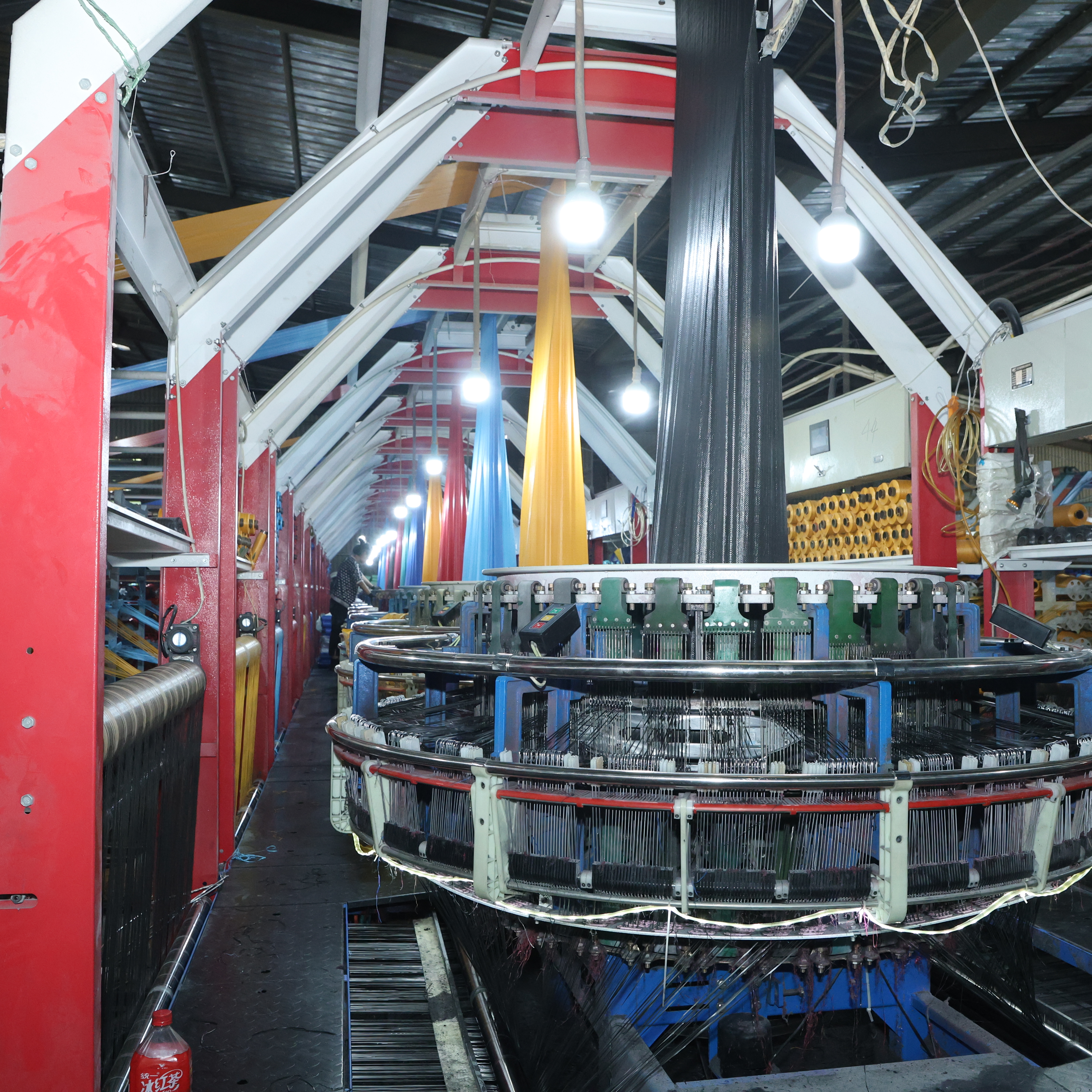
Documentation errors represent one of the most costly yet preventable mistakes when working with any PP woven bag supplier. Whether you are managing pp bag export operations, sourcing for woven bag wholesale, or coordinating with a pp woven bag factory, incorrect paperwork can delay shipments, create compliance violations, damage buyer-supplier relationships, and result in financial losses. These errors often stem from unclear communication, insufficient due diligence, or misaligned expectations between international buyers and bulk woven bag supply vendors. Understanding the common pitfalls and implementing robust documentation protocols will protect your supply chain and ensure smooth transactions.
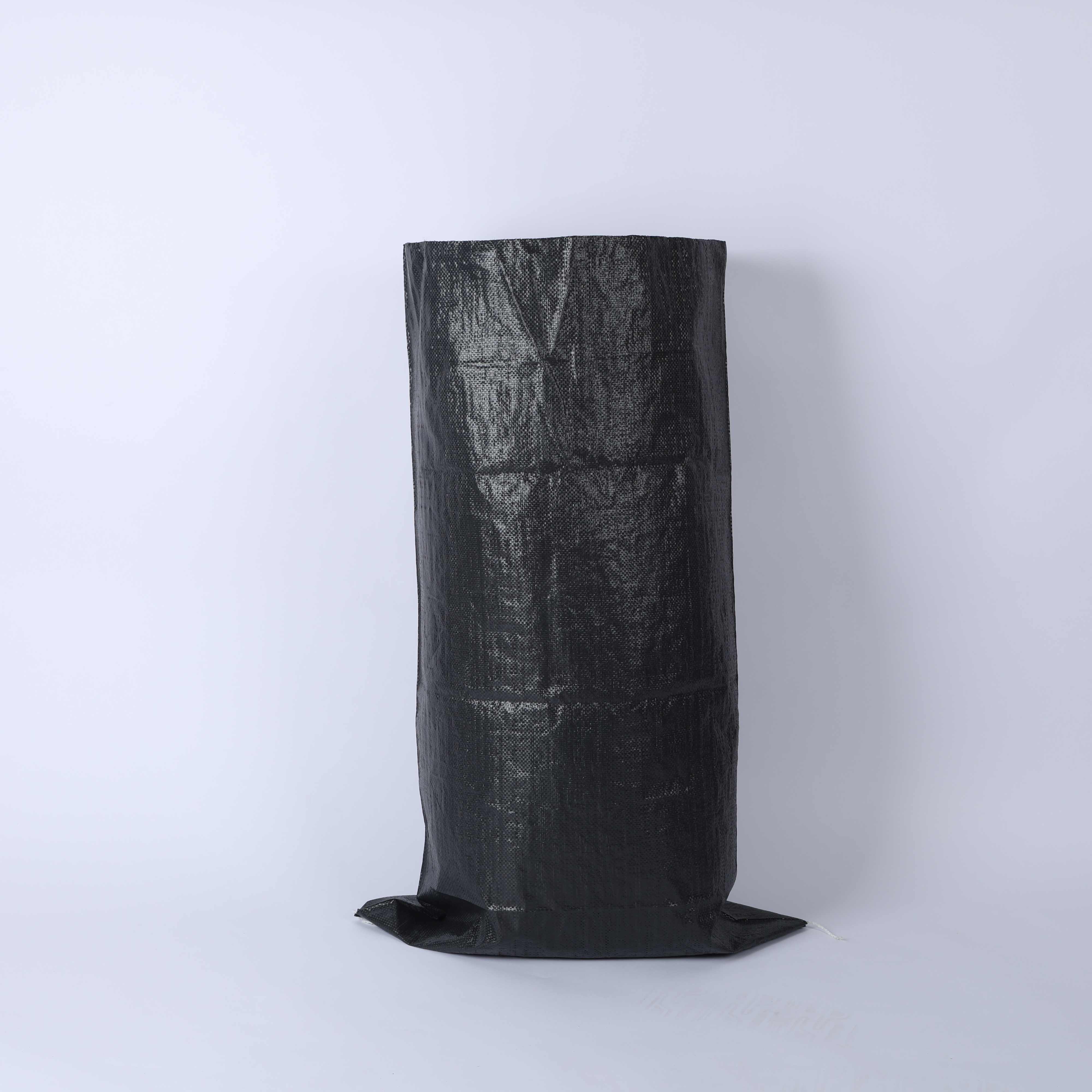
Working with bulk woven bag supply partners requires meticulous attention to contractual terms, product specifications, and shipping documentation. Many importers underestimate the complexity of international trade requirements, export regulations, and quality verification processes. This article examines the most frequent documentation errors encountered in pp woven bag factory relationships and provides actionable strategies to avoid them. By recognizing these mistakes early, you can strengthen partnerships, reduce disputes, and maintain consistent product quality.
One of the most serious mistakes occurs when buyers fail to clearly define product specifications before engaging a pp woven bag factory. Generic descriptions like 'standard polypropylene bags' or 'bulk woven bag supply as quoted' create ambiguity about material weight, UV protection, printing specifications, dimensions, and load-bearing capacity. Without precise technical documentation, suppliers default to minimum standards, resulting in delivered products that do not match expectations.
A comprehensive specification document should also address edge finishing, seam quality, and color consistency requirements. When sourcing from a woven bag wholesale vendor, inadequate specifications often lead to multiple rounds of revisions, production delays, and inflated costs. Document all agreed standards in writing before production begins, and request sample approval confirmation as a contractual milestone.
Purchase orders that lack essential contractual terms create legal ambiguity and increase dispute risk. Common missing elements include payment terms, delivery incoterms, quality acceptance criteria, liability for defects, force majeure clauses, and dispute resolution mechanisms. When working with a pp woven bag supplier, vague payment instructions can result in delayed shipments or payment disputes. Conflicting information between the initial quotation, purchase order, and shipping documents frequently causes confusion and delayed clearance at customs.
Every purchase order must explicitly state the quantity, unit price, total cost, agreed delivery date, incoterm (FOB, CIF, DDP), inspection procedures, and acceptance timeline. Include clear language regarding how defects will be handled, who bears the cost of returns, and what constitutes acceptable variance.
International pp bag export operations require proper compliance documentation that many buyers overlook. These include certificates of origin, export licenses, health and safety certifications, and material compliance statements. When a pp woven bag factory ships goods without proper phytosanitary certificates or food-contact material declarations, importers face customs holds, product seizures, or shipment rejections. Each destination country maintains specific import requirements; sourcing from a bulk woven bag supply vendor requires understanding these regulations before placing orders.
Many pp woven bag factory operators assume standard compliance; however, buyers must independently verify that supplied certifications match destination market requirements. Request certificates of analysis, material safety datasheets, and third-party testing reports before finalizing the order. For food-grade or pharmaceutical applications, confirm that the woven bag wholesale supplier provides FDA compliance statements or equivalent regulatory approvals. Inadequate compliance documentation not only delays port clearance but may result in legal penalties or product confiscation.
Quality assurance documentation represents a critical gap in many buyer-supplier relationships with a pp woven bag factory. Buyers often assume that suppliers automatically conduct required tests; however, without explicit documentation requirements in the purchase order, quality testing may be minimal or skipped entirely. Standard testing for bulk woven bag supply includes tensile strength verification, tear resistance, weight tolerance, print durability, and UV resistance where applicable. When this documentation is absent, buyers cannot independently verify product quality or troubleshoot field failures.
Request that the pp woven bag supplier provide test certificates showing batch-level quality results before shipment. Specify which third-party lab will conduct verification testing and at whose expense. For pp bag export, international standards like ASTM or ISO testing protocols should be referenced in the contract. Without this paper trail, disputes over product failure become unresolvable, and the buyer bears all financial risk. Establish a pre-shipment inspection protocol with a woven bag wholesale partner to verify quality compliance before goods leave the factory.
Bills of lading (BOL) and commercial invoices must match precisely, or customs delays and clearance issues will follow. Common errors include mismatched unit quantities between the BOL and invoice, incorrect Harmonized Tariff System codes, underreported values, or unclear description of goods. When sourcing bulk woven bag supply from a pp woven bag factory, the BOL should clearly specify the product as 'polypropylene woven bags' with exact dimensions, weight, and quantity in container format. Vague descriptions like 'plastic bags' or 'general woven goods' trigger customs questions and extended inspection periods.
The commercial invoice must include the supplier name, buyer name, product specifications, unit price, total cost, and terms of sale. Any discrepancies between the pp bag export invoice and the purchase order create documentation risk at border crossings. Request the pp woven bag supplier to align all shipping documents before container loading. Verify that container seal numbers, weight declarations, and dimensional specifications match the purchase order exactly. This attention to detail prevents customs holds, reduces inspection time, and protects against fraud allegations when importing bulk woven bag supply.
Packing lists serve as the internal checklist between what was ordered and what was actually packed. Many woven bag wholesale suppliers provide minimal packing documentation, making it impossible for the buyer to verify contents before customs clearance. A detailed packing list should show bag count per carton, cartons per pallet, pallets per container, serial or batch numbers, and production dates. When this level of detail is missing from pp bag export documentation, receivers cannot confirm whether the correct quantity arrived or identify which batch has quality issues.
Require the pp woven bag factory to provide container seal photographs, weight certificates, and dimensional specifications before shipment. These documents protect the buyer in case of loss, damage, or theft during transit. Establish a standard packing format with your pp woven bag supplier that matches your warehouse receiving systems. This ensures bulk woven bag supply inventory can be tracked, managed, and reconciled without delays. Request that the woven bag wholesale partner provide electronic copies of all documentation 48 hours before vessel departure, allowing time for review and correction.
A comprehensive purchase order must include detailed product specifications (dimensions, weight, material grade, strength), quantity ordered, unit and total price, payment terms, delivery incoterm, delivery date, quality acceptance criteria, inspection procedures, defect handling policy, and dispute resolution method. Specify how the pp woven bag supplier will handle returns or rework if quality issues arise. Include explicit references to required certifications, testing standards, and compliance documentation. Clearly state whether the pp woven bag factory or buyer is responsible for export licenses, customs documentation, and insurance. Both parties should sign and retain copies for record keeping.
Request certificates of origin, material safety datasheets, and third-party lab reports before finalizing payment. Verify that all documents are from the actual pp woven bag factory location and dated within the current production batch. Cross-reference certifications against destination country import requirements—different markets have different regulations. Request that the pp bag export supplier provide batch identification numbers on all certificates so quality issues can be traced to specific production runs. For food-contact or regulated applications, confirm that the woven bag wholesale partner holds valid registrations or approvals recognized by the destination authority. Maintain copies of all compliance documentation for audit and dispute purposes.
The most frequent errors include mismatched quantities between bills of lading and commercial invoices, incorrect or vague product descriptions that trigger customs inquiry, underreported values leading to compliance questions, missing packing lists or container specifications, and seal numbers that do not match shipping documents. When working with a pp woven bag supplier on pp bag export, ensure all documents use consistent terminology and reference the same purchase order number. Request that the woven bag wholesale partner provide copies of all shipping documents for buyer review before container loading. Establish a document checklist and require the bulk woven bag supply vendor to confirm completion before releasing payment, preventing disputes and customs delays.

Discover the 4 critical production metrics—throughput, defect rate, equipment uptime & on-time delivery—to vet factories confidently.

Ensure regulatory compliance & worker safety with proven methods for chemical woven bags—material selection, labeling, storage & training.

Discover the full PP woven bag manufacturing workflow—from extrusion & weaving to printing & QC. Boost efficiency, compliance & ROI. Download the process guide now.

Struggling with weak bags or high material waste? Master extrusion and tape drawing tech for stronger, cheaper PP woven bags. Optimize your production line now.

Struggling with defects or customer returns? Discover the 5 non-negotiable quality checkpoints across your woven bag production line
Which automation tier is right for your PP woven bag factory? Compare manual to Industry 4.0 systems for cost, quality, and scalability.
Get in touch for details on polypropylene woven bags and flexible packaging solutions.
Tel
Address
No.2015, Liaoyuan Building, Lanshan District, Linyi City, Shandong Province.China

