 EN
How to Assess Production Efficiency at a PP Woven Bag Factory
Discover the 4 critical production metrics—throughput, defect rate, equipment uptime & on-time delivery—to vet factories confidently.

2026/08/31
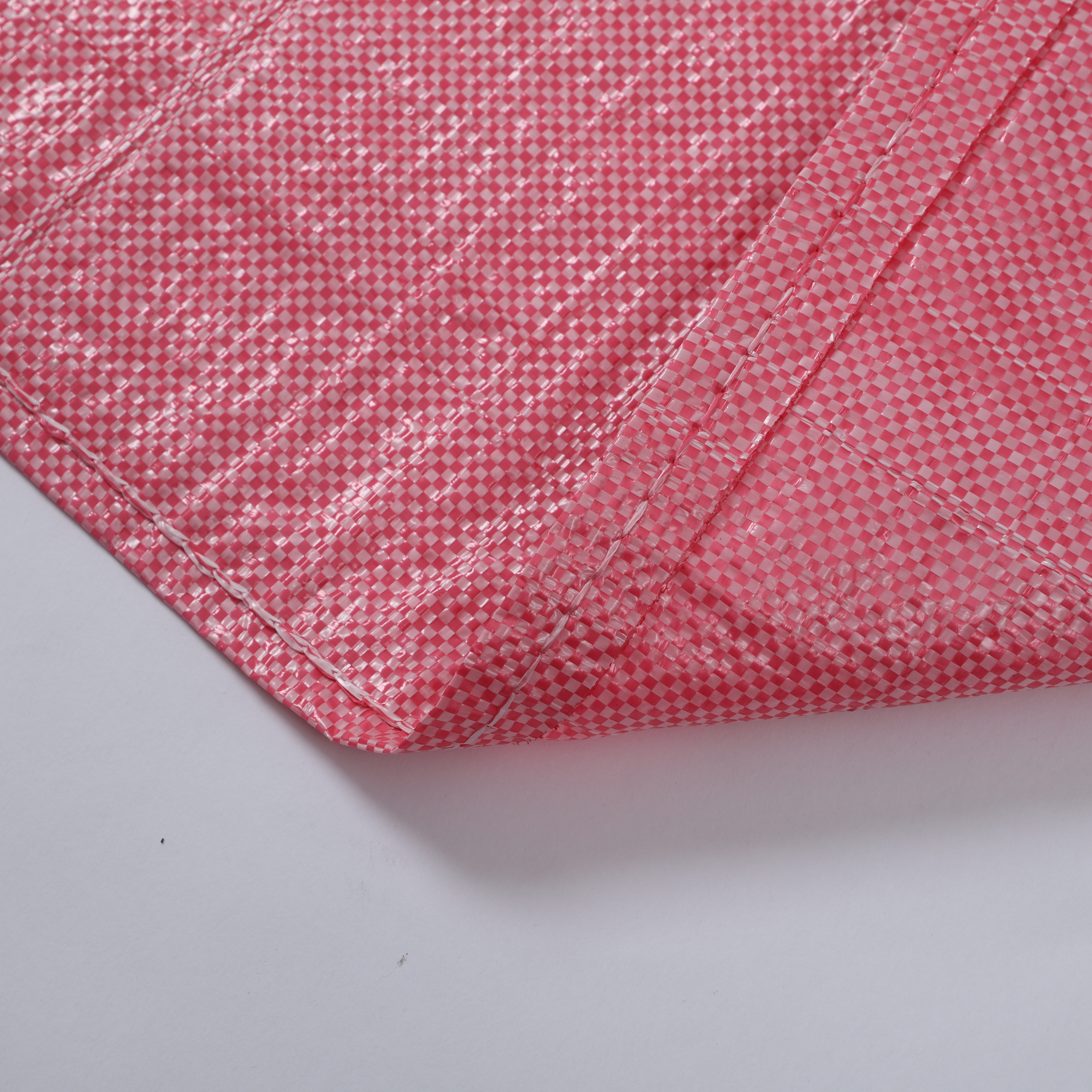
Filling line compatibility with your packaging bag selection is critical for operational efficiency in industrial production environments. When a bulk packaging bag fails to integrate smoothly with your existing filling equipment, production delays, material waste, and increased labor costs can accumulate rapidly. Understanding the root causes of these compatibility challenges allows manufacturers to avoid expensive downtime and maintain consistent output quality.
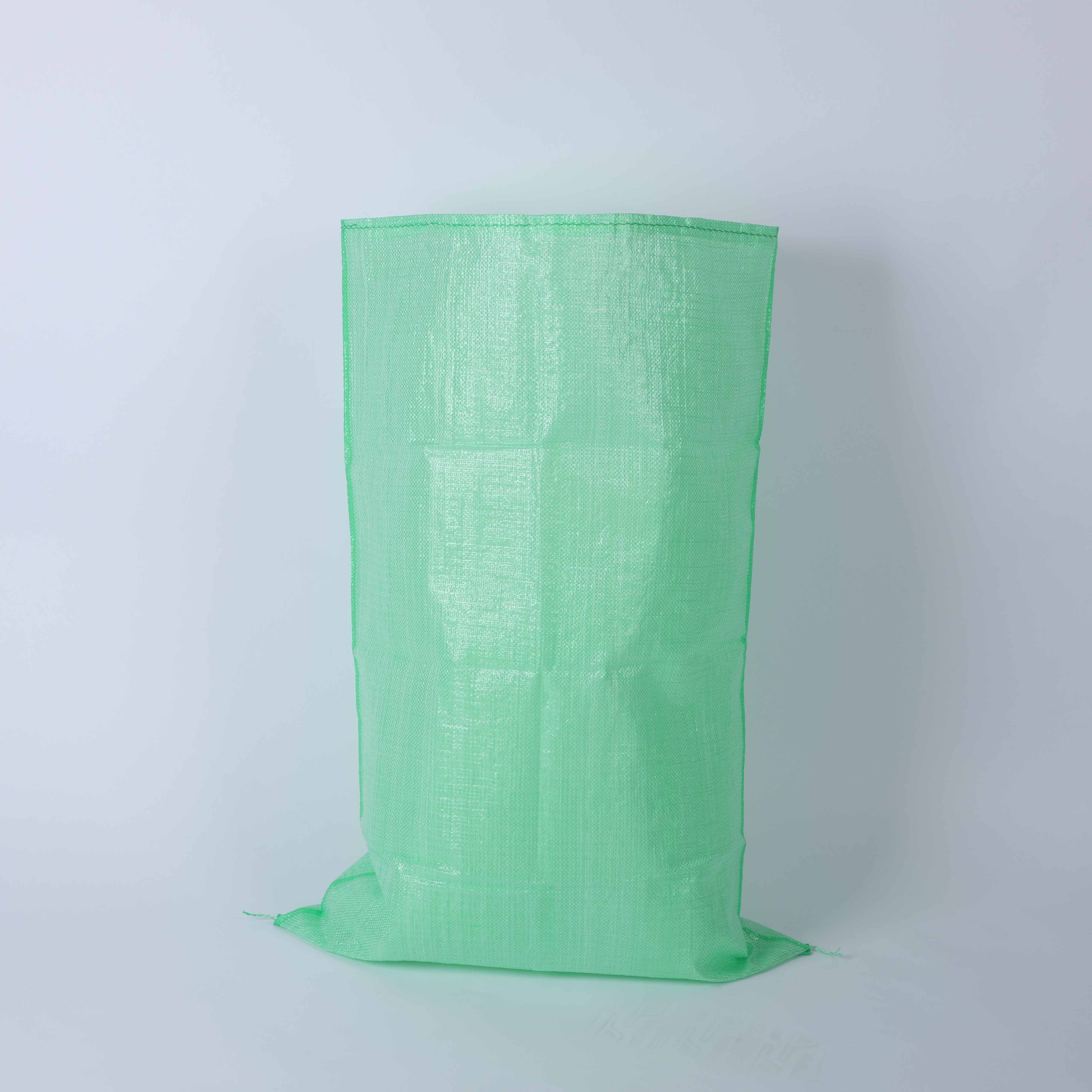
The relationship between your filling line specifications and bulk packaging bag dimensions directly influences production success. An industrial packaging bag that meets material strength standards may still create feeding problems if its dimensions, stiffness, or valve placement differ from your equipment's calibrated tolerance levels. This article explores the most common filling line compatibility issues, their underlying causes, and proven strategies for selecting and configuring woven packaging sacks that work seamlessly with your production systems.
Dimensional misalignment represents the most frequently encountered compatibility challenge with pp packaging bag systems. Filling line hoppers and conveyors are engineered to handle bags within specific width and gusset depth ranges. When a bulk packaging bag width exceeds these parameters, the bag cannot feed smoothly into the hopper opening, causing jams that halt production. Similarly, insufficient gusset depth can result in unstable bag positioning during filling, leading to spillage and misalignment.
The woven packaging sack gusset design influences how the bag expands during product loading. If gusset dimensions are too shallow, the bag lacks structural stability and collapses inward, preventing even weight distribution. Conversely, oversized gussets may cause the bag to expand beyond the filling nozzle spray pattern, leaving uneven product coverage. Conducting pre-production trials with sample woven packaging sacks ensures dimensional compatibility before committing to full-scale production runs.
Valve positioning directly affects how an industrial packaging bag integrates with your filling equipment's spout alignment system. Most modern filling lines are calibrated for bags with valves positioned at specific distances from the bag base and corners. A pp packaging bag with an off-center or improperly sized valve opening creates spout misalignment, resulting in product spillage around the valve area rather than into the bag interior.
Additionally, the valve opening diameter must match your filling line's spout diameter tolerance range. Oversized openings allow product to escape during pressurized filling, while undersized openings create excessive back-pressure that can damage the valve or overfill the bag. Confirming valve specifications with your equipment manufacturer before selecting a bulk packaging bag supplier prevents this critical compatibility issue.
The structural stiffness of your woven packaging sack directly influences feed consistency and positioning accuracy during filling operations. Industrial packaging bags manufactured with lower-grade polypropylene or insufficient weave density tend to collapse or wrinkle excessively as they move through the filling line hopper. This instability causes the bag to shift position relative to the filling spout, resulting in uneven product distribution and potential spillage.
Conversely, a pp packaging bag with excessive stiffness may resist the natural folding and positioning required by automated feeding mechanisms. The bag edges can catch on hopper corners or conveyor rollers, causing jams and requiring manual intervention. Selecting a bulk packaging bag with material stiffness calibrated to your specific filling line design ensures smooth, uninterrupted operation without constant adjustment.
The surface finish of a woven packaging sack influences how it interacts with conveyor systems and hoppers throughout the filling line. Bags with excessive surface dust or loose fibers can contaminate product and create buildup on equipment sensors and mechanical parts. This contamination triggers sensor errors, equipment shutdowns, and compromises product quality, particularly in food, pharmaceutical, or chemical applications where purity is critical.
An industrial packaging bag manufactured with tight weave density and proper finish treatment minimizes dust shedding during handling and filling. Requesting woven packaging sacks that meet specific surface cleanliness standards from your supplier prevents contamination-related downtime and protects the integrity of your filling line's precision components.
Many filling line compatibility issues stem from inadequate calibration rather than inherent bag defects. Your equipment's hopper angle, conveyor speed, and guide rail positioning must be adjusted specifically for the dimensional and material characteristics of your selected pp packaging bag. When transitioning to a new bulk packaging bag supplier or changing bag specifications, recalibration is essential for optimal performance.
Documenting baseline equipment settings before introducing a new woven packaging sack design enables rapid troubleshooting if problems emerge. If compatibility issues occur immediately after changing suppliers, return the equipment to baseline settings and systematically adjust parameters while monitoring feed behavior. This methodical approach identifies whether the issue originates from bag specifications or equipment misconfiguration.
The weight distribution pattern of a bulk packaging bag during filling directly affects load cell sensor readings and fill accuracy. An industrial packaging bag that settles unevenly or shifts during filling can cause weight sensors to register incorrect readings, leading to overfill or underfill conditions. This issue becomes especially problematic when your filling line uses multiple weight sensors positioned around the hopper.
Ensuring that your selected woven packaging sack maintains consistent positioning and settles evenly within the hopper allows weight sensors to function accurately. If sensor calibration becomes unstable after changing to a new pp packaging bag type, evaluate whether the bag's behavior during settling is introducing variance into measurements. Working with your bag supplier to test fill weight consistency across multiple production cycles confirms that your chosen packaging bag supports accurate filling operations.
The primary causes include dimensional mismatches between bag width and hopper specifications, incorrect valve placement or opening size, inadequate material stiffness affecting feed consistency, surface contamination from the bulk packaging bag, and improper equipment calibration. Each of these factors can independently trigger compatibility issues or compound existing problems when multiple factors are present simultaneously.
Request sample batches of the pp packaging bag and conduct comprehensive pre-production testing on your actual filling line before committing to full-scale orders. Test multiple production runs to evaluate feed consistency, fill weight accuracy, valve alignment, and any sensor errors. Document all operational parameters and compare results against your baseline performance metrics with your previous bag supplier.
Equipment adjustments can resolve some compatibility challenges, particularly those related to hopper angle, conveyor speed, and guide rail positioning. However, fundamental mismatches between bag dimensions, valve specifications, or material properties cannot be corrected through calibration alone. When compatibility issues persist despite proper calibration, selecting a different industrial packaging bag design from your supplier may be necessary.

Discover the 4 critical production metrics—throughput, defect rate, equipment uptime & on-time delivery—to vet factories confidently.

Ensure regulatory compliance & worker safety with proven methods for chemical woven bags—material selection, labeling, storage & training.

Discover the full PP woven bag manufacturing workflow—from extrusion & weaving to printing & QC. Boost efficiency, compliance & ROI. Download the process guide now.

Struggling with weak bags or high material waste? Master extrusion and tape drawing tech for stronger, cheaper PP woven bags. Optimize your production line now.

Struggling with defects or customer returns? Discover the 5 non-negotiable quality checkpoints across your woven bag production line
Which automation tier is right for your PP woven bag factory? Compare manual to Industry 4.0 systems for cost, quality, and scalability.
Get in touch for details on polypropylene woven bags and flexible packaging solutions.
Tel
Address
No.2015, Liaoyuan Building, Lanshan District, Linyi City, Shandong Province.China

