 EN
How to Assess Production Efficiency at a PP Woven Bag Factory
Discover the 4 critical production metrics—throughput, defect rate, equipment uptime & on-time delivery—to vet factories confidently.

2026/08/27
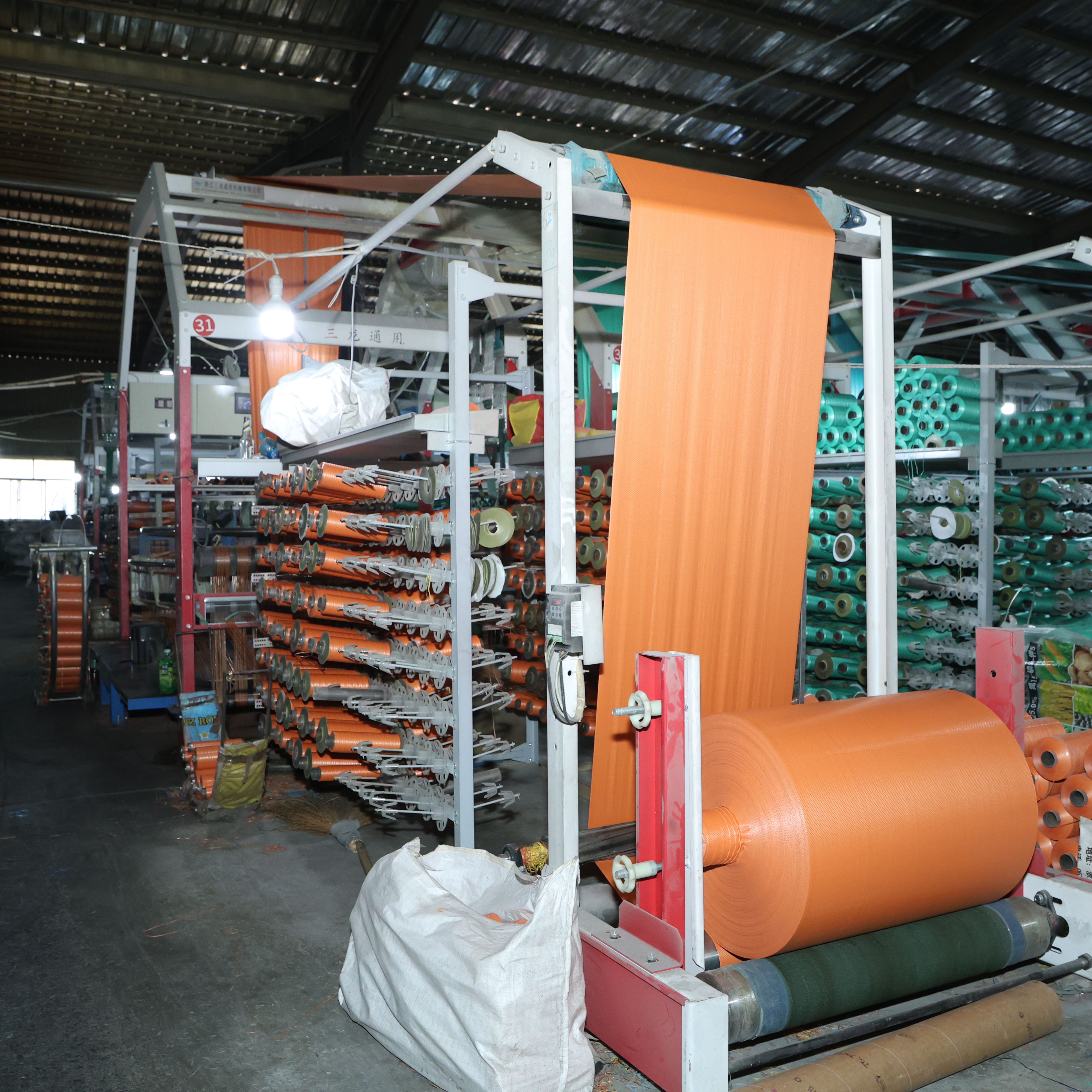
Filling operations represent one of the most critical stages in the manufacturing cycle for industrial packaging, and PE Lined woven bags introduce specific operational challenges that facility managers and packaging engineers must address proactively. When your production lines encounter performance issues with pe liner bag systems, the root causes often stem from material compatibility, temperature dynamics, static buildup, or improper sealing configurations rather than fundamental bag design flaws. Understanding these common problems ensures smoother operations, reduces waste, and prevents costly downtime across your filling infrastructure.
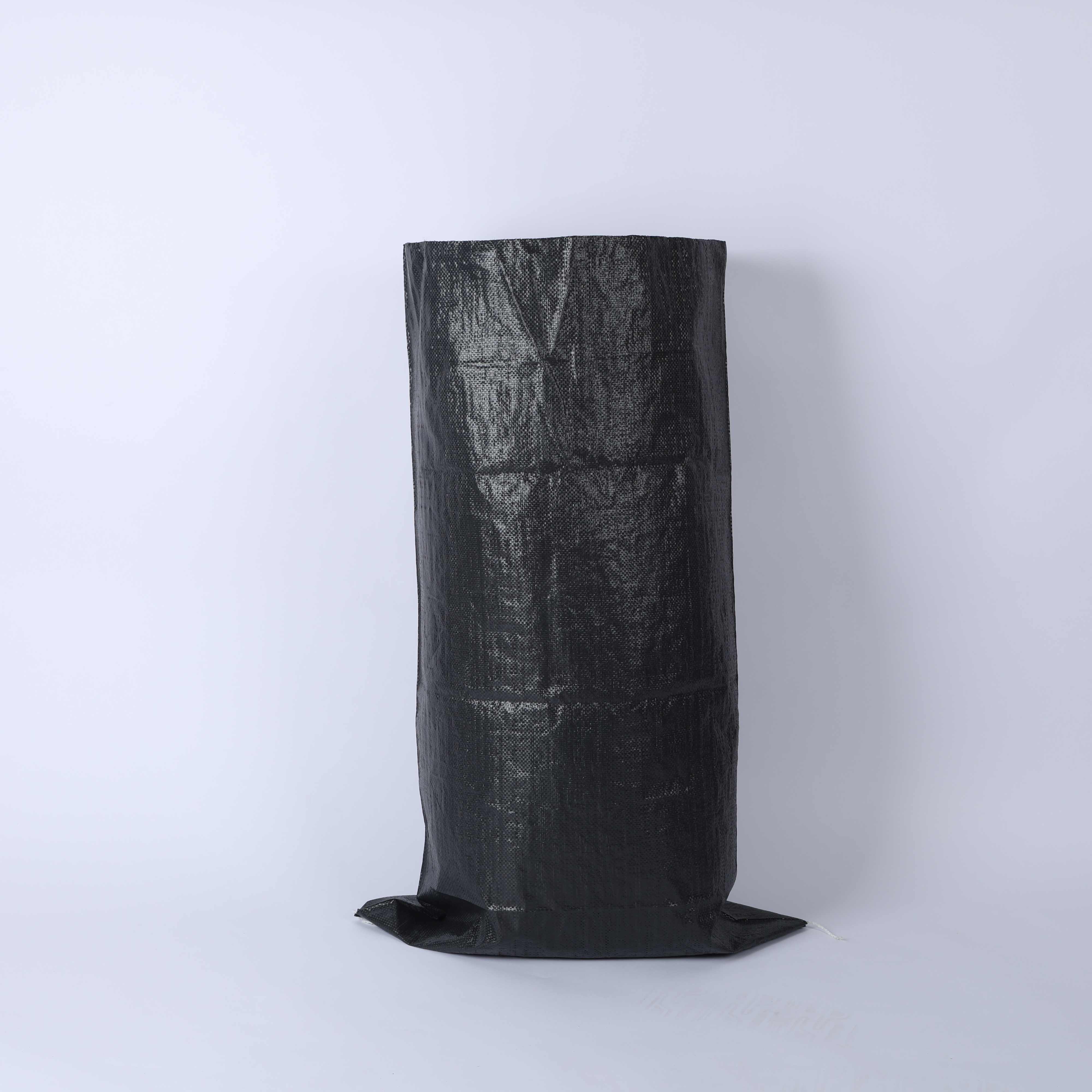
The pe lined woven bag has become a cornerstone solution for moisture-sensitive applications across agriculture, chemicals, and food processing sectors. However, the integration of polyethylene liners with polypropylene woven substrates creates a two-layer system that demands careful handling during filling, coding, and sealing phases. When problems emerge on your line, they typically cluster around seal integrity, static discharge, moisture barrier bag degradation under heat, or mechanical stress points that the PP PE composite bag structure cannot adequately distribute. This article explores the most prevalent issues encountered during filling operations and provides practical guidance for resolution.
One of the most frequent complaints from operators running pe lined woven bag filling systems involves inconsistent seal formation, particularly when sealing equipment applies insufficient heat or pressure. The moisture barrier bag construction means that heat must travel through the outer polypropylene layer and then melt the inner PE liner layer at precisely the right moment, without scorching or thinning the surrounding material. When your sealing bars reach inadequate temperatures, the inner liner fails to fuse properly, leaving microscopic gaps that compromise the moisture barrier bag performance over the product's shelf life.
Temperature calibration becomes essential when operating pe liner bag filling lines at high speeds. Many facilities discover that their existing sealing equipment, designed for standard woven bags, requires parameter adjustments when integrated with thicker or multi-layer constructions. Manufacturers recommend validating seal strength through regular peel tests and pressure profile monitoring to catch temperature drift before full-scale rejections occur. Inconsistent environmental humidity levels can also influence seal quality; ambient moisture can deposit on the pp pe composite bag surface immediately before sealing, creating contamination that prevents adhesion.
Excessive heat applied during filling operations can warp or degrade the polyethylene liner inside pe lined woven bags, particularly in high-speed automatic lines where dwell time under heat is extended. The pe liner bag inner layer typically melts between 105°C and 120°C, but sustained exposure above this range causes the polymer chain structure to break down, reducing tensile strength and creating brittleness that manifests as micro-cracks during product storage or transport. When your moisture barrier bag sustains thermal damage during sealing, the protective quality deteriorates even though the seal appears visually intact.
Reducing heat duration while maintaining adequate temperature is the practical solution here. Modern filling lines equipped with pulsed or infrared sealing technology allow operators to apply heat for shorter intervals, achieving proper fusion without prolonged thermal stress on the pp pe composite bag structure. Regular maintenance of heat sealing equipment ensures that contact surfaces remain clean and uniform, preventing localized hot spots that concentrate thermal stress.
The pe liner bag structure creates a natural capacitor due to the combination of conductive and insulative materials layered together. During filling operations, particularly with powdered or granular products, friction between the material and the pe lined woven bag interior generates static charge that accumulates on the liner surface. This static buildup represents a genuine safety concern when filling explosive or highly reactive products, and it also causes operational problems including product sticking to bag walls, which creates uneven filling and weight inconsistencies.
Static discharge can also damage sensitive product formulations or trigger unexpected reactions in chemical processing environments. When your moisture barrier bag accumulates excessive charge, it may attract dust particles, contaminating the internal surface and compromising product purity. To mitigate static hazards with pp pe composite bag systems, implement grounding straps on filling equipment, maintain proper humidity levels in the filling environment, and consider static-dissipative coatings or additives in the pe liner bag material.
Installing ionization bars or static-dissipative equipment upstream of your sealing station provides active charge neutralization as pe lined woven bags progress through the line. This approach proves especially valuable in dry climates where ambient humidity remains below 40%, creating conditions where static generation accelerates. Modern facilities operating high-volume pe liner bag production lines increasingly incorporate these technologies as standard equipment rather than optional add-ons.
When products do not distribute evenly throughout the pe lined woven bag cavity, localized stress concentrates at pressure points during sealing, causing the moisture barrier bag integrity to fail at those weak zones. Fine powders or materials with low flowability tend to clump against the pe liner bag walls rather than settling uniformly, creating bulges that interfere with top closure machinery. This uneven distribution reduces the effective surface area available for the seal, meaning your sealing jaws may only contact 60 to 70 percent of the intended seal line instead of the full 100 percent.
Solving this requires examining your product vibration settings and fill head designs. Many pp pe composite bag issues trace back to inadequate vibration during the filling phase; increasing vibration frequency slightly helps products settle more uniformly into the bag. Additionally, ensuring your fill nozzles position correctly relative to the bag opening prevents splashing or overflow that damages the internal pe liner surface before sealing can occur.
The fundamental purpose of a moisture barrier bag is to protect sensitive contents from atmospheric humidity and environmental contamination. When your pe lined woven bag seals fail during filling operations, moisture ingress begins immediately, potentially rendering the entire batch unsuitable for distribution within weeks. The pp pe composite bag design assumes intact seals; any compromise allows water vapor transmission rates to climb drastically above the specified performance envelope.
Regular permeability testing using standard ASTM methods reveals whether your pe liner bag production batches maintain their moisture barrier capabilities. Some facilities implement inline quality control sampling where completed bags are stored in high-humidity chambers for 48 hours, then inspected for internal moisture accumulation. This proactive approach catches systematic sealing problems before they reach end customers.
Seal failure typically stems from inadequate sealing temperature, uneven product distribution creating pressure imbalances, static electricity interference, or contamination on the bag surface preventing proper liner fusion. Temperature calibration and grounding measures resolve most cases. Regular peel testing and pressure profile monitoring identify these issues early in production runs.
The layered construction of a pe lined woven bag creates an effective capacitor where static charge accumulates during friction with filling materials. This buildup poses safety risks and causes product adhesion to interior walls, leading to weight inconsistencies. Installing ionization equipment and grounding straps neutralizes charge while maintaining proper ambient humidity reduces static generation in the production environment.
Excessive heat degrades the polyethylene liner, compromising the moisture barrier bag's protective capabilities even if the seal appears visually intact. Using pulsed or infrared sealing technology that applies heat for shorter intervals prevents thermal damage while achieving proper fusion. Regular maintenance and temperature validation ensure your pp pe composite bag production maintains consistent moisture protection specifications.

Discover the 4 critical production metrics—throughput, defect rate, equipment uptime & on-time delivery—to vet factories confidently.

Ensure regulatory compliance & worker safety with proven methods for chemical woven bags—material selection, labeling, storage & training.

Discover the full PP woven bag manufacturing workflow—from extrusion & weaving to printing & QC. Boost efficiency, compliance & ROI. Download the process guide now.

Struggling with weak bags or high material waste? Master extrusion and tape drawing tech for stronger, cheaper PP woven bags. Optimize your production line now.

Struggling with defects or customer returns? Discover the 5 non-negotiable quality checkpoints across your woven bag production line
Which automation tier is right for your PP woven bag factory? Compare manual to Industry 4.0 systems for cost, quality, and scalability.
Get in touch for details on polypropylene woven bags and flexible packaging solutions.
Tel
Address
No.2015, Liaoyuan Building, Lanshan District, Linyi City, Shandong Province.China

