 EN
How to Assess Production Efficiency at a PP Woven Bag Factory
Discover the 4 critical production metrics—throughput, defect rate, equipment uptime & on-time delivery—to vet factories confidently.

2026/08/27
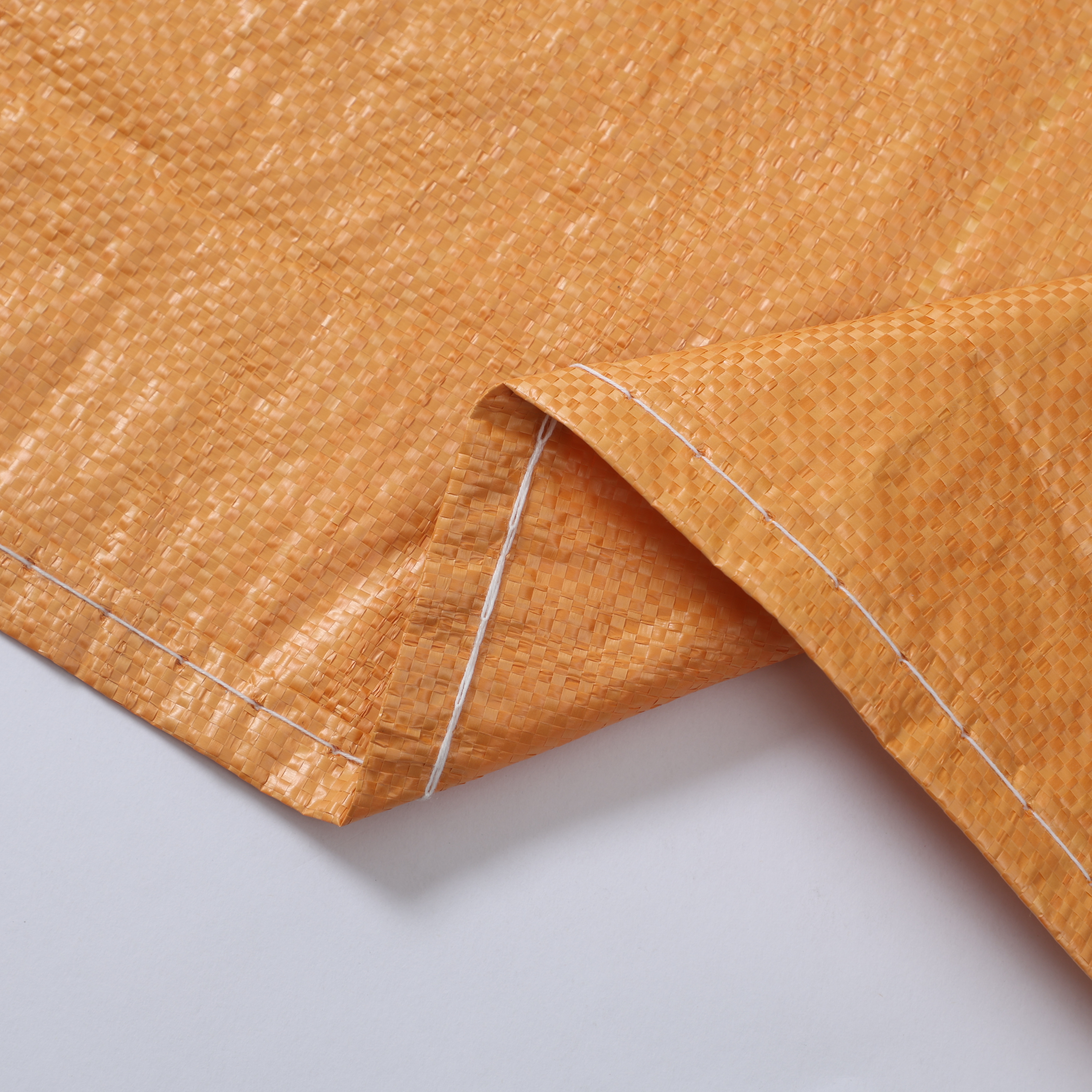
Loading failures represent one of the most costly operational challenges in industrial packaging. When a pp woven bag ruptures, splits, or deteriorates during the loading process, businesses face inventory loss, production delays, and increased logistics costs. Understanding the root causes of these failures and implementing targeted prevention strategies is essential for companies that depend on polypropylene woven packaging for grain, agricultural commodities, chemicals, and bulk materials.
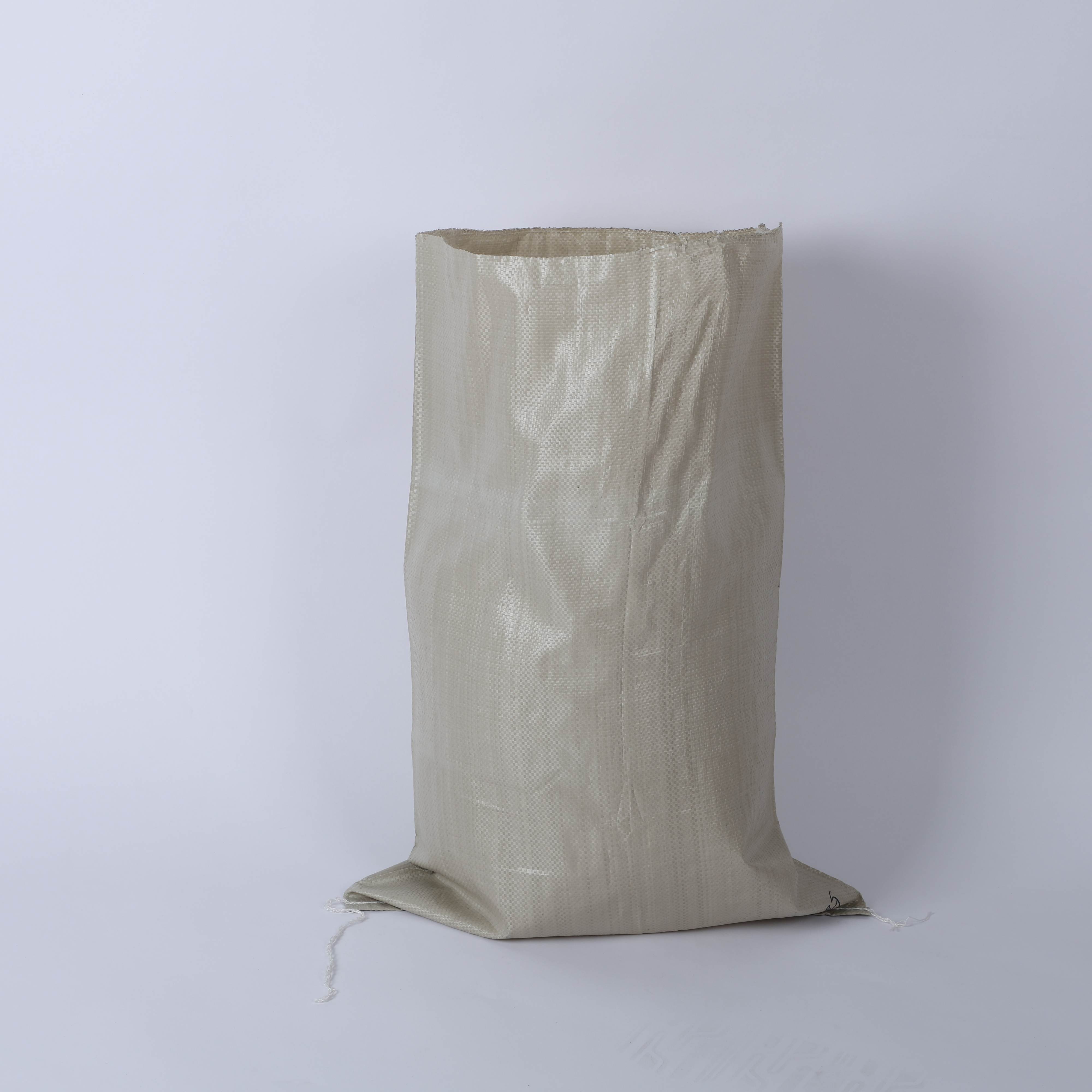
Modern supply chains rely heavily on woven polypropylene packaging because of its strength, cost-effectiveness, and durability. However, loading remains a critical vulnerability point where structural integrity is compromised. The transition from stationary storage to dynamic movement creates mechanical stress that many operations underestimate. By identifying failure mechanisms early and adopting best practices, facility managers and logistics teams can minimize waste, reduce operational risk, and maintain consistent quality throughout the handling cycle.
Mechanical stress occurs when pp woven sacks experience sudden impact, friction, or excessive pressure during loading procedures. Heavy objects dropped onto bags, aggressive conveyor systems, or improper stacking techniques generate concentrated force that exceeds the material's designed load tolerance. Polypropylene woven bag construction relies on a precise balance of yarn tension and weave density; when this balance is disrupted by shock, localized weak points develop rapidly.
The pp bulk bag material itself is resilient under normal conditions, but impact stress creates micro-fractures in the weave structure. These fractures remain invisible initially but expand during subsequent handling, leading to sudden seam separation or bag rupture. Loading zones with hard concrete floors, metal equipment edges, or sharp contact points accelerate this degradation significantly.
Environmental moisture represents an often-overlooked threat to polypropylene woven packaging integrity. When woven polypropylene packaging absorbs moisture from humid loading environments, the material's tensile strength decreases noticeably. Water infiltration weakens the polymer chains within the fibers, making the pp woven bag more susceptible to tearing and seam failure.
Moisture also accelerates chemical interactions with certain product types, particularly fertilizers, agricultural chemicals, and salt-based materials. This compound effect reduces the effective lifespan of the bag during loading and transit. Temperature fluctuations in loading bays compound moisture problems by creating condensation that collects inside and outside the pp bulk bag simultaneously.
Preventing failures begins with careful selection and maintenance of loading equipment. Conveyor systems should feature smooth, cushioned transfer points rather than abrupt drops or metal edges that contact pp woven sacks directly. Operators must be trained to minimize impact velocity during bag placement, using controlled descent methods that distribute weight gradually across the woven polypropylene packaging surface.
Stacking order matters significantly for pp bulk bag protection. Heavy bags should be positioned at the base with progressively lighter loads above, rather than inverted arrangements that concentrate pressure unevenly. Loading sequences should follow documented procedures that account for each pp woven bag's position, ensuring no single bag bears disproportionate mechanical stress. Regular equipment audits identify worn components, damaged corners, or sharp surfaces that compromise material integrity.
Loading environments require climate management to minimize moisture absorption into polypropylene woven packaging. Covered loading docks with ventilation systems reduce humidity exposure and prevent condensation buildup. PP woven bags should be stored on elevated pallets rather than directly on concrete, which wicks moisture and promotes degradation.
Temperature stability in loading zones prevents thermal shock that stresses pp bulk bag seams and welds. Avoiding extreme heat or cold during the loading window maintains material elasticity and reduces brittleness. Storage areas should incorporate desiccant systems or dehumidifiers where moisture levels consistently exceed recommended thresholds for woven polypropylene packaging preservation.
Selecting high-quality pp woven sacks from reputable suppliers ensures consistent construction standards that withstand industrial loading demands. Bags with reinforced seams, increased yarn density, or specialized lining materials offer enhanced protection for sensitive products. Pre-loading inspection routines should evaluate each pp woven bag for existing damage, improper seals, or structural irregularities before loading begins.
Documentation of failure patterns helps facility managers predict risk scenarios and adjust procedures proactively. Tracking which products, loading conditions, or equipment correlations produce the most bag failures allows for targeted improvements to polypropylene woven packaging specifications. Some operations benefit from transitioning to reinforced pp bulk bag options specifically engineered for high-stress loading environments.
Personnel training represents one of the most cost-effective failure prevention methods available. Operators who understand how mechanical stress damages pp woven bags make better real-time decisions during loading. Comprehensive training should cover proper handling techniques, recognition of bag defects, and emergency protocols for preventing further damage when issues arise.
Regular refresher training maintains awareness as equipment and procedures evolve. Performance metrics tied to bag integrity encourage staff engagement with prevention objectives. When workers understand that reducing woven polypropylene packaging failures directly improves operational efficiency and job security, participation in quality initiatives increases substantially.
Monitoring loading performance data identifies systematic issues before they escalate into major problems. Tracking failure rates by loading method, equipment type, product category, and environmental conditions reveals patterns that guide preventive investments. For instance, data might show that pp bulk bag failures spike under specific humidity ranges or when loading velocity exceeds particular thresholds.
Modern facilities increasingly adopt sensors and monitoring systems that provide real-time feedback on loading conditions. These systems alert operators when mechanical stress approaches dangerous levels, allowing immediate adjustment before pp woven sacks are damaged. Predictive analytics applied to historical failure data help operations schedule maintenance or upgrade loading infrastructure before failures cascade.
The primary causes are mechanical impact stress from drops or friction, moisture infiltration that weakens polypropylene fibers, and improper stacking that concentrates pressure unevenly. Environmental humidity and temperature fluctuations compound these issues by reducing material elasticity. High-velocity loading procedures and contact with sharp equipment edges accelerate pp woven sack deterioration significantly.
Moisture absorption reduces the tensile strength of woven polypropylene fibers, making pp bulk bags more prone to tearing and seam separation. Water infiltration weakens polymer chains within the material structure and can trigger chemical reactions with certain product types. Humidity exposure is particularly damaging in loading bays where bags transition between different temperature zones, creating condensation that compounds degradation effects.
Installing cushioned transfer points on conveyors, reducing drop heights, and adding padding to sharp contact surfaces all protect pp woven sacks during loading. Elevated storage pallets prevent moisture wicking from concrete floors. Climate control systems with dehumidifiers and ventilation maintain optimal environmental conditions for polypropylene woven bag preservation throughout the loading process.

Discover the 4 critical production metrics—throughput, defect rate, equipment uptime & on-time delivery—to vet factories confidently.

Ensure regulatory compliance & worker safety with proven methods for chemical woven bags—material selection, labeling, storage & training.

Discover the full PP woven bag manufacturing workflow—from extrusion & weaving to printing & QC. Boost efficiency, compliance & ROI. Download the process guide now.

Struggling with weak bags or high material waste? Master extrusion and tape drawing tech for stronger, cheaper PP woven bags. Optimize your production line now.

Struggling with defects or customer returns? Discover the 5 non-negotiable quality checkpoints across your woven bag production line
Which automation tier is right for your PP woven bag factory? Compare manual to Industry 4.0 systems for cost, quality, and scalability.
Get in touch for details on polypropylene woven bags and flexible packaging solutions.
Tel
Address
No.2015, Liaoyuan Building, Lanshan District, Linyi City, Shandong Province.China

