 EN
How to Assess Production Efficiency at a PP Woven Bag Factory
Discover the 4 critical production metrics—throughput, defect rate, equipment uptime & on-time delivery—to vet factories confidently.

2026/09/01
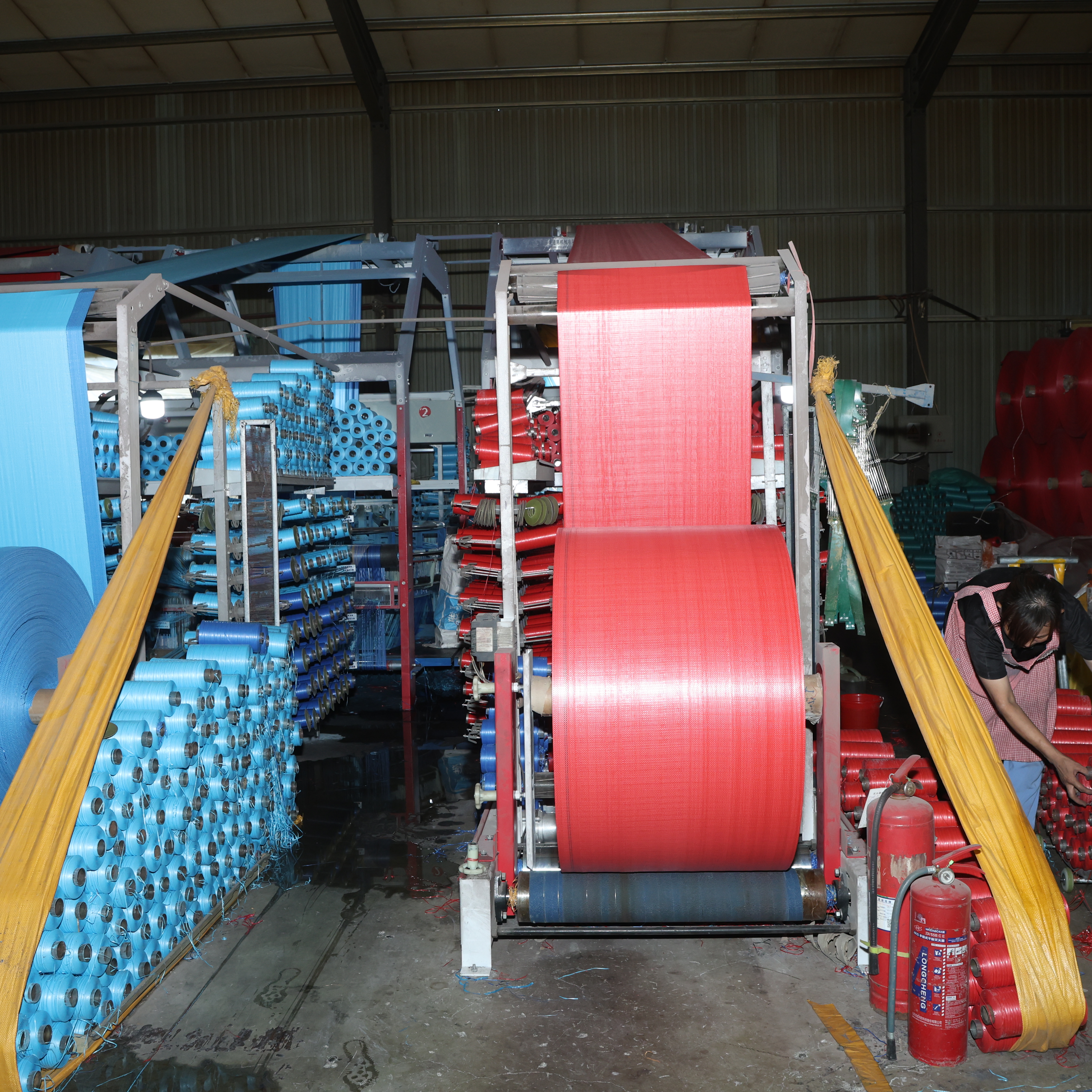
Auditing a PP woven bag production facility requires precision, knowledge, and a structured approach. Many procurement professionals and quality managers make preventable mistakes during facility inspections that compromise their ability to assess production capabilities, quality standards, and compliance. These errors can lead to partnering with inadequate suppliers, missing critical quality issues, or failing to verify that a PP woven bag manufacturer meets your operational and regulatory requirements. Understanding the most common pitfalls during facility audits helps you conduct more effective inspections and make better sourcing decisions.
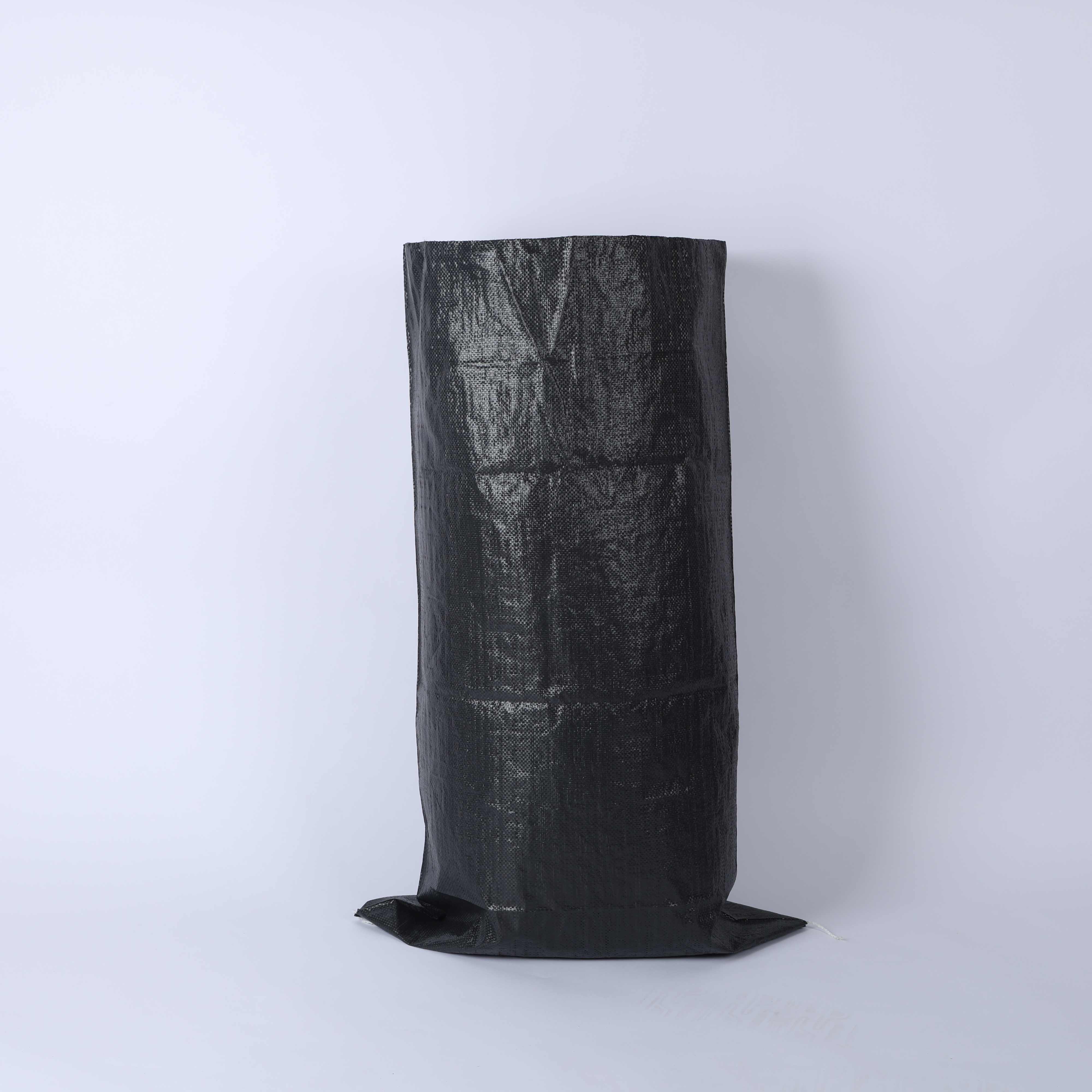
When evaluating a woven bag factory or any pp bag production operation, auditors often lack a clear audit framework, fail to review production records beforehand, or skip critical verification steps. A proper facility audit goes beyond a surface-level walkthrough. It demands investigation into equipment maintenance, raw material sourcing, production documentation, quality testing capabilities, worker training, and environmental compliance. By recognizing these mistakes upfront, you position your organization to identify red flags early, validate claims made by woven bag suppliers, and establish stronger partnerships with reliable manufacturers.
Many auditors arrive at a woven bag factory without sufficient preparation, expecting to learn everything during the visit. This approach wastes audit time and leads to missed insights. Before stepping onto the production floor, effective auditors review the supplier's certifications, previous quality reports, customer complaints, capacity claims, and product specifications. If you are evaluating a custom pp woven bag manufacturer, request their process documentation, production capacity statements, quality control procedures, and machinery inventory in advance.
Pre-audit preparation also involves setting clear audit objectives. Are you verifying production capacity for pp bag production? Checking compliance with food safety standards? Assessing worker safety practices? Each focus area requires different questions and observation points. Without clarity, your facility inspection becomes reactive rather than strategic. Prepare a detailed audit checklist aligned with your business requirements. This ensures you cover all critical areas and can compare findings objectively across multiple woven bag supplier candidates.
A PP woven bag manufacturer's past performance often signals future reliability. Yet many auditors neglect to review complaint records, delivery history, defect rates, and previous audit reports before the facility visit. Request samples of products previously supplied to other customers. Ask for quality metrics from the last 12 months. If a woven bag factory shows a pattern of late shipments or rising defect rates, these trends warrant deeper investigation during your on-site audit. Ignoring historical data means you may overlook chronic issues and repeat the mistakes of previous customers.
Many auditors observe machinery without understanding its actual condition or maintenance history. Worn rollers, misaligned extrusion systems, or poorly maintained heat-sealing equipment directly impact product quality and consistency. When auditing pp bag production facilities, inspect equipment for visible wear, check maintenance logs for regular servicing, and ask operators about common failure patterns. A professional woven bag factory maintains detailed equipment maintenance records. If records are incomplete, vague, or unavailable, this is a significant red flag indicating inadequate operational discipline.
Ask the facility manager about mean time between failures (MTBF) for critical equipment, spare parts inventory, and technician qualifications. Inquire whether the woven bag supplier has preventive maintenance schedules or operates reactively. Equipment downtime directly affects delivery schedules and product consistency. A custom pp woven bag manufacturer that invests in proactive maintenance demonstrates commitment to reliability. Conversely, facilities operating without preventive protocols are high-risk partners prone to production delays and quality inconsistencies.
Auditors often assume a pp bag production facility possesses adequate quality testing equipment without verification. Ask to see tensile testing machines, moisture meters, thickness gauges, and color measurement devices. Inspect calibration certificates to confirm that testing equipment meets required accuracy standards. A credible woven bag factory maintains current calibration records and can demonstrate traceability. If testing equipment is absent or outdated, product quality claims become unreliable. This mistake is particularly costly if you require bags meeting specific tensile strength, UV resistance, or moisture barrier specifications.
The raw material quality directly determines finished product performance. Yet many auditors skip material verification, focusing only on production processes. When visiting a custom pp woven bag manufacturer, examine the raw polypropylene supplier relationship. Does the woven bag factory maintain material specifications, test incoming materials, or rely solely on supplier certificates? Request samples of materials used in recent production batches. Ask about material sourcing decisions and whether the supplier maintains redundant material sources to ensure supply continuity.
A professional PP woven bag manufacturer establishes clear material standards, performs incoming quality inspections, and maintains approved supplier lists. Conversely, facilities with loose material controls are vulnerable to quality fluctuations and cannot guarantee consistent product performance. Inspect storage areas for proper environmental conditions, material rotation practices, and contamination prevention. Poor material handling practices compromise even well-executed production processes. By verifying raw material management, you gain confidence that a woven bag supplier maintains product integrity from the material sourcing stage through final packaging.
Many woven bag factories lack adequate batch tracking and material traceability systems. This represents a serious operational deficiency. Ask the pp bag production facility to trace a specific finished product back to its raw material batch. Can they identify which polypropylene supplier provided material for a particular shipment? Can they retrieve production records showing processing conditions? A capable woven bag factory maintains digital or paper-based systems enabling rapid product traceability. Without traceability, quality investigations become impossible, and you cannot identify root causes if product failures occur in the field.
Auditors frequently observe final product testing without verifying in-process quality checks. A comprehensive audit of a pp bag production operation includes assessment of multiple testing stages. Does the woven bag supplier conduct visual inspections during weaving? Are seam strengths tested on finished bags? Does the custom pp woven bag manufacturer perform random destructive testing to verify bag performance? Request test data from the past month and observe actual testing procedures during your facility visit.
Ask the PP woven bag manufacturer about their acceptable quality limits (AQL) and whether testing follows recognized standards such as ASTM or ISO specifications. If the facility operates without defined quality standards, this is a critical deficiency. Professional woven bag factories document testing results, maintain statistical control charts, and adjust processes when trends appear. By verifying testing practices during your audit, you confirm that the woven bag supplier operates disciplined quality systems rather than hoping products meet requirements.
Many auditors overlook environmental and workplace safety practices, focusing only on production quality. This mistake exposes your organization to reputational and legal risks. Inspect the pp bag production facility for proper ventilation in processing areas, chemical storage safety, waste disposal practices, and worker protective equipment compliance. Ask about environmental permits and regulatory compliance documentation. A responsible woven bag factory maintains safe working conditions, manages emissions appropriately, and complies with local regulations. If you discover safety violations or environmental negligence, this signals broader operational and cultural issues that extend beyond production quality.
The most critical audit areas include equipment condition and maintenance practices, raw material sourcing and testing, in-process quality controls, final product testing protocols, production documentation and traceability systems, worker training and safety compliance, and environmental compliance. Each area directly impacts your ability to assess whether a woven bag supplier can consistently deliver products meeting your specifications. Comprehensive evaluation across these areas prevents costly partnerships with inadequate manufacturers.
Request documented quality metrics from the past 12 months, including defect rates, test results, and customer complaint records. During your facility visit to the pp bag production site, observe actual testing procedures, inspect testing equipment calibration certificates, and ask technicians about quality protocols. Review statistical control data and ask how the custom pp woven bag manufacturer responds when quality trends shift. Professional facilities maintain transparent quality documentation and demonstrate continuous improvement practices.
Request certifications, capacity statements, process documentation, equipment inventory, maintenance records, quality control procedures, material supplier lists, traceability systems, safety compliance records, and environmental permits. Ask for samples of recent production batches and historical test data. Obtain contact information for existing customers willing to discuss their experience. This pre-audit information enables you to prepare specific questions, verify claims, and structure your facility inspection efficiently, ensuring your audit of the PP woven bag manufacturer is thorough and well-informed.

Discover the 4 critical production metrics—throughput, defect rate, equipment uptime & on-time delivery—to vet factories confidently.

Ensure regulatory compliance & worker safety with proven methods for chemical woven bags—material selection, labeling, storage & training.

Discover the full PP woven bag manufacturing workflow—from extrusion & weaving to printing & QC. Boost efficiency, compliance & ROI. Download the process guide now.

Struggling with weak bags or high material waste? Master extrusion and tape drawing tech for stronger, cheaper PP woven bags. Optimize your production line now.

Struggling with defects or customer returns? Discover the 5 non-negotiable quality checkpoints across your woven bag production line
Which automation tier is right for your PP woven bag factory? Compare manual to Industry 4.0 systems for cost, quality, and scalability.
Get in touch for details on polypropylene woven bags and flexible packaging solutions.
Tel
Address
No.2015, Liaoyuan Building, Lanshan District, Linyi City, Shandong Province.China

