 EN
How to Assess Production Efficiency at a PP Woven Bag Factory
Discover the 4 critical production metrics—throughput, defect rate, equipment uptime & on-time delivery—to vet factories confidently.

2026/08/27
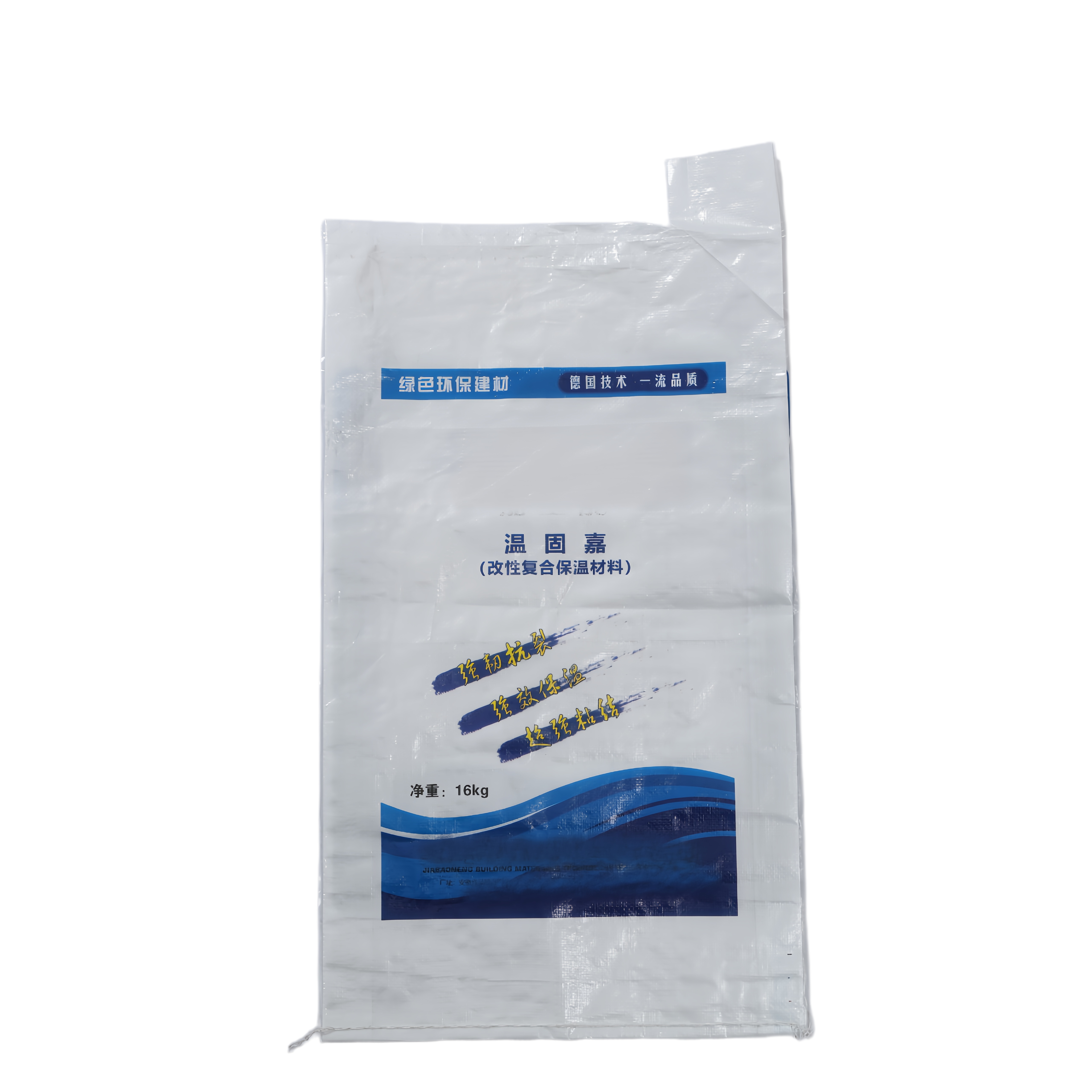
Specifying custom woven bags requires precision and attention to detail. Many organizations overlook critical factors during the specification phase, resulting in products that fail to meet operational needs, exceed budgets, or arrive too late for deployment. These mistakes range from vague material descriptions to inadequate quality control parameters. Understanding common pitfalls helps procurement teams, manufacturers, and supply chain managers avoid expensive rework and ensure the custom printed woven bag solution delivers expected performance.
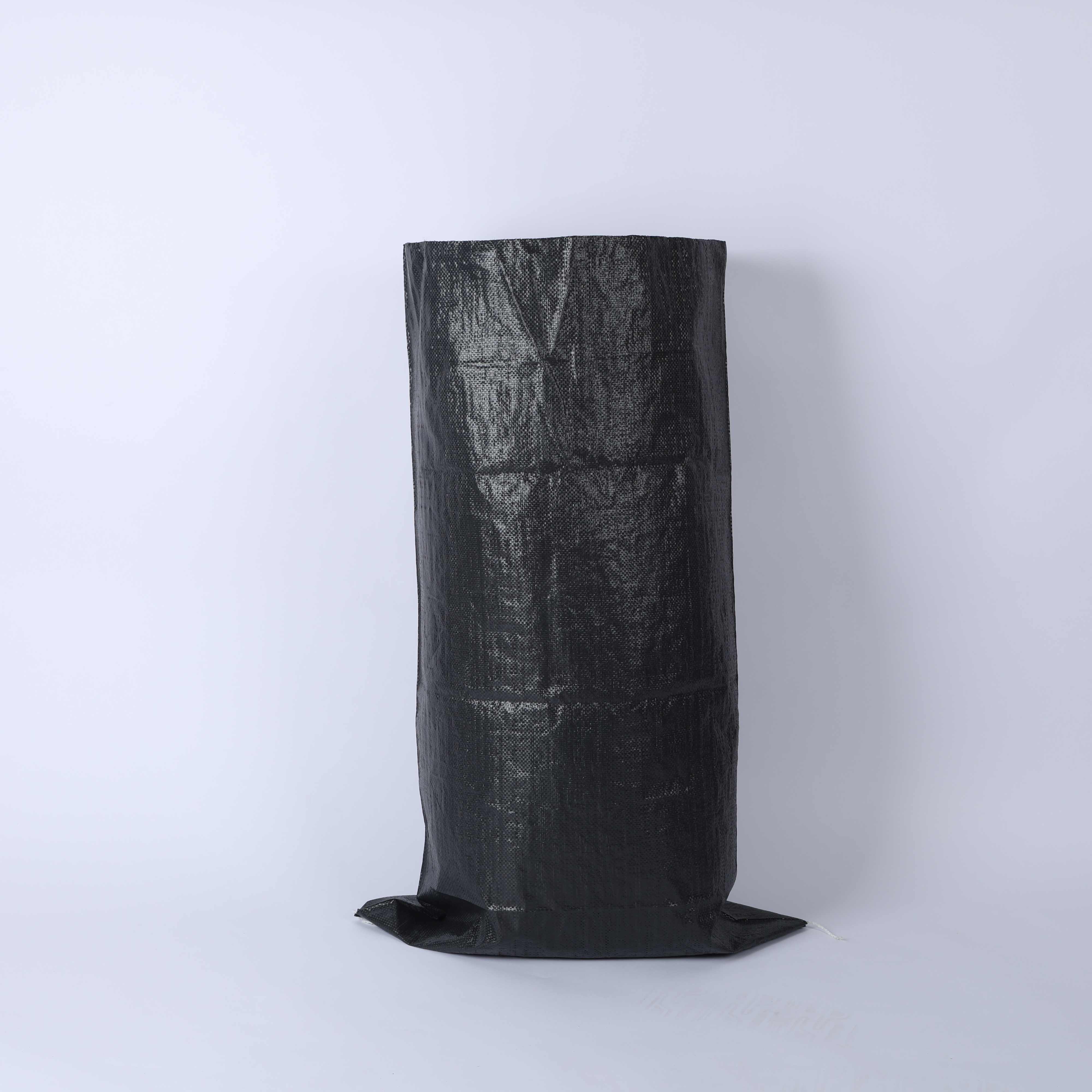
The process of ordering a personalized pp bag or any custom packaging solution demands thorough planning and clear communication with suppliers. Mistakes made early in specification often cascade through production, quality testing, and delivery phases. This article identifies the most frequent specification errors, explains their business impact, and provides practical guidance to strengthen your procurement process and ensure successful outcomes.
One of the most common mistakes is failing to specify exact material composition and grade. Buyers often request 'polypropylene woven bags' without clarifying whether they need virgin resin, recycled content, or a blend. Material quality directly affects durability, barrier properties, and cost. A personalized pp bag specified without resin grade details may arrive with inferior UV resistance, leading to product degradation in outdoor storage. Suppliers need explicit instructions about resin type, additives for UV protection, and whether the custom packaging solution requires food-grade or industrial-grade specifications.
Weight specifications are equally critical. Buyers frequently forget to define grams per square meter (GSM) or total bag weight, assuming suppliers will choose appropriate values. This ambiguity leads to mismatches between customer expectations and delivered products. A custom woven bags specification should clearly state whether you need lightweight bags for non-food items or heavy-duty construction for agricultural or industrial use. Missing this detail can result in bags too flimsy for their intended purpose or unnecessarily expensive over-engineered products that inflate your per-unit cost and reduce profitability.
Specifications for a custom printed woven bag often fail to address print quality standards, color matching, and durability requirements. Buyers may describe branding needs without defining whether flexographic printing, rotogravure, or digital printing is required. Print location, registration tolerance, and adhesion standards are frequently overlooked. These omissions lead to printed designs that fade quickly, smudge during handling, or display poor color accuracy compared to artwork samples. Your custom packaging solution should explicitly require color tolerance levels, minimum print durability standards, and testing methods like rubbing resistance or UV fade testing.
Another significant mistake involves inadequate design file specifications. Buyers often provide artwork in unsuitable formats, incorrect color modes, or at insufficient resolution. Suppliers then make assumptions that may not align with your brand standards. A tailored woven sack specification should mandate file formats, color space requirements (CMYK for printing), minimum resolution (typically 300 DPI), and precise placement dimensions. This clarity prevents costly reprinting and ensures your branded bags reflect your brand identity accurately from the first production run.
Many specification documents lack defined quality control standards and acceptance criteria. Buyers assume suppliers understand industry norms, but this often leads to disputes over what constitutes acceptable quality. Custom woven bags should include specifications for tensile strength, seam strength, and tear resistance with measurable thresholds. Your custom packaging solution should detail sampling methodology, acceptable defect percentages, and third-party testing requirements if applicable. Without these metrics, disputes arise after delivery when bags fail to meet hidden expectations, and remedying the situation becomes costly and time-consuming.
Specifications frequently omit testing protocols and certification needs for custom printed woven bags. Food-contact applications may require food-safety certifications, while export markets may demand specific compliance standards. A tailored woven sack for hazardous materials or regulated industries requires clear documentation of compliance testing. Your specification should identify which third-party tests are required, provide target test results, and define how suppliers must document and report compliance. Missing these requirements can result in products that cannot be legally used, requiring complete replacement orders and supply chain disruption.
Unclear dimensional specifications create operational challenges when custom woven bags arrive. Buyers often list dimensions without distinguishing between flat lay measurements and functional fill capacity. A bag specified as 50 cm × 80 cm may perform quite differently depending on whether those measurements reflect the flat width and height or the gusseted dimensions when filled. Your custom packaging solution should explicitly state whether dimensions are flat or expanded, specify gusset depth, and include fill weight or volume capacity. This clarity prevents receiving bags that look right but perform poorly during actual filling, storage, and transportation.
Specifications for a personalized pp bag frequently overlook handle strength, attachment method, and feature placement. Handles can be woven-in, heat-sealed, or reinforced with additional tape, each offering different durability and cost profiles. Buyers should specify handle construction, placement distance from the top, and minimum break strength for handles in their custom printed woven bag orders. Gusset design, ventilation holes, and closure methods also require explicit definition. Without these details, received bags may have handles positioned awkwardly, insufficient strength for intended use, or missing features that are critical for your supply chain operations.
Many buyers underestimate lead times for custom woven bags production, particularly when significant customization is involved. Specification errors compound this problem because suppliers require clarification cycles that extend timelines further. Your custom packaging solution specification should acknowledge realistic production windows, clearly communicate required delivery dates, and build in buffer time for quality inspections. Suppliers need explicit information about urgency, minimum order quantities, and any time-sensitive compliance or certification testing. Vague urgency statements like 'needed soon' create confusion and may result in rushed production that compromises quality or inflated expediting costs.
Specifications often fail to address minimum order quantity requirements for a tailored woven sack with custom specifications. First production runs typically require higher minimums to justify setup costs, especially for custom printed woven bags with unique designs. Buyers who fail to anticipate these minimums may face surprises that disrupt purchasing plans. Your specification should research typical MOQ requirements based on customization level, confirm with suppliers early, and plan inventory accordingly. Understanding these constraints during the specification phase prevents unpleasant surprises and allows better demand forecasting and supply chain planning across your organization.
The most critical specifications include material composition and GSM weight, exact dimensions and gusset details, print quality standards and design file requirements, tensile and seam strength targets, and any required certifications or compliance testing. Each of these directly impacts whether the custom packaging solution performs as intended and meets regulatory or operational requirements. Omitting any of these core parameters typically results in delivered products that do not meet expectations or cannot be used as planned.
Disputes arise when quality expectations remain implicit rather than explicit. Define specific measurable criteria such as tensile strength minimums, acceptable defect percentages, print adhesion standards, and color tolerance ranges. Require samples or pre-production approvals before full manufacturing runs commence. Include third-party testing protocols if your supply chain or regulatory environment requires it. Clearly state inspection methodology, sampling size, and what happens if quality thresholds are not met. This transparency prevents misunderstandings and provides objective grounds for quality disputes if they do occur.
Lead times extend when specifications lack detail because suppliers must request clarification on ambiguous requirements, adding weeks to the timeline. Complex customization like multi-color printing, specialized handles, or compliance testing requires longer production windows than standard offerings. Additionally, rushed specifications often contain errors that require corrective production cycles or rework. Planning realistically, providing complete specifications upfront, and communicating clear deadlines during the quotation phase helps suppliers provide accurate lead times and reduces likelihood of delays caused by specification ambiguity.

Discover the 4 critical production metrics—throughput, defect rate, equipment uptime & on-time delivery—to vet factories confidently.

Ensure regulatory compliance & worker safety with proven methods for chemical woven bags—material selection, labeling, storage & training.

Discover the full PP woven bag manufacturing workflow—from extrusion & weaving to printing & QC. Boost efficiency, compliance & ROI. Download the process guide now.

Struggling with weak bags or high material waste? Master extrusion and tape drawing tech for stronger, cheaper PP woven bags. Optimize your production line now.

Struggling with defects or customer returns? Discover the 5 non-negotiable quality checkpoints across your woven bag production line
Which automation tier is right for your PP woven bag factory? Compare manual to Industry 4.0 systems for cost, quality, and scalability.
Get in touch for details on polypropylene woven bags and flexible packaging solutions.
Tel
Address
No.2015, Liaoyuan Building, Lanshan District, Linyi City, Shandong Province.China

