 EN
How to Assess Production Efficiency at a PP Woven Bag Factory
Discover the 4 critical production metrics—throughput, defect rate, equipment uptime & on-time delivery—to vet factories confidently.

2026/09/07
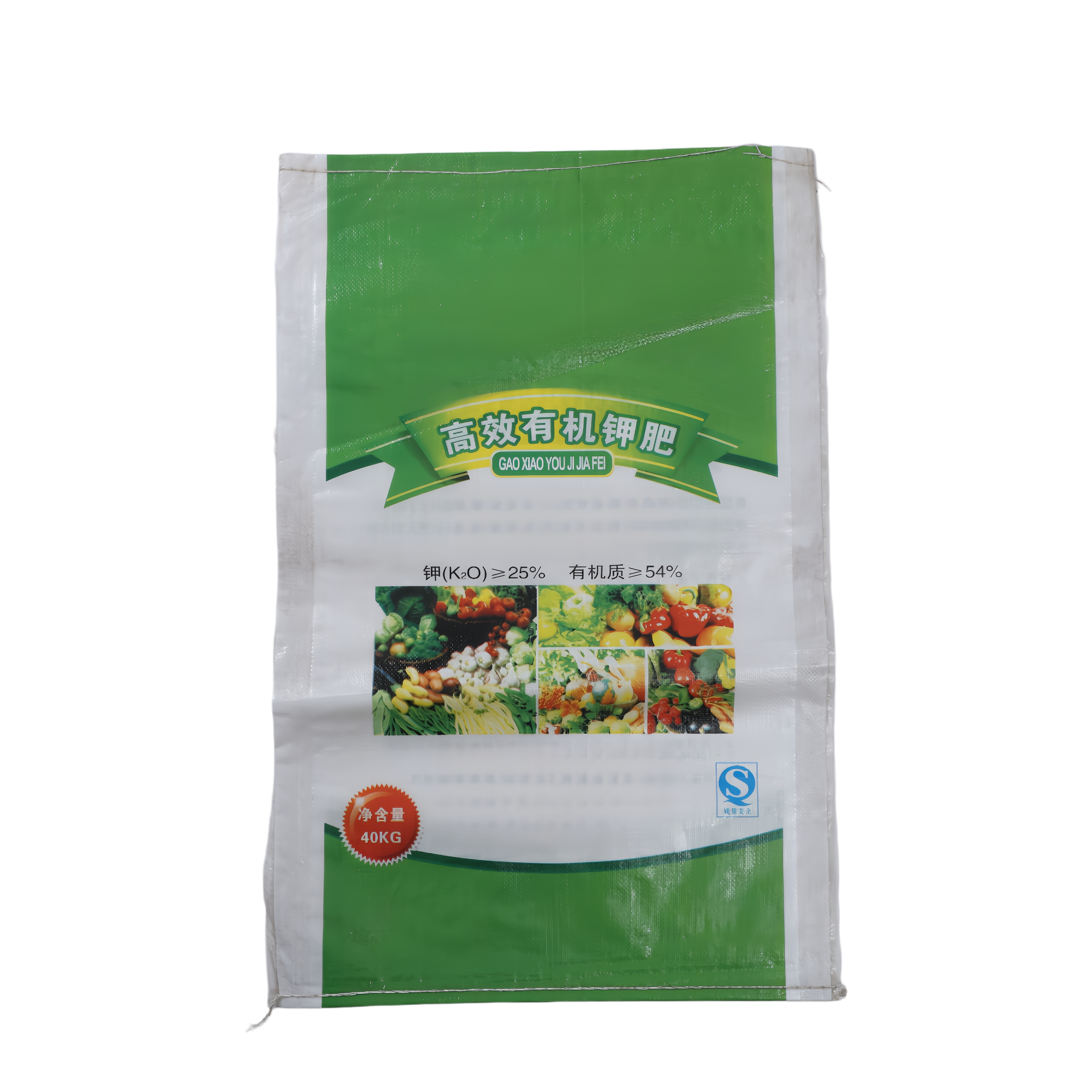
Print cracking on laminated bags represents one of the most common surface degradation challenges in industrial packaging. When graphics, text, or branding printed onto laminated pp bag surfaces begin to crack, fade, or peel over time, the product loses both aesthetic appeal and protective integrity. This issue affects manufacturers, distributors, and end-users across food, chemical, agriculture, and consumer goods sectors. Understanding the root causes of print cracking on laminated bags is essential for maintaining product quality, reducing waste, and preserving brand reputation throughout the supply chain.
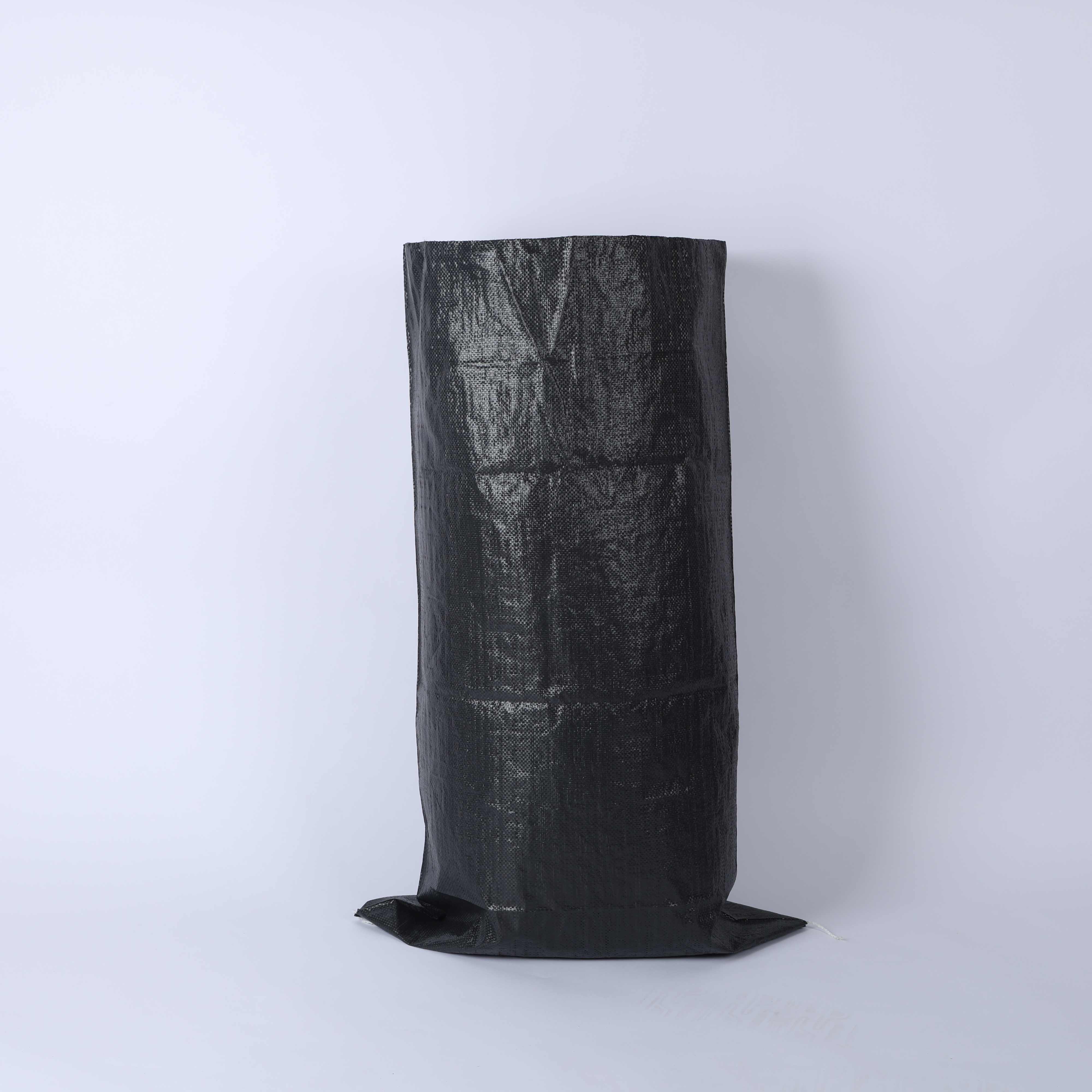
The durability of printed surfaces on laminated sack materials depends on multiple interconnected factors: ink formulation, substrate preparation, lamination process, storage conditions, and environmental exposure. A moisture proof bag that exhibits excellent barrier properties may still suffer print degradation if the ink adhesion is poor or if temperature fluctuations cause material expansion and contraction. This article explores the mechanisms behind print cracking on coated packaging bag surfaces, identifies prevention strategies, and provides practical solutions for maintaining print quality throughout the product lifecycle.
Print adhesion on laminated bags depends fundamentally on surface energy compatibility between the ink and the substrate. When a laminated pp bag is manufactured, its surface often exhibits low polarity characteristics that resist ink bonding. If the substrate is not properly corona-treated or plasma-activated before printing, ink sits atop the surface rather than penetrating or chemically bonding to it. As the material flexes during handling, storage, or transport, the ink layer cracks and separates from the underlying laminated sack structure. The flex-cracking pattern typically begins at stress points where the bag experiences repeated bending or compression.
Environmental fluctuations cause laminated bags to expand and contract at different rates than printed ink layers. A moisture proof bag stored in a warehouse with temperature swings from 50°F to 85°F daily experiences micro-stresses that the ink cannot accommodate. Ink formulations have specific glass transition temperatures; when exposed to cold, they become brittle and crack more easily. When exposed to heat, they may soften excessively and lose adhesion. Humidity fluctuations compound this problem by causing the underlying plastic substrate to absorb minute quantities of moisture, leading to dimensional changes that the rigid ink layer cannot follow, resulting in surface crazing and visible fractures on the coated packaging bag.
The quality of the base material directly influences print durability on laminated bags. Lower-grade polypropylene films may have inconsistent surface finish, micro-roughness variations, or residual mold-release agents that prevent uniform ink adhesion. When a laminated pp bag is produced from premium-grade substrates with controlled surface characteristics, subsequent print adhesion improves significantly. Surface treatment before printing is equally critical; inadequate corona discharge or plasma treatment leaves the substrate too low in surface energy to accept ink molecules permanently. Manufacturers of coated packaging bag products must specify minimum treatment levels and verify them through dyne pen testing or water contact angle measurement before the printing stage.
Print durability on laminated sack surfaces is heavily dependent on ink chemistry. Solvent-based inks offer better adhesion than some water-based alternatives but may contain volatiles that affect plastic substrates. UV-cured inks provide superior hardness and resistance to environmental stress, yet they require precise UV exposure during production. If the ink is under-cured, it remains soft and vulnerable to cracking; if over-cured, it becomes too brittle and fractures under flexing. Moisture proof bag applications demand inks formulated specifically for polypropylene or laminated plastic films. Standard off-the-shelf inks designed for paper or cardboard will not perform adequately on laminated bags, leading to predictable print cracking within weeks of production.
Proper storage of laminated bags is essential to prevent print cracking over time. High humidity environments above 70% relative humidity cause the substrate to absorb moisture, leading to dimensional swelling that stresses the printed surface. A moisture proof bag stored in such conditions will show visible crazing and surface degradation more quickly than one stored in controlled conditions. Conversely, extremely dry conditions below 20% relative humidity can cause the ink layer to become brittle and prone to crack formation during handling. The ideal storage environment for laminated pp bag products maintains relative humidity between 40% and 60%, with stable temperatures in the 65°F to 75°F range. Climate-controlled warehouses significantly extend the print life of coated packaging bag inventory.
Rough handling accelerates print cracking on laminated bags. Dropping bags, stacking them excessively high, or dragging them across abrasive surfaces creates flexing and compression stress that the printed layer cannot withstand. Stacking laminated sack products horizontally with moderate weight distribution is preferable to vertical stacking or tilted arrangements. Workers should avoid rolling or folding printed bags unnecessarily during warehouse operations. Forklift punctures or corner crushing visible on bags indicate mechanical damage that extends beyond surface aesthetic issues into the print layer itself. Companies implementing standardized handling protocols and training personnel on gentle material movement significantly reduce print-cracking complaints from customers of moisture proof bag products.
Prevention begins with precise material specifications and rigorous in-process monitoring. Manufacturers should require substrate certification confirming surface treatment levels and material consistency. Corona treatment parameters must be documented and verified regularly on laminated pp bag production lines. Ink suppliers should provide technical data sheets specifying adhesion requirements, curing conditions, and substrate compatibility for coated packaging bag applications. Print quality testing should include cross-hatch adhesion tests following ISO 2409 standards, performed on production samples at regular intervals. Accelerated aging tests simulating temperature and humidity cycling help identify potential cracking issues before products reach customers. These preventive measures ensure that laminated sack products leave the factory with genuine print durability.
Post-production protection extends print life significantly on laminated bags. Vacuum-sealed or desiccant-protected packaging of finished goods reduces moisture absorption during storage and transport. Laminated pp bag rolls or stacks should be wrapped in moisture barrier film to shield from ambient humidity fluctuations. For moisture proof bag applications destined for harsh environments, additional protective coatings or varnishes applied over the printed surface provide extra safeguarding against environmental exposure. Shipment in sealed containers with desiccant packets prevents moisture ingress during long international transport of coated packaging bag shipments. These secondary protective measures are particularly important for products destined to climates with extreme temperature or humidity variations.
High humidity causes the polypropylene substrate of laminated pp bag to absorb minute quantities of moisture, resulting in dimensional expansion. The printed ink layer cannot expand at the same rate as the underlying laminated sack material, creating internal stresses that manifest as visible cracks and crazing. Moisture proof bag applications are particularly vulnerable because the barrier coating itself may develop micro-fractures that allow moisture penetration, accelerating the failure of the printed surface.
Once print cracking appears on laminated bags, the damage is permanent and cannot be repaired without complete reproduction of the surface. The ink has already separated from the coated packaging bag substrate at the molecular level. Prevention through proper material selection, storage, and handling is far more cost-effective than replacing damaged inventory. If laminated sack products show cracking in warehouse inventory, they must be removed from service to maintain brand standards and prevent customer complaints.
Comprehensive testing should include adhesion tests per ISO 2409, accelerated aging through humidity and temperature cycling, flex cracking assessment following ASTM D1148, and visual inspection after simulated transport conditions. Samples of laminated pp bag production should be subjected to realistic storage environments for extended periods to verify long-term performance. Moisture proof bag products should be tested under worst-case scenarios reflecting customer storage conditions, ensuring that coated packaging bag shipments arrive in perfect condition and remain durable throughout their shelf life.

Discover the 4 critical production metrics—throughput, defect rate, equipment uptime & on-time delivery—to vet factories confidently.

Ensure regulatory compliance & worker safety with proven methods for chemical woven bags—material selection, labeling, storage & training.

Discover the full PP woven bag manufacturing workflow—from extrusion & weaving to printing & QC. Boost efficiency, compliance & ROI. Download the process guide now.

Struggling with weak bags or high material waste? Master extrusion and tape drawing tech for stronger, cheaper PP woven bags. Optimize your production line now.

Struggling with defects or customer returns? Discover the 5 non-negotiable quality checkpoints across your woven bag production line
Which automation tier is right for your PP woven bag factory? Compare manual to Industry 4.0 systems for cost, quality, and scalability.
Get in touch for details on polypropylene woven bags and flexible packaging solutions.
Tel
Address
No.2015, Liaoyuan Building, Lanshan District, Linyi City, Shandong Province.China

