 EN
How to Assess Production Efficiency at a PP Woven Bag Factory
Discover the 4 critical production metrics—throughput, defect rate, equipment uptime & on-time delivery—to vet factories confidently.

2026/08/13
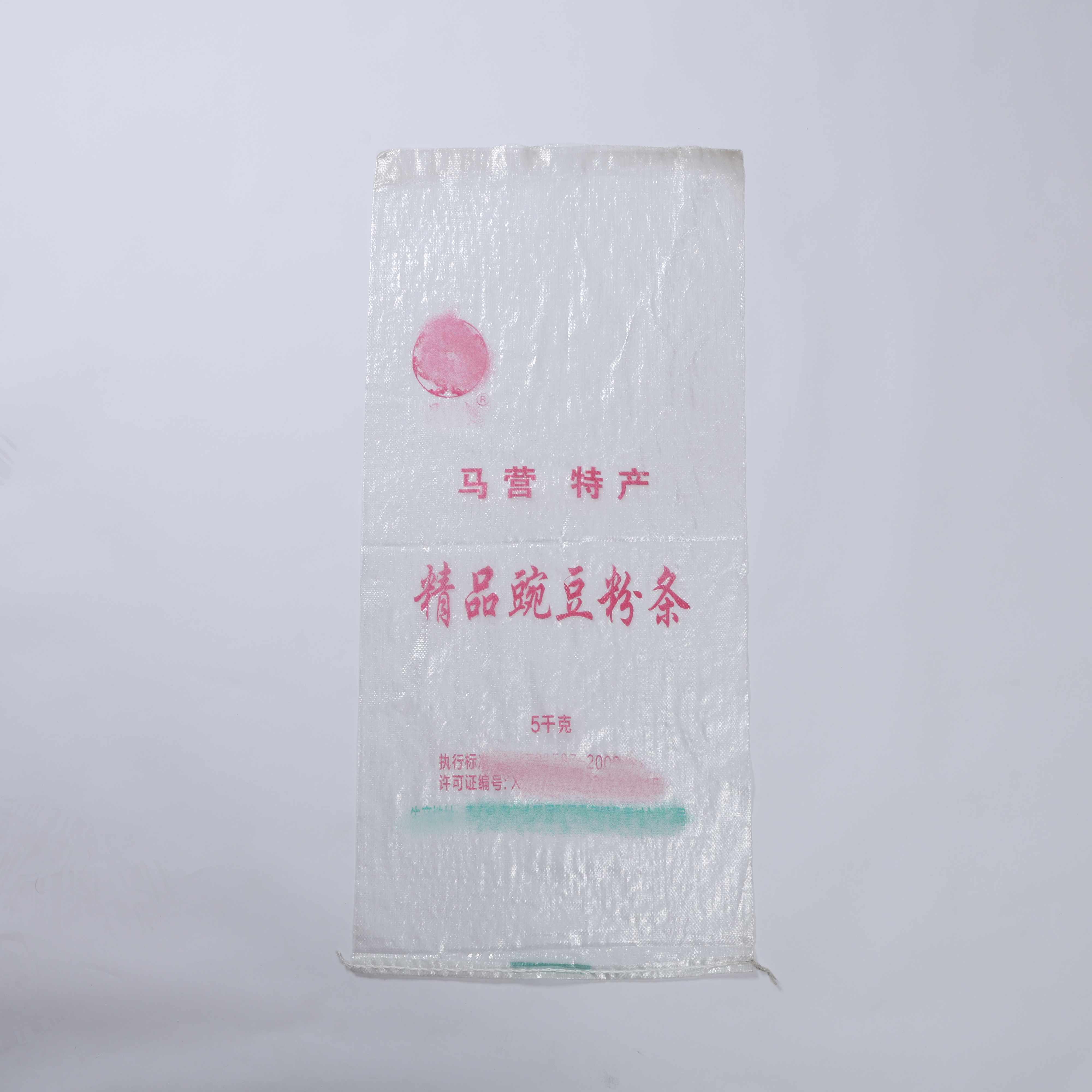
Print smearing on sugar bags represents a significant quality challenge in food manufacturing and distribution. When logos, batch numbers, expiration dates, or nutritional information blur or transfer during handling, storage, or transit, the entire shipment becomes unmarketable. This costly problem affects brand reputation, regulatory compliance, and customer satisfaction. Understanding the root causes of print smearing on sugar bags is essential for producers who depend on clear, legible labeling throughout the supply chain.
The quality of your sugar packaging bag directly influences whether printed content remains sharp and intact from warehouse to retail shelf. Premium food grade packaging bags combined with proper printing techniques and storage practices can eliminate smearing problems entirely. This guide explores the specific causes of print degradation, examines how different sugar bags contribute to or prevent smearing, and provides actionable solutions for maintaining print quality in your operations.
Print smearing occurs when ink does not bond properly to the surface of the sugar packaging bag material. Incompatible ink formulations fail to cure or dry adequately on polypropylene woven surfaces, leaving the printed surface tacky or unstable. Food-grade packaging bags require specialized inks formulated specifically for plastic substrates. Standard or low-quality inks designed for paper will not adhere correctly to pp sugar sack materials, causing smudging when bags contact each other during stacking, handling, or transport.
Environmental humidity and temperature fluctuations after printing also influence ink adhesion. If printed sugar woven bags are stored in warm, humid conditions before the ink fully cures, moisture can penetrate the ink layer and cause bleeding or smearing. Conversely, overly dry environments can create static electricity that attracts dust and contaminants to the wet or semi-wet printed surface, resulting in visible defects that resemble smearing.
How sugar bags are stored between printing and shipment significantly impacts print durability. Stacking printed bags too quickly before inks cure completely causes the weight of upper layers to press wet ink onto adjacent bag surfaces. Moisture absorption from ambient air can reactivate partially cured ink, transforming dry-looking printed areas into transferable residue. Poor ventilation in storage facilities traps humidity, extending cure times and increasing the window during which smearing can occur.
Physical friction during warehouse operations compounds the problem. Sugar woven bag surfaces rubbing against pallets, conveyor systems, or other bags create abrasion that disturbs the ink layer. Food grade packaging bags stored in uncontrolled temperature zones experience thermal stress that can cause ink to soften, separate, or transfer to adjacent bags. Inadequate separation between freshly printed and packaged sugar packaging bags accelerates smearing as the material itself carries moisture and contaminants.
High-quality pp sugar sack products feature smooth, consistently treated surfaces that accept and retain printing inks effectively. Manufacturers treat premium food grade packaging bag materials with corona or plasma processing before printing, which increases surface energy and improves ink adhesion dramatically. This pretreatment creates a receptive substrate that allows inks to penetrate and bond at the molecular level rather than sitting on the surface where they remain vulnerable to smearing. Sugar bags manufactured to strict specifications minimize surface irregularities that trap moisture or create soft spots where ink cannot set properly.
The weave density and material composition of sugar packaging bags also influence print stability. Tightly woven bags with consistent denier filaments distribute ink uniformly across the surface, preventing the pooling or accumulation that leads to tacky areas. Premium sugar woven bag manufacturers use high-quality virgin polypropylene rather than recycled materials, which ensures predictable printing performance and eliminates hidden contaminants that can interfere with ink adhesion.
Professional printing facilities use controlled, optimized ink formulations specifically engineered for food grade packaging bags. These specialized inks cure rapidly through evaporation or UV cross-linking, forming durable bonds with polypropylene woven surfaces within minutes rather than hours. Modern printing presses apply ink at precise pressures and temperatures, ensuring consistent transfer and adhesion across every printed sugar bag. Temperature-controlled drying tunnels with managed humidity levels allow inks to cure completely before bags move to stacking or storage areas.
Post-printing handling procedures in quality-conscious operations prevent smearing by enforcing mandatory cure times before stacking. Printed sugar packaging bags rest in low-humidity, temperature-stable environments for 24 to 48 hours, depending on ink type and coating thickness. Proper ventilation prevents moisture accumulation while gentle handling maintains bag surface integrity. Quality suppliers of sugar woven bags implement separation layers between printed products and provide detailed curing protocols to customers, ensuring that print quality is preserved throughout logistics and storage phases.
Partnering with experienced manufacturers of sugar bags who specialize in food grade packaging bags eliminates most smearing problems at the source. Request suppliers to provide printed samples cured under your exact storage conditions and handling procedures. Specify that your sugar packaging bag order must use premium inks formulated for polypropylene surfaces and that pre-printing corona treatment must be documented. Request technical data sheets confirming cure times, ink formulation compatibility with pp sugar sack materials, and humidity stability requirements for your specific sugar woven bag design.
Establish clear contractual agreements requiring that your sugar bags meet international food safety standards and printing quality benchmarks. Define acceptable smearing tolerance limits in writing and require supplier testing that simulates your storage environment, transport conditions, and handling procedures. Quality suppliers willingly provide proof of ink adhesion testing, humidity resistance documentation, and process certifications, demonstrating that their food grade packaging bags are engineered to prevent print smearing in real-world applications.
Implement strict receiving and storage procedures that protect printed sugar packaging bags from conditions that trigger smearing. Immediately inspect all sugar bags upon arrival, documenting any visible smearing and reporting issues to your supplier for credit or replacement. Store printed sugar woven bags in climate-controlled environments maintaining temperatures between 18 and 25 degrees Celsius and relative humidity between 40 and 60 percent. These conditions allow any residual ink moisture to evaporate safely while preventing the reactivation of cured inks through environmental exposure.
Separate newly printed sugar bags from finished inventory by at least 48 hours before processing or stacking, allowing maximum cure time in your facility. Use pallet covers and spacers to prevent direct contact between printed surfaces on adjacent bags during stacking and storage. Train warehouse personnel on gentle handling techniques that minimize surface friction and pressure on printed sugar packaging bags. Rotate inventory using first-in-first-out principles so that older, fully cured bags enter distribution channels before newer inventory, reducing the risk that partially cured inks encounter smearing conditions during transport or retail display.
Sugar bags experience unique environmental stresses because sugar naturally absorbs and releases moisture depending on humidity levels. This hygroscopic property means pp sugar sack materials and any inks applied to them encounter constant humidity fluctuations throughout storage and transport. Unlike rigid containers, flexible sugar packaging bags compress and flex during handling, flexing that can disturb ink adhesion if curing is incomplete. Additionally, high-volume sugar distribution often involves extended warehouse storage and multiple handling cycles, creating extended exposure windows where print defects can develop.
Once smearing occurs on sugar woven bags, the affected bags cannot be reclaimed or reprinted economically because removing old ink damages the substrate and compromises food grade packaging bag integrity. Prevention through proper supplier selection and storage management is far more cost-effective than managing defective inventory. If smearing is discovered in a large shipment, work immediately with your supplier to identify the root cause, document the issue thoroughly, and implement corrective procedures for future orders. Most reputable food grade packaging bag manufacturers accept responsibility for printing defects and provide replacement inventory with improved process controls.
Specify that all sugar bags must feature pre-printing corona treatment, food-grade inks formulated for polypropylene woven substrates, and minimum 24-hour cure time before shipping. Require suppliers to document their printing process, including ink brand and specifications, cure temperature and humidity parameters, and adhesion testing results per industry standards. Establish clear smearing tolerance limits and require that suppliers provide technical support documentation specific to your storage environment and handling procedures. Insist on receiving printed samples for validation before full production runs, and require that your sugar packaging bag shipments include detailed curing and storage instructions to protect print quality during distribution and retail display.

Discover the 4 critical production metrics—throughput, defect rate, equipment uptime & on-time delivery—to vet factories confidently.

Ensure regulatory compliance & worker safety with proven methods for chemical woven bags—material selection, labeling, storage & training.

Discover the full PP woven bag manufacturing workflow—from extrusion & weaving to printing & QC. Boost efficiency, compliance & ROI. Download the process guide now.

Struggling with weak bags or high material waste? Master extrusion and tape drawing tech for stronger, cheaper PP woven bags. Optimize your production line now.

Struggling with defects or customer returns? Discover the 5 non-negotiable quality checkpoints across your woven bag production line
Which automation tier is right for your PP woven bag factory? Compare manual to Industry 4.0 systems for cost, quality, and scalability.
Get in touch for details on polypropylene woven bags and flexible packaging solutions.
Tel
Address
No.2015, Liaoyuan Building, Lanshan District, Linyi City, Shandong Province.China

