 EN
How to Assess Production Efficiency at a PP Woven Bag Factory
Discover the 4 critical production metrics—throughput, defect rate, equipment uptime & on-time delivery—to vet factories confidently.

2026/08/31
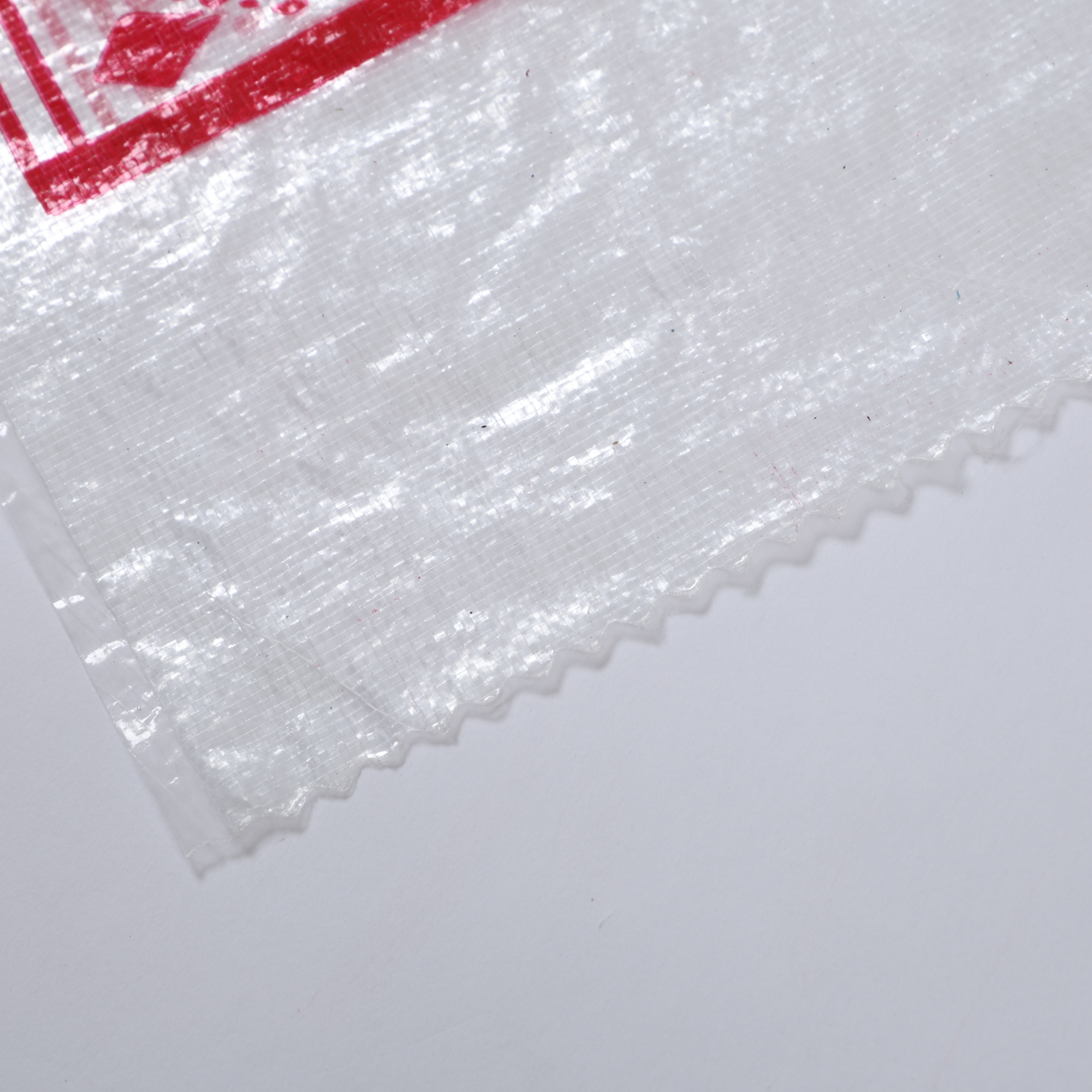
Printing defects on rice bags can significantly damage your brand reputation and product shelf appeal. Whether you use a rice woven bag, pp rice sack, or any grain storage bag for commercial distribution, print quality directly influences customer perception and purchase decisions. Understanding the root causes of these defects and implementing preventive measures ensures your rice packaging bag maintains professional appearance and readability throughout the supply chain.
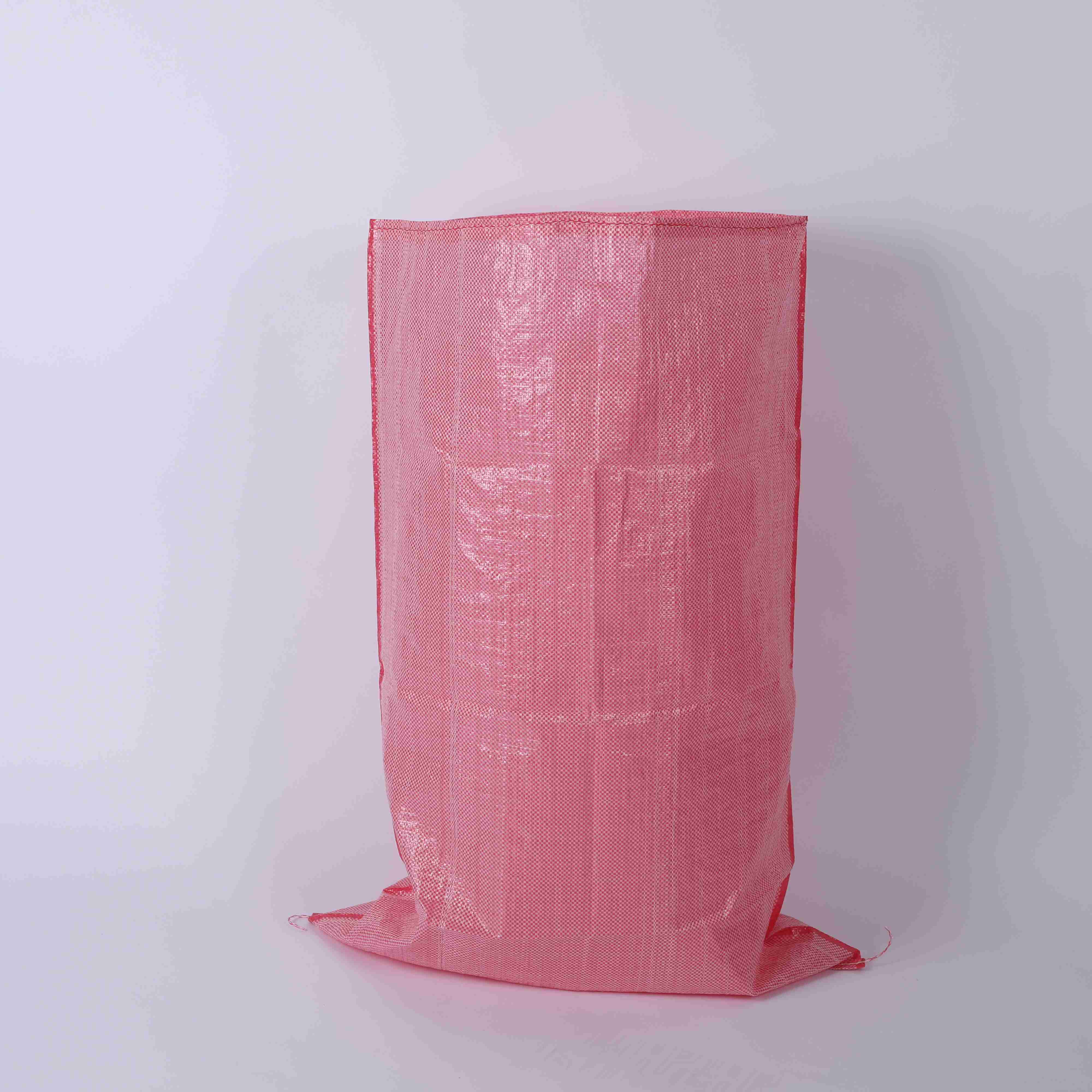
A rice bag must balance durability with visual appeal. The substrate composition, ink formulation, and printing process all interact to determine final quality. By addressing printing challenges at the material and process level, manufacturers and distributors can deliver consistent, professional-looking grain storage bags that stand out on retail shelves and maintain legibility through warehousing, transport, and customer handling.
Color fading represents one of the most prevalent defects affecting rice packaging bags. When ink does not properly adhere to the polypropylene surface, exposure to light, moisture, and handling causes rapid color loss. This occurs most often when the substrate has insufficient surface energy or when the ink chemistry is mismatched to the rice woven bag material. UV exposure during storage and transportation accelerates fading, particularly on bags stored outdoors or in bright warehouse conditions.
Ink adhesion failures stem from inadequate surface preparation and incompatible ink-substrate combinations. A pp rice sack requires inks specifically formulated for polypropylene surfaces. Generic or lower-cost inks may not cure properly, leaving printed graphics vulnerable to peeling, chipping, and smudging. Regular quality audits of ink batches and substrate pre-treatment ensure consistent ink adhesion across production runs.
Misalignment occurs when different color passes fail to register correctly on grain storage bag surfaces. This creates visible color fringing, blurred text, and unprofessional appearance. Misalignment typically results from inconsistent substrate feed, worn printing equipment, or inadequate tension control during multi-color printing. A rice packaging bag with misaligned text or logos signals poor manufacturing control to consumers and undermines brand credibility.
Registration errors are particularly problematic for bags displaying nutritional information, brand logos, or compliance markings. When these elements shift out of alignment, readability suffers and regulatory compliance may be questioned. Equipment calibration before each production shift and real-time monitoring systems help maintain tight registration tolerances on rice woven bags and similar packaging substrates.
The polypropylene surface on a pp rice sack must be properly prepared before printing. Inadequate surface cleaning or corona treatment leaves residual oils, dust, and contaminants that prevent ink from bonding uniformly. Surface energy levels on untreated polypropylene are too low for reliable ink adhesion, requiring corona or plasma treatment to create receptive surfaces. When this step is skipped or performed inconsistently, printing defects become inevitable on your rice packaging bag production line.
Batch variations in raw polypropylene film also contribute to defect rates. If substrate sourcing changes or quality standards relax, subsequent printing performance suffers. Specifying consistent film thickness, surface finish, and chemical composition ensures stable printing conditions across grain storage bag production runs. Testing incoming substrate batches for surface tension and cleanliness prevents costly print quality issues downstream.
Temperature and humidity fluctuations during printing directly impact ink curing and color development. Printing a rice woven bag in cold or excessively humid conditions slows ink evaporation and polymerization, leading to smudging, color banding, and poor adhesion. Conversely, overly dry conditions may cause inks to cure too rapidly, creating brittleness and adhesion failure. Maintaining stable environmental conditions in the printing facility ensures consistent results across all pp rice sack and rice packaging bag production.
Post-printing storage conditions also matter significantly. If printed grain storage bags are stacked too tightly before inks fully cure, offset transfer occurs, where wet ink from one bag transfers to the surface of another. Temperature cycling during storage and transit can cause inks to crack or separate from the substrate. Proper curing time between production and packaging prevents these defects from accumulating in finished inventory.
Regular maintenance of printing equipment forms the foundation of defect prevention on rice packaging bags. Worn rollers, misaligned plates, and degraded print heads produce inconsistent results across rice woven bag batches. Implementing a preventive maintenance schedule that includes roller cleaning, component inspection, and press tension verification catches problems before they impact production quality. Precision calibration before each production shift ensures registration accuracy and color consistency on every pp rice sack and grain storage bag.
Invest in real-time monitoring systems that detect registration drift, color inconsistencies, and surface defects automatically. Modern quality control equipment can flag misaligned prints or ink coverage issues within seconds of detection, allowing operators to halt production and correct the problem before significant scrap accumulates. This proactive approach minimizes waste and ensures every rice bag meets brand standards.
Selecting the correct ink formulation for your specific polypropylene substrate is critical for defect prevention. Water-based, solvent-based, and UV-curable inks each have distinct adhesion profiles, drying times, and environmental requirements. A qualified ink supplier should conduct compatibility testing with your rice packaging bag material and provide technical guidance on application parameters. Changing ink suppliers or experimenting with lower-cost alternatives without validation testing frequently introduces defects and inconsistency across grain storage bag production.
Document all ink and substrate specifications in your production protocols. This documentation ensures consistency when suppliers change batches, when production shifts rotate, or when equipment settings require adjustment. Maintaining detailed records of successful print runs on rice woven bags and pp rice sacks creates a reference baseline for troubleshooting future quality issues and onboarding new production staff.
Establish and maintain optimal temperature and humidity ranges in your printing facility. Most solvent-based and water-based inks perform best between 18–25 degrees Celsius and 45–65 percent relative humidity. Installing environmental monitoring equipment alerts staff to conditions that drift outside these ranges, triggering corrective action before print quality suffers. Proper environmental control is particularly important for rice bag production facilities in regions with extreme seasonal temperature swings or high ambient humidity.
Implement adequate curing time between printing and packaging. Different ink types require different drying periods; rushing to package printed rice packaging bags before inks fully cure invites offset transfer and adhesion failure. Establish minimum holding times in your production schedule and enforce them consistently. For high-volume grain storage bag production, this may mean maintaining separate curing zones or adjusting line speeds to accommodate proper ink maturation before bags proceed to secondary packaging or shipment.
Color fading results from poor ink adhesion to the polypropylene surface, combined with UV exposure and environmental stress. If the rice packaging bag substrate lacks proper surface treatment or if incompatible ink formulations are used, color loss accelerates during storage and transportation. UV-protective additives in inks and choosing UV-stable formulations designed for grain storage bags can significantly slow fading rates.
Misalignment prevention requires regular equipment calibration, consistent substrate tension control, and real-time registration monitoring during production. Ensure your printing machinery is properly maintained and that pp rice sack feeding systems are stable. Modern printing presses include registration correction systems that automatically adjust for minor drift, maintaining tight alignment across long production runs of rice packaging bags.
The optimal range for printing rice bags is 18–25 degrees Celsius with 45–65 percent relative humidity. These conditions allow water-based and solvent-based inks to cure evenly without being too slow or too fast. Monitoring environmental conditions in your printing facility and allowing proper curing time after printing rice packaging bags ensures defect-free output and consistent quality across every rice woven bag batch.

Discover the 4 critical production metrics—throughput, defect rate, equipment uptime & on-time delivery—to vet factories confidently.

Ensure regulatory compliance & worker safety with proven methods for chemical woven bags—material selection, labeling, storage & training.

Discover the full PP woven bag manufacturing workflow—from extrusion & weaving to printing & QC. Boost efficiency, compliance & ROI. Download the process guide now.

Struggling with weak bags or high material waste? Master extrusion and tape drawing tech for stronger, cheaper PP woven bags. Optimize your production line now.

Struggling with defects or customer returns? Discover the 5 non-negotiable quality checkpoints across your woven bag production line
Which automation tier is right for your PP woven bag factory? Compare manual to Industry 4.0 systems for cost, quality, and scalability.
Get in touch for details on polypropylene woven bags and flexible packaging solutions.
Tel
Address
No.2015, Liaoyuan Building, Lanshan District, Linyi City, Shandong Province.China

