 EN
How to Assess Production Efficiency at a PP Woven Bag Factory
Discover the 4 critical production metrics—throughput, defect rate, equipment uptime & on-time delivery—to vet factories confidently.

2026/08/21
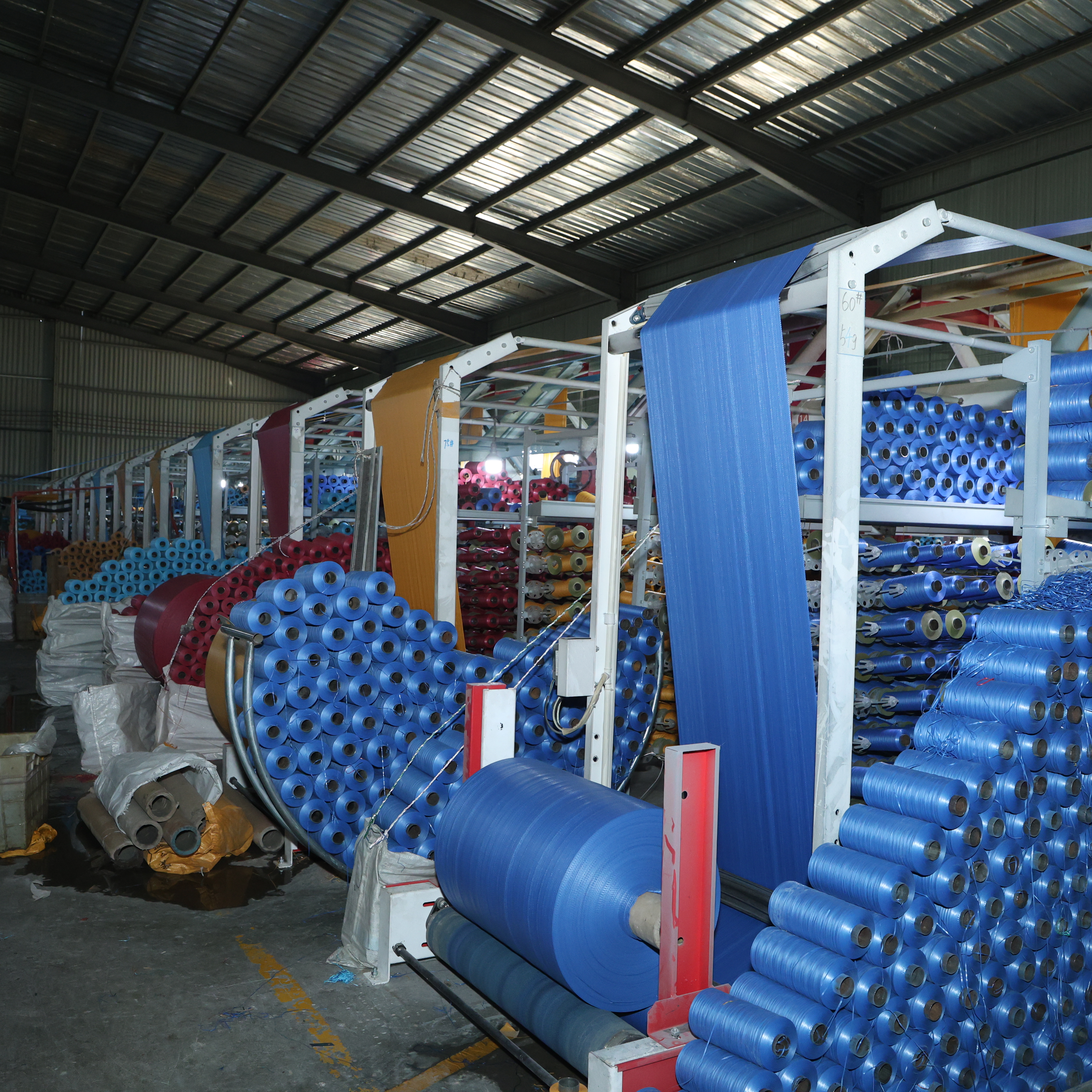
Raw material handling represents one of the most critical yet frequently overlooked aspects of operations in any PP woven bag factory. The quality of finished woven bags depends heavily on how polypropylene resin, fillers, additives, and other raw materials are managed from receipt through production. When material handling goes wrong, the consequences ripple through the entire woven bag production line, compromising product strength, appearance, and customer satisfaction. Understanding these common errors is essential for facility managers, quality control teams, and production supervisors who seek to maintain consistent output and reduce waste.
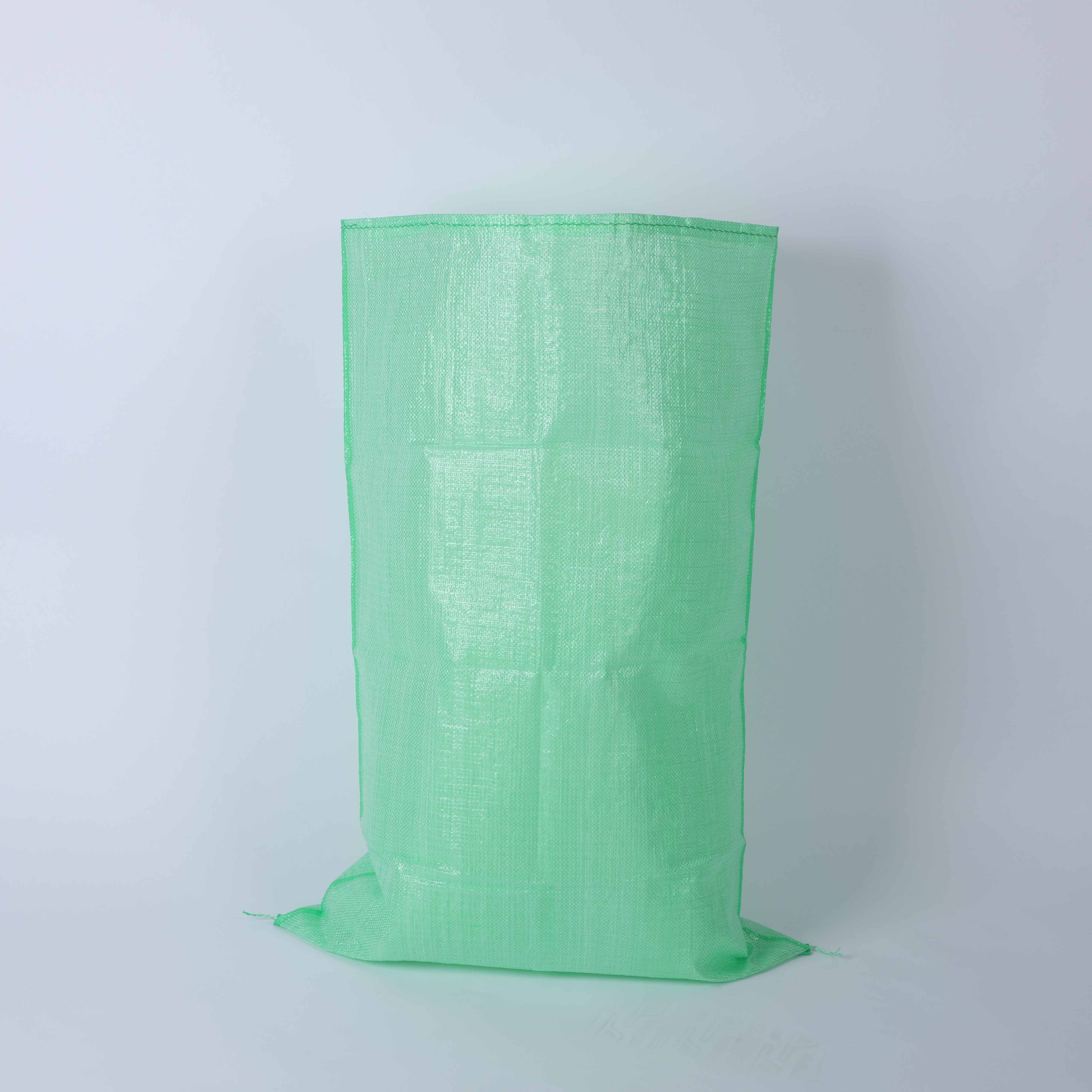
In pp bag manufacturing environments, even seemingly minor material handling mistakes can escalate into significant production defects. Improper storage conditions, inadequate inventory rotation, contamination events, and careless transport practices each introduce risks that manifest as reduced bag durability, discoloration, brittleness, or dimensional inconsistencies. This article explores the most prevalent raw material handling errors observed across PP woven bag factories worldwide, examines the root causes behind these mistakes, and outlines practical strategies to prevent them. By implementing robust material handling protocols, your facility can enhance product quality, minimize scrap rates, and strengthen your competitive position in bulk bag manufacturing markets.
Polypropylene resin is hygroscopic, meaning it naturally absorbs moisture from the surrounding air. When raw materials sit in uncontrolled environments at high humidity levels, moisture penetrates the material, causing significant processing problems. During the pp bag manufacturing process, trapped moisture generates gas bubbles during extrusion or weaving, leading to weak spots, voids, and reduced tensile strength in the finished woven bags. A custom woven bag factory must maintain storage areas with relative humidity levels between 40 percent and 60 percent to preserve material integrity.
The economic impact of moisture damage extends beyond immediate production losses. Contaminated materials often require costly pre-drying processes before they can be used, consuming energy and extending production timelines. In severe cases, entire batches become unsuitable for use, forcing facilities to dispose of material or attempt recovery through secondary recycling. Temperature fluctuations compound this problem. When materials experience rapid temperature swings, condensation forms on bag surfaces and container interiors, introducing moisture that degrades polymer properties. Investing in climate-controlled storage areas, dehumidifiers, and proper ventilation systems represents a foundational requirement for any reputable woven bag production line.
Another prevalent error involves storing incompatible materials in proximity to raw polypropylene resin. Solvents, oils, cleaning chemicals, and other substances can evaporate or migrate into polypropylene supplies, altering molecular structure and creating processing defects. A PP woven bag factory that fails to segregate storage zones risks introducing contaminants that compromise bag performance.
Segregation protocols must be explicit and rigorously enforced across all material storage areas. Containers should be clearly labeled with material type, grade, batch number, and manufacturing date. Regular inventory audits catch mislabeled or commingled materials before they enter production. Staff training programs should emphasize the consequences of cross-contamination and establish clear accountability for maintaining material integrity. In bulk bag manufacturing operations handling multiple grades simultaneously, this discipline becomes even more critical to preventing expensive production failures.
Polypropylene resin has a finite shelf life, typically ranging from six to twelve months depending on storage conditions, stabilizer packages, and exposure to light. Many PP woven bag factories maintain inadequate inventory management systems, causing materials to exceed usable age windows before processing. Aged polypropylene becomes brittle, discolors, and loses mechanical strength, all of which translate into defective woven bags. When aged materials enter the woven bag production line undetected, they cause inconsistent extrusion behavior, fiber breakage during weaving, and bags that fail tensile or tear-strength tests.
A first-in-first-out (FIFO) inventory rotation system is essential for preventing age-related degradation. Receipt dates should be prominently displayed on all material containers, and stock movements must follow systematic rotation protocols. Weekly or monthly inventory audits identify slow-moving materials approaching expiration, allowing managers to prioritize their use or adjust purchasing patterns. In pp bag manufacturing environments serving quality-sensitive industries, documenting material age and traceability provides critical evidence of due diligence when customer disputes arise. Custom woven bag factories that fail to implement FIFO systems frequently discover that expired materials have entered production, forcing batch recalls and quality investigations that damage reputation and profitability.
Over-purchasing raw materials stems from inaccurate demand forecasts or sales projections in a bulk bag manufacturing operation. While maintaining adequate stock prevents production delays, excessive inventory increases storage duration and exposure time to environmental degradation. Materials held in inventory longer than necessary experience cumulative UV exposure, thermal stress, and ambient humidity effects that degrade properties. Conversely, understocking creates pressure to accept materials in marginal condition or bypass normal quality checks, introducing defects downstream.
Effective inventory management requires close coordination between sales, production planning, and procurement teams at any PP woven bag factory. Demand forecasts should be reviewed monthly and inventory targets adjusted accordingly. Safety stock calculations must balance protection against stockouts with realistic shelf-life constraints.
Raw polypropylene often arrives in bags, drums, or bulk containers that require careful handling to prevent damage. Many facilities use forklifts, hand carts, or manual labor to move materials between receiving areas, storage zones, and production equipment. Rough handling, drops, punctures, or compression damages container integrity, allowing moisture, dust, and contaminants to infiltrate materials. Once containers are compromised, contents degrade rapidly, yet materials may still be introduced into production without thorough inspection. In pp bag manufacturing, this carelessness introduces foreign particles that create weak points, surface defects, and reduced tensile properties in finished woven bags.
Establishing clear material handling procedures reduces damage significantly. Staff should receive training on proper lifting techniques, appropriate equipment use, and the consequences of mishandling materials. Warehouses should maintain organized layouts that minimize transport distances and unnecessary movement. Containers should be inspected upon arrival and before use to detect damage early. Damage assessment protocols should define clear criteria for accepting or rejecting compromised containers.
Manufacturing environments inherently contain dust, lint, and other particulates generated by equipment operation and human activity. When raw materials are stored in facilities lacking adequate air filtration, dust settles on materials and work surfaces. During material transfer, handling, or charging into production equipment, these particulates mix with polypropylene resin, compromising purity. Contaminated materials create visible defects in finished woven bags, including black specks, surface imperfections, and structural weaknesses.
Prevention requires implementing environmental controls that keep dust and contaminants away from raw materials during storage and handling. Enclosed storage cabinets with proper ventilation protect materials while allowing air circulation to prevent moisture accumulation. Material staging areas should be segregated from high-traffic production zones and equipped with air filtration units. During material charging into the woven bag production line, operators should use clean containers, avoid direct exposure to ambient air, and maintain organized, debris-free work areas. When bulk bag manufacturing facilities prioritize material cleanliness through systematic environmental management, contamination rates drop substantially and customer satisfaction metrics improve.
Relative humidity should be maintained between 40 percent and 60 percent in storage areas where polypropylene materials are kept. This range prevents excessive moisture absorption while avoiding the brittleness and static buildup that occurs in overly dry environments. Regular monitoring with calibrated humidity sensors and dehumidification equipment enables facilities to stay within target ranges consistently.
Inventory audits should be conducted at minimum on a monthly basis, though high-volume woven bag production line operations may benefit from weekly audits. These reviews identify slow-moving materials approaching expiration dates, verify proper FIFO rotation, and catch mislabeled or commingled stock before it enters production. By conducting audits proactively, a custom woven bag factory prevents aged materials from causing production defects and maintains compliance with shelf-life requirements. Real-time inventory management systems automate much of this tracking, reducing manual effort while improving accuracy.
Staff should receive comprehensive training covering proper lifting and material movement techniques, storage area access protocols, chemical segregation requirements, contamination prevention practices, and damage assessment procedures. Training should emphasize the direct connection between careful material handling and finished bag quality, helping employees understand how their actions affect customer satisfaction and company profitability. Annual refresher training and new employee onboarding ensure that all personnel understand and follow established protocols consistently. When a bulk bag manufacturing facility invests in staff training, material handling errors decline significantly and quality improves across the entire woven bag production line.

Discover the 4 critical production metrics—throughput, defect rate, equipment uptime & on-time delivery—to vet factories confidently.

Ensure regulatory compliance & worker safety with proven methods for chemical woven bags—material selection, labeling, storage & training.

Discover the full PP woven bag manufacturing workflow—from extrusion & weaving to printing & QC. Boost efficiency, compliance & ROI. Download the process guide now.

Struggling with weak bags or high material waste? Master extrusion and tape drawing tech for stronger, cheaper PP woven bags. Optimize your production line now.

Struggling with defects or customer returns? Discover the 5 non-negotiable quality checkpoints across your woven bag production line
Which automation tier is right for your PP woven bag factory? Compare manual to Industry 4.0 systems for cost, quality, and scalability.
Get in touch for details on polypropylene woven bags and flexible packaging solutions.
Tel
Address
No.2015, Liaoyuan Building, Lanshan District, Linyi City, Shandong Province.China

