 EN
How to Assess Production Efficiency at a PP Woven Bag Factory
Discover the 4 critical production metrics—throughput, defect rate, equipment uptime & on-time delivery—to vet factories confidently.

2026/08/05
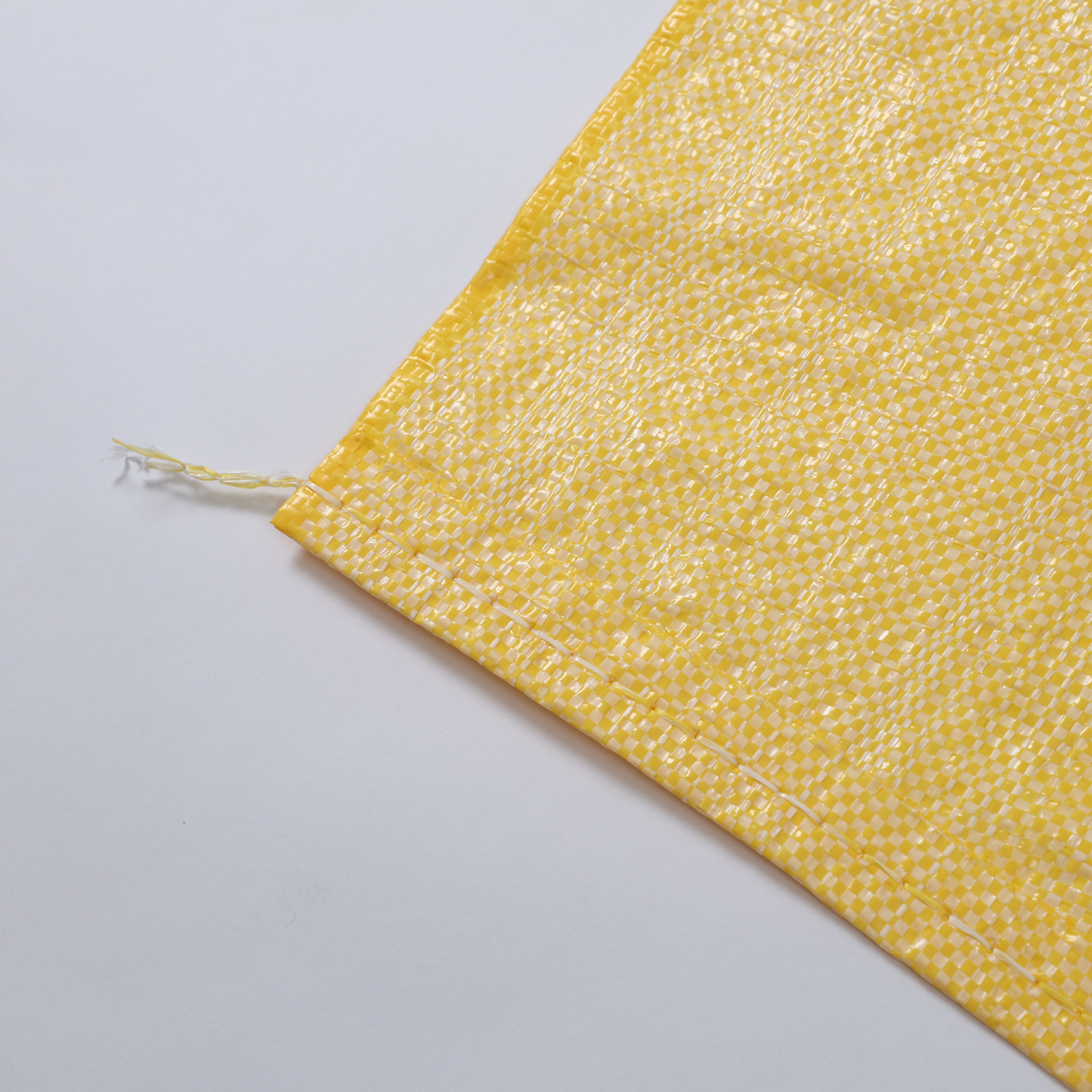
When sourcing packaging solutions for food grade applications, many businesses consider cost-cutting measures that involve purchasing a used bag or secondhand pp bag option. While the financial appeal is clear, this decision carries substantial regulatory, safety, and quality risks that can far outweigh initial savings. Food grade packaging demands absolute certainty about material history, contamination status, and compliance certification, which used packaging cannot reliably provide.
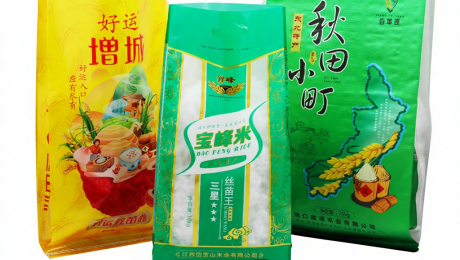
Food safety regulations across North America, Europe, and Asia explicitly restrict what contact materials can touch consumable products. A recycled woven bag or reused packaging bag that held non-food chemicals, pesticides, or industrial materials becomes a direct liability when repurposed for food. The contamination risk extends beyond visible residue to molecular absorption, odor transfer, and migrating compounds that standard cleaning cannot eliminate.
The primary danger of any used pp sack is the impossibility of confirming its previous contents with certainty. Even a secondhand pp bag labeled as previously holding agricultural products may have been exposed to pesticides, fertilizers, or fuel in storage facilities. Without documented chain of custody and comprehensive material testing, you cannot verify purity. A recycled woven bag sourced from secondary markets often lacks traceability entirely, making it impossible to prove it never contacted prohibited substances.
Polypropylene fibers have inherent porosity that allows absorption of oils, solvents, and volatile compounds. When a reused packaging bag held industrial chemicals or petroleum products, these substances can bond at the molecular level. Standard washing and sanitization cannot reliably remove all absorbed residues. For food grade applications, even trace amounts of pesticide residue or chemical solvents detected through advanced testing could trigger regulatory violations and product recalls. A used pp sack may appear clean visually while still harboring invisible contaminants that compromise food safety.
The FDA Food Safety Modernization Act and equivalent regulations in EU and APAC markets explicitly prohibit food contact materials that cannot demonstrate compliance with specific safety standards. When you use a secondhand pp bag for food packaging, you assume direct liability for proving its compliance history. Most used bags lack the necessary documentation, certifications, or test reports required by regulatory inspectors. Regulators do not accept 'previous use in food' as proof of compliance, particularly when the used bag cannot be tested back to its manufacturing origin. A recycled woven bag typically has no documentation whatsoever, making it automatically non-compliant for food grade work.
If contamination from a reused packaging bag is discovered during production or consumer use, your company becomes legally responsible for the recall. Recalls are extraordinarily expensive, involving product retrieval, testing, destruction, and potential legal claims. Using a used pp sack cuts initial packaging costs by perhaps ten to fifteen percent, but a single recall can cost hundreds of thousands of dollars in direct expenses plus brand damage and lost customer trust. Insurance providers often deny claims when non-compliant materials are deliberately chosen as a cost measure. The regulatory scrutiny following such incidents frequently extends to audits of all your packaging suppliers and material sourcing decisions.
A used pp sack has already experienced one full lifecycle of handling, environmental exposure, and stress. UV exposure, temperature cycling, and mechanical wear degrade polypropylene strength and barrier properties. When you repurpose a secondhand pp bag, you inherit these degradation effects. The bag may display reduced tensile strength, compromised seam integrity, or weakened puncture resistance compared to virgin material. During transportation, storage, or handling of food products, these weakened bags fail more frequently, leading to product spillage, contamination, and customer dissatisfaction.
Virgin polypropylene is manufactured to strict specifications with defined additive packages, stabilizers, and processing controls. A recycled woven bag or reused packaging bag involves reprocessing of unknown origin material, often blended with post-consumer or post-industrial scrap. The resulting composition varies batch to batch, making it impossible to predict chemical migration or barrier performance. For food applications requiring specific permeability characteristics, moisture resistance, or chemical inertness, a used bag introduces uncontrollable variability. Mold growth, insect contamination, and odor absorption become more likely when material composition is uncertain.
While virgin polypropylene carries higher initial cost than secondhand pp bag options, the protection it provides justifies the investment for food grade work. Virgin material provides complete traceability from production through delivery, certified compliance with food contact regulations, and predictable quality. The cost difference typically amounts to five to ten percent of total packaging expenses but eliminates regulatory risk entirely. By choosing compliant virgin bags instead of a used bag or recycled woven bag, you protect your brand reputation, ensure customer safety, and avoid catastrophic recall scenarios.
When sourcing packaging for food applications, require your supplier to provide complete documentation including material certification, food contact compliance statements, and manufacturing test reports. Never accept a reused packaging bag without third-party testing confirming zero contamination and material certification. Request batch-specific documentation, not generic compliance statements. Verify that your supplier conducts regular audits and maintains traceability systems. This diligence prevents the risk of accidentally receiving a used pp sack mislabeled as virgin material, which has occurred in markets with insufficient enforcement.
No. Sanitization cannot remove molecular absorption or verify previous contents. Food regulations prohibit used bags regardless of cleaning efforts because contamination risk cannot be reliably eliminated. Testing would be required, proving the used pp sack meets food safety standards, but most facilities lack this capability. For food grade work, only virgin material with proper certification is acceptable.
Your company becomes liable for a product recall, regulatory investigation, and potential criminal liability depending on severity. Insurance typically does not cover incidents involving non-compliant materials deliberately chosen for cost savings. Brand reputation damage extends beyond the immediate recall. Regulators conduct deeper audits of all your sourcing practices, potentially restricting your ability to sell food products in regulated markets.
Virgin polypropylene typically costs five to ten percent more than secondhand pp bag options, depending on volume and specifications. This modest premium is negligible compared to recall costs, regulatory fines, and brand damage from contamination incidents. Long-term customer trust and market access are worth substantially more than the packaging savings from using a used bag.

Discover the 4 critical production metrics—throughput, defect rate, equipment uptime & on-time delivery—to vet factories confidently.

Ensure regulatory compliance & worker safety with proven methods for chemical woven bags—material selection, labeling, storage & training.

Discover the full PP woven bag manufacturing workflow—from extrusion & weaving to printing & QC. Boost efficiency, compliance & ROI. Download the process guide now.

Struggling with weak bags or high material waste? Master extrusion and tape drawing tech for stronger, cheaper PP woven bags. Optimize your production line now.

Struggling with defects or customer returns? Discover the 5 non-negotiable quality checkpoints across your woven bag production line
Which automation tier is right for your PP woven bag factory? Compare manual to Industry 4.0 systems for cost, quality, and scalability.
Get in touch for details on polypropylene woven bags and flexible packaging solutions.
Tel
Address
No.2015, Liaoyuan Building, Lanshan District, Linyi City, Shandong Province.China

