 EN
How to Assess Production Efficiency at a PP Woven Bag Factory
Discover the 4 critical production metrics—throughput, defect rate, equipment uptime & on-time delivery—to vet factories confidently.

2026/08/31
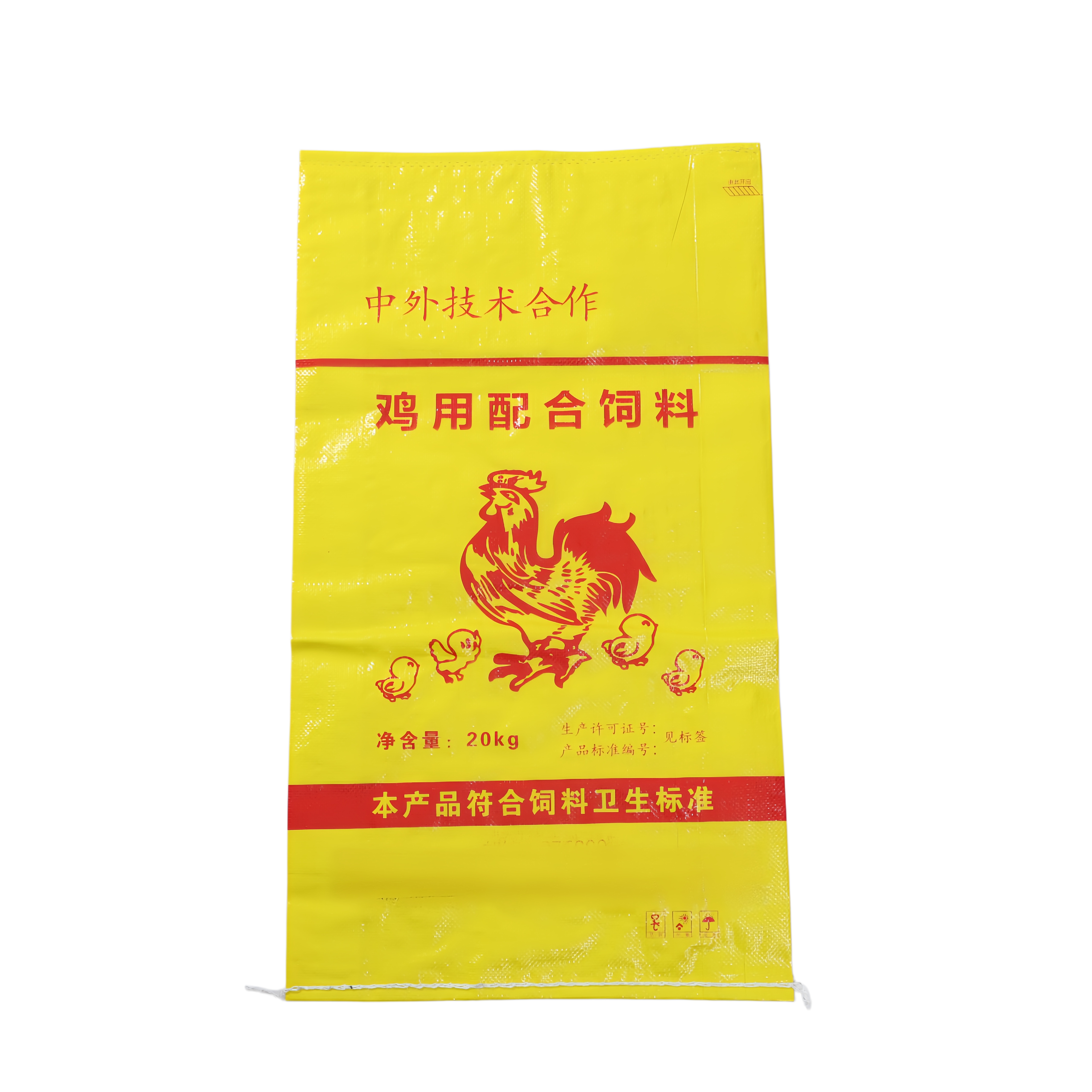
Seam splitting represents one of the most persistent and costly challenges in agricultural logistics today. When fertilizer bags tear along their seams during transport, the resulting product loss, contamination risks, and customer dissatisfaction can significantly impact your bottom line. Whether you ship bulk nutrients, granular fertilizers, or specialty blends, understanding the root causes of seam failure is essential to maintaining supply chain integrity and protecting your investment in quality packaging.
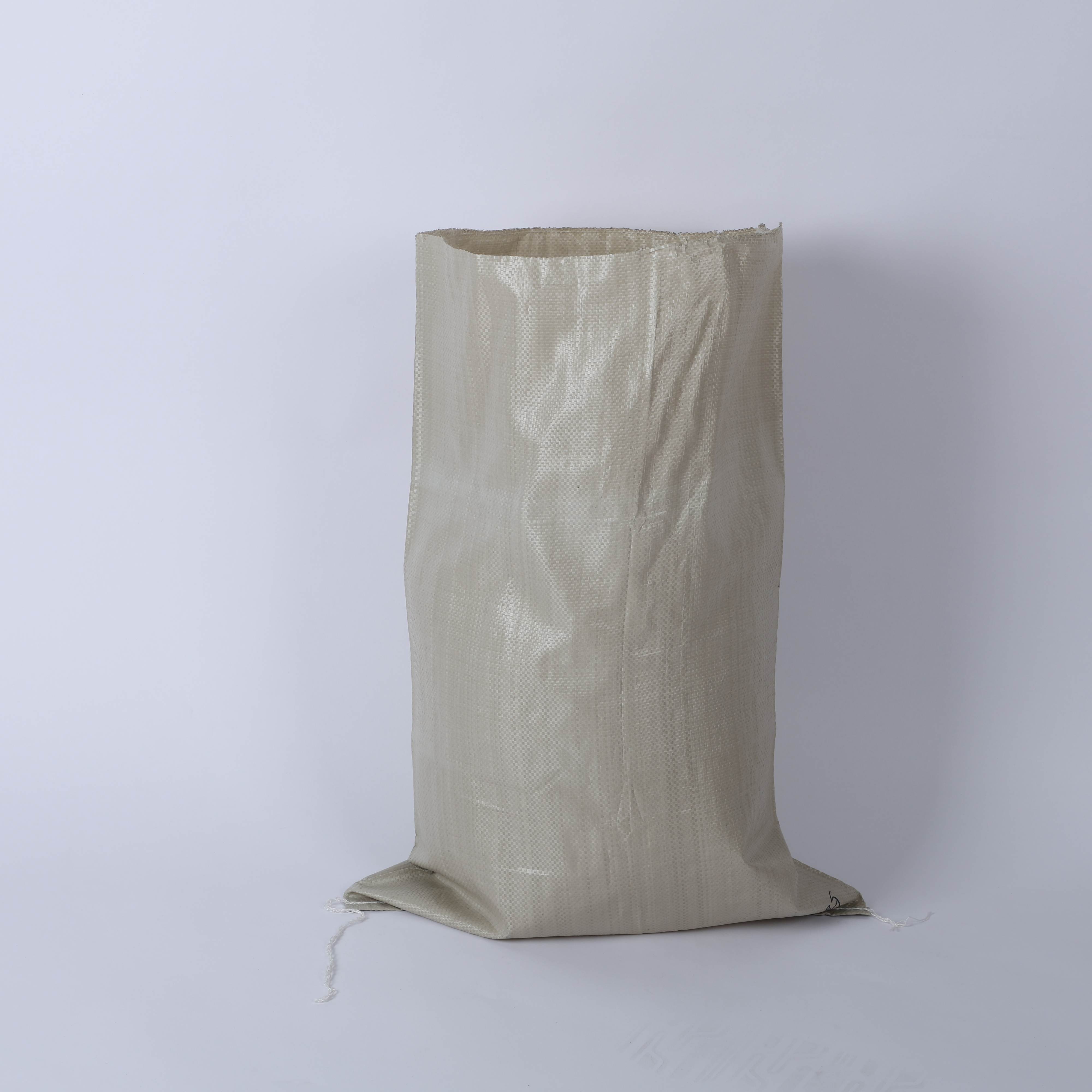
The agricultural industry relies heavily on robust packaging solutions, and modern fertilizer woven bag designs have evolved to meet demanding transport conditions. However, seam integrity remains a critical vulnerability that many distributors overlook until failures occur in the field. This article explores the mechanical, environmental, and design factors that trigger seam splitting, provides actionable prevention strategies, and offers practical solutions to strengthen your pp fertilizer sack performance throughout the supply chain.
Seam splitting occurs most frequently when bags experience uneven weight distribution or excessive compression during stacking and transport. The pp fertilizer sack construction requires precise thread tension and stitch density to withstand the cumulative pressure of palletized loads. When bags are stacked too tightly or loaded onto vehicles without proper weight distribution, the seams experience shear forces that exceed their design limits. Additionally, vibration from transport and the repetitive micro-movements of adjacent bags create friction that gradually weakens stitch integrity, particularly at corner seams where stress concentrates.
The durability of agricultural fertilizer packaging depends directly on thread quality, needle gauge, and stitch pattern consistency. Low-grade polypropylene thread or inconsistent stitch spacing creates weak points vulnerable to tearing. Many manufacturers reduce production costs by using thinner thread or fewer stitches per inch, compromising fertilizer bags' ability to contain contents under pressure. Quality fertilizer woven bag construction demands premium thread materials rated for agricultural applications, precise stitch counts of at least 6–8 stitches per inch, and reinforced corner stitching that distributes stress more evenly across seam lines.
Environmental conditions during storage and transport significantly impact seam degradation in agricultural fertilizer packaging. High humidity promotes thread swelling and can weaken adhesive bonds if bags use sealed seams rather than traditional stitching. Certain fertilizer formulations, particularly those containing moisture-absorbing compounds or hygroscopic salts, create internal pressure that pushes outward against seams. The pp fertilizer sack material itself absorbs minimal moisture, but the thread and any sealing agents remain vulnerable. UV exposure during outdoor storage also degrades polypropylene fiber strength, making aged bags susceptible to seam failure even under moderate transport stress.
Seasonal temperature variations create expansion and contraction cycles that stress seam connections in fertilizer bags. Cold conditions make polypropylene thread more brittle, reducing its elasticity and increasing the risk of snapping when bags flex during loading or unloading. Conversely, heat exposure can soften thread and weaken stitching tension established during manufacturing. This cyclical thermal stress is particularly problematic for agricultural fertilizer packaging stored in uncontrolled environments or shipped across regions with significant climate variation. The pp fertilizer sack's ability to accommodate these material changes depends on thread flexibility ratings and proper manufacturing margins that allow for dimensional changes.
Modern seam-splitting prevention begins with superior fertilizer woven bag engineering that anticipates real-world stress scenarios. Manufacturers should implement double-stitching on all seams, particularly at corners and closure points where stress concentrations occur most severely. Reinforced tape applied over seams adds a protective layer that prevents small thread failures from escalating into complete seam separation. The pp fertilizer sack design should include gusseted construction that distributes internal pressure more evenly, reducing concentrated stress on seam lines. Additionally, selecting thread materials specifically engineered for agricultural applications—such as high-tenacity polypropylene thread with UV inhibitors—significantly improves seam durability throughout the product lifecycle.
Proper handling procedures directly minimize seam-splitting incidents in agricultural fertilizer packaging operations. Staff should avoid dropping bags from heights, as impact stress transmits directly to seams and can cause immediate failure or hidden micro-tears that fail later in transport. Palletization should follow industry weight limits specific to fertilizer bags, ensuring that stack heights do not exceed design specifications for your pp fertilizer sack product. Use slip sheets between layers to reduce friction-induced stress, and secure pallets with strapping that prevents lateral movement without crushing bags at pressure points. During vehicle loading, distribute weight evenly across the cargo area to prevent concentrated stress zones that amplify seam failure risk. Regular inspection of bags during preparation—checking for pre-existing damage or manufacturing defects—allows removal of compromised stock before it reaches end customers.
Industry standards recommend a minimum of 6–8 stitches per inch for agricultural fertilizer packaging, with premium applications requiring 10 or more stitches per inch. Higher stitch density distributes stress across more thread segments, reducing the load on any individual stitch and increasing the stress threshold required to cause thread failure. For heavy-duty pp fertilizer sack applications where bags exceed 50 kg capacity or are transported over rough terrain, double-stitching with offset stitch lines provides additional insurance against seam splitting even under severe conditions.
Storage conditions directly influence seam durability in fertilizer bags through moisture, temperature, and UV exposure effects. Bags stored outdoors without protection experience accelerated thread degradation from UV radiation, potentially reducing seam strength by 20–40% within a few months. High-humidity environments promote thread swelling and corrosion of metal needle residues, while temperature fluctuations create expansion cycles that gradually loosen stitching tension. To maximize the lifespan of your fertilizer woven bag inventory, store bags in climate-controlled facilities with stable temperature and humidity, protect them from direct sunlight, and establish rotation systems that move older stock first to minimize storage duration.
Retrofitting seam reinforcement to existing pp fertilizer sack inventory is not practical or cost-effective, as the intervention requires complete bag removal from service and industrial-scale repair equipment. Instead, focus on identifying and addressing root causes—such as upgrading to higher-quality agricultural fertilizer packaging from manufacturers using superior stitching standards, implementing improved handling protocols, or reducing storage duration to minimize environmental exposure. For current inventory showing early splitting signs, prioritize these bags for immediate use and transport via premium logistics routes to minimize additional stress and prevent total failure.

Discover the 4 critical production metrics—throughput, defect rate, equipment uptime & on-time delivery—to vet factories confidently.

Ensure regulatory compliance & worker safety with proven methods for chemical woven bags—material selection, labeling, storage & training.

Discover the full PP woven bag manufacturing workflow—from extrusion & weaving to printing & QC. Boost efficiency, compliance & ROI. Download the process guide now.

Struggling with weak bags or high material waste? Master extrusion and tape drawing tech for stronger, cheaper PP woven bags. Optimize your production line now.

Struggling with defects or customer returns? Discover the 5 non-negotiable quality checkpoints across your woven bag production line
Which automation tier is right for your PP woven bag factory? Compare manual to Industry 4.0 systems for cost, quality, and scalability.
Get in touch for details on polypropylene woven bags and flexible packaging solutions.
Tel
Address
No.2015, Liaoyuan Building, Lanshan District, Linyi City, Shandong Province.China

