 EN
How to Assess Production Efficiency at a PP Woven Bag Factory
Discover the 4 critical production metrics—throughput, defect rate, equipment uptime & on-time delivery—to vet factories confidently.

2026/09/03
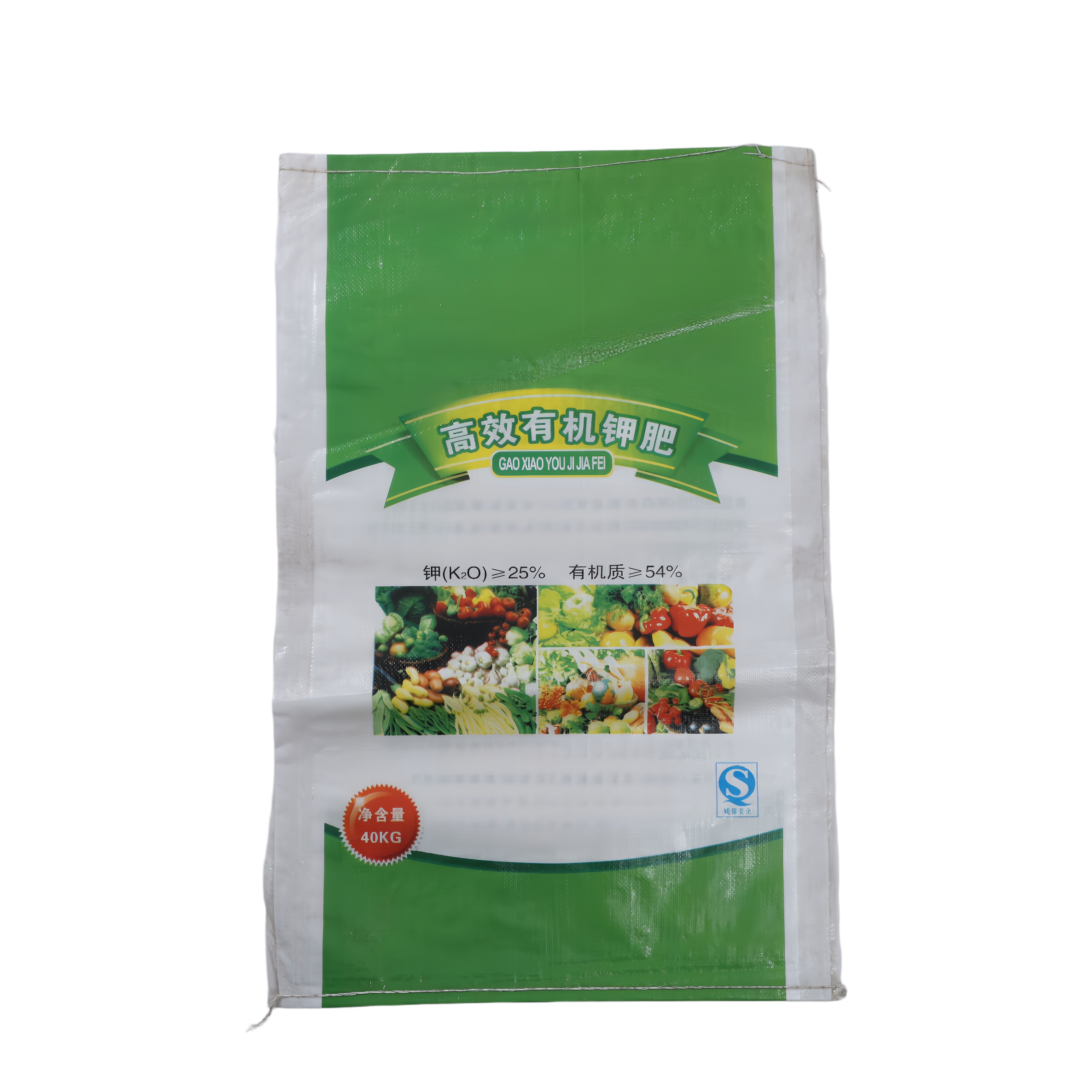
When selecting packaging solutions for industrial and commercial applications, the choice between domestic and imported laminated woven bags significantly impacts both operational efficiency and overall supply chain costs. Domestic options offer proximity advantages and faster delivery times, while imported alternatives often provide competitive pricing and advanced manufacturing capabilities. Understanding the performance characteristics, durability standards, and application suitability of each option is essential for making an informed procurement decision that aligns with your specific business requirements.
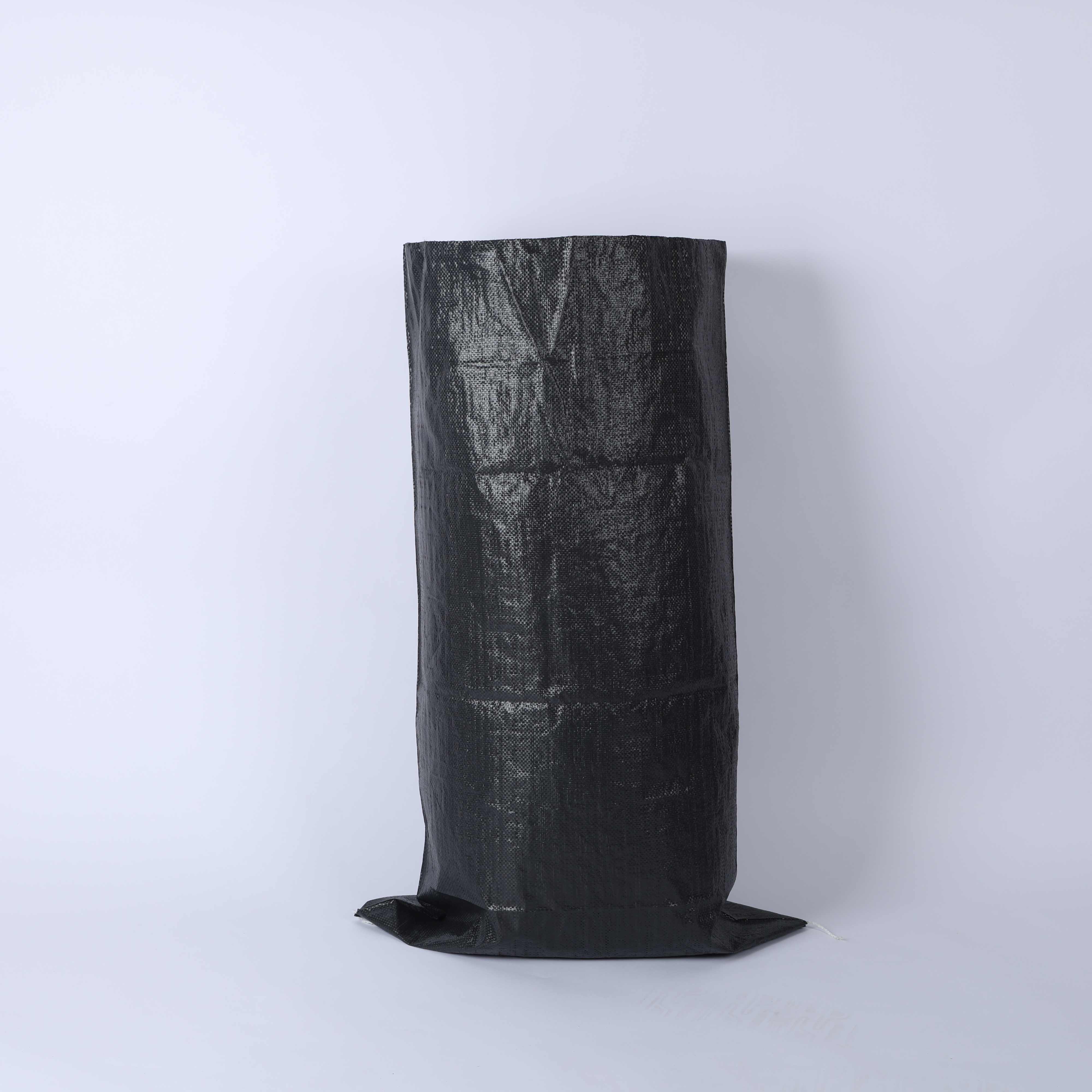
The laminated packaging bag market has evolved considerably, with both domestic manufacturers and international suppliers offering products that meet industry standards for moisture protection, puncture resistance, and load-bearing capacity. Your selection should depend on factors including production volume requirements, storage conditions, budget constraints, sustainability goals, and regulatory compliance needs. This comparison explores how domestic and imported coated woven bag options perform across key performance metrics and helps you determine which approach delivers the best value for your organization.
Domestic laminated pp sack manufacturers typically maintain shorter lead times and direct communication channels that facilitate custom specifications and rapid adjustments. Quality control processes in domestic facilities often align closely with regional regulatory frameworks, ensuring compliance with local standards for food-grade applications, chemical compatibility, and structural integrity. Many domestic producers invest in advanced equipment for coating application, heat sealing, and pattern verification, enabling consistent batch quality and reduced defect rates across production runs.
The domestic waterproof woven bag supply chain benefits from reduced transportation distances, lower import tariffs, and established logistics networks that minimize delivery delays. Domestic manufacturers often offer flexible order quantities and responsive customer service, making them attractive for businesses requiring seasonal adjustments or urgent restocking. However, domestic production capacity may be limited, and higher labor costs in developed markets sometimes result in premium pricing compared to imported alternatives, particularly for large-volume orders.
Imported laminated packaging bag suppliers leverage economies of scale and lower production costs in manufacturing-focused regions, enabling them to offer competitive pricing without sacrificing quality. Large-scale international operations often support substantial minimum order quantities, making imported solutions ideal for high-volume distributors and manufacturers with predictable annual demands. The laminated pp sack market benefits from technological advancement in overseas facilities, where modern coating technologies and automated production processes drive down per-unit costs while maintaining performance standards.
Global manufacturers often pioneer innovations in coated woven bag design, including enhanced barrier properties, improved printability for branding, and sustainable material options that address environmental concerns. Imported suppliers frequently offer extensive product variations, including different weave densities, coating thicknesses, and color options that cater to diverse industrial applications. Access to international technical expertise enables imported manufacturers to develop specialized waterproof woven bag solutions tailored to specific industries such as agriculture, chemicals, food processing, and pharmaceuticals.
Both domestic and imported laminated woven bags provide effective moisture protection through polypropylene coating that resists water penetration and maintains product integrity during storage and transport. The coating thickness and adhesion quality determine barrier performance, with proper lamination preventing delamination under humid conditions or temperature fluctuations. Quality imported products often match or exceed domestic standards for barrier properties, as coating technology has become standardized across major manufacturing regions. Choosing between domestic and imported options should prioritize actual barrier performance specifications rather than geographic origin.
The laminated packaging bag's load-bearing capacity depends on polypropylene sack quality, weave tightness, and seam construction rather than manufacturing location. Both domestic coated woven bag manufacturers and imported producers employ similar materials and weaving techniques, resulting in comparable tensile strength and puncture resistance when production standards are equivalent. Testing reports and third-party certifications provide objective measures of structural performance, enabling direct comparison between domestic and imported alternatives regardless of geographic origin.
Agricultural applications benefit from robust waterproof woven bag solutions that withstand outdoor exposure, while chemical and pharmaceutical industries require stringent barrier properties and compatibility certifications. Food-grade laminated woven bags must comply with specific material safety regulations that vary by market region, sometimes favoring domestic options already certified for local standards. Industrial manufacturing and construction sectors often prioritize cost efficiency and bulk availability, where imported laminated pp sack suppliers excel due to their production scale and global distribution networks. Evaluating application requirements ensures selection of products optimized for specific use cases rather than relying solely on domestic or imported sourcing preferences.
Domestic laminated woven bags offer responsiveness and direct relationships that support ongoing collaboration and rapid problem resolution. Imported suppliers provide stable pricing structures and consistent availability for sustained, large-volume requirements, though communication across time zones and language barriers may introduce coordination complexity. Establishing relationships with verified suppliers, whether domestic or imported, requires performance monitoring through sample testing, defect tracking, and cost benchmarking over time. Your organization benefits from having coated woven bag options from multiple sources, enabling competitive pressure and supply chain resilience.
Purchase price alone does not determine value; total cost of ownership includes transportation, inventory carrying costs, quality management, and potential waste due to defects. Domestic waterproof woven bag sourcing may justify premium pricing through faster delivery, reduced working capital tied to inventory, and lower rejection rates from quality issues. Imported laminated packaging bag solutions excel in scenarios with predictable demand and sufficient planning horizon to absorb longer lead times, as per-unit costs often decline significantly with volume commitments. Conducting detailed cost modeling incorporating all supply chain variables ensures selection of the approach that genuinely minimizes total expenditure while meeting performance requirements.
Progressive organizations employ diversified sourcing strategies, maintaining relationships with both domestic and imported laminated woven bags suppliers to mitigate supply chain disruptions. Geopolitical factors, trade policy changes, and international shipping volatility affect imported sourcing stability, while domestic capacity constraints and regional labor costs influence domestic option availability. Developing clear performance specifications, conducting regular audits, and maintaining supplier flexibility enables your organization to adapt to changing conditions while consistently accessing quality coated woven bag solutions that meet operational demands.
When quality standards and manufacturing processes are equivalent, performance differences between domestic and imported laminated pp sack products are minimal. Both typically deliver similar moisture barrier properties, tensile strength, and puncture resistance when produced with comparable materials and techniques. Differences emerge primarily in customization responsiveness, lead times, pricing, and supplier communication rather than inherent product quality. Evaluating specific performance certifications and third-party test results provides objective comparison independent of geographic sourcing.
Yes, reputable imported coated woven bag manufacturers maintain rigorous compliance with international food safety standards, chemical compatibility requirements, and regulatory certifications required for sensitive applications. Many international suppliers hold certifications from recognized bodies and undergo regular audits ensuring consistency across production batches. However, verification of specific certifications, material safety data sheets, and regulatory compliance documentation is essential before committing to imported suppliers for regulated applications. Working with established importers or distributors familiar with regional requirements reduces compliance risks significantly.
High-volume annual requirements typically favor imported waterproof woven bag suppliers due to economies of scale and competitive per-unit pricing that becomes increasingly favorable with larger order commitments. Lower-volume operations benefit from domestic suppliers' flexibility with smaller order quantities and faster delivery for seasonal demand fluctuations. Break-even analysis comparing landed costs of imported products against domestic pricing at various volume levels helps identify the sourcing approach that minimizes total cost for your specific purchase patterns. Many organizations maintain relationships with both supplier types to optimize costs across different seasonal and demand scenarios.

Discover the 4 critical production metrics—throughput, defect rate, equipment uptime & on-time delivery—to vet factories confidently.

Ensure regulatory compliance & worker safety with proven methods for chemical woven bags—material selection, labeling, storage & training.

Discover the full PP woven bag manufacturing workflow—from extrusion & weaving to printing & QC. Boost efficiency, compliance & ROI. Download the process guide now.

Struggling with weak bags or high material waste? Master extrusion and tape drawing tech for stronger, cheaper PP woven bags. Optimize your production line now.

Struggling with defects or customer returns? Discover the 5 non-negotiable quality checkpoints across your woven bag production line
Which automation tier is right for your PP woven bag factory? Compare manual to Industry 4.0 systems for cost, quality, and scalability.
Get in touch for details on polypropylene woven bags and flexible packaging solutions.
Tel
Address
No.2015, Liaoyuan Building, Lanshan District, Linyi City, Shandong Province.China

