 EN
How to Assess Production Efficiency at a PP Woven Bag Factory
Discover the 4 critical production metrics—throughput, defect rate, equipment uptime & on-time delivery—to vet factories confidently.

2026/09/01
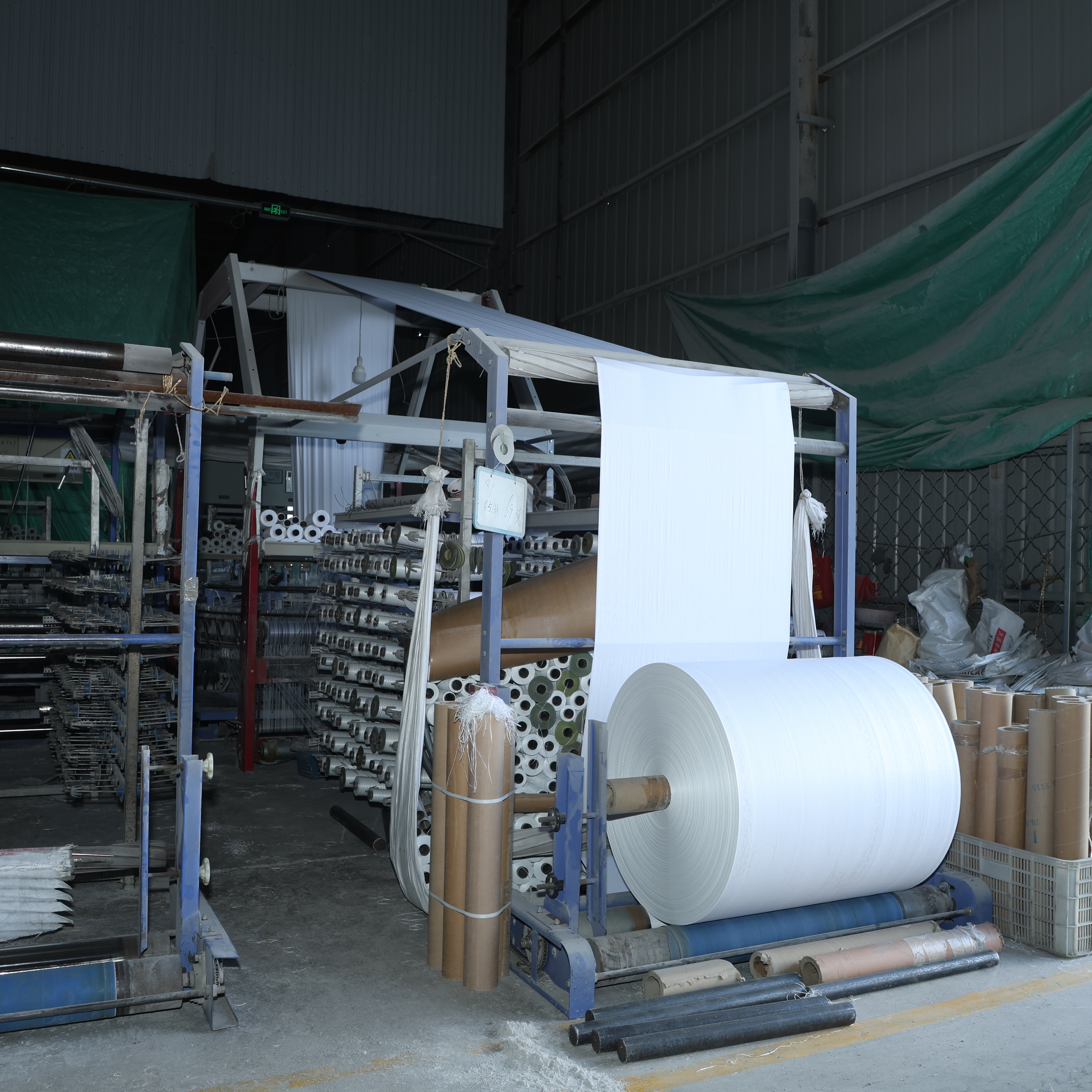
Selecting between domestic and overseas PP woven bag manufacturers represents one of the most critical sourcing decisions for businesses requiring consistent, long-term supply. The choice directly impacts cost structure, lead times, quality control, regulatory compliance, and supply chain resilience. A PP woven bag manufacturer based domestically offers proximity and familiarity, while international woven bag factory partners may provide cost advantages and specialized capabilities. Understanding the structural differences between these options enables informed decisions that align with your operational priorities and growth trajectory.
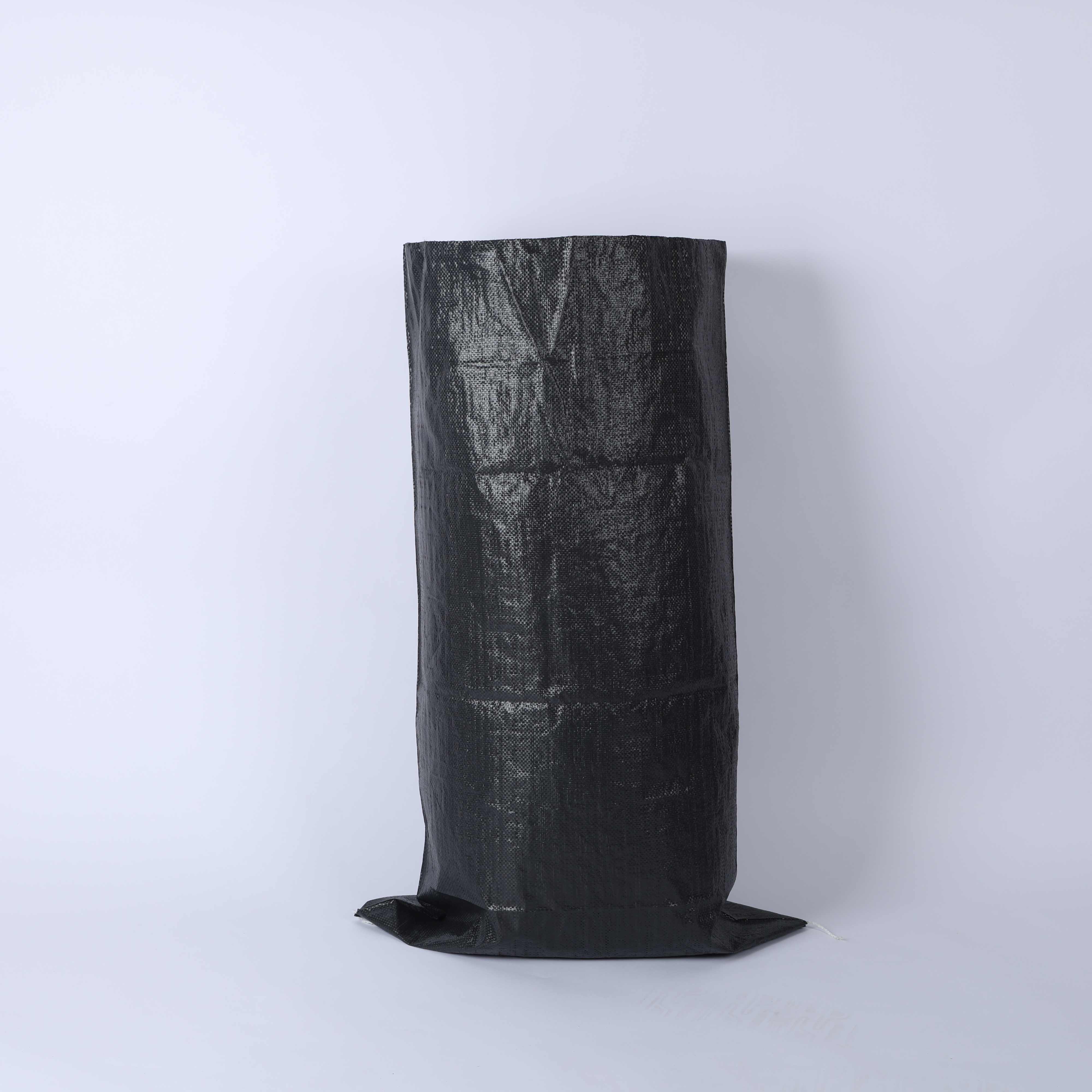
Long-term supply relationships with woven bag suppliers require more than price comparison. They demand clarity on production capabilities, quality assurance systems, regulatory certifications, minimum order volumes, and communication protocols. Whether you engage a local woven bag factory or an overseas pp bag production facility, the relationship foundation must rest on transparency, shared expectations, and proven operational discipline. This article examines the strategic, financial, and operational dimensions of each approach to help you identify the optimal supplier model for sustainable growth.
Domestic pp bag production typically carries higher base labor costs, facility overhead, and compliance expenses than overseas manufacturing. A woven bag supplier operating within your domestic market may impose price premiums reflecting local wage standards, environmental regulations, and operational infrastructure. Conversely, overseas woven bag factories benefit from lower labor inputs, reduced energy costs, and competitive regional market pressures that drive pricing efficiency. However, this apparent advantage must be weighed against logistics expenses, customs duties, currency fluctuation risks, and increased inventory holding costs associated with longer lead times from international sources.
True cost comparison extends beyond per-unit pricing to encompass the entire supply chain footprint. When selecting a custom pp woven bag producer, factor in freight charges, insurance premiums, customs clearance fees, and the working capital tied up during extended shipping windows. A domestically-based PP woven bag manufacturer may reduce your expedited freight needs, emergency shipment costs, and inventory buffer requirements. Overseas woven bag factory partnerships often enable larger bulk orders that amortize unit costs but simultaneously increase financial exposure and inventory risk. Analyze your demand pattern, storage capacity, and cash flow management before prioritizing cost minimization alone.
Domestic woven bag factories operate under direct regulatory oversight and industry standards compliance that align with your local legal framework. A local PP woven bag manufacturer subject to domestic quality inspection, environmental audits, and trade practice regulations provides predictable compliance certainty. Overseas pp bag production facilities may follow different quality benchmarks, material specifications, or testing methodologies that require additional verification and validation before acceptance into your supply chain. The woven bag supplier you select must provide transparent access to quality documentation, third-party certifications, and production specifications that demonstrate alignment with your requirements and customer expectations.
Sourcing from an international woven bag factory introduces regulatory complexity if your end markets impose strict environmental standards or material restrictions. Domestic pp bag production typically adheres to established compliance frameworks, reducing the risk of regulatory conflicts or product rejection. A custom pp woven bag manufacturer in your jurisdiction operates under familiar environmental protocols, labor standards, and food safety regulations if applicable. Overseas partners require detailed vetting regarding compliance with import regulations, tariff classifications, material certifications, and destination market requirements. Non-compliance can trigger costly shipment delays, product recalls, or legal exposure that fundamentally undermines the financial advantage of overseas sourcing.
A domestic PP woven bag manufacturer typically delivers products within two to four weeks, enabling responsive inventory management and rapid response to demand fluctuations. Domestic woven bag factory partnerships reduce logistics variability, customs processing delays, and transportation uncertainties that characterize overseas supply chains. When unexpected demand spikes occur, a local woven bag supplier can often accommodate rush orders or expedited production windows with minimal cost premium. Overseas pp bag production facilities operate under fixed production schedules and international shipping windows that limit flexibility. A custom pp woven bag partner located domestically provides operational agility that proves invaluable during supply disruptions, seasonal demand peaks, or competitive market shifts.
Direct communication and real-time problem-solving distinguish domestic woven bag suppliers from international sources. A local PP woven bag manufacturer enables face-to-face meetings, on-site inspections, and immediate escalation pathways that accelerate issue resolution. Time zone differences, language barriers, and cultural nuances complicate communication with overseas pp bag production partners, often creating delays in response times and misunderstandings regarding specifications or quality issues. A domestic woven bag factory fosters relationship depth through accessibility and personal accountability that strengthens long-term partnership stability. Overseas woven bag supplier relationships require structured communication protocols, detailed documentation, and formalized dispute resolution mechanisms that add administrative overhead.
Evaluate your specific operational requirements, financial constraints, and risk tolerance before selecting between domestic and overseas pp bag production. A custom pp woven bag manufacturer ideal for one organization may prove unsuitable for another based on volume requirements, margin targets, regulatory obligations, and supply chain positioning. Domestic woven bag factories suit businesses prioritizing reliability, flexibility, and regulatory certainty over lowest-cost acquisition. Overseas woven bag suppliers align with strategies emphasizing volume scaling, cost minimization, and market expansion into regions where international logistics costs decrease proportionally to order size. Define your core success metrics around cost, quality, reliability, compliance, and responsiveness before engaging potential woven bag suppliers.
Leading companies increasingly adopt hybrid approaches combining domestic and international woven bag factory partnerships to balance cost, resilience, and operational flexibility. A primary relationship with a domestic PP woven bag manufacturer ensures reliable baseline supply and rapid response capacity. Secondary sourcing from an overseas pp bag production facility captures cost advantages while reducing dependency on single suppliers. Custom pp woven bag producers in both markets provide redundancy that protects against supplier disruption, capacity constraints, or quality failures. This portfolio approach distributes financial and operational risk while maintaining supply chain visibility and control. Strategic suppliers become extensions of your organization rather than interchangeable vendors, creating mutual value that sustains long-term partnerships.
Overseas woven bag factories typically offer 15–30% unit cost reductions compared to domestic PP woven bag manufacturers, but total savings depend on order volumes, freight costs, and working capital implications. When logistics, duties, extended lead times, and inventory carrying costs are incorporated, net savings often range from 5–20% for substantial orders. A woven bag supplier analysis requires comparing total landed costs rather than quoted per-unit pricing. Smaller orders may show negligible or negative savings when overseas sourcing complexity is factored into total cost of ownership.
Establish detailed quality specifications, request third-party certifications, conduct initial sample testing, and implement ongoing incoming quality inspections for any woven bag supplier. A custom pp woven bag manufacturer should provide production documentation, material test reports, and photographic evidence of quality assurance processes. Periodic on-site audits of overseas pp bag production facilities validate compliance and identify improvement opportunities. Building quality accountability into supplier contracts through penalty clauses or performance bonuses incentivizes continuous improvement. Regular communication and transparent feedback loops help overseas woven bag factory partners understand expectations and correct deviations promptly.
Yes, competitive domestic woven bag factories often reduce per-unit pricing significantly for large-volume commitments, sometimes matching or approaching overseas pp bag production costs while preserving supply chain advantages. A local PP woven bag manufacturer offering volume-based pricing retains benefits of shorter lead times, superior communication, and operational flexibility. Request detailed volume pricing structures and negotiate contract terms that align order commitments with production efficiency gains. Many domestic woven bag suppliers reward long-term relationships through progressive pricing that improves alongside order growth, creating mutual incentive for partnership deepening.

Discover the 4 critical production metrics—throughput, defect rate, equipment uptime & on-time delivery—to vet factories confidently.

Ensure regulatory compliance & worker safety with proven methods for chemical woven bags—material selection, labeling, storage & training.

Discover the full PP woven bag manufacturing workflow—from extrusion & weaving to printing & QC. Boost efficiency, compliance & ROI. Download the process guide now.

Struggling with weak bags or high material waste? Master extrusion and tape drawing tech for stronger, cheaper PP woven bags. Optimize your production line now.

Struggling with defects or customer returns? Discover the 5 non-negotiable quality checkpoints across your woven bag production line
Which automation tier is right for your PP woven bag factory? Compare manual to Industry 4.0 systems for cost, quality, and scalability.
Get in touch for details on polypropylene woven bags and flexible packaging solutions.
Tel
Address
No.2015, Liaoyuan Building, Lanshan District, Linyi City, Shandong Province.China

