 EN
How to Assess Production Efficiency at a PP Woven Bag Factory
Discover the 4 critical production metrics—throughput, defect rate, equipment uptime & on-time delivery—to vet factories confidently.

2026/08/28
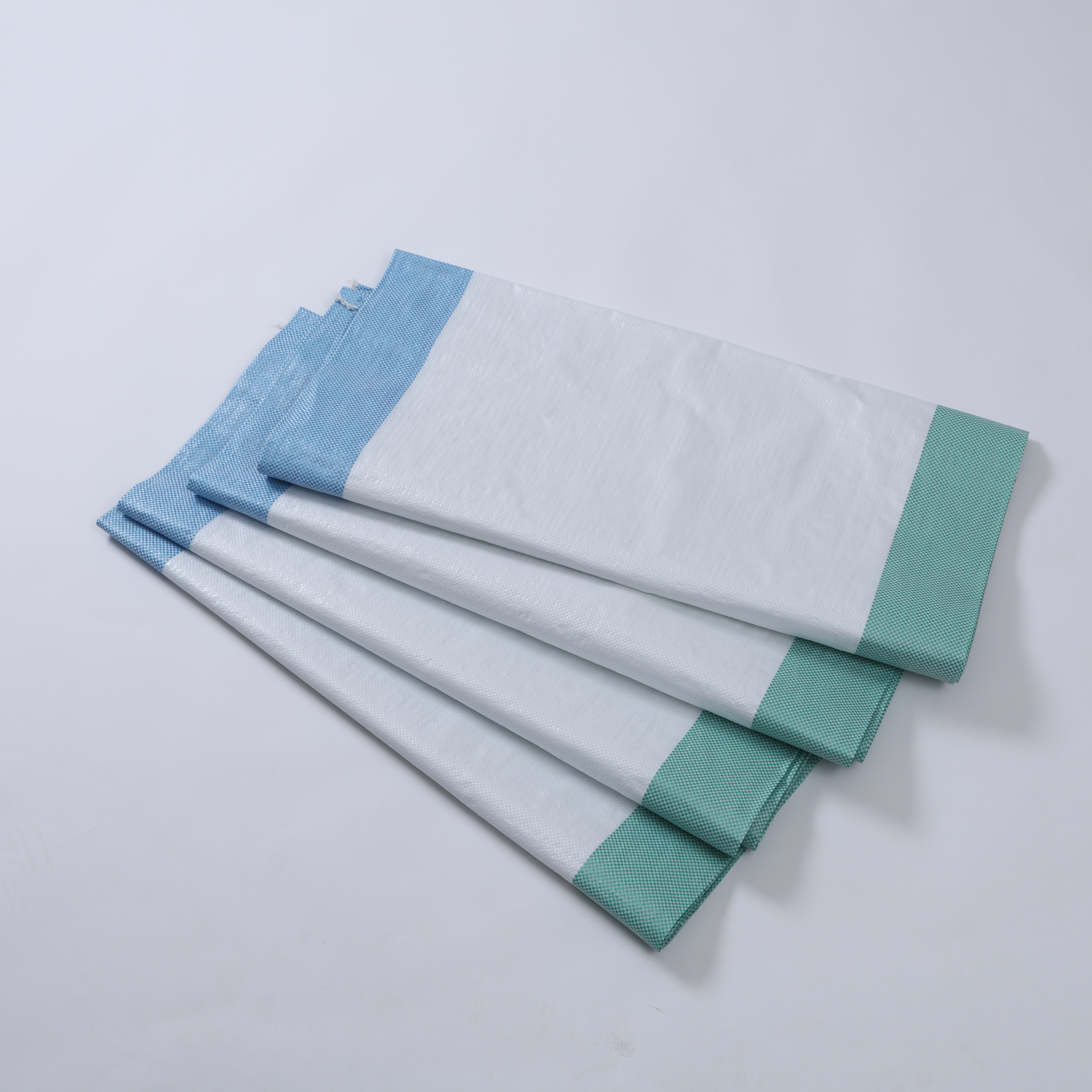
Industrial operations depend on reliable packaging solutions that withstand demanding environments. The pp woven bag has become the standard choice for bulk material transport, chemical storage, and agricultural applications. However, maximizing the lifespan of these polypropylene woven bags requires understanding how environmental factors, handling practices, and storage conditions affect durability. Organizations that fail to implement proper maintenance protocols often face premature failure, increased replacement costs, and operational disruptions. This guide explores practical, evidence-based methods to extend the performance and longevity of your pp woven sack inventory.
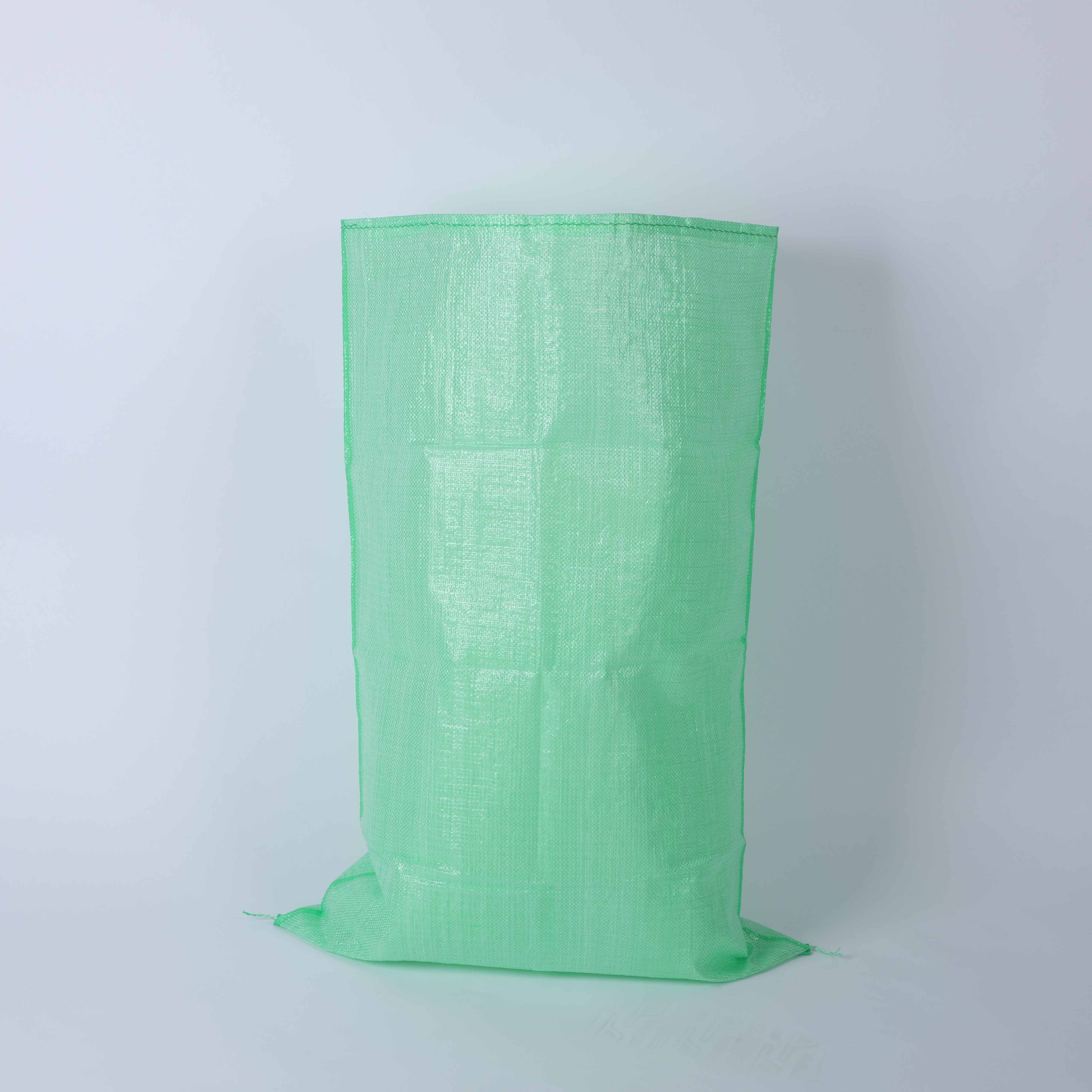
The lifecycle of a polypropylene woven bag begins long before it reaches your facility and extends well beyond its initial use. Understanding how environmental exposure, chemical interaction, mechanical stress, and storage methodology impact woven polypropylene packaging allows operators to make informed decisions about deployment, rotation, and maintenance strategies. By implementing systematic approaches to condition monitoring and preventive care, industries can significantly reduce waste, optimize asset utilization, and maintain consistent product quality throughout the supply chain.
Temperature fluctuations and moisture absorption are primary drivers of premature degradation in polypropylene woven bags. Polypropylene woven packaging exhibits reduced tensile strength when exposed to sustained heat above 50 degrees Celsius, while moisture penetration weakens fiber bonds and promotes mold growth. Industrial facilities should store pp bulk bags in climate-controlled environments where temperature remains between 15 and 25 degrees Celsius and relative humidity stays between 35 and 65 percent. Warehouses lacking climate control should implement ventilation systems that promote air circulation and prevent moisture accumulation in stacked inventory.
Ultraviolet radiation is a significant threat to pp woven sack integrity, particularly in outdoor or partially exposed storage areas. UV exposure accelerates polymer chain breakdown, reducing flexibility and tear resistance within weeks rather than months. High-density polyethylene covers, UV-blocking tarps, or dedicated indoor storage substantially improve longevity. Additionally, certain chemicals naturally present in industrial environments—such as strong solvents, oxidizing agents, and corrosive compounds—can interact with polypropylene woven packaging and accelerate material degradation. Facilities should identify incompatible substances and implement segregation protocols to prevent accidental contact between hazardous materials and bag inventory.
Mechanical damage accounts for a substantial portion of premature failures in pp woven bag operations. Sharp edges on forklifts, rough handling during stacking, and dragging across rough surfaces create abrasions, punctures, and seam tears that compromise package integrity. Operators should use padded forks or pallet jacks rather than exposed tines to minimize contact stress. Training programs should emphasize smooth handling, gentle placement, and vertical stacking alignment to prevent lateral compression and binding. Organizations managing large volumes of pp bulk bags benefit from designated staging areas with smooth flooring and equipment designed specifically for woven polypropylene packaging to reduce mechanical shock.
The weight-bearing capacity of a polypropylene woven bag depends on its construction, material grade, and current condition. Excessive stacking height concentrates load pressure on lower bags, creating permanent deformation and stress points that fail prematurely under subsequent use. Best practice guidelines suggest limiting stack height to eight bags for standard pp woven sack configurations, with lower stacking heights recommended for older or lower-grade materials. Cross-stacking patterns improve stability and distribute compression forces more evenly than aligned stacking. Regular inspection of stack bases helps identify early signs of bulging, crushing, or fiber separation, allowing preventive repositioning before catastrophic failure occurs.
Woven polypropylene packaging degrades continuously, even in ideal storage conditions. Implementing first-in-first-out inventory rotation ensures that pp bulk bags are deployed before cumulative environmental exposure reaches critical thresholds. Facilities should track bag acquisition dates and conduct quarterly rotation audits to prevent extended storage of aging inventory. Rapid turnover typically results in higher performance and fewer operational failures compared to static stockpiles. Organizations operating with lower demand volumes should consider smaller, more frequent orders rather than maintaining large reserves that exceed annual consumption, reducing overall degradation exposure and minimizing waste.
Premium and long-term storage of pp woven bag inventory benefits from dedicated facilities designed specifically for polypropylene woven packaging protection. Environmental chambers maintaining constant temperature, controlled humidity, and sealed storage reduce degradation rates by 60 to 70 percent compared to standard warehouses. Silica gel desiccant packets placed within storage areas absorb moisture and prevent humidity-related deterioration. For critical applications where bag failure poses safety or regulatory risks, sealed storage containers or nitrogen-flushed packaging significantly extend shelf life. The incremental investment in specialized storage typically yields positive return through reduced premature failures, lower replacement frequency, and consistent performance.
Systematic inspection protocols identify damaged or degraded pp woven bags before they enter active service. Visual examinations should assess color uniformity, surface integrity, and seam quality, as discoloration often indicates UV damage or chemical exposure. Physical tests including flex testing, drop testing, and tensile sampling provide quantitative data on material condition. Facilities should conduct monthly inspections on stored inventory, removing any bags showing visible cracks, brittleness, or seam separation from circulation. Early detection and segregation of compromised bags prevents field failures that disrupt operations or create safety hazards. Documentation of inspection findings establishes baseline performance metrics and helps predict remaining useful life for aging inventory.
Minor damage to polypropylene woven packaging need not mandate immediate disposal. Small tears, pinhole punctures, and seam separation can be economically repaired using specialized repair tape, fabric patches, or thermal fusion techniques. Hot-melt adhesive patches adhere securely to pp woven bag surfaces and maintain integrity through repeated handling and storage cycles. Organizations maintaining large inventories may justify investment in thermal sealing equipment capable of repairing seams and reinforcing stress points. Strategic repair programs extend individual bag lifespan by 12 to 24 months while preserving capacity for applications where appearance is less critical. However, bags showing structural compromise affecting load-bearing capacity should be retired rather than repaired to maintain safety standards.
Moisture absorbed into polypropylene woven packaging reduces the tensile strength of individual fibers by interfering with polymer chain bonding. High humidity creates environmental stress that accelerates fiber microcracking, weakens seam integrity, and promotes mold and mildew growth. Maintaining storage relative humidity below 65 percent prevents moisture migration into pp bulk bag material. When bags are exposed to wet conditions, thorough air drying in ventilated spaces restores most original strength properties. For chemical-sensitive applications, pp woven sacks should be stored with desiccant materials to maintain optimal dry conditions and extend usable lifespan.
Under ideal storage conditions—consistent temperature, low humidity, UV protection, and gentle handling—polypropylene woven packaging typically maintains performance for 24 to 36 months before cumulative degradation becomes significant. In outdoor or uncontrolled environments, useful lifespan often decreases to 6 to 12 months due to accelerated UV and moisture-related damage. pp bulk bags subjected to repeated temperature cycling, chemical exposure, or mechanical stress may show performance decline within 12 to 18 months. Regular inspection programs help identify individual bags approaching end-of-life regardless of storage duration. Organizations should track performance data for their specific pp woven sack applications to establish realistic replacement intervals and optimize purchasing schedules.
Polypropylene woven bags retain material value after primary use and can be reprocessed through industrial recycling systems that shred and pelletize the material for secondary applications. Many facilities donate or sell used woven polypropylene packaging to recyclers rather than disposing through waste streams. Secondary market applications for recycled pp woven bag material include agricultural mulch, composite reinforcement, and engineered lumber components. Some organizations implement internal reuse programs, deploying aged but structurally sound bags for non-critical storage or temporary containment applications before final recycling. Establishing recycling partnerships or secondary market channels often offsets disposal costs and demonstrates environmental stewardship to stakeholders and regulators.

Discover the 4 critical production metrics—throughput, defect rate, equipment uptime & on-time delivery—to vet factories confidently.

Ensure regulatory compliance & worker safety with proven methods for chemical woven bags—material selection, labeling, storage & training.

Discover the full PP woven bag manufacturing workflow—from extrusion & weaving to printing & QC. Boost efficiency, compliance & ROI. Download the process guide now.

Struggling with weak bags or high material waste? Master extrusion and tape drawing tech for stronger, cheaper PP woven bags. Optimize your production line now.

Struggling with defects or customer returns? Discover the 5 non-negotiable quality checkpoints across your woven bag production line
Which automation tier is right for your PP woven bag factory? Compare manual to Industry 4.0 systems for cost, quality, and scalability.
Get in touch for details on polypropylene woven bags and flexible packaging solutions.
Tel
Address
No.2015, Liaoyuan Building, Lanshan District, Linyi City, Shandong Province.China

