 EN
How to Assess Production Efficiency at a PP Woven Bag Factory
Discover the 4 critical production metrics—throughput, defect rate, equipment uptime & on-time delivery—to vet factories confidently.

2026/08/24
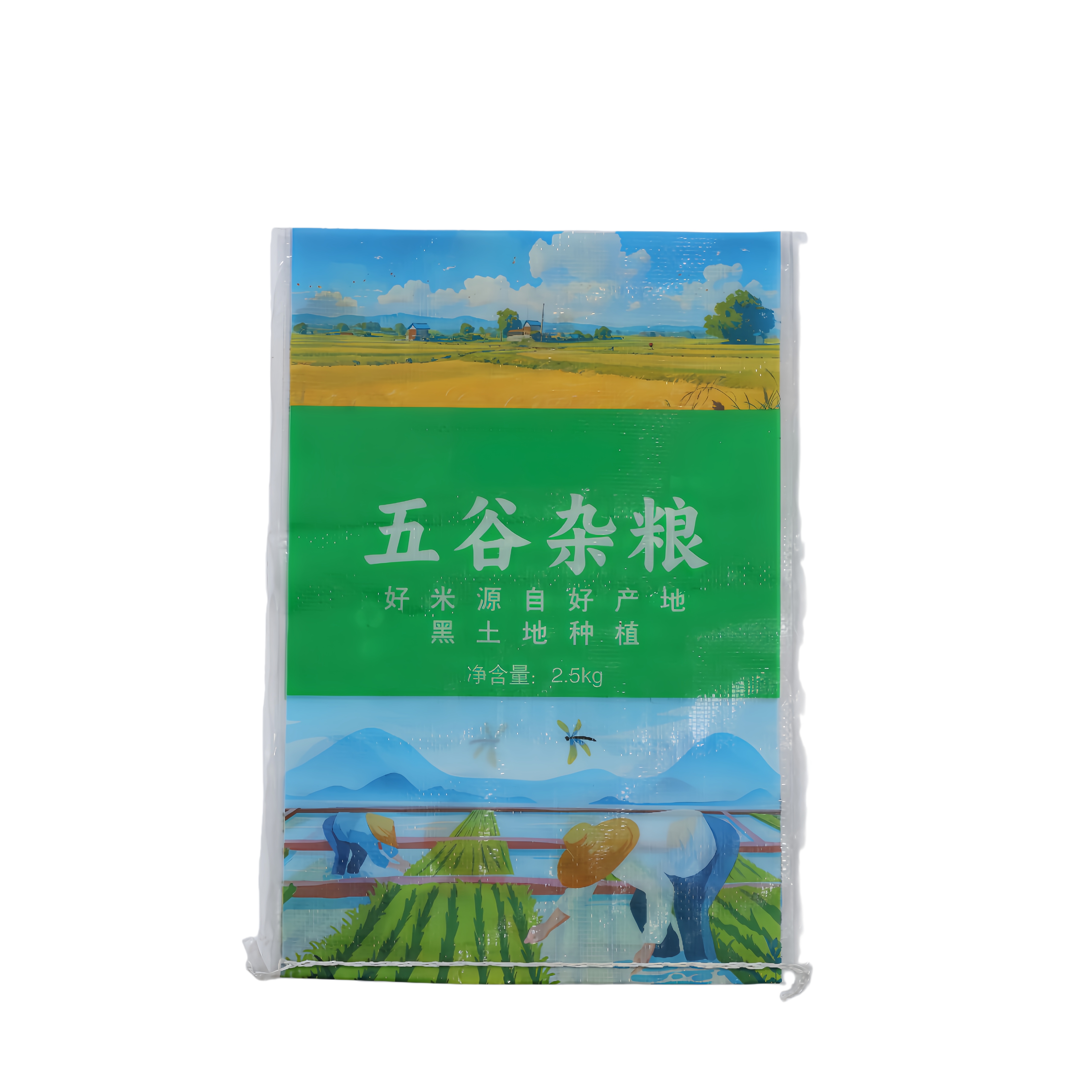
When sourcing rice bags for your agricultural or food business, the distinction between a full production rice bag manufacturer and an assembly-only factory can significantly impact your supply chain reliability, quality control, and long-term costs. A full production rice bag manufacturer manages every stage from raw material procurement through final quality inspection, while assembly-only operations depend on pre-made components supplied by third parties. Understanding these differences helps you make informed decisions aligned with your business needs and risk tolerance.
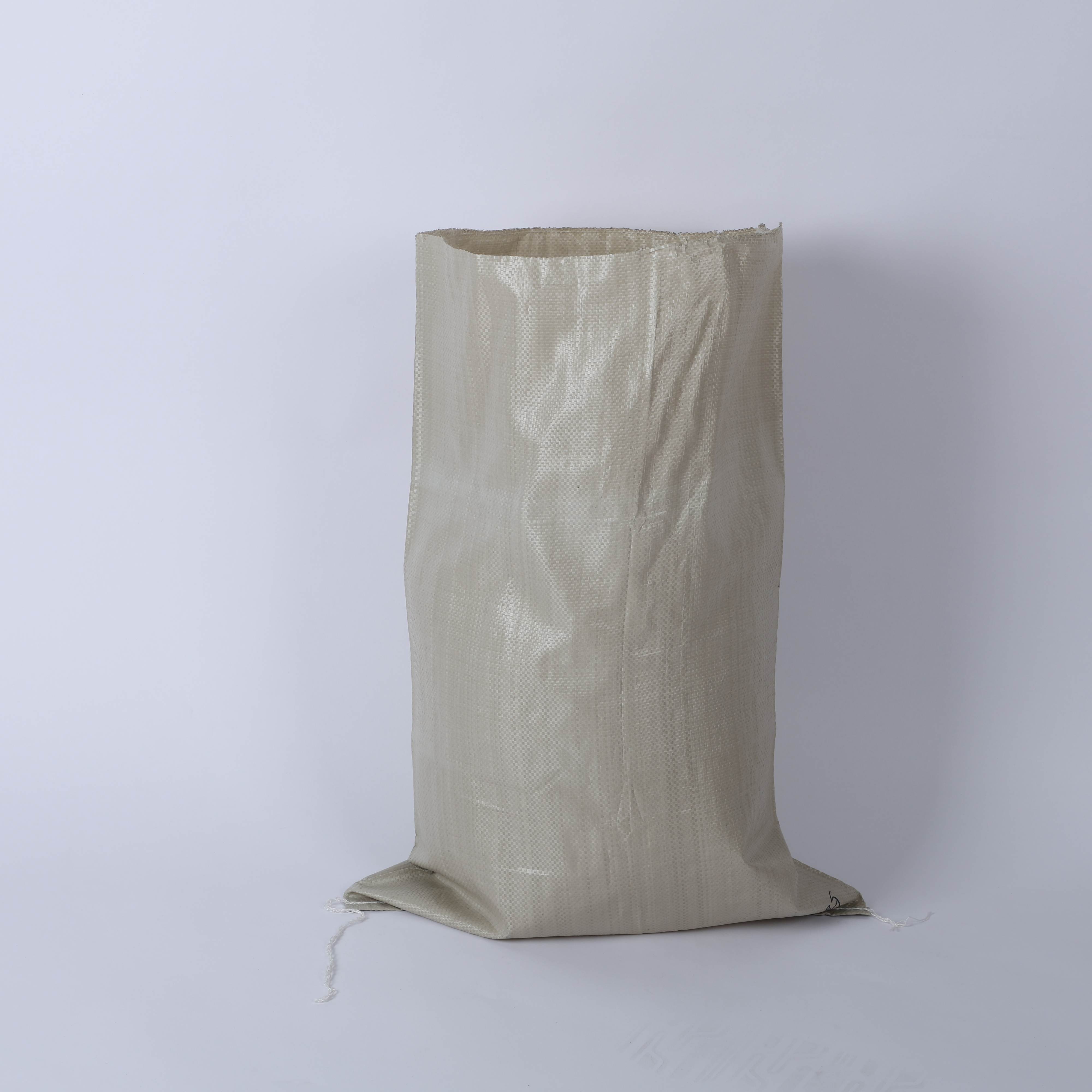
The choice between these two operational models affects everything from delivery timelines and customization flexibility to cost predictability and technical support. Full-service producers offer integrated solutions with end-to-end accountability, whereas assembly facilities prioritize speed and lower overhead by outsourcing raw material production. Both models serve legitimate market segments, but each carries distinct advantages and constraints that warrant careful evaluation.
A complete rice bag factory operates raw material processing, film extrusion, weaving, coating, printing, and final assembly under one roof or through closely managed subsidiary operations. This vertical integration gives a full production rice packaging supplier direct authority over material specifications, machinery settings, and quality gates at each production stage. When problems arise—such as inconsistent lamination, weak weave patterns, or color variation—the manufacturer can trace root causes to specific equipment or processes and implement corrective action immediately without depending on external suppliers' cooperation.
Quality consistency matters profoundly in rice bag applications. Bags must withstand stacking weight, moisture exposure, and mechanical handling during storage and transport. Full production rice bag manufacturers control resin selection, weaving density, coating thickness, and heat-sealing parameters directly, enabling tight tolerances on puncture resistance, tear strength, and moisture barrier properties. This direct control reduces variability and supports custom requirements such as reinforced seams for high-weight applications or specialized coatings for humid climates.
Custom rice bag designs often require rapid iteration and adjustment. A dedicated rice bag factory with full production capabilities can modify film formulations, adjust weaving parameters, test new ink systems, and validate changes within days. If your business needs a special lamination pattern, a unique color, or enhanced barrier properties for export markets, an integrated manufacturer can prototype, test, and scale production without negotiating with multiple component suppliers. This agility is especially valuable during product launches or when responding to regulatory changes in different markets.
Lead times for custom work also stabilize when a single rice packaging supplier manages all production stages. Rather than waiting for external film orders, weaving batches, and assembly scheduling to align, an integrated facility can prioritize your custom rice bag order across all departments. This coordination typically shortens delivery windows from eight to twelve weeks down to four to six weeks for moderate-volume orders, enabling better inventory planning and faster market response.
Assembly-only rice bag factories purchase finished or semi-finished components—pre-woven fabric rolls, pre-printed laminates, or partially formed bags—and complete cutting, sealing, printing, or packaging steps in-house. This model drastically reduces capital investment because the facility avoids the expense of film extrusion lines, weaving looms, and coating equipment. An assembly operation can launch production within weeks rather than the months or years required to install and commission integrated manufacturing systems.
For businesses seeking standard pp rice bag production volumes at the lowest entry cost, assembly facilities deliver competitive pricing. Without carrying overhead for raw material processing, equipment maintenance, or raw material inventory risk, these producers can quote aggressively on large orders of standard-specification bags. If your requirements are stable—such as purchasing ten thousand identical natural kraft or printed polypropylene bags monthly—an assembly-only rice bag factory often provides excellent value and predictable unit costs.
The primary trade-off is dependency on multiple external suppliers, each controlling a critical component. If your assembly partner sources woven fabric from Supplier A, adhesives from Supplier B, and print inks from Supplier C, any disruption upstream cascades into your rice bags. A delay in fabric delivery, a batch of substandard adhesive, or a printing ink shortage can halt production without the assembly factory having immediate recourse or visibility into root causes. Additionally, quality standards vary across suppliers; one supplier may deliver consistent 150-micron film thickness, while another's output fluctuates between 140 and 160 microns, introducing variability the assembly facility cannot control.
Customization requests also become complicated. If you ask an assembly-only rice packaging supplier to modify bag dimensions, add a special print technique, or change the lamination profile, the factory may lack the technical capability or upstream supplier relationship to accommodate the request within acceptable timelines or costs. You may be redirected to the fabric supplier or adhesive vendor, creating communication delays and potential misalignment between your requirements and delivered products.
Evaluate your actual demand profile, customization requirements, and risk tolerance. High-volume, standard-specification needs align well with assembly-only rice bag factories if cost is the primary driver and delivery predictability is adequate. Conversely, if you require consistent quality across dozens of orders, frequently modify specifications, source for export markets with stringent bag standards, or need technical partnership to solve packaging challenges, a full production rice bag manufacturer provides superior control and collaboration capability.
Consider also your geographic location and supplier reliability. In regions where raw material sourcing is volatile or supplier networks are fragmented, a vertically integrated rice packaging supplier insulates you from external disruption. If you operate in an established industrial hub with stable, multiple component suppliers, an assembly-only operation may offer sufficient resilience and cost advantage. Request references, inspect facilities, and review defect rate data for comparable customers before committing to either model.
Full production rice bag manufacturers typically quote higher per-unit prices on standard orders because overhead is distributed across their equipment, quality departments, and customization capabilities. However, when you factor in reduced variability, shorter lead times for custom work, and technical support for challenging applications, the total cost of ownership often proves competitive or favorable over time. Assembly-only facilities win on headline pricing for bulk standard orders but may impose substantial premiums for rush deliveries, minor customizations, or quality escalations that exceed their supplier's capability.
Request detailed quotes that break down material costs, labor, quality assurance, and delivery timelines. A comprehensive rice bag factory quote may show higher line costs but faster production, fewer defects, and more flexibility for volume changes. Compare not just per-bag price but total supply chain cost including your carrying inventory risk, potential waste from defects, and operational disruption from delayed or inconsistent deliveries.
A full production rice bag factory controls material quality, weaving parameters, coating thickness, and printing processes end-to-end, eliminating dependency on external suppliers and enabling rapid quality response. This vertical integration supports consistent quality, faster customization, and better risk management for buyers with demanding specifications or variable requirements. Assembly-only facilities cannot match this flexibility because their quality depends on upstream suppliers they do not control.
Assembly-only rice packaging suppliers excel when you need large volumes of standard-specification bags at the lowest possible unit cost and your requirements remain stable month to month. If customization is minimal, delivery lead times are not critical, and your suppliers have proven reliability, the lower overhead and competitive pricing of assembly operations deliver strong value. This model works especially well for established businesses with stable demand and minimal product innovation cycles.
Request samples from multiple production runs and test them for puncture resistance, tear strength, moisture barrier properties, and print clarity. A full production rice bag manufacturer should demonstrate tighter variation across samples because all processes are controlled internally. For assembly-only operations, ask for supplier certifications and quality data from their component vendors to understand potential variability. Conducting third-party testing on samples from both candidates provides objective data to support your decision.

Discover the 4 critical production metrics—throughput, defect rate, equipment uptime & on-time delivery—to vet factories confidently.

Ensure regulatory compliance & worker safety with proven methods for chemical woven bags—material selection, labeling, storage & training.

Discover the full PP woven bag manufacturing workflow—from extrusion & weaving to printing & QC. Boost efficiency, compliance & ROI. Download the process guide now.

Struggling with weak bags or high material waste? Master extrusion and tape drawing tech for stronger, cheaper PP woven bags. Optimize your production line now.

Struggling with defects or customer returns? Discover the 5 non-negotiable quality checkpoints across your woven bag production line
Which automation tier is right for your PP woven bag factory? Compare manual to Industry 4.0 systems for cost, quality, and scalability.
Get in touch for details on polypropylene woven bags and flexible packaging solutions.
Tel
Address
No.2015, Liaoyuan Building, Lanshan District, Linyi City, Shandong Province.China

