 EN
How to Assess Production Efficiency at a PP Woven Bag Factory
Discover the 4 critical production metrics—throughput, defect rate, equipment uptime & on-time delivery—to vet factories confidently.

2026/08/11
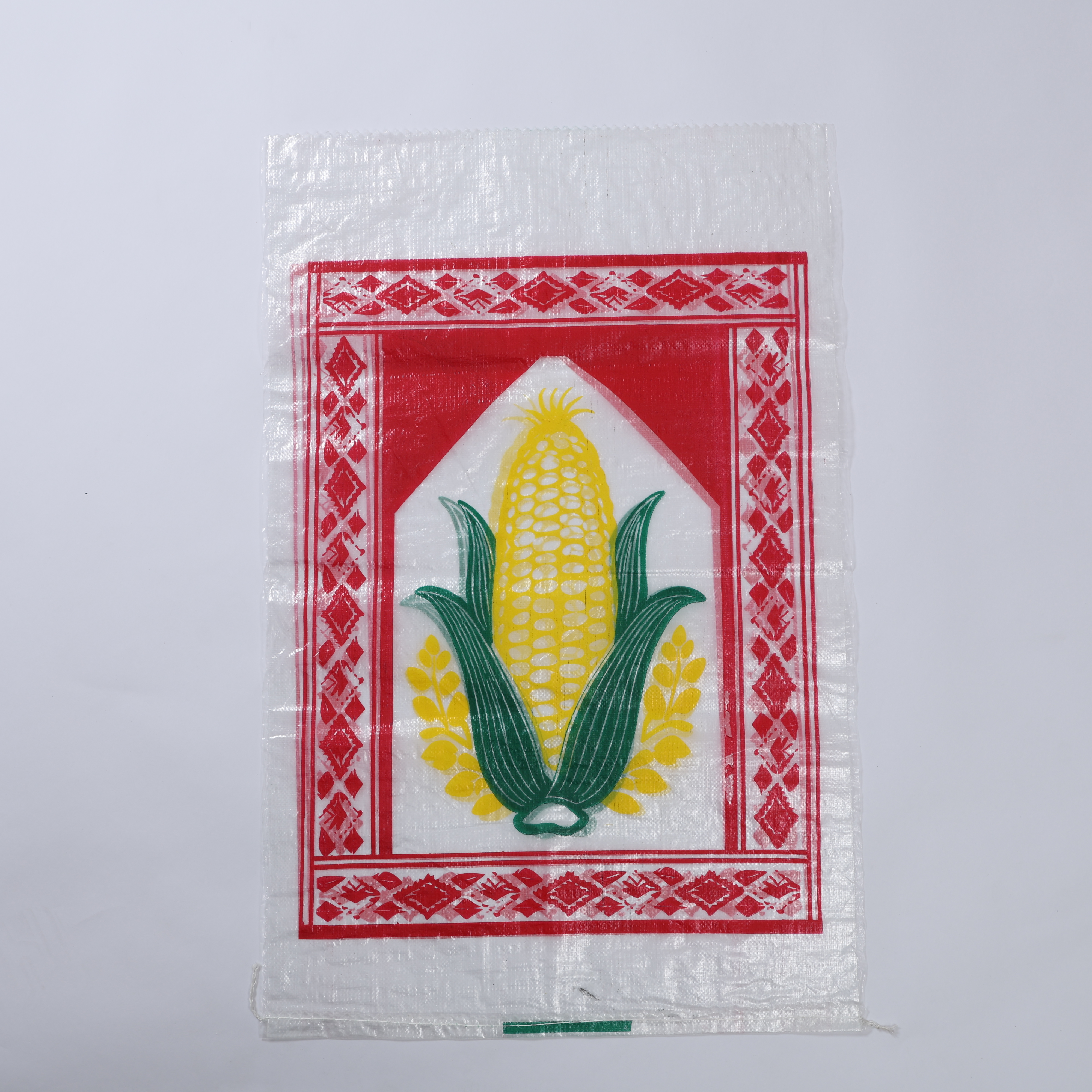
Choosing the right rice bag style directly impacts customer satisfaction, operational efficiency, and shelf appeal in retail environments. The decision between handle style and standard designs extends beyond aesthetics; it influences purchasing behavior, storage logistics, and perceived product value. Retailers managing grain storage bags and rice woven bag selections must understand how each style serves different customer segments and store layouts. This distinction has become increasingly important as modern consumers seek convenience without compromising quality or affordability.
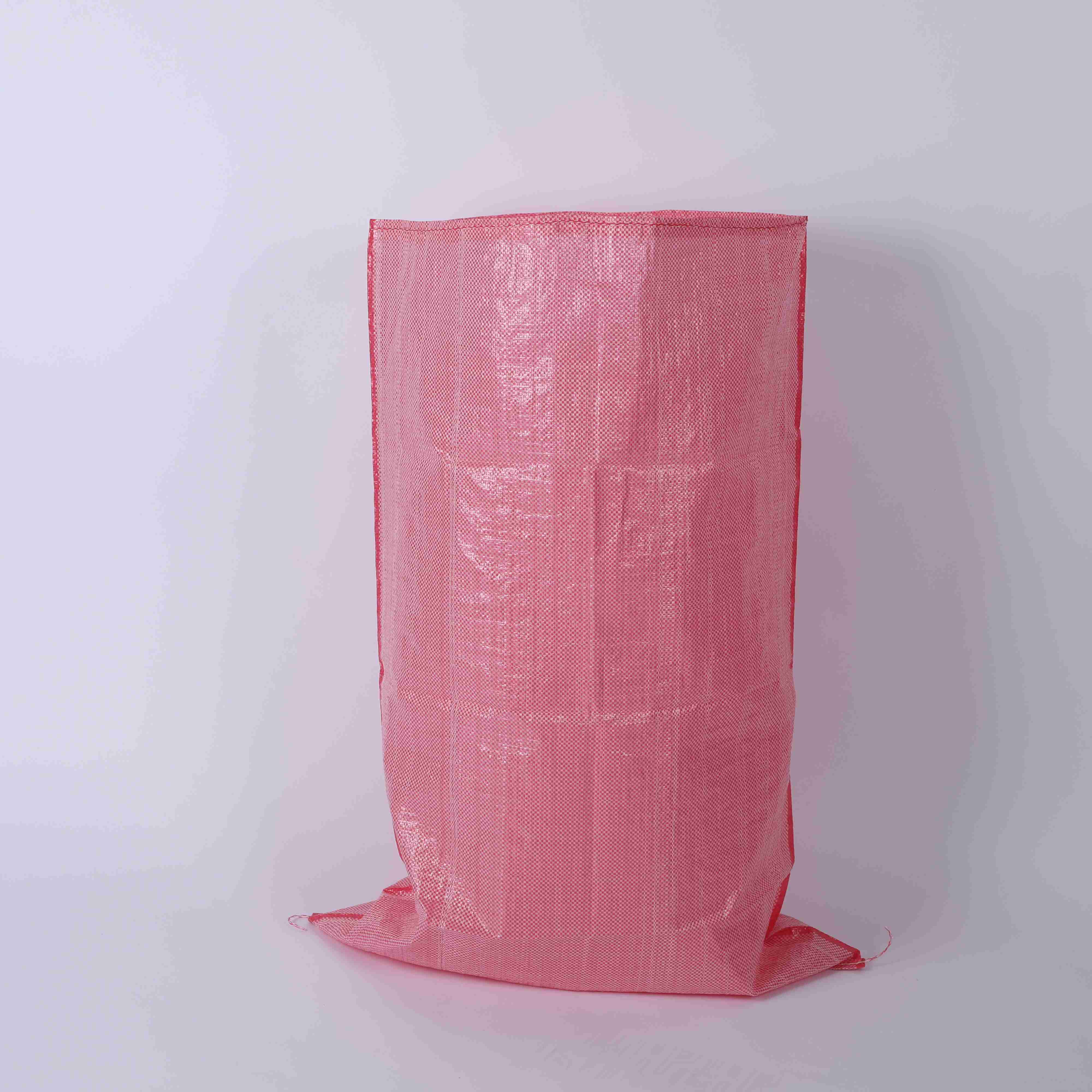
The retail landscape has evolved significantly in how grain storage bag and rice packaging bag presentations influence consumer choice. Handle style bags represent a modern approach to convenience, while standard designs continue to dominate cost-conscious markets. Understanding the strengths and limitations of each rice woven bag format helps retailers optimize inventory, reduce waste, and align product offerings with customer demographics. Both pp rice sack configurations serve legitimate market segments, and the best choice depends on your specific retail context, target audience, and competitive positioning.
Handle style rice bags incorporate ergonomic features that make transport and storage easier for end consumers. These pp rice sack designs include reinforced fabric handles or structured carrying components that integrate seamlessly into the rice packaging bag structure. The handle mechanism reduces strain on consumer hands, improves grip stability, and makes products easier to move from shopping carts to home storage. For retail environments, this design choice appeals directly to shoppers seeking convenient grain storage bag solutions that reduce effort during purchase and transport.
The construction quality of handle-equipped rice bags determines durability and customer perception of value. Premium reinforcement at handle attachment points prevents tearing and ensures the rice woven bag maintains structural integrity throughout multiple use cycles. Retailers notice that handle style bags generate higher perceived value, justifying slightly elevated price points while maintaining competitive positioning in the rice bag market segment.
Handle style rice woven bags target demographic segments prioritizing convenience and ease of use. Urban shoppers, elderly customers, and health-conscious consumers often prefer this rice packaging bag design because it aligns with their lifestyle preferences. The handle feature communicates modernity and customer-centric thinking, reinforcing premium positioning for retailers willing to stock higher-end grain storage bag options. This pp rice sack design naturally commands shelf space premium in grocery stores, specialty retailers, and convenience-focused channels.
Retailers using handle style rice bags report improved customer retention and positive feedback regarding product accessibility. The convenience factor becomes a purchasing advantage in competitive markets where multiple rice bag brands occupy the same shelf space. This design approach particularly resonates in urban retail environments and areas with aging populations seeking ergonomic solutions for daily shopping tasks.
Standard rice bags represent the foundational grain storage bag design without added features or materials that increase production costs. These rice packaging bags focus on protective functionality, utilizing quality rice woven materials without handle mechanisms or elaborate construction elements. The pp rice sack approach prioritizes affordability while maintaining adequate structural integrity for product protection during retail display and consumer transport. For price-sensitive market segments, standard rice bags deliver essential performance without premium pricing.
The simplicity of standard rice bags enables manufacturing efficiency and cost reduction throughout the supply chain. Retailers purchasing these grain storage bags in volume benefit from lower per-unit expenses, allowing competitive pricing that appeals to budget-conscious shoppers. This rice packaging bag configuration remains dominant in markets where consumers prioritize cost minimization over convenience features, particularly in developing regions and communities with price-focused purchasing habits.
Standard rice woven bags offer retailers significant advantages in warehouse management and inventory optimization. The uniform design of these pp rice sack containers simplifies storage procedures, stacking logistics, and shelf placement compared to handle-equipped alternatives. Retailers can maximize warehouse capacity and organize grain storage bags more efficiently without accommodating protruding handles or reinforced structures. This operational efficiency translates directly into reduced handling costs and improved inventory turnover rates.
The straightforward nature of standard rice bags reduces potential damage during retail logistics and shelf restocking cycles. Uniform stacking prevents handle entanglement and structural complications that sometimes occur with handle style rice packaging bags. For high-volume retailers and distributors managing extensive grain storage bag inventories, this simplification creates measurable cost savings and operational reliability advantages over handle-equipped alternatives.
Handle style rice bags excel in customer experience metrics related to convenience and ease of handling, whereas standard rice woven bags prioritize cost efficiency and product protection. Performance evaluation of rice packaging bags should consider total cost of ownership, which includes purchase price, handling expenses, customer satisfaction, and repeat purchase likelihood. Handle style pp rice sacks generate higher perceived value and can justify premium pricing, while standard grain storage bag options remain cost-competitive in price-sensitive segments. The best rice bag selection depends on whether your retail strategy emphasizes convenience premiums or value positioning.
Customer feedback consistently shows that handle style rice bags reduce purchase friction for convenience-seeking demographics, while standard designs satisfy customers prioritizing affordability. Retailers should survey their customer base to understand whether convenience features justify the price differential in their specific market. Testing both rice packaging bag types allows retailers to measure actual customer preference, sales performance, and margin impact before committing to inventory selection decisions.
Premium retail environments and specialty grocers benefit from offering handle style rice bags as part of broader convenience-focused brand positioning. These establishments can differentiate rice packaging offerings and justify higher margins through enhanced customer experience and differentiation. Conversely, discount retailers and value-focused channels should prioritize standard rice woven bags and grain storage bags to maintain price competitiveness while preserving profitability on high-volume transactions. The pp rice sack selection should align with your overall retail strategy and customer value proposition.
Some retailers successfully employ a dual-strategy approach, stocking both handle style and standard rice bags to serve diverse customer segments within the same location. This rice packaging bag diversification allows customers to choose based on personal preference and willingness to pay, capturing both convenience-focused and value-conscious purchasers. This balanced approach to grain storage bag inventory management requires careful shelf space allocation but often maximizes total rice bag sales and customer satisfaction metrics.
Your selection should depend on your target customer demographics, competitive positioning, and retail channel focus. If your market includes affluent urban shoppers or aging populations, handle style rice packaging bags provide competitive advantage through convenience. For price-sensitive markets and discount retail channels, standard rice woven bags and grain storage bags maintain profitability while meeting customer cost expectations. Consider testing both pp rice sack options to measure actual sales performance and customer preference in your specific retail environment before making final inventory commitments.
Handle style rice bags command premium pricing and often generate higher per-unit margins, but volume may differ compared to standard rice packaging bags. Customer research and sales testing provide the most reliable data for this rice bag economics question. Many retailers find that handle style grain storage bags perform well in premium positioning but succeed primarily when clearly differentiated on shelf and promoted to convenience-seeking customer segments. Standard rice woven bags continue generating reliable volume in price-competitive pp rice sack categories, making margin comparison more nuanced than simple price point analysis.
Many successful retailers stock both rice bag designs to serve diverse customer preferences and maximize market penetration. Dual-format rice packaging bag strategies require clear shelf organization and space allocation to prevent customer confusion. This approach to grain storage bags works particularly well in larger retail formats with adequate display space for multiple rice woven bag styles and pp rice sack configurations. Inventory management becomes more complex, but the strategy often increases total rice bag sales and customer satisfaction by accommodating individual preference variations across your customer base.

Discover the 4 critical production metrics—throughput, defect rate, equipment uptime & on-time delivery—to vet factories confidently.

Ensure regulatory compliance & worker safety with proven methods for chemical woven bags—material selection, labeling, storage & training.

Discover the full PP woven bag manufacturing workflow—from extrusion & weaving to printing & QC. Boost efficiency, compliance & ROI. Download the process guide now.

Struggling with weak bags or high material waste? Master extrusion and tape drawing tech for stronger, cheaper PP woven bags. Optimize your production line now.

Struggling with defects or customer returns? Discover the 5 non-negotiable quality checkpoints across your woven bag production line
Which automation tier is right for your PP woven bag factory? Compare manual to Industry 4.0 systems for cost, quality, and scalability.
Get in touch for details on polypropylene woven bags and flexible packaging solutions.
Tel
Address
No.2015, Liaoyuan Building, Lanshan District, Linyi City, Shandong Province.China

