 EN
How to Assess Production Efficiency at a PP Woven Bag Factory
Discover the 4 critical production metrics—throughput, defect rate, equipment uptime & on-time delivery—to vet factories confidently.

2026/09/04
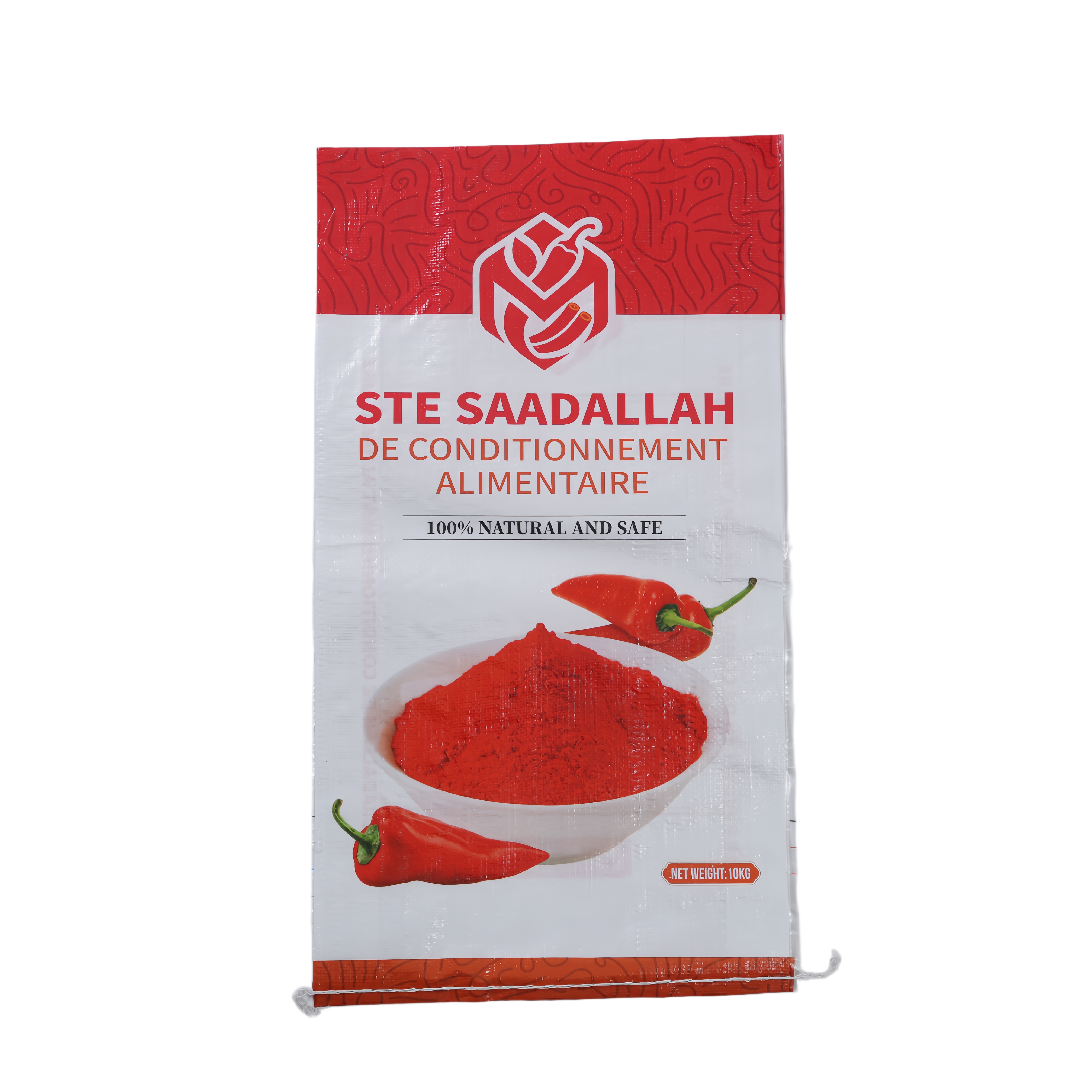
Choosing between heavy duty laminated bags and light duty bags is a critical decision for businesses managing storage, shipping, and product protection. Heavy duty laminated bags offer superior strength, durability, and environmental resistance, making them ideal for demanding industrial applications. Light duty bags serve cost-conscious operations with modest protection needs. Understanding the practical differences between these two categories helps you select the right packaging solution for your specific requirements, budget constraints, and operational challenges.
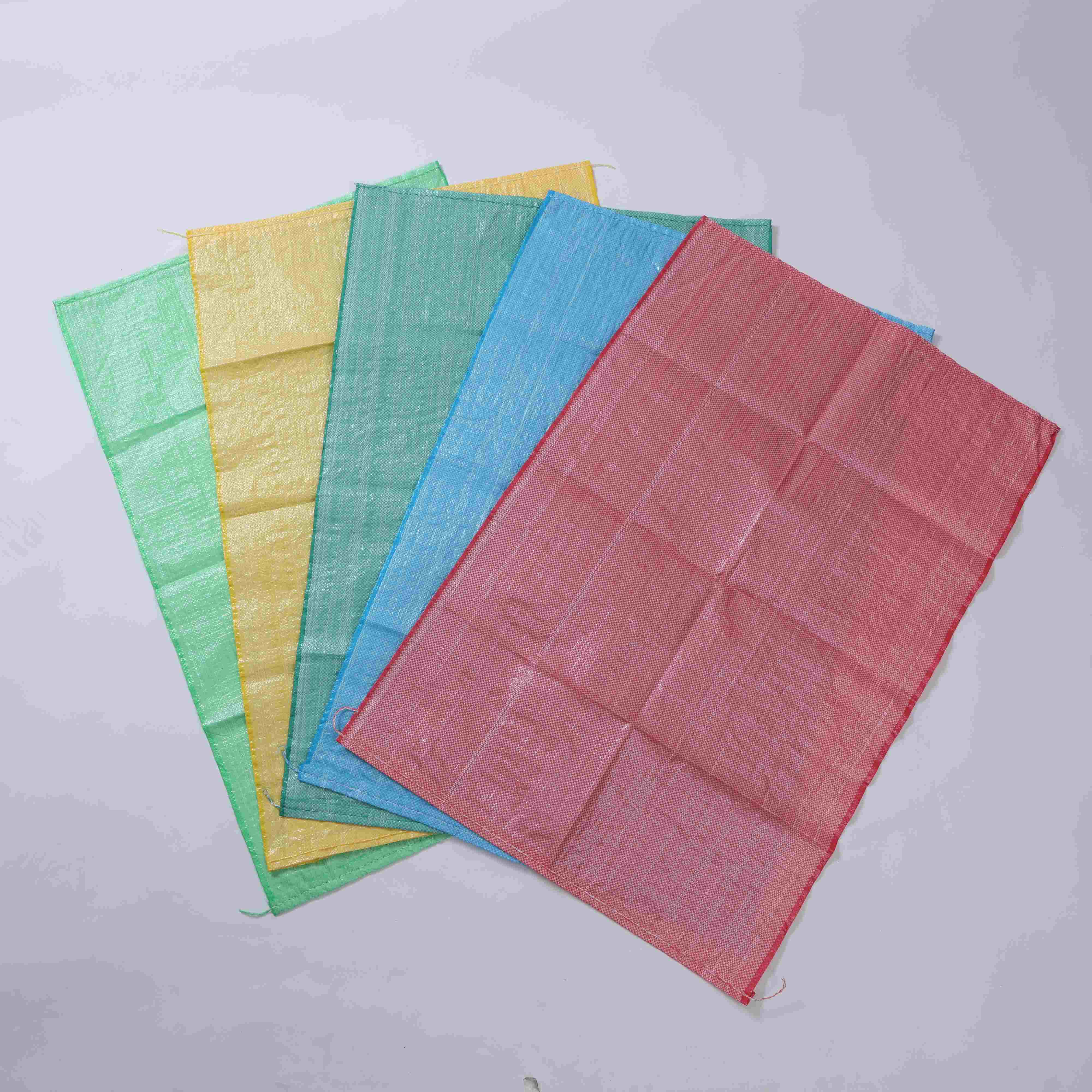
Storage needs vary significantly across industries, from food production to chemicals, agriculture to construction materials. The choice between heavy duty and light duty options ultimately determines product safety, shelf life, compliance with regulations, and cost per unit. A laminated pp bag or coated packaging bag provides layered protection that extends far beyond basic containment. This guide explores the structural, performance, and economic distinctions that should drive your decision.
Heavy duty laminated bags are engineered with multiple layers of polypropylene woven fabric bonded together with adhesive lamination. A moisture proof bag constructed through this laminated sack design creates a barrier against humidity, water ingress, and environmental contaminants. The laminated pp bag uses thicker base materials, typically 100–150 gsm or higher, compared to light duty alternatives. This layered structure distributes stress more effectively, allowing the bag to resist punctures, abrasion, and the weight of dense cargo without compromising integrity.
The lamination process in heavy duty bags involves applying a continuous adhesive layer between woven polypropylene sheets, creating a unified structure with enhanced tensile strength. Each layer contributes to overall load-bearing capacity while the moisture proof bag designation indicates superior waterproofing through treated inner surfaces. These bags typically feature reinforced stitching, stronger seams, and may include additional protective coatings on interior or exterior surfaces. The coated packaging bag result is a robust container capable of handling repetitive handling, stacking, and extended storage exposure.
Light duty bags employ thinner woven polypropylene, usually 50–80 gsm, with minimal or no lamination. These bags provide basic containment and modest environmental protection but lack the layered strength of laminated alternatives. A typical light duty coated packaging bag may have a single protective coating rather than full lamination, limiting moisture resistance and durability against harsh conditions. Seams are standard industrial stitching without reinforcement, and the overall structure sacrifices long-term resilience for lower initial cost.
The fundamental difference is that light duty bags prioritize immediate functionality over extended protection. They work adequately for short-term storage of non-critical materials in controlled environments. However, these bags cannot reliably protect contents from humidity fluctuations, UV exposure, or rough handling over weeks or months. For applications requiring a moisture proof bag or extended shelf-life guarantees, light duty options present unacceptable risk and potential product loss.
Heavy duty laminated bags excel at moisture barrier performance, a critical factor for food powders, pharmaceutical ingredients, and hygroscopic materials. The laminated pp bag's multi-layer construction prevents vapor transmission, keeping packed contents dry throughout storage and transit. Moisture proof bag standards typically require less than 5% moisture vapor transmission rate, which only laminated sacks reliably achieve. This capability extends shelf life, prevents clumping, maintains product quality, and reduces waste from contamination.
Beyond moisture, heavy duty laminated bags resist chemical exposure, UV degradation, and temperature fluctuations that compromise lighter alternatives. The coated packaging bag exterior withstands oil, grease, and mild acidic conditions without deteriorating. Industries storing fertilizers, chemicals, or animal feed depend on laminated sacks to prevent product deterioration and environmental leakage. A laminated bags solution provides compliance with food safety standards, pharmaceutical storage requirements, and export regulations that demand documented barrier performance.
Light duty bags degrade faster in outdoor or semi-controlled storage conditions. UV exposure causes polymer chains to break down, reducing bag integrity within months rather than years. Moisture proof bag capability is absent in standard light duty options, meaning contents absorb ambient humidity and lose efficacy. These bags also cannot sustain multi-level stacking without deformation or rupture, limiting warehouse space efficiency and creating handling risks.
Heavy duty laminated sacks maintain structural integrity across extended storage periods and challenging environments. Stack heights of 2–3 meters are achievable with properly loaded laminated pp bags, maximizing vertical storage space. The coated packaging bag strength allows forklift handling, conveyor processing, and industrial automation without bag failure. Long-term durability means total cost of ownership favors laminated options despite higher per-unit pricing, as replacement frequency and product loss decrease substantially.
Heavy duty laminated bags cost 30–50% more per unit than light duty alternatives, a difference that concerns price-sensitive procurement teams. However, total cost of ownership reveals a different picture when accounting for product loss, waste, replacement frequency, and liability. A moisture proof bag approach prevents spoilage of expensive ingredient batches, eliminates re-bagging labor, and reduces failed shipments due to contamination. Industries storing premium materials, regulated products, or high-value goods find laminated sacks economical despite unit cost premiums.
Light duty bags suit applications where contents are inexpensive, non-perishable, and consumed quickly after receipt. Construction materials, standard packaging fill, and temporary storage leverage cost advantages effectively. However, food companies, pharmaceutical manufacturers, and chemical processors regularly encounter scenarios where light duty bags prove false economy. A single contaminated batch of laminated pp bag-protected product can cost more than annual savings from using lighter bags. The coated packaging bag investment becomes mandatory for regulatory compliance, customer satisfaction, and risk mitigation.
Food and agriculture sectors benefit most from laminated bags, where moisture and pest protection directly impact shelf life and safety. A laminated sack preserves grain quality, spice potency, and powder consistency over months of storage. Pharmaceutical and supplement manufacturers must use moisture proof bag solutions to maintain ingredient stability and regulatory compliance. Chemical manufacturers storing reactive or sensitive materials depend on laminated pp bag barriers to prevent contamination and environmental hazards.
Construction, minerals, and non-perishable commodity sectors successfully utilize light duty alternatives when storage duration is brief and environmental conditions controlled. Raw material suppliers shifting products quickly can optimize costs with simpler coated packaging bag options. Ultimately, the decision between heavy duty and light duty approaches reflects content value, storage duration, environmental exposure risk, and regulatory requirements. Laminated bags represent risk mitigation and quality assurance investment, not merely packaging expense.
Heavy duty laminated bags provide superior moisture protection, extended durability, and reliable barrier performance that light duty bags cannot match. If your storage application involves perishable materials, regulated products, or extended storage periods, laminated sacks prevent contamination, spoilage, and compliance violations. The higher initial cost is offset by reduced product loss, extended shelf life, and decreased replacement frequency, making laminated solutions economical for demanding applications.
A moisture proof bag uses laminated construction and specialized barrier coatings to prevent vapor transmission, achieving less than 5% moisture vapor transmission rates. Basic coated packaging bags apply single-layer protection that slows but does not stop moisture ingress. Laminated sacks employ multiple polypropylene layers bonded with adhesive, creating a genuine vapor barrier suitable for food, pharmaceuticals, and sensitive ingredients. Light duty alternatives lack this multi-layer design, making them unsuitable for products requiring certified moisture protection.
Food processing, pharmaceuticals, nutraceuticals, and chemical manufacturing depend heavily on laminated sack performance for regulatory compliance, shelf life extension, and product integrity. Agricultural producers storing grains, seeds, and dried goods use laminated pp bags to prevent spoilage and pest damage. Export-oriented businesses face customer specifications and international standards requiring certified coated packaging bag barriers. Light duty alternatives are generally unsuitable for these sectors due to safety, regulatory, and quality assurance requirements that demand proven barrier performance from laminated solutions.

Discover the 4 critical production metrics—throughput, defect rate, equipment uptime & on-time delivery—to vet factories confidently.

Ensure regulatory compliance & worker safety with proven methods for chemical woven bags—material selection, labeling, storage & training.

Discover the full PP woven bag manufacturing workflow—from extrusion & weaving to printing & QC. Boost efficiency, compliance & ROI. Download the process guide now.

Struggling with weak bags or high material waste? Master extrusion and tape drawing tech for stronger, cheaper PP woven bags. Optimize your production line now.

Struggling with defects or customer returns? Discover the 5 non-negotiable quality checkpoints across your woven bag production line
Which automation tier is right for your PP woven bag factory? Compare manual to Industry 4.0 systems for cost, quality, and scalability.
Get in touch for details on polypropylene woven bags and flexible packaging solutions.
Tel
Address
No.2015, Liaoyuan Building, Lanshan District, Linyi City, Shandong Province.China

