 EN
How to Assess Production Efficiency at a PP Woven Bag Factory
Discover the 4 critical production metrics—throughput, defect rate, equipment uptime & on-time delivery—to vet factories confidently.

2026/09/07
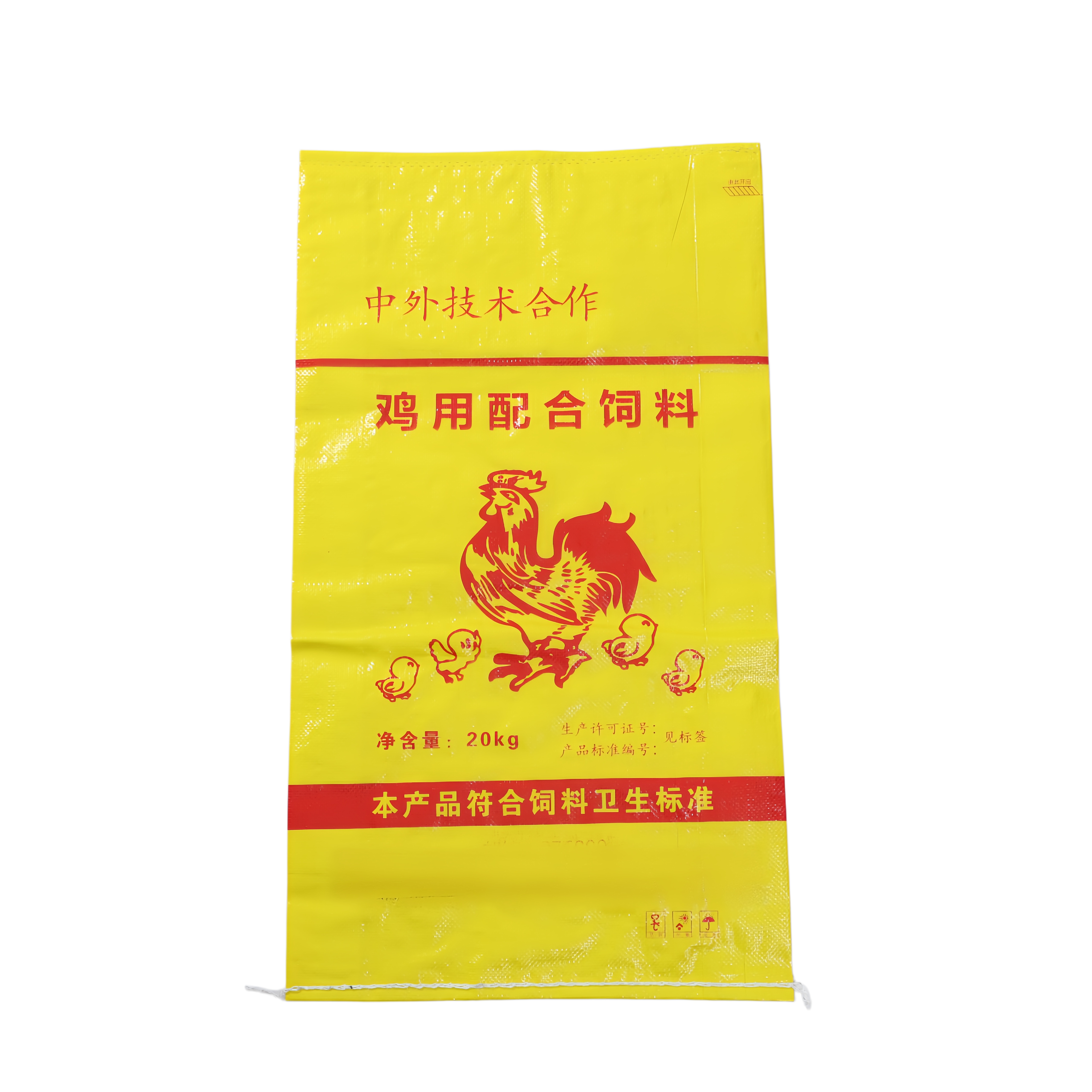
Selecting the right Rice Bag Manufacturer is a critical decision that directly impacts food safety, brand reputation, and regulatory compliance. Many food businesses overlook the importance of thoroughly vetting their suppliers, yet a single compliance failure can trigger costly recalls, legal liability, and loss of customer trust. A reliable rice bag manufacturer must demonstrate commitment to food safety standards, quality control processes, and transparent operations. This evaluation process requires understanding certification frameworks, production capabilities, material compliance, and traceability systems that ensure your packaging meets stringent food industry requirements.
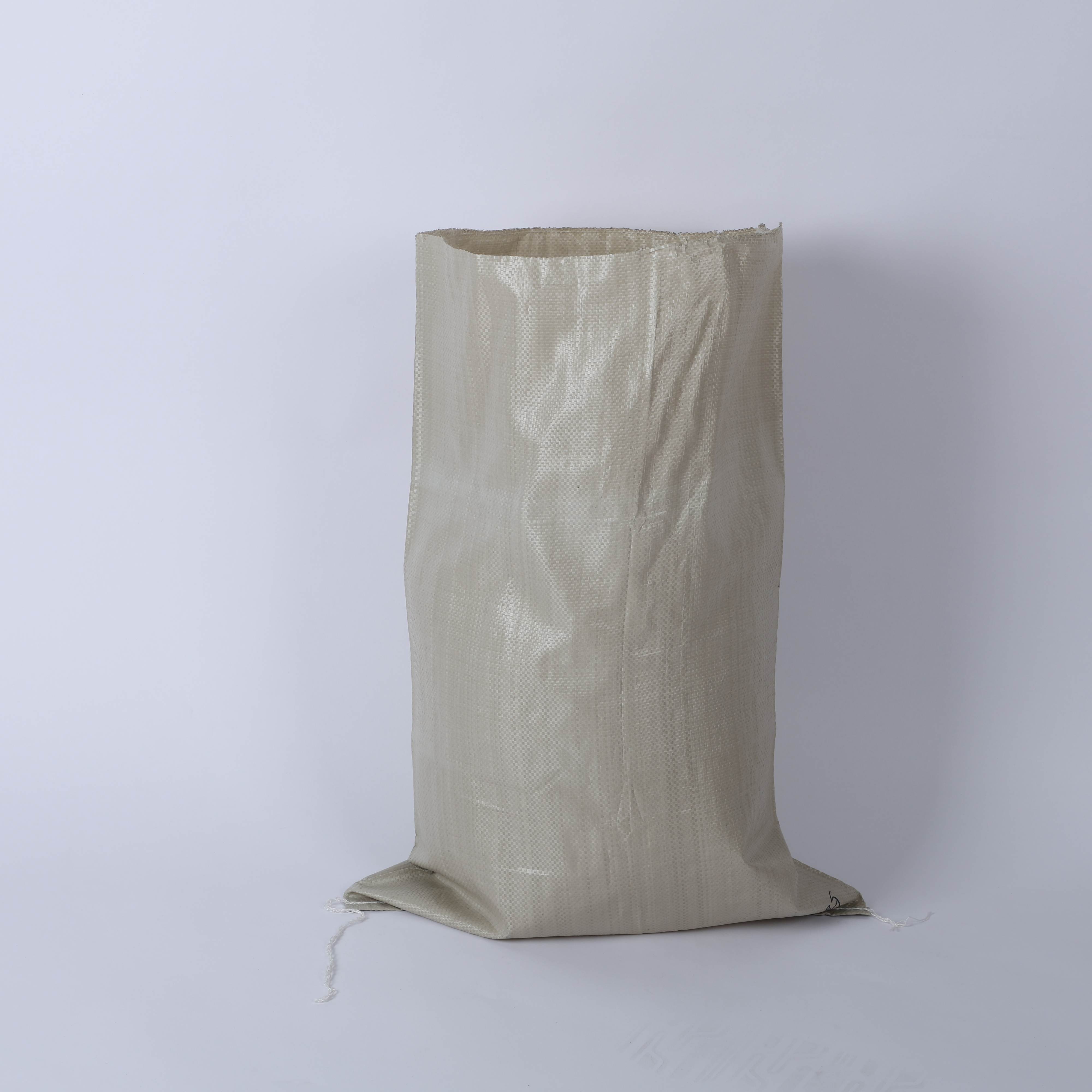
The evaluation of a rice bag manufacturer should go beyond price quotes and delivery timelines. Food safety compliance encompasses material safety, manufacturing hygiene, documentation practices, traceability protocols, and third-party verification. A rice packaging supplier that prioritizes compliance will maintain detailed records of raw material sourcing, production batches, quality tests, and customer shipments. Understanding how a rice bag factory manages these elements reveals whether they are a trustworthy long-term partner or a potential risk to your supply chain.
When evaluating a rice packaging supplier, request documentation of all relevant certifications. The most critical certifications include FDA compliance for products destined for U.S. markets, ISO 9001:2015 for quality management systems, and FSSC 22000 for food safety system certification. A reputable rice bag factory should also hold certifications specific to food contact materials, such as BRC (British Retail Consortium) or compliance with FDA Title 21 CFR 177 for plastic materials. These certifications demonstrate that the manufacturer has undergone independent audits and maintains rigorous quality standards.
Request copies of current certificates and verify their authenticity directly with the issuing bodies. Some rice packaging suppliers may claim certifications they do not actually hold, so direct verification is essential. Additionally, inquire about recertification schedules and whether the manufacturer participates in ongoing compliance audits. A custom rice bag manufacturer that proactively maintains and updates certifications shows commitment to regulatory adherence and continuous improvement.
PP rice bag production requires adherence to strict material safety standards. Bags intended for food contact must be manufactured from virgin polypropylene or approved recycled materials that meet FDA requirements. A rice bag factory should provide material composition documentation, safety data sheets, and test reports confirming that inks, adhesives, and additives do not migrate into food at levels that could harm consumers. Request certificates of compliance for all chemical components used in the manufacturing process.
Beyond material composition, examine whether the rice packaging supplier conducts migration testing under realistic storage and transport conditions. Temperature cycling tests, moisture exposure tests, and contamination resistance tests are standard for premium-grade bags. A custom rice bag manufacturer that invests in comprehensive material testing demonstrates serious commitment to food safety and differentiates itself from low-cost competitors who cut corners.
Visit the rice bag factory facility when possible, or request detailed documentation of production workflows, equipment maintenance schedules, and quality checkpoints. A responsible rice packaging supplier maintains clean production environments, implements regular equipment calibration, and conducts in-process inspections at critical stages. Quality control should include weight verification, seam strength testing, print registration checks, and contamination detection protocols. Request samples of quality control documentation to verify that these processes are documented and traceable.
The manufacturing environment itself is a critical compliance factor. Inquire about sanitation procedures, pest control measures, and segregation between food-grade and non-food production lines. A rice bag factory with separate facilities for food-contact and non-food products eliminates cross-contamination risks. Document review should include standard operating procedures, staff training records, and corrective action logs that show how the manufacturer addresses quality issues when they arise.
A premium rice packaging supplier maintains comprehensive batch tracking systems that enable rapid product recalls if necessary. When you order a custom rice bag, the manufacturer should assign a unique batch number, log raw material lot numbers, record production dates, and document all quality test results. This traceability system allows both the manufacturer and your business to pinpoint exactly where and when specific bags were produced and which customers received them. Request samples of batch documentation to confirm the level of detail captured.
Examine whether the rice bag manufacturer uses digital systems or paper records for tracking. Digital traceability systems are more reliable, searchable, and resistant to loss or damage. Confirm that documentation retention policies meet regulatory requirements, typically 2–3 years minimum for food packaging. A well-organized rice bag factory will provide detailed documentation quickly upon request, demonstrating operational maturity and confidence in their processes.
Choose a rice packaging supplier that responds promptly to inquiries and takes concerns seriously. During the evaluation phase, ask technical questions about their pp rice bag production capabilities, compliance procedures, and quality assurance. Slow or vague responses suggest operational challenges or lack of transparency. A trustworthy rice bag manufacturer will provide detailed answers, connect you with quality managers and technical experts, and welcome facility tours or remote inspections. Establish clear communication protocols and escalation paths before signing a supply agreement.
Request information about how the rice bag factory handles customer complaints, quality disputes, or compliance issues. Do they have a formal corrective action request (CAR) process? Will they issue credit or replace non-conforming batches? A professional rice packaging supplier treats problem resolution as an opportunity to strengthen the relationship rather than a burden. Their approach to handling issues reveals their commitment to customer satisfaction and food safety accountability.
A rice bag manufacturer's financial stability and regulatory standing affect their ability to maintain compliance long-term. Inquire whether the manufacturer has faced regulatory actions, recalls, or compliance warnings from food safety authorities. Check industry databases and regulatory agency websites for public records. A custom rice bag supplier with a clean compliance history and transparent engagement with regulatory bodies is less likely to create future supply chain disruptions. Request references from established food companies that have worked with the manufacturer for several years.
Evaluate the rice bag factory's investment in compliance infrastructure and technology. Manufacturers that consistently invest in equipment upgrades, staff training, and process improvements demonstrate confidence in their business model and commitment to regulatory excellence. Conversely, manufacturers operating with outdated equipment or showing signs of financial stress may cut corners on food safety practices. A sustainable long-term partnership requires choosing a rice packaging supplier with strong operational and financial health.
A credible rice packaging supplier should hold FDA compliance certification, ISO 9001:2015 quality management certification, and FSSC 22000 food safety system certification. Additionally, certifications for food contact materials such as BRC or FDA Title 21 CFR 177 compliance are essential. Request copies of all certificates and verify their authenticity directly with issuing bodies to confirm legitimacy.
Check regulatory agency websites, FDA databases, and industry compliance records for any public actions against the rice packaging supplier. Contact current customers for references and ask about their experiences with quality consistency and responsiveness. Request documentation of internal audits, third-party inspection reports, and corrective action records. A transparent rice bag manufacturer will readily provide this information without hesitation.
A rice bag factory should provide material safety data sheets, batch traceability documentation, quality test reports, certification copies, production logs, and corrective action records. PP rice bag production documentation should include material composition verification, migration test results, and environmental cleanliness certifications. Request sample documentation before placing orders to confirm that the rice packaging supplier maintains industry-standard record-keeping practices.

Discover the 4 critical production metrics—throughput, defect rate, equipment uptime & on-time delivery—to vet factories confidently.

Ensure regulatory compliance & worker safety with proven methods for chemical woven bags—material selection, labeling, storage & training.

Discover the full PP woven bag manufacturing workflow—from extrusion & weaving to printing & QC. Boost efficiency, compliance & ROI. Download the process guide now.

Struggling with weak bags or high material waste? Master extrusion and tape drawing tech for stronger, cheaper PP woven bags. Optimize your production line now.

Struggling with defects or customer returns? Discover the 5 non-negotiable quality checkpoints across your woven bag production line
Which automation tier is right for your PP woven bag factory? Compare manual to Industry 4.0 systems for cost, quality, and scalability.
Get in touch for details on polypropylene woven bags and flexible packaging solutions.
Tel
Address
No.2015, Liaoyuan Building, Lanshan District, Linyi City, Shandong Province.China

