 EN
How to Assess Production Efficiency at a PP Woven Bag Factory
Discover the 4 critical production metrics—throughput, defect rate, equipment uptime & on-time delivery—to vet factories confidently.

2026/08/25
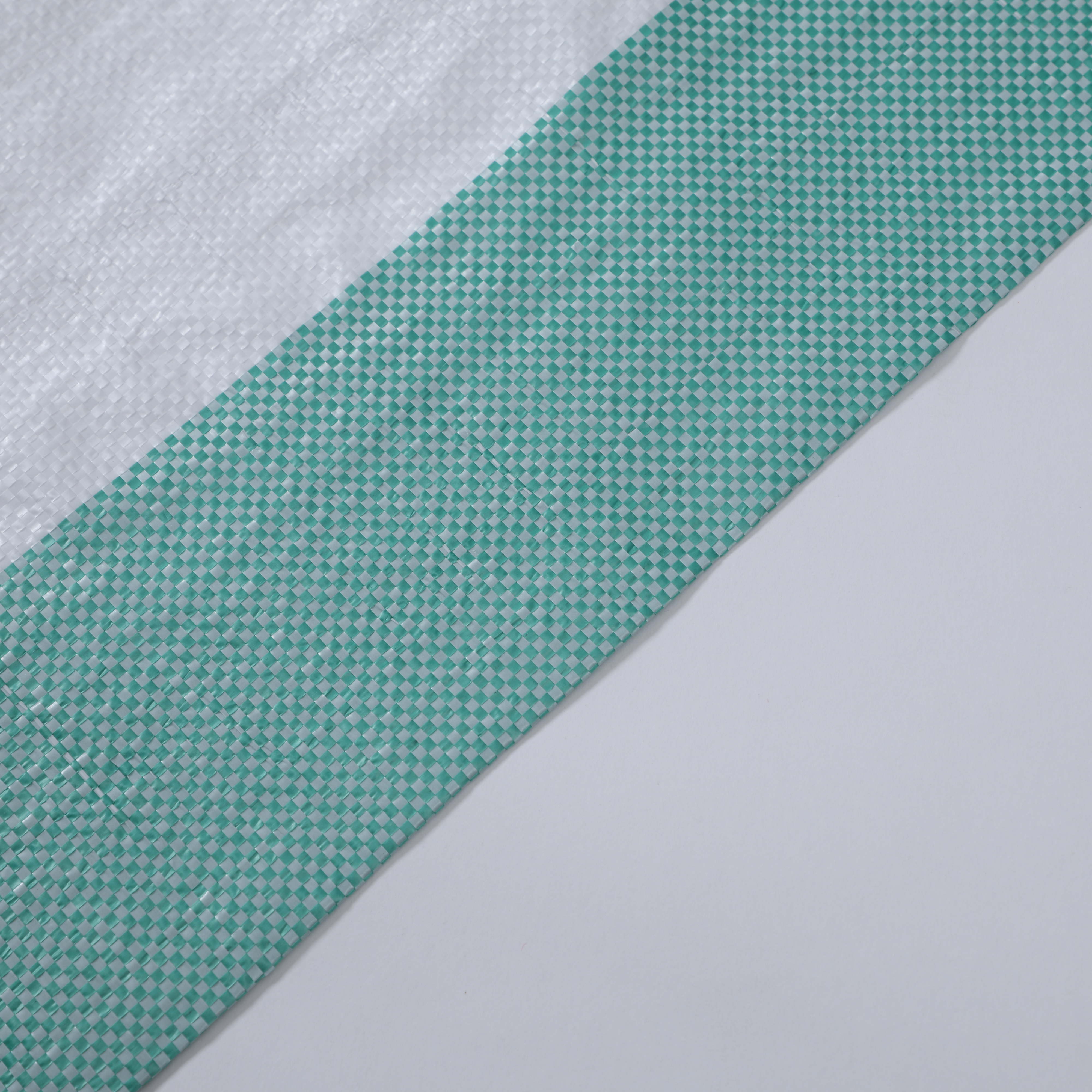
Harvest season brings intense pressure on every aspect of farm operations, and one critical factor that often gets overlooked is the integrity of your agricultural packaging bags. When demand peaks and volumes surge, substandard or poorly maintained bags can rupture, split, or degrade, leading to significant crop losses, contamination, and costly waste. Understanding how to prevent these failures is essential for protecting your harvest investment and ensuring that your produce reaches market in optimal condition.
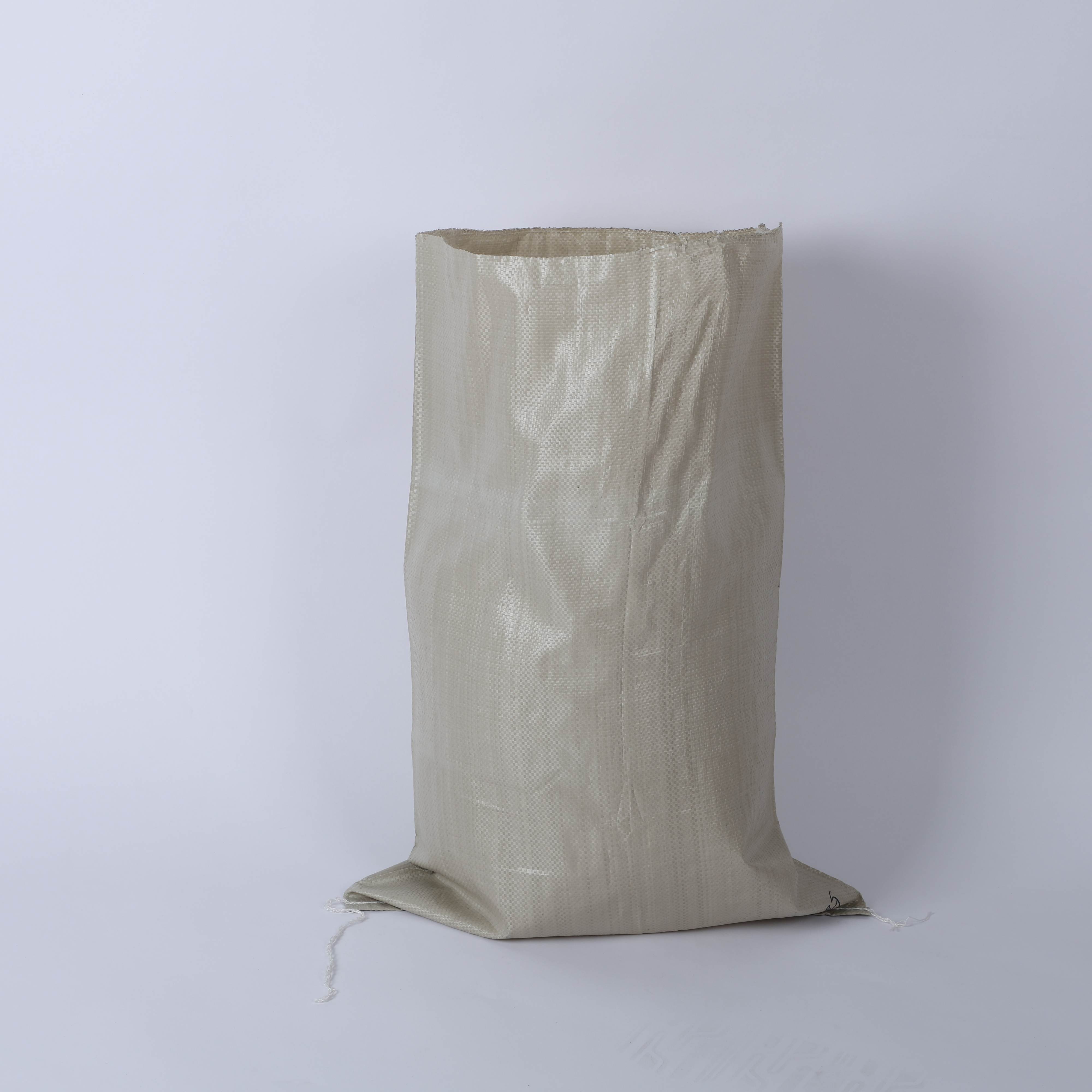
The right farm packaging bag selection and maintenance strategy can dramatically reduce failure rates during high-demand periods. From material strength to environmental conditions and handling practices, multiple variables influence how well your agricultural packaging bags perform under stress. This guide explores proven methods to keep your crop packaging solution reliable when it matters most.
The foundation of reliable agricultural packaging begins with material selection. PP agricultural packaging bags offer superior strength, moisture resistance, and cost-effectiveness compared to lower-grade alternatives. Quality pp agricultural packaging is engineered to withstand the mechanical stress of filling, stacking, transport, and storage without compromising product integrity. When sourcing farm packaging bag materials, verify that suppliers provide bags meeting industry durability standards and rated for your specific crop weight and density.
Material thickness, weave density, and fiber composition directly impact how well bags resist punctures, tears, and environmental degradation. Premium produce storage bag materials include UV stabilizers and anti-slip coatings that extend lifespan and reduce slippage during stacking. Testing bags under simulated harvest conditions before committing to bulk orders helps identify potential weak points and ensures your crop packaging solution will perform reliably when volumes peak.
Every farm packaging bag carries a specified weight rating that must align with your actual crop load. Exceeding rated capacity, even slightly, creates localized stress points that trigger failure. During harvest peaks when time pressure mounts, verify that each bag type matches the specific crop and expected fill weight. Cross-checking actual product density against bag specifications prevents costly mistakes and ensures your agricultural packaging bags remain structurally sound throughout the supply chain.
Environmental exposure is a leading cause of agricultural packaging bag degradation. High humidity accelerates mold growth, weakens fiber bonds, and reduces the integrity of your pp agricultural packaging. Temperature fluctuations cause material expansion and contraction, creating micro-fractures that eventually lead to failure. Storing your produce storage bag inventory in climate-controlled environments, away from direct sunlight and moisture, significantly extends usable lifespan and prevents premature deterioration during peak harvest season.
Even short-term exposure to wet conditions or extreme heat can compromise the protective qualities of a crop packaging solution. If field storage is unavoidable, use waterproof covers and elevated pallets to minimize contact with ground moisture. Monitor storage areas daily during harvest to catch early signs of environmental stress on your farm packaging bag supply.
Certain agricultural chemicals, fertilizers, and pesticides can degrade bag materials if direct contact occurs. Always verify chemical compatibility when storing treated crops in agricultural packaging bags. Biological contaminants, including mold spores and pest activity, also compromise structural integrity over time. Implementing clean storage protocols, pest management practices, and regular inventory rotation reduces the risk of contamination-related bag failure and ensures your produce storage bag remains reliable throughout the harvest cycle.
How bags are filled directly impacts their durability and failure resistance. Overfilling creates excessive internal pressure that stresses seams and sidewalls, while underfilling allows product shifting that damages the pp agricultural packaging from within. Train all equipment operators on proper fill levels, ensuring that farm packaging bag capacity guidelines are consistently followed. Sealing technique matters equally—improper heat sealing or closure methods leave microscopic gaps that allow product leakage and environmental entry, weakening your crop packaging solution at critical points.
Invest in quality filling equipment that distributes product evenly and controls portion accuracy. Vibration and compaction during filling should be gentle enough to prevent material stress but sufficient to prevent settling. This balance ensures that your agricultural packaging bags maintain uniform density and structural integrity from filling through final delivery.
Rough handling is a primary cause of bag failure during harvest operations. Sharp equipment edges, aggressive stacking practices, and careless forklift operation create punctures and abrasions that compromise your produce storage bag long before it reaches market. Establish clear protocols for gentle handling, use corner protectors on pallets, and train workers on proper stacking height limits. Secured load strapping and cushioning materials reduce movement and friction that would otherwise damage farm packaging bag surfaces during transport.
During transport, monitor bag condition regularly, especially on rough roads or long distances. Rotation and repositioning of loads reduces localized pressure points on individual bags. By prioritizing careful handling throughout the supply chain, you protect both your pp agricultural packaging investment and the quality of your crop packaging solution.
The most common failure causes include overfilling beyond bag capacity, rough handling and punctures, inadequate storage conditions promoting moisture absorption and material degradation, and poor sealing that allows product leakage and environmental entry. Material defects from low-quality suppliers also contribute significantly. Addressing these factors through quality sourcing, proper training, and environmental controls prevents the majority of failures.
Request detailed material specifications from suppliers, including thickness measurements, weave density, tear strength ratings, and puncture resistance data. Conduct small-scale testing by filling bags with actual crop loads and subjecting them to simulated harvest conditions—stacking stress, handling, temperature fluctuations, and storage. Third-party testing certifications for pp agricultural packaging provide independent verification of claimed durability. Always test new suppliers' pp agricultural packaging before committing to large orders.
Store produce storage bags in climate-controlled, dry environments away from direct sunlight, extreme heat, and moisture. Keep bags elevated on pallets rather than on bare ground, use waterproof covering for outdoor temporary storage, and maintain organized inventory rotation so older stock gets used first. Check stored agricultural packaging bags regularly for signs of mold, brittleness, or environmental damage. Proper pre-harvest storage ensures your crop packaging solution maintains full integrity when demand peaks.

Discover the 4 critical production metrics—throughput, defect rate, equipment uptime & on-time delivery—to vet factories confidently.

Ensure regulatory compliance & worker safety with proven methods for chemical woven bags—material selection, labeling, storage & training.

Discover the full PP woven bag manufacturing workflow—from extrusion & weaving to printing & QC. Boost efficiency, compliance & ROI. Download the process guide now.

Struggling with weak bags or high material waste? Master extrusion and tape drawing tech for stronger, cheaper PP woven bags. Optimize your production line now.

Struggling with defects or customer returns? Discover the 5 non-negotiable quality checkpoints across your woven bag production line
Which automation tier is right for your PP woven bag factory? Compare manual to Industry 4.0 systems for cost, quality, and scalability.
Get in touch for details on polypropylene woven bags and flexible packaging solutions.
Tel
Address
No.2015, Liaoyuan Building, Lanshan District, Linyi City, Shandong Province.China

