 EN
How to Assess Production Efficiency at a PP Woven Bag Factory
Discover the 4 critical production metrics—throughput, defect rate, equipment uptime & on-time delivery—to vet factories confidently.

2026/08/11
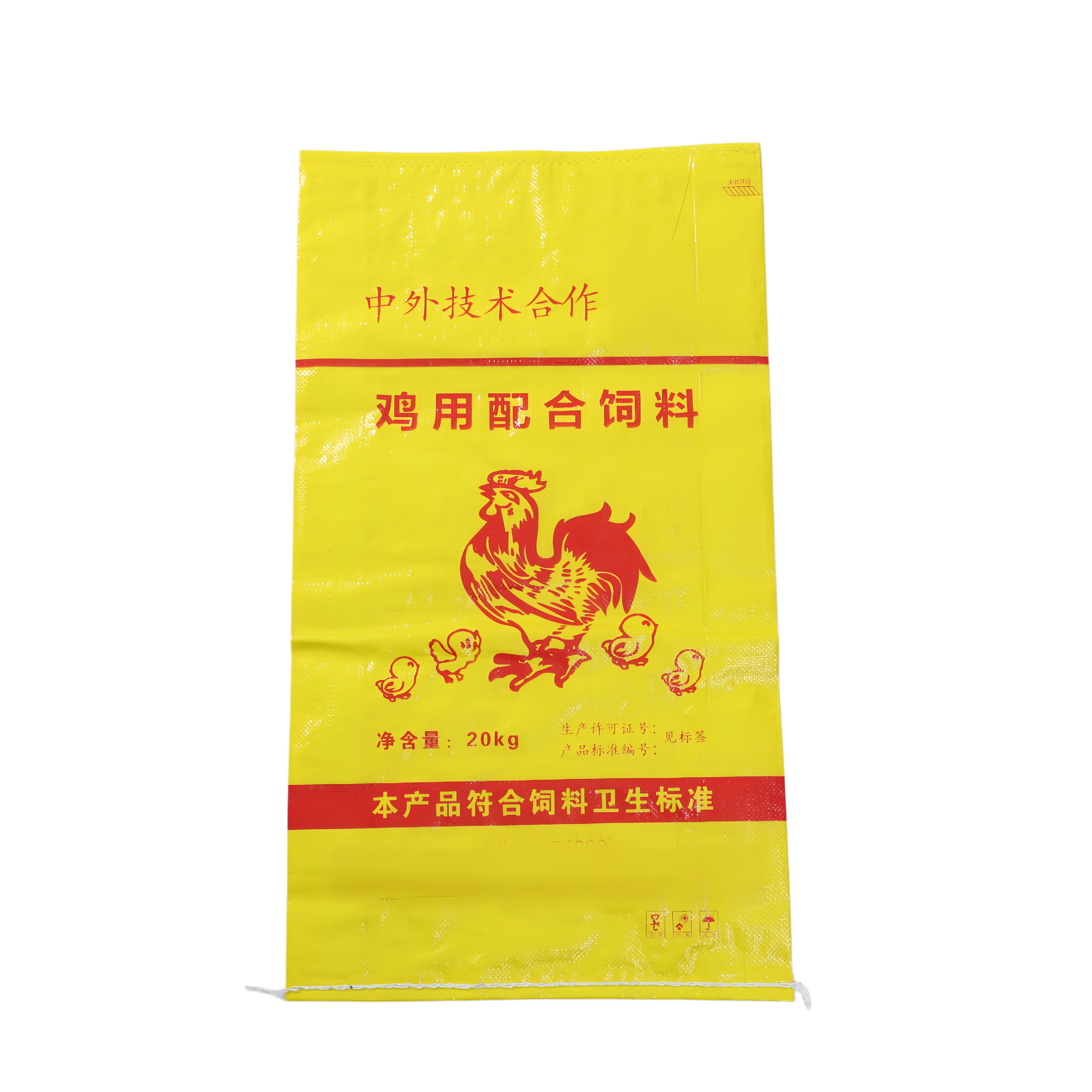
Cement bag bursting during stacking represents one of the most costly operational challenges in construction supply chains. When cement bags rupture in storage or transit, the material spills, creating waste, contamination, and safety hazards on job sites. Understanding how to prevent cement bag failures requires knowledge of material science, storage conditions, and handling protocols. This article explores proven strategies to keep cement bags intact throughout the stacking process and the supply chain lifecycle.
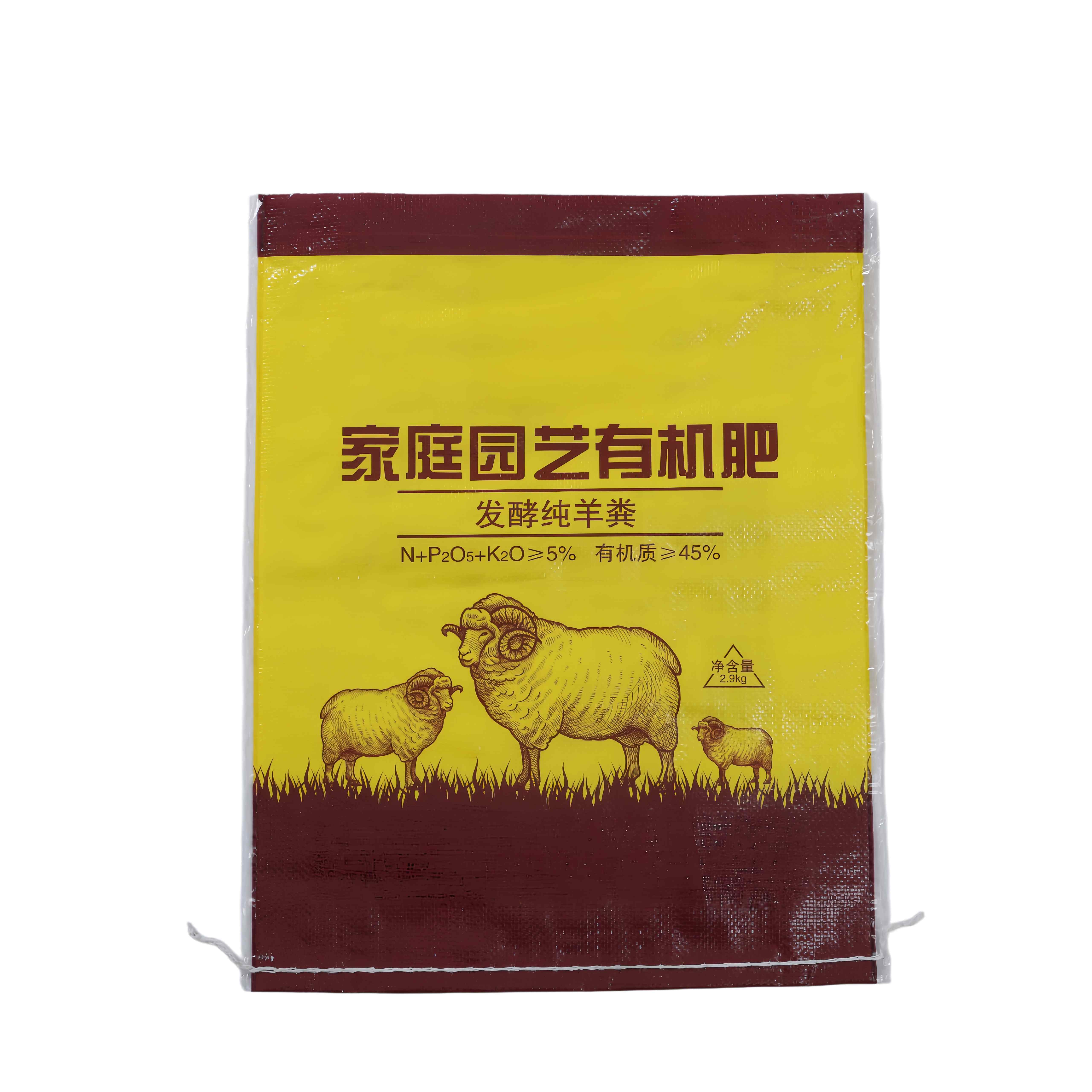
A cement bag designed with proper specifications resists bursting far more effectively than inferior alternatives. The quality of the material, the stitching integrity, and the overall construction directly influence whether a bag survives multiple handling cycles. Investing in reliable cement woven bags from the beginning prevents downstream problems and protects profit margins.
Cement woven bags must be manufactured from high-grade polypropylene fabric to withstand mechanical stress. The pp cement sack structure combines multiple layers of woven fiber that distribute pressure across the entire surface area. When properly constructed, this layered design prevents stress concentration at weak points. Lower-grade materials tear easily under compression, allowing cement dust to escape and compromising load stability during stacking operations.
The thickness of polypropylene film used in cement woven bag production directly correlates with burst resistance. Bags constructed with thicker woven layers absorb impact forces more effectively and resist puncturing from sharp edges or rough handling. This thickness requirement applies whether bags are stacked in warehouses, on trucks, or in outdoor storage areas exposed to weather variations and temperature fluctuations.
A heavy duty cement bag includes specifications for maximum stacking height that must be strictly observed. Exceeding rated load capacity causes compression failure where the fabric yields under excessive weight from upper layers. Building material bag manufacturers test their products under standardized conditions to determine safe stacking limits. Understanding these limits prevents overloading scenarios that lead to burst bags and spilled cement during stacking operations.
Each pp cement sack should display clear markings indicating its weight capacity and recommended maximum stack height. Warehouse managers and construction crews must enforce these limits consistently across all storage locations. Mixing bags of different load ratings in a single stack creates weak points where lighter-duty bags buckle under pressure, initiating burst failures that cascade down the pile.
Moisture exposure significantly weakens cement woven bag integrity and accelerates degradation of the polypropylene material. High humidity environments cause the fabric to absorb water, which reduces tensile strength and elasticity. Storing cement bags in climate-controlled spaces reduces moisture infiltration and maintains the structural properties needed for safe stacking. Facilities should maintain relative humidity below 65 percent to minimize environmental stress on building material bags.
Temperature fluctuations also impact bag material properties and burst resistance. Extreme heat can soften polypropylene fibers, reducing their ability to resist stretching and compression loads. Cold temperatures increase brittleness and promote fiber cracking under stress. Maintaining consistent warehouse temperatures between 15 and 25 degrees Celsius preserves the material flexibility and mechanical properties that prevent cement bag rupture during stacking.
The foundation surface where cement bags are stacked must be clean, dry, and level to distribute weight evenly across all contact points. Uneven surfaces create pressure concentration zones where heavy duty cement bags experience localized stress that exceeds their burst tolerance. Pallets or platforms designed for cement bag stacking reduce direct ground contact and improve water drainage that could compromise bag integrity.
Stack geometry directly influences whether individual bags experience manageable stress distribution or dangerous compression forces. Rectangular stacks with aligned bags distribute weight more uniformly than pyramidal or uneven arrangements. Each cement woven bag in the stack should make full contact with the bag beneath it, preventing gap collapse and localized pressure spikes. Enforcing consistent stack patterns across all storage areas eliminates ad hoc arrangements that lead to burst failures.
The pp cement sack experiences greatest stress during loading, unloading, and internal repositioning within storage facilities. Equipment operators should be trained to minimize sudden impacts and avoid dragging bags across rough surfaces that cause abrasion and microtears. Forklifts with flat platforms rather than pointed prongs reduce puncture risk when handling cement woven bags. Soft-sided containers or fabric slings distribute grab forces across wider bag areas instead of concentrating pressure at vulnerable edges.
Transportation vehicles should include suspension systems and cargo securing devices that prevent bags from shifting during transit. Sudden braking, acceleration, or rough road conditions cause cement bags to tumble and impact internal cargo compartments. Using dividers or netting systems that stabilize bags within transport containers significantly reduces burst failures caused by dynamic movement and collision forces.
Workers responsible for stacking cement bags must understand how handling practices affect bag longevity and integrity. Training programs should emphasize gentle placement techniques, stack height limits, and environmental monitoring protocols. Regular inspections of stacked bags identify early signs of stress or deterioration before burst failures occur. When personnel spot weakened areas, compromised stitching, or moisture damage on heavy duty cement bags, those units should be removed and repacked before stacking continues.
Quality monitoring extends to incoming inspection of new cement bag shipments. Facilities should randomly sample bags from each delivery, inspecting seams, fabric integrity, and material thickness against specification standards. Bags showing manufacturing defects should be rejected and returned to suppliers, ensuring only building material bags meeting proper specifications enter the storage system.
Cement bags burst from excess compression pressure, moisture exposure, temperature extremes, and material defects. Exceeding the maximum stack height rating, stacking on uneven surfaces, and poor handling practices intensify these risks. Using inferior pp cement sack materials that lack proper woven layer construction also increases burst probability.
High-quality cement woven bags feature thick, durable polypropylene construction with secure stitching that resists tearing under mechanical stress. Premium building material bags distribute compression forces evenly across their surfaces, preventing stress concentration and localized failures. Heavy duty cement bags manufactured to strict standards maintain structural integrity through multiple handling cycles and diverse storage environments.
Maintaining relative humidity below 65 percent, temperatures between 15-25 degrees Celsius, and dry storage surfaces protects cement bags from degradation. Facilities should use ventilation and moisture control systems to prevent water absorption that weakens pp cement sack materials. Protective covering and elevated pallets shield bags from ground moisture and environmental exposure.

Discover the 4 critical production metrics—throughput, defect rate, equipment uptime & on-time delivery—to vet factories confidently.

Ensure regulatory compliance & worker safety with proven methods for chemical woven bags—material selection, labeling, storage & training.

Discover the full PP woven bag manufacturing workflow—from extrusion & weaving to printing & QC. Boost efficiency, compliance & ROI. Download the process guide now.

Struggling with weak bags or high material waste? Master extrusion and tape drawing tech for stronger, cheaper PP woven bags. Optimize your production line now.

Struggling with defects or customer returns? Discover the 5 non-negotiable quality checkpoints across your woven bag production line
Which automation tier is right for your PP woven bag factory? Compare manual to Industry 4.0 systems for cost, quality, and scalability.
Get in touch for details on polypropylene woven bags and flexible packaging solutions.
Tel
Address
No.2015, Liaoyuan Building, Lanshan District, Linyi City, Shandong Province.China

