 EN
How to Assess Production Efficiency at a PP Woven Bag Factory
Discover the 4 critical production metrics—throughput, defect rate, equipment uptime & on-time delivery—to vet factories confidently.

2026/08/10
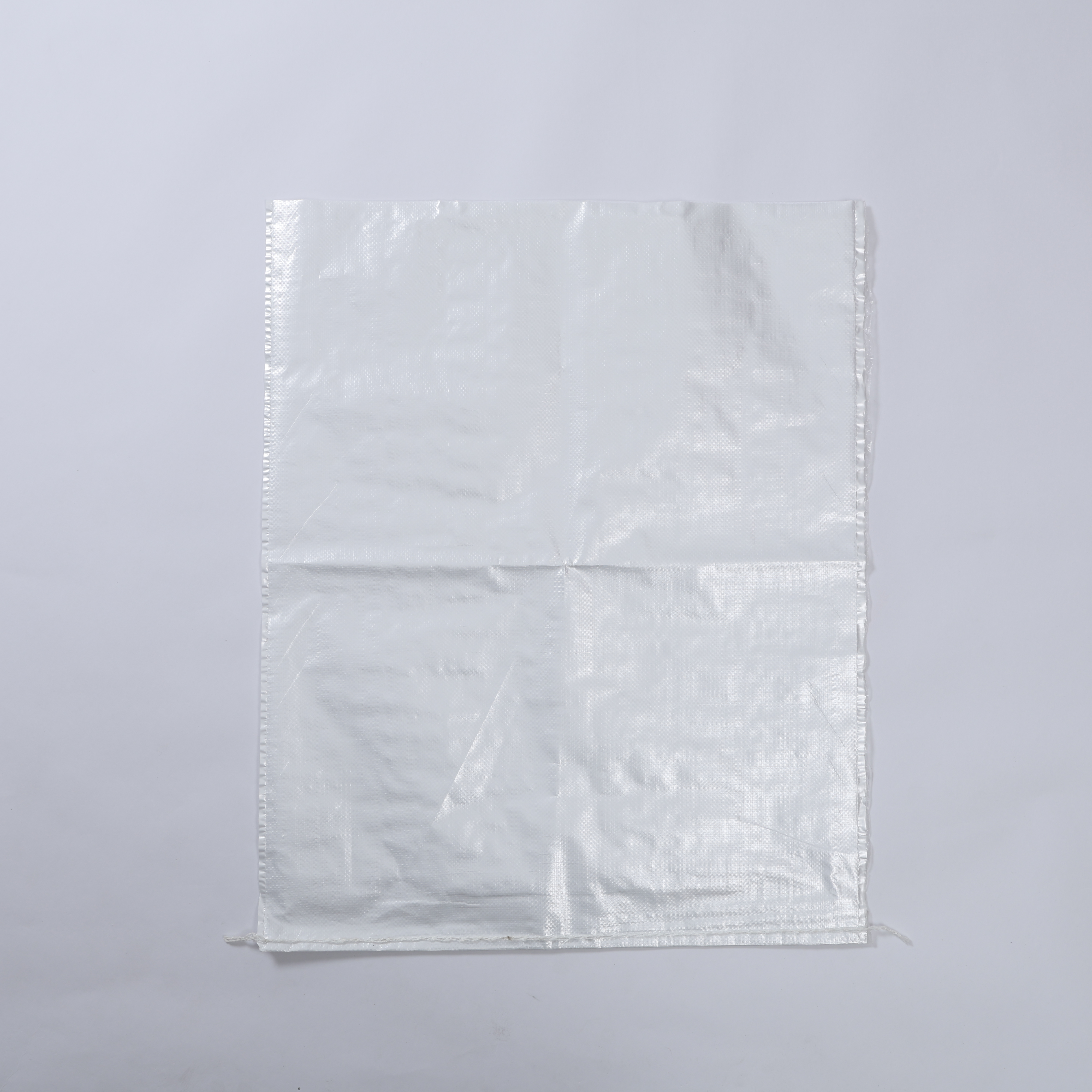
Harvest season demands reliable packaging that withstands the rigors of loading, transport, and storage. A split corn bag represents lost product, wasted labor, and damaged reputation with buyers. Whether you operate a grain elevator, cooperative, or agricultural processing facility, understanding the root causes of bag failure and implementing preventative measures is essential to maintaining harvest efficiency and protecting your bottom line.
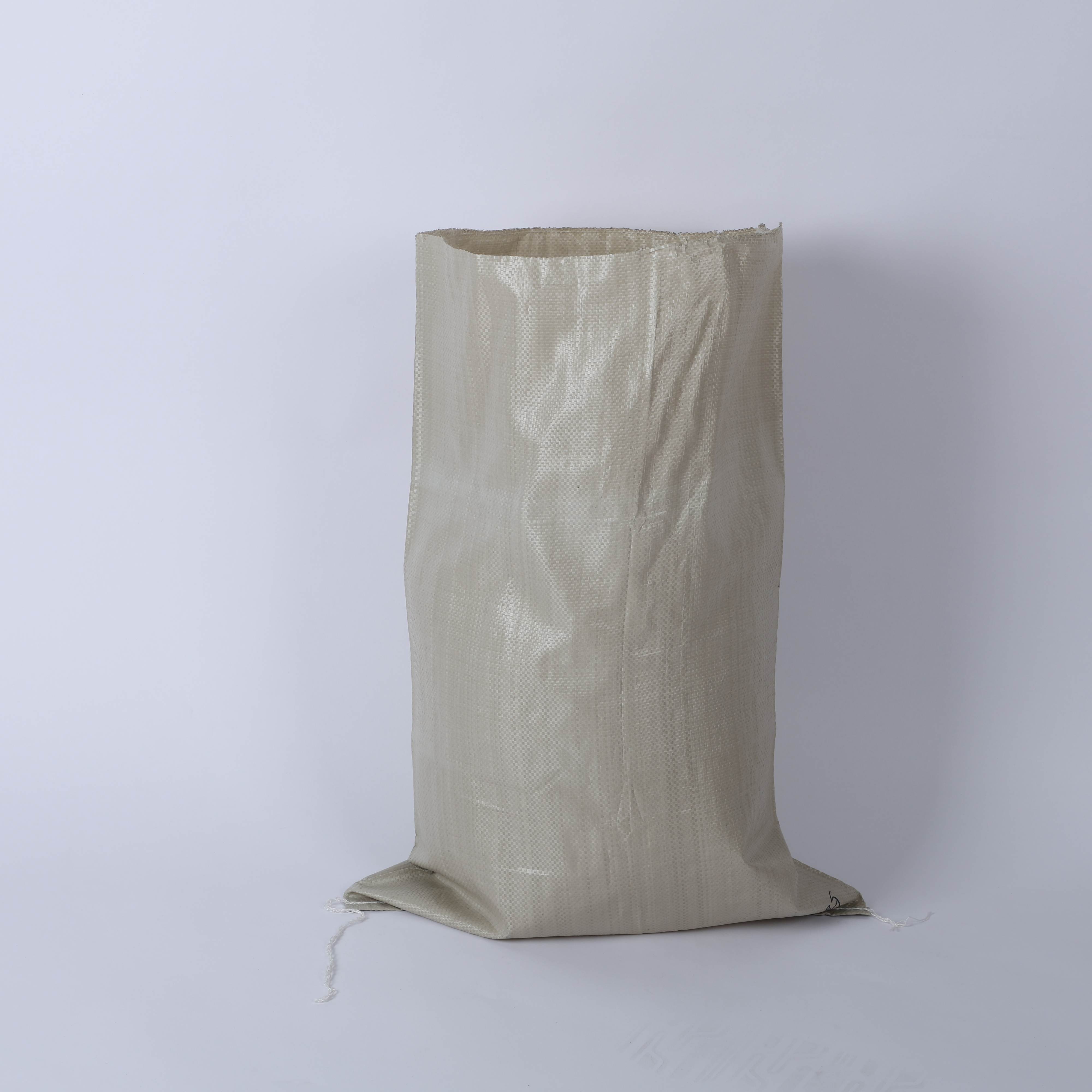
Splitting during harvest loading occurs when pressure, moisture, sharp contact, or material fatigue exceeds what your packaging can handle. A corn packaging bag that splits in the field or warehouse creates cascading problems: product contamination, quality degradation, increased labor for cleanup, and potential safety hazards. The solution lies in selecting the right material, implementing proper handling techniques, and maintaining realistic storage conditions throughout the season.
The foundation of split prevention begins with material choice. A grain woven bag designed for corn must feature multiple layers of polypropylene fabric with sufficient tensile strength to endure loading pressures without tearing. Heavy-duty pp corn bag options come in varying thicknesses and weave densities, each suited to different operating conditions. Lower quality bags use thin single-layer construction that fails quickly under dynamic stress, while premium grain woven bags employ reinforced stitching, sealed seams, and durable polymer blends that resist puncture and abrasion.
Verifying bag weight, GSM rating, and tensile specifications before purchase prevents costly failures mid-harvest. A corn storage bag rated for 50 kg loads performs differently than one designed for 80 kg capacity. Confirm the pp corn bag specifications match your typical fill weights and handling equipment. Many facilities overlook this step, selecting bags based purely on cost rather than performance requirements, leading to preventable splitting incidents that disrupt workflow and compromise grain quality.
Bags split most frequently at seams and edges where fabric density drops. A corn packaging bag with flat-felled or box-stitched seams resists splitting far better than bags with simple single-stitch construction. The stitching pattern should create a sealed barrier that distributes load stress across multiple thread lines rather than concentrating pressure at a single weak point. Edge reinforcement, including reinforced gussets and sealed top closures, prevents splitting that initiates from corners or along the fill opening.
Inspect incoming bags for visible seam defects, loose threads, or inconsistent stitching before loading. A grain woven bag with poor seam quality will fail under the first significant pressure event. Request mill certifications confirming seam strength testing and burst resistance ratings. Premium suppliers provide documentation proving their corn storage bag construction meets or exceeds industry standards for puncture and tear resistance.
How bags are loaded directly determines split risk. Dropping corn from height into bags creates instantaneous pressure spikes that weak bags cannot absorb. Instead, use chutes or spouts angled to guide grain gently into the pp corn bag, reducing impact force. Avoid overfilling, which stretches fabric beyond safe limits and creates stress concentration at the seam and closure points. Most facilities find that maintaining fill levels 5–10 percent below maximum capacity dramatically reduces splitting while maintaining practical weight per bag.
Deploy mechanical handling equipment designed for grain bags rather than using universal material handlers that apply uneven pressure. Bag stackers, conveyors, and loading platforms engineered for corn packaging bags distribute weight uniformly and minimize puncture points. Train operators to avoid dragging bags across rough surfaces, which initiates small tears that propagate into major splits during subsequent handling. Implement a visual inspection protocol before bags leave the loading area to catch early damage before transport.
Improper stacking magnifies splitting risk significantly. A corn storage bag supporting the weight of twenty stacked bags above it experiences tremendous compression stress, especially in warm conditions where the fabric becomes more pliable. Stack bags in stable pyramids or on pallets that distribute load evenly across the base layer. Use plastic separators between layers to reduce friction and prevent fabric abrasion during settling. Limit stack height to manufacturer recommendations, typically four to six bags depending on the grain woven bag weight rating and warehouse conditions.
Rotate stock systematically, removing older corn packaging bags first to minimize time under compression stress. Bags stored for extended periods experience micro-fatigue that weakens fiber bonds, making them prone to splitting even during gentle handling. Environmental factors including UV exposure, moisture absorption, and temperature cycling accelerate this degradation. Store bags in shaded, well-ventilated areas away from direct sunlight, which degrades polypropylene and reduces tensile strength of the pp corn bag fabric over time.
Moisture infiltration causes a corn bag to lose structural integrity. When grain inside absorbs water or ambient humidity rises above safe levels, the combination creates osmotic pressure against fabric walls. Bags exposed to condensation or stored in high-humidity environments weaken progressively, becoming brittle or overly elastic depending on temperature cycles. A grain woven bag stored in humid conditions may develop micro-cracks that remain invisible until the bag experiences loading stress, at which point catastrophic splitting occurs.
Maintain storage environments between 40–60 percent relative humidity and 15–25 degrees Celsius for optimal fabric stability. Use dehumidifiers, ventilation fans, or climate-controlled warehouses in regions with seasonal high moisture. Before stacking, verify that corn stored in the corn storage bag meets safe moisture standards, typically below 14 percent for long-term storage. Wet grain creates internal pressure that bags cannot sustain, leading to inevitable splitting during the holding period or during subsequent movement.
Rapid temperature changes stress pp corn bag fabric, causing expansion and contraction cycles that weaken seams and accelerate fiber fatigue. Spring and fall transitions, when daily temperature swings are largest, show elevated splitting rates in many facilities. Gradual temperature changes allow fabric to adjust, but sudden shifts from cold to warm or vice versa create internal stress. Harvest bags brought into warm warehouses after cool field storage experience inward pressure as internal grain temperature rises faster than external bag fabric, creating micro-tears that propagate.
Plan storage logistics to minimize thermal shock. Allow bags to acclimate gradually if moving from cold to warm storage environments. Use shade cloth or temporary covers to moderate direct sun exposure during transition seasons. Schedule handling operations during cooler parts of the day when fabric is less elastic and less prone to tearing. These practices seem minor individually but compound significantly when applied across thousands of corn packaging bags throughout the season.
Splitting results from combining factors including overfilling, drops from height creating pressure spikes, poor seam quality, and moisture penetration. A single factor rarely causes failure; instead, multiple stressors compound. For example, a marginally acceptable grain woven bag may survive normal handling but fail when moisture content rises above safe levels or when stacked under excessive compression. Identifying which factors affect your operation allows targeted prevention rather than costly trial-and-error approaches.
Request mill certifications confirming tensile strength, burst resistance, and seam strength ratings. Conduct sample testing by weighing bags to specification, filling them to normal capacity, and subjecting them to typical handling stresses. Visual inspection reveals obvious defects like thin fabric, loose stitching, or damaged seams. Supplier reputation, consistent performance over multiple seasons, and farmer feedback provide practical validation beyond technical specifications. A proven corn packaging bag supplier tracks defect rates and stands behind product quality with clear remedies for failed bags.
Yes, extended storage weakens pp corn bag fabric through micro-fatigue and environmental degradation. Bags stored more than six months show higher splitting rates than those moved within three months, particularly when stored under compression or exposed to moisture and temperature extremes. Use FIFO inventory management to rotate older bags first, reducing time under stress. Store bags in protective conditions separate from active harvest handling until ready for use, extending usable lifespan and reducing overall splitting incidents throughout the season.

Discover the 4 critical production metrics—throughput, defect rate, equipment uptime & on-time delivery—to vet factories confidently.

Ensure regulatory compliance & worker safety with proven methods for chemical woven bags—material selection, labeling, storage & training.

Discover the full PP woven bag manufacturing workflow—from extrusion & weaving to printing & QC. Boost efficiency, compliance & ROI. Download the process guide now.

Struggling with weak bags or high material waste? Master extrusion and tape drawing tech for stronger, cheaper PP woven bags. Optimize your production line now.

Struggling with defects or customer returns? Discover the 5 non-negotiable quality checkpoints across your woven bag production line
Which automation tier is right for your PP woven bag factory? Compare manual to Industry 4.0 systems for cost, quality, and scalability.
Get in touch for details on polypropylene woven bags and flexible packaging solutions.
Tel
Address
No.2015, Liaoyuan Building, Lanshan District, Linyi City, Shandong Province.China

