 EN
How to Assess Production Efficiency at a PP Woven Bag Factory
Discover the 4 critical production metrics—throughput, defect rate, equipment uptime & on-time delivery—to vet factories confidently.

2026/08/04
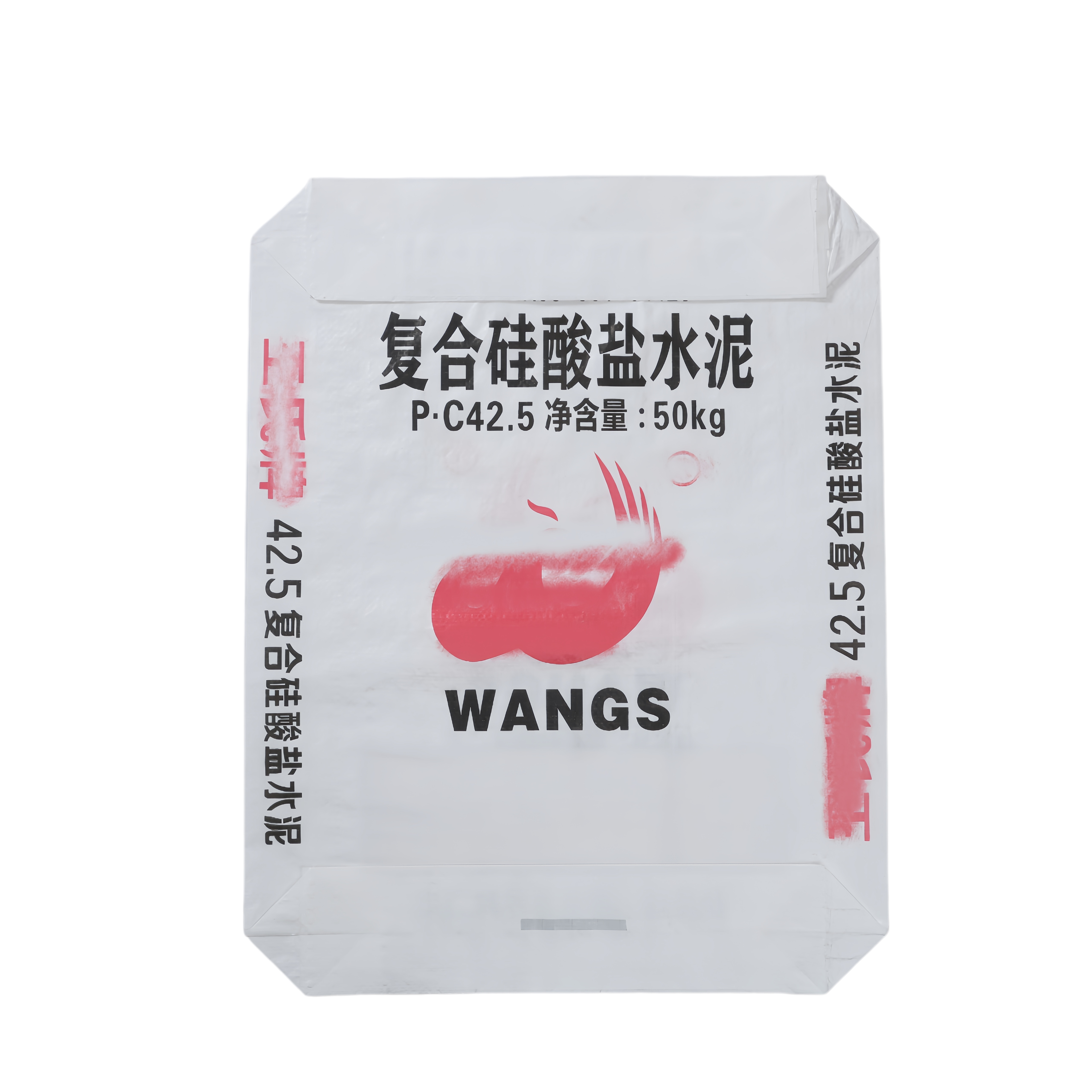
Ordering custom woven bags requires careful planning and attention to detail. Design errors can be costly, leading to production delays, material waste, and compromised branding impact. Many businesses underestimate the complexity of specifying bags correctly, resulting in shipments that don't meet expectations. Understanding the common pitfalls and implementing preventive measures ensures your custom packaging solution arrives exactly as intended.
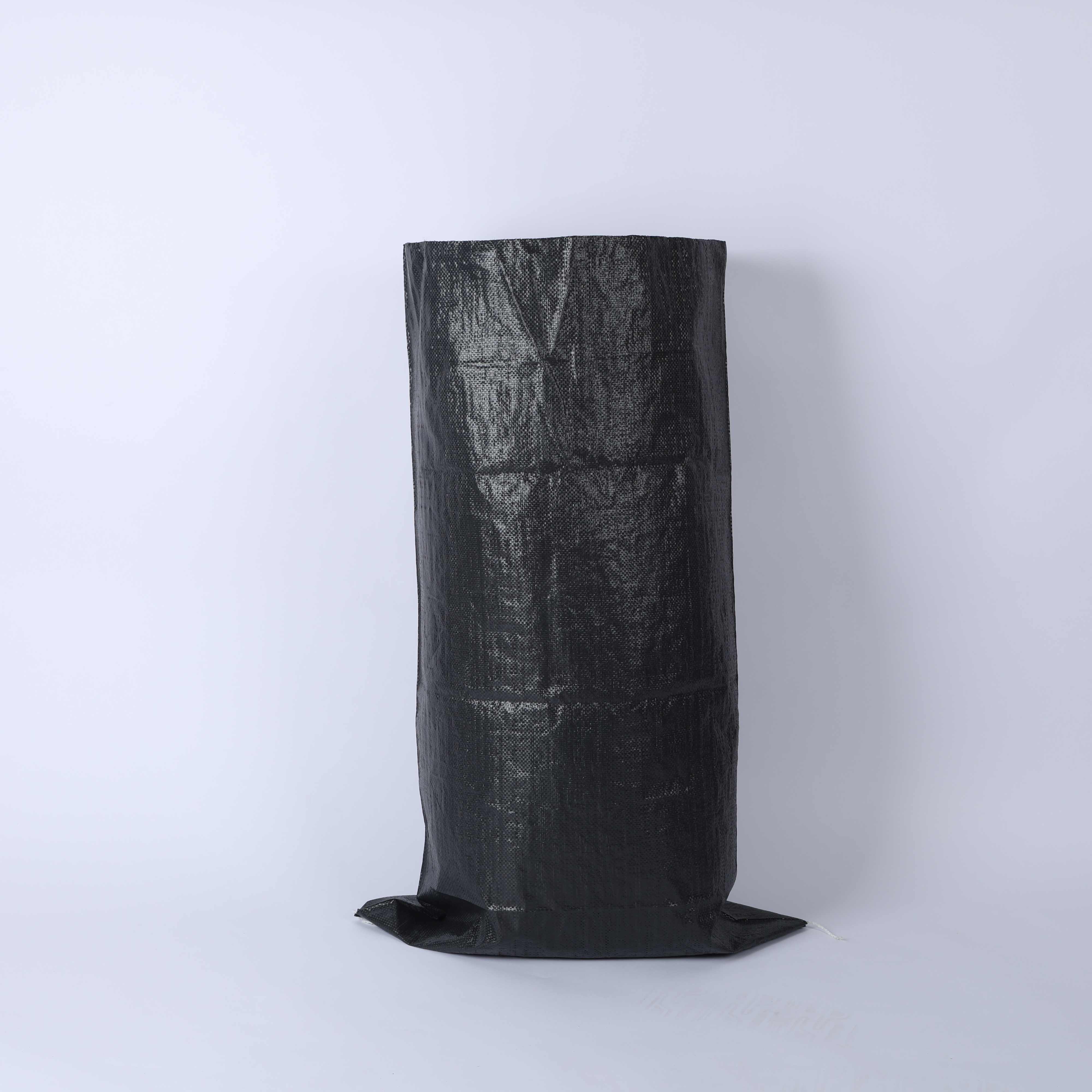
The key to successful procurement lies in establishing clear communication with your manufacturer before production begins. A personalized pp bag requires precise specifications covering dimensions, material composition, printing requirements, and functional features. By following a structured approach to specification and validation, you can eliminate ambiguities and ensure your custom packaging solution meets all business requirements and customer expectations.
The foundation of error-free custom woven bags begins with accurate measurements. Dimensional errors are among the most common and expensive mistakes, as incorrect width, height, or gusset depth renders entire production batches unsuitable. When specifying your personalized pp bag, provide measurements in both metric and imperial units to eliminate conversion errors. Include not only external dimensions but also internal usable space, seam allowances, and fold patterns.
Create a detailed specification document that references your custom packaging solution with complete dimensional data. This document should specify whether measurements represent flat dimensions, expanded capacity, or functional capacity. Clarify whether seams, handles, or printing areas reduce usable space. Request that your manufacturer provide a physical sample or technical drawing before full production begins, allowing you to verify dimensions against your actual product and operational requirements.
Material selection directly impacts whether your custom printed woven bag performs reliably in its intended environment. Specify the polypropylene thickness in microns, threading density, and UV resistance requirements. Different applications demand different material grades: bags for outdoor storage require UV-stabilized materials, while food-grade applications need specific material certifications. A custom packaging solution for agricultural products differs fundamentally from one designed for retail display.
Document whether your custom woven bags need lamination, moisture barriers, or anti-slip coatings. Specify required tensile strength, tear resistance, and weight capacity standards. Request material test certificates and third-party certifications if your industry or customer base requires them. These material specifications prevent production of bags that look correct but fail in real-world use conditions.
Design file errors cause significant production delays and rework costs for custom printed woven bag projects. Many businesses submit designs in consumer-grade formats or with incorrect color profiles, resulting in prints that don't match approved samples. Establish clear file format requirements with your manufacturer: typically high-resolution PDFs or print-ready TIFF files at 300 DPI minimum. Ensure your design extends beyond the intended print area by at least a quarter inch to account for cutting and registration variations.
When designing your personalized pp bag, consider how artwork appears across panels, seams, and curved surfaces. Provide separate files for each print area if your custom packaging solution requires printing on multiple sides. Include specifications for text size, ensuring legibility at actual bag dimensions. Submit mock-ups showing how your design appears on the physical bag structure, not just flat artwork. This approach eliminates the surprise of discovering that essential branding elements disappear into seams or fold areas during actual production.
Color accuracy requires more than selecting pantone numbers; it demands understanding your custom woven bags' final application and lighting conditions. Specify colors using Pantone Solid Uncoated standards for woven polypropylene surfaces, as digital and screen colors often differ dramatically from printed results. Request physical color proofs on sample bag material before committing to full production runs. This prevents situations where approved digital colors translate poorly onto the actual custom packaging solution.
Clarify which printing method your custom printed woven bag requires: flexographic printing, rotogravure, or screen printing each produces different color densities and finishes. Discuss how multiple ink colors interact on light or dark base materials. Specify required color consistency tolerances, particularly if your personalized pp bag is part of a product line needing visual coherence. Document ink type requirements if your bags contact food products or require specific environmental certifications.
Preventing errors requires building quality checkpoints into the production timeline for your custom packaging solution. Request that manufacturers provide first articles or pre-production samples for inspection before full production begins. These samples should include actual printed custom woven bags, handle attachment tests, and functional trials with your product. Inspect color accuracy, print sharpness, seam integrity, and handle strength before authorizing production of thousands or millions of units.
Establish clear acceptance criteria for your personalized pp bag samples, documenting specific requirements for color variation, print registration, and structural tolerances. Specify that unacceptable samples trigger mandatory corrections rather than proceeding with compromised production. Request in-process inspection photos showing key stages of your custom printed woven bag manufacturing. This transparency allows you to catch developing issues before they affect entire batches.
Your custom woven bags approval process should include final inspection of representative samples from full production runs before shipment. Specify the sampling frequency: typically 2-3 bags per production lot for visual inspection of print quality, 5-10 bags for destructive testing of seams and handles, and 100% visual screening for major defects like tears or missing prints. Document acceptance criteria in quantifiable terms rather than subjective descriptions.
Create detailed inspection protocols for your custom packaging solution addressing all critical elements: dimensional accuracy within specified tolerances, print quality standards, color consistency, seam strength, handle functionality, and overall appearance. Photograph approved samples as reference standards for future orders. Request that manufacturers retain records of your inspection approvals, creating accountability for maintaining consistent quality across repeat orders of your personalized pp bag designs.
Incorrect dimensional specifications represent the most prevalent error, often discovered only after production begins. Many businesses fail to account for seam allowances, handle placement reducing usable surface area, or the difference between flat and expanded dimensions. This mistake results in bags that are too small for products, compromised print areas, or complete production batch rejection. Preventing this requires submitting detailed technical drawings with every dimensional specification clearly labeled and verified against physical product requirements before production commences.
Request physical proof samples on actual custom packaging solution material rather than relying on digital color representations. Specify Pantone color standards for uncoated polypropylene surfaces, and require manufacturers to produce multiple samples showing color consistency across different print runs. Lighting conditions significantly affect perceived color, so evaluate samples under similar lighting to your end-use environment. Document approved color samples in writing, providing these as reference standards for all future production runs to maintain consistency of your personalized pp bag branding.
Comprehensive specifications should include detailed technical drawings with all dimensions clearly labeled, material composition requirements with specific micron thickness and density standards, print-ready design files in approved formats at minimum 300 DPI, color specifications using industry standards like Pantone, functional requirements and performance criteria, and detailed inspection acceptance standards. This documentation creates clear communication channels between your business and manufacturers, reducing ambiguity and preventing misunderstandings about your custom woven bags specifications. Include photographs, samples, and specific examples whenever possible to clarify your custom packaging solution requirements.

Discover the 4 critical production metrics—throughput, defect rate, equipment uptime & on-time delivery—to vet factories confidently.

Ensure regulatory compliance & worker safety with proven methods for chemical woven bags—material selection, labeling, storage & training.

Discover the full PP woven bag manufacturing workflow—from extrusion & weaving to printing & QC. Boost efficiency, compliance & ROI. Download the process guide now.

Struggling with weak bags or high material waste? Master extrusion and tape drawing tech for stronger, cheaper PP woven bags. Optimize your production line now.

Struggling with defects or customer returns? Discover the 5 non-negotiable quality checkpoints across your woven bag production line
Which automation tier is right for your PP woven bag factory? Compare manual to Industry 4.0 systems for cost, quality, and scalability.
Get in touch for details on polypropylene woven bags and flexible packaging solutions.
Tel
Address
No.2015, Liaoyuan Building, Lanshan District, Linyi City, Shandong Province.China

