 EN
How to Assess Production Efficiency at a PP Woven Bag Factory
Discover the 4 critical production metrics—throughput, defect rate, equipment uptime & on-time delivery—to vet factories confidently.

2026/08/12
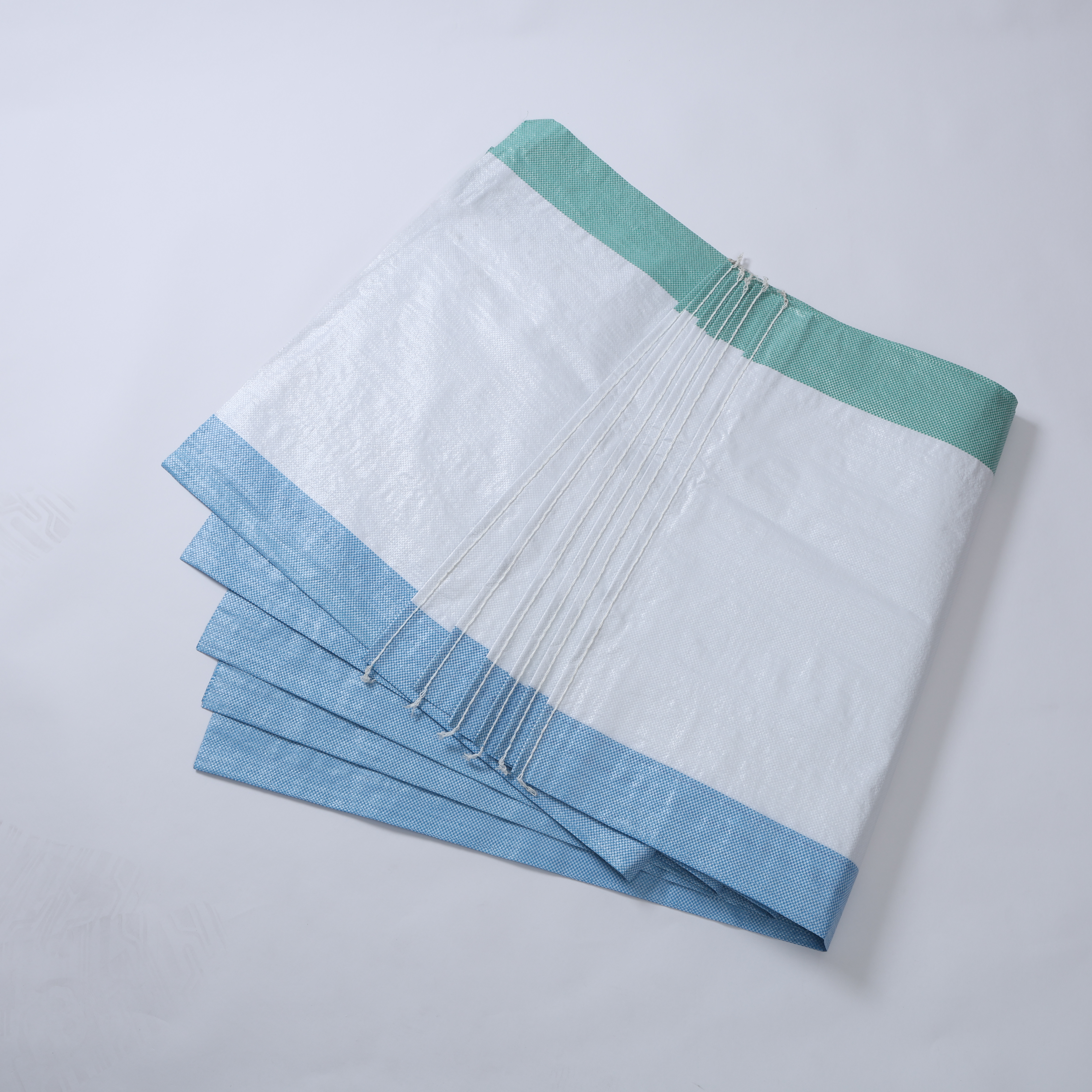
Feed bags are essential containers for storing and transporting grain, supplements, and other agricultural products across modern farm operations. However, tearing during handling represents one of the most common and costly problems farmers face, resulting in product loss, contamination, and wasted resources. Understanding how to prevent these tears requires knowledge of the underlying causes, material selection, and practical handling techniques that protect your feed bags throughout their lifecycle.
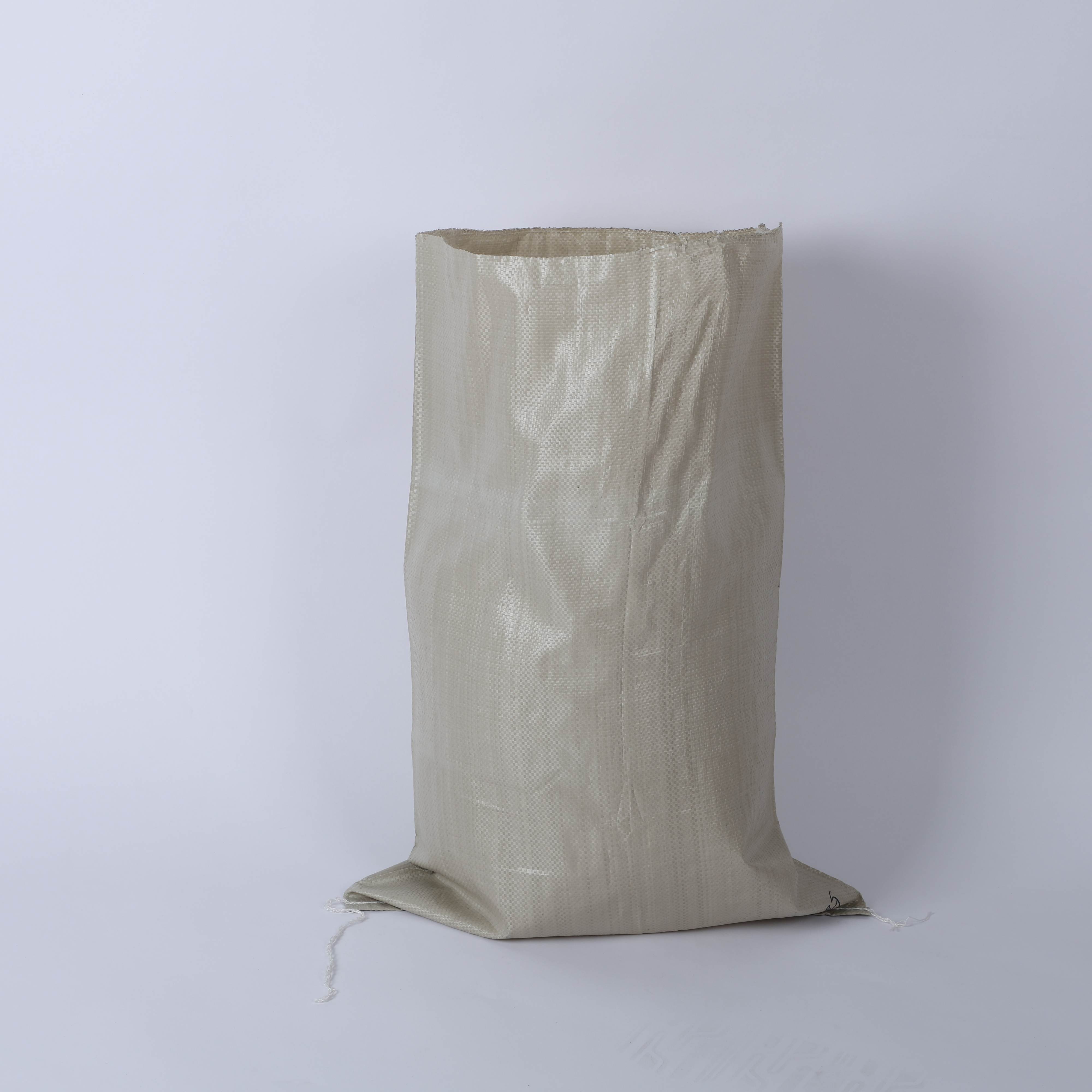
The quality of your animal feed bag directly impacts operational efficiency and product integrity. Investing in high-quality pp feed sack materials and implementing proper handling procedures can dramatically reduce waste and extend the usable life of your feed packaging bag inventory. This comprehensive guide explores proven strategies to keep your livestock feed bag system performing reliably under demanding farm conditions.
Most feed bags fail due to a combination of material limitations and environmental stress factors. pp feed sack materials must withstand moisture, UV exposure, temperature fluctuations, and mechanical friction from stacking and handling equipment. When feed packaging bag construction uses inadequate polypropylene thickness or poor weave density, tears develop rapidly during normal farm operations. Sharp edges on storage structures, rough handling surfaces, and abrasive grain particles all contribute to premature failure of livestock feed bag containers.
The structural integrity of your animal feed bag depends on both the base material and the reinforcement design. Double-stitched seams, reinforced corners, and gusseted sides provide essential protection against puncture and abrasion. Without these features, even premium-grade polypropylene will tear when stressed by heavy loads or rough contact points during transport and storage.
Improper handling remains the leading cause of feed bag damage on most farms. Dragging, throwing, or stacking feed bags without proper support creates concentrated stress points that exceed the material's tear resistance. Moisture exposure accelerates degradation of the pp feed sack structure, particularly in areas where condensation collects. High temperatures can weaken the polypropylene bond, making the feed packaging bag more susceptible to punctures and seam separation during handling.
Temperature fluctuations also affect livestock feed bag performance significantly. When bags cycle between hot and cold conditions, the material contracts and expands, creating micro-fractures that propagate into visible tears. Humidity control and proper ventilation in storage areas directly impact how long your animal feed bag investment remains functional and protective.
Choosing the right feed bags starts with understanding polypropylene grades and weave specifications. Heavy-duty pp feed sack products feature higher denier counts, tighter weave patterns, and enhanced tear-resistance additives. These premium materials provide superior protection compared to standard livestock feed bag containers, especially for long-term storage and frequent handling scenarios. The feed packaging bag industry standard for high-impact applications typically uses 3-ply or 4-ply construction with reinforced stitching patterns.
UV protection is critical for animal feed bag performance in outdoor or semi-covered storage areas. Carbon black additives or specialized UV-blocking coatings prevent photo-degradation that weakens the material over months of sun exposure. When evaluating pp feed sack options, confirm whether the manufacturer includes UV resistance as part of the construction, particularly if your farm stores product in direct sunlight.
Look for specific reinforcement features when selecting livestock feed bag products for your operation. Reinforced seams using double or triple-stitch patterns distribute stress loads across multiple thread lines, preventing single-point failures common in standard feed bags. Gusseted sides increase surface area contact and reduce the concentrated pressure that causes bag failure during stacking. Corner reinforcements with folded fabric layers add critical protection where stress concentrates most severely.
Quality animal feed bag manufacturers provide consistent material thickness, verified through independent testing. Ask suppliers about basis weight specifications, tear resistance measurements, and burst strength ratings. The feed packaging bag that meets or exceeds industry standards for agricultural use will display these certifications and performance data. Investing slightly more in verified quality livestock feed bag materials typically reduces overall waste costs and operational disruptions compared to cheaper alternatives that require frequent replacement.
Proper handling procedures are essential for protecting feed bags during daily farm operations. Train all personnel to carry feed bags carefully, supporting the load with both hands rather than dragging across rough surfaces. When using mechanical equipment to move livestock feed bag pallets, ensure forks align properly with load distribution points and avoid rapid acceleration that creates shock loads. Smooth, controlled movements prevent the sudden stress that tears pp feed sack materials even when constructed from premium polypropylene.
Transport vehicles should have smooth, padded interiors free of sharp protrusions that puncture animal feed bag containers. Use cargo netting or covers to prevent feed bags from shifting during transit, as movement between bags creates friction-induced tears. Stack feed packaging bags in pyramid patterns with even weight distribution rather than irregular piles that concentrate pressure on bottom layers. Limit stack heights to prevent bottom feed bags from crushing under excessive weight that compromises their structural integrity.
Climate-controlled storage extends the functional life of your livestock feed bag inventory significantly. Maintain moderate temperature ranges between 50-75 degrees Fahrenheit and keep relative humidity below 65% to prevent material degradation. Proper ventilation prevents moisture accumulation inside stacks, which weakens the pp feed sack construction from the inside. Position feed packaging bags away from direct sunlight, radiators, and other heat sources that accelerate polypropylene deterioration.
Organize your storage area to minimize unnecessary handling of animal feed bag stacks. Implement a first-in-first-out rotation system to use older stock before material aging becomes problematic. Keep storage floors clean and free of sharp debris that punctures feed bags. Regular inspections catch early signs of damage before bags become unusable, allowing you to address environmental issues before they compromise larger quantities of stored product.
Most heavy-duty pp feed sack products designed for grain and supplement storage use polypropylene in the 50-70 gram basis weight range per square meter. This thickness provides balanced tear resistance and handling durability while maintaining reasonable costs. For farms with particularly rough handling conditions or extended storage periods, 70-90 gram materials offer enhanced protection, though at higher material cost. Always verify that your specific feed packaging bag supplier tests materials to confirm they meet minimum tear-resistance and burst-strength standards for agricultural applications.
Establish a weekly inspection routine during high-activity periods and at least bi-weekly during normal operations to catch damage early. Focus on checking seams, corners, and the areas where animal feed bag containers contact storage surfaces or equipment. Look for loose threads, small tears, or signs of material degradation before they develop into major problems. Document any damage patterns to identify problem areas in your handling procedures or storage environment that may need adjustment. With consistent monitoring, you can catch livestock feed bag issues before they result in significant product loss or contamination.
Small tears in feed bags can often be repaired temporarily using waterproof adhesive patches or industrial tape, but this solution works only for minor damage. Reinforced patches may extend usable life by a few weeks if the tear is less than 2 inches long and not near seams or corners. However, heavily damaged livestock feed bag containers should be replaced rather than repaired, as patched feed packaging bags may fail unexpectedly during handling or storage. For food-grade applications, always follow regulatory guidelines regarding acceptable repair methods and storage duration of patched animal feed bag containers.

Discover the 4 critical production metrics—throughput, defect rate, equipment uptime & on-time delivery—to vet factories confidently.

Ensure regulatory compliance & worker safety with proven methods for chemical woven bags—material selection, labeling, storage & training.

Discover the full PP woven bag manufacturing workflow—from extrusion & weaving to printing & QC. Boost efficiency, compliance & ROI. Download the process guide now.

Struggling with weak bags or high material waste? Master extrusion and tape drawing tech for stronger, cheaper PP woven bags. Optimize your production line now.

Struggling with defects or customer returns? Discover the 5 non-negotiable quality checkpoints across your woven bag production line
Which automation tier is right for your PP woven bag factory? Compare manual to Industry 4.0 systems for cost, quality, and scalability.
Get in touch for details on polypropylene woven bags and flexible packaging solutions.
Tel
Address
No.2015, Liaoyuan Building, Lanshan District, Linyi City, Shandong Province.China

