 EN
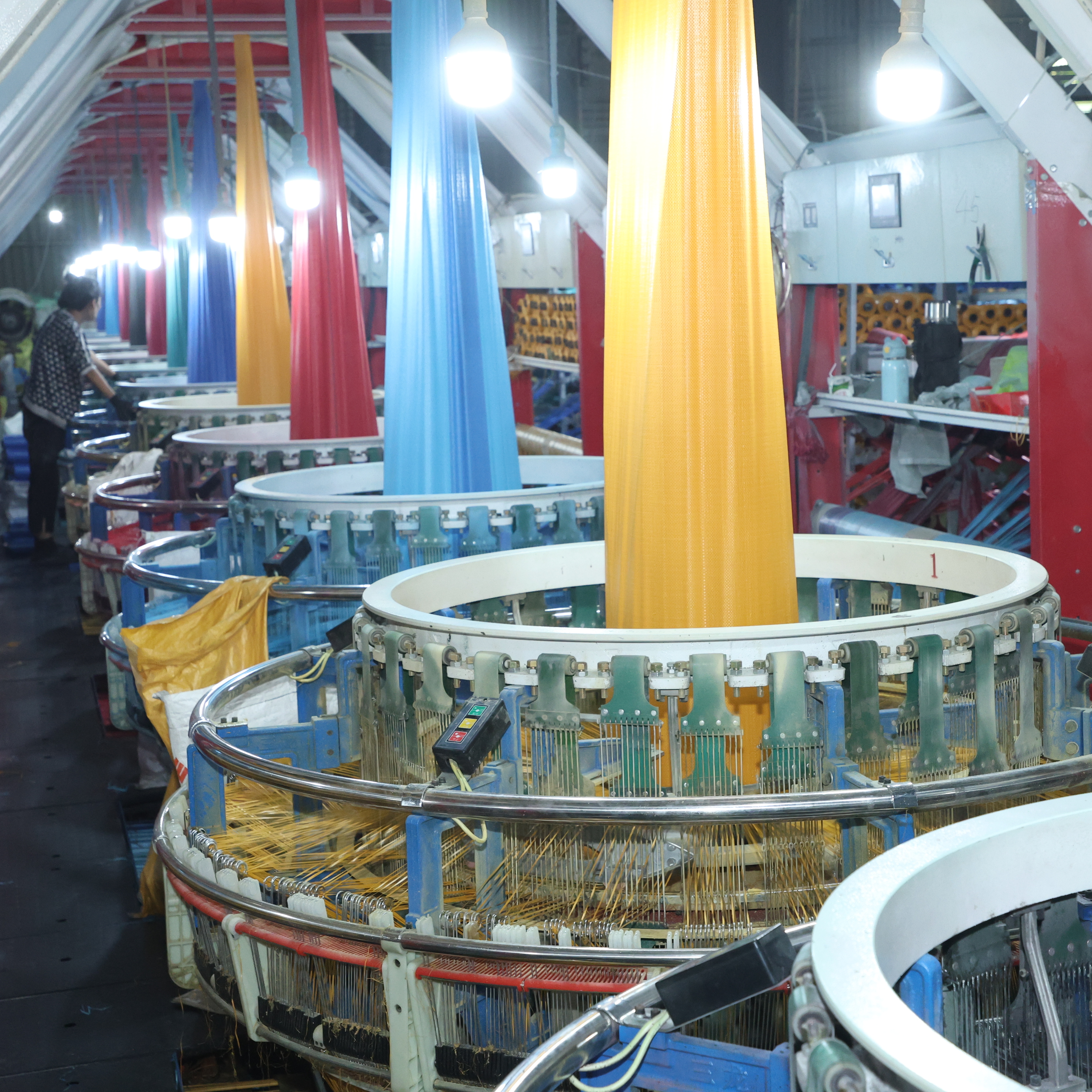
How to Assess Production Efficiency at a PP Woven Bag Factory
Discover the 4 critical production metrics—throughput, defect rate, equipment uptime & on-time delivery—to vet factories confidently.

2026/08/06
Liner separation is one of the most common challenges faced by businesses using PE Lined woven bags in industrial and agricultural applications. When the polyethylene liner begins to separate from the woven substrate, it compromises the integrity of the entire packaging system, exposing contents to moisture, contamination, and degradation. Understanding the root causes and implementing preventive strategies is essential for maintaining product quality and protecting your supply chain investment.
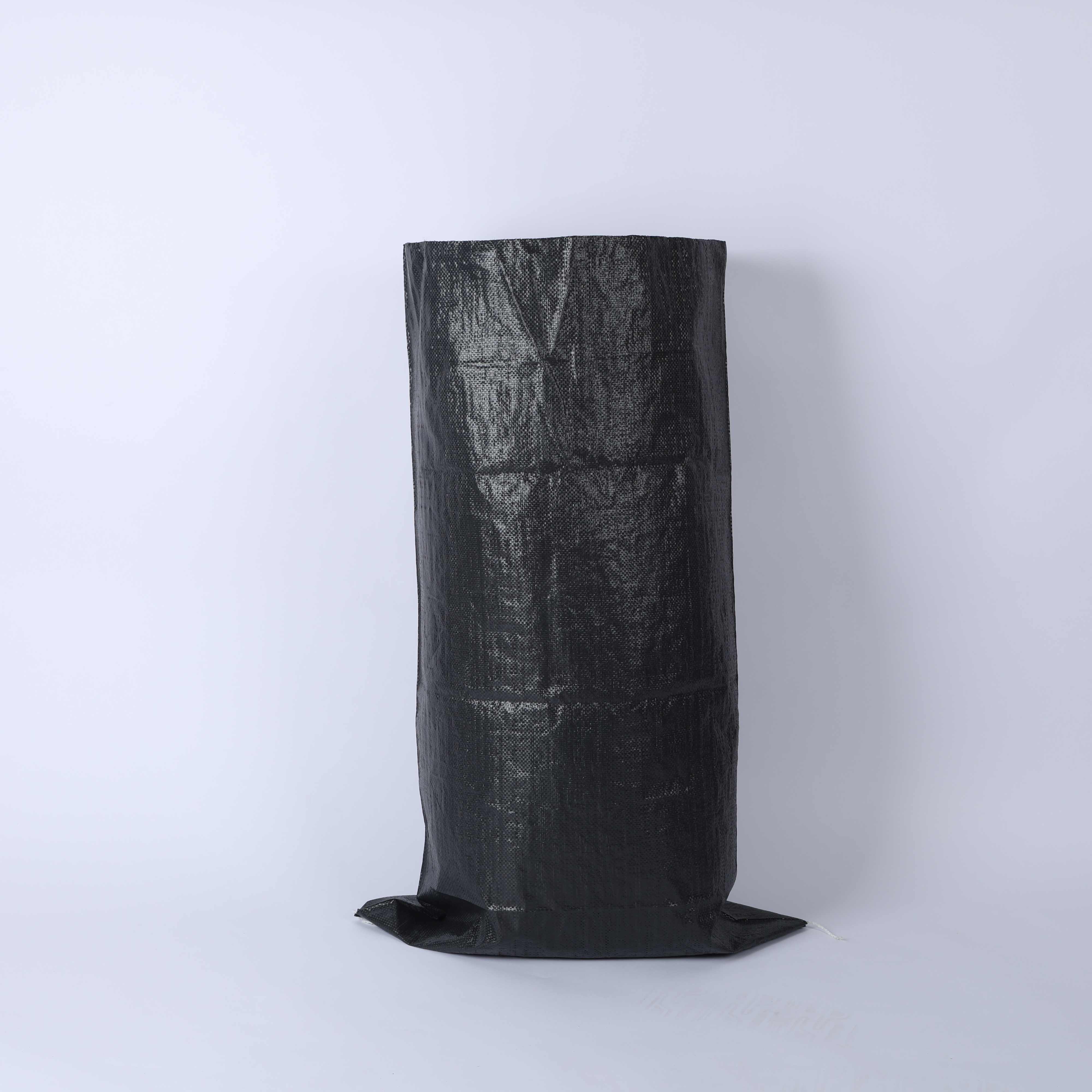
Liner separation occurs due to mechanical stress, environmental fluctuations, and improper handling during storage and transportation. A PE liner bag is engineered to provide robust moisture protection, but its performance depends entirely on maintaining the bond between the polyethylene layer and the polypropylene woven base. When this bond fails, the moisture barrier bag loses its fundamental protective properties, making prevention not just a preference but a critical operational requirement.
A PE lined woven bag combines woven polypropylene fabric with an inner polyethylene layer through heat lamination or adhesive bonding. This construction creates a PE liner bag that offers superior protection against moisture while maintaining the structural strength of woven material. The bond strength between these two materials determines how well the bag performs under stress. A pp pe composite bag relies on this interface to resist peeling, delamination, and separation during normal use and storage.
The manufacturing process involves precise temperature control, pressure application, and material quality management. Any deviation in these parameters affects the adhesion quality of the PE lined woven bag, potentially creating weak points that are vulnerable to separation during use. Understanding this construction helps identify why certain handling and storage practices either accelerate or prevent liner separation.
Mechanical stress is the leading cause of liner failure in a PE liner bag. Rough handling, dragging across concrete, stacking excessive weight, or dropping bags from height can create localized stress points where the polyethylene begins to peel away from the woven substrate. Temperature fluctuations also trigger separation by causing the PE and polypropylene materials to expand and contract at different rates, placing tension on the adhesive bond. Excessive moisture exposure weakens the adhesive used in moisture barrier bag construction, accelerating delamination over time.
Poor storage conditions significantly impact the durability of a pp pe composite bag. Exposure to direct sunlight degrades the polyethylene layer and weakens the adhesive interface. High humidity environments combined with temperature cycling create ideal conditions for liner separation. Additionally, improper stacking practices that concentrate load on specific areas of the bag accelerate failure at those stress points.
Maintaining stable environmental conditions is crucial for protecting your PE lined woven bag inventory. Store bags in a cool, dry location where temperature remains between 15 and 25 degrees Celsius and relative humidity stays below 65 percent. These conditions prevent the temperature-driven expansion and contraction cycles that stress the PE liner bag bond. Direct sunlight exposure should be completely avoided, as ultraviolet radiation degrades both the polyethylene layer and the adhesive, weakening the moisture barrier bag protection significantly.
Proper ventilation in storage areas reduces moisture accumulation that can penetrate the adhesive interface. Avoid storing PE lined woven bags directly against exterior walls or in areas prone to condensation. Elevate bags off the floor on pallets or racks to prevent ground moisture from affecting the bottom layers. This seemingly simple practice extends the service life of your pp pe composite bag by preventing moisture-driven degradation at the critical storage phase.
Mechanical handling is the most controllable risk factor in preventing liner separation. Train all personnel to handle PE liner bags with care, avoiding dragging, throwing, or unnecessary friction against rough surfaces. When using forklifts or material handling equipment, ensure that prongs contact only the pallet base, never the bags themselves. Slow, deliberate movements reduce impact stress that can initiate PE lined woven bag separation. Establish clear loading procedures that prioritize gentle placement over speed.
Stack PE lined bags at maximum safe heights recommended by the manufacturer, typically no higher than six to eight bags depending on the bag size and material weight. Prevent stacking overstuffed bags unevenly, as concentrated pressure on single points accelerates moisture barrier bag failure. Use load distribution pallets or dividers between layers to spread pressure uniformly across the entire bag surface. Document these handling requirements in your facility procedures and conduct regular training to reinforce safe practices.
Implement a systematic inspection routine to catch early signs of liner separation in your PE liner bag supply. Visually examine bags for peeling edges, visible delamination, or wrinkles that indicate adhesive failure. Press the surface gently to detect soft spots where the polyethylene has separated from the pp pe composite bag structure. Document any issues and track trends to identify whether problems stem from specific storage areas, handling practices, or manufacturing batches.
Establish baseline performance data for your PE lined woven bag products to create benchmarks for comparison. Test adhesion strength periodically using simple peel tests or by consulting your supplier's test reports. Monitor environmental conditions continuously with data loggers in storage areas to ensure temperature and humidity remain within acceptable ranges. Proactive monitoring enables you to address moisture barrier bag degradation before it impacts your operations.
Work closely with your PE liner bag supplier to specify adhesive formulations and manufacturing parameters that match your specific climate and handling conditions. Discuss your storage environment and handling practices so they can recommend appropriate adhesive types that resist moisture and temperature stress. Request documentation of adhesive specifications, bonding pressure, and temperature settings used in producing your pp pe composite bag inventory. This transparency helps ensure that your PE lined woven bag purchase meets the actual performance demands of your application.
Consider material upgrades or alternative constructions for challenging environments. Some suppliers offer dual-layer adhesive systems or advanced formulations designed specifically for high-moisture applications where standard moisture barrier bag construction might fail. Investing in higher-quality PE liner bag production often costs less than managing product loss and supply chain disruptions caused by liner separation failures in the field.
Humidity accelerates PE lined woven bag liner separation because moisture penetrates the adhesive layer between the polyethylene and woven substrate, weakening the bond. High humidity combined with temperature cycling creates expansion and contraction stress that further stresses the PE liner bag adhesive. In tropical or coastal environments, a pp pe composite bag requires exceptional storage conditions and possibly upgraded adhesive formulations to prevent moisture barrier bag failure.
Stack PE lined woven bags vertically in a uniform pattern, ensuring equal weight distribution across the entire base surface. Use load distribution pallets between layers to prevent concentrated pressure on specific areas of the PE liner bag. Never exceed the recommended maximum stacking height, and avoid placing heavy equipment or other items on top that could create localized stress points. These practices protect the pp pe composite bag adhesive bond throughout storage.
Minor PE liner bag separation at edges may be temporarily sealed with specialized polyethylene tape as a short-term solution, but permanent repair is not recommended. Once the adhesive bond fails in a PE lined woven bag, the structural integrity of the moisture barrier bag is compromised. The safest approach is to replace bags showing significant delamination to avoid product contamination or quality issues. Prevention through proper storage and handling remains far more cost-effective than attempting repairs.

Discover the 4 critical production metrics—throughput, defect rate, equipment uptime & on-time delivery—to vet factories confidently.

Ensure regulatory compliance & worker safety with proven methods for chemical woven bags—material selection, labeling, storage & training.

Discover the full PP woven bag manufacturing workflow—from extrusion & weaving to printing & QC. Boost efficiency, compliance & ROI. Download the process guide now.

Struggling with weak bags or high material waste? Master extrusion and tape drawing tech for stronger, cheaper PP woven bags. Optimize your production line now.

Struggling with defects or customer returns? Discover the 5 non-negotiable quality checkpoints across your woven bag production line
Which automation tier is right for your PP woven bag factory? Compare manual to Industry 4.0 systems for cost, quality, and scalability.
Get in touch for details on polypropylene woven bags and flexible packaging solutions.
Tel
Address
No.2015, Liaoyuan Building, Lanshan District, Linyi City, Shandong Province.China

