 EN
How to Assess Production Efficiency at a PP Woven Bag Factory
Discover the 4 critical production metrics—throughput, defect rate, equipment uptime & on-time delivery—to vet factories confidently.

2026/08/06
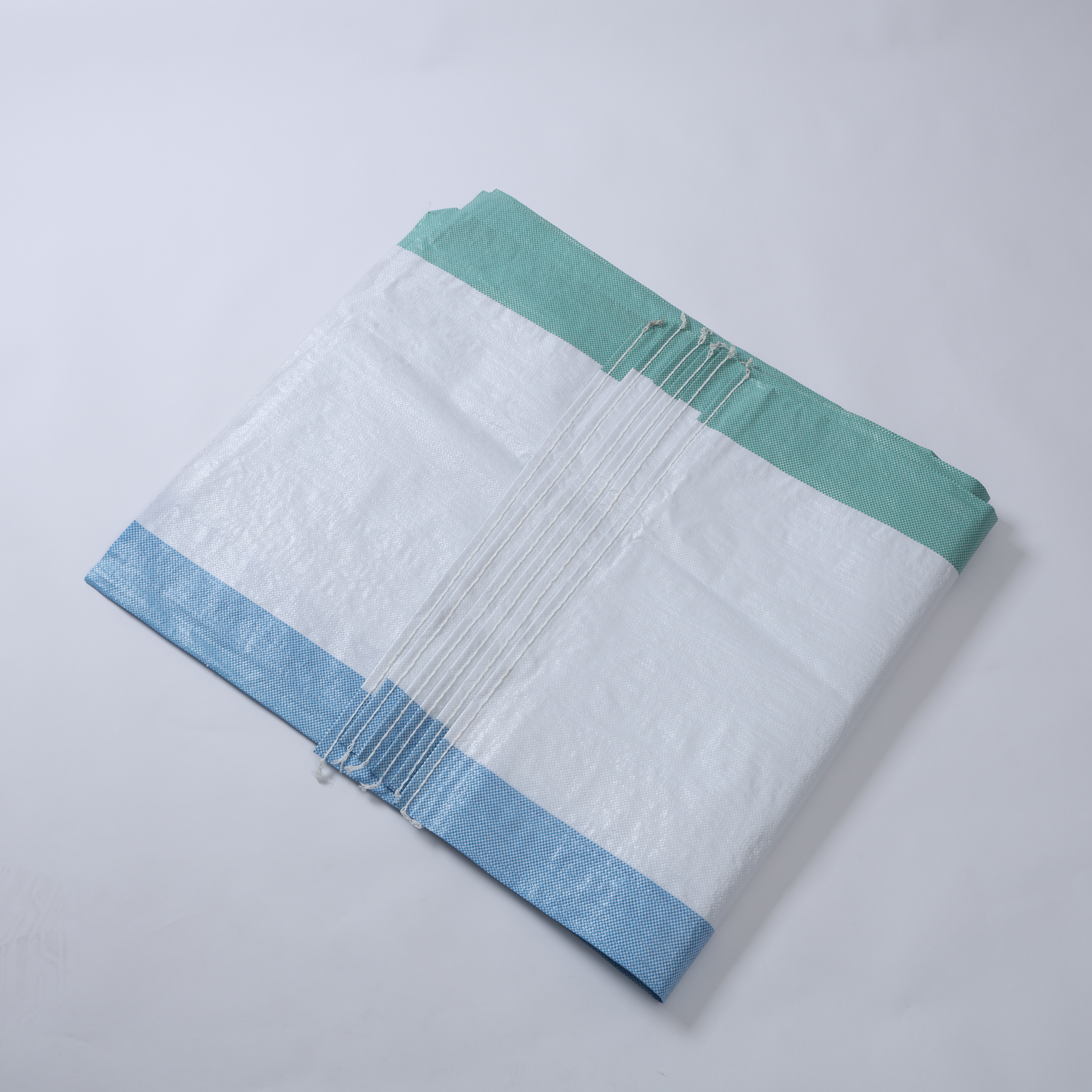
Heavy loading operations demand durable packaging solutions that withstand significant stress without compromising product integrity. A pp woven bag represents one of the most reliable options for transporting bulk materials, agricultural products, and industrial goods across supply chains. However, improper handling, inadequate material specifications, and environmental factors can lead to unexpected tears that damage contents and disrupt operations. Understanding the root causes of failure and implementing preventative measures ensures your polypropylene woven packaging performs consistently under demanding conditions.
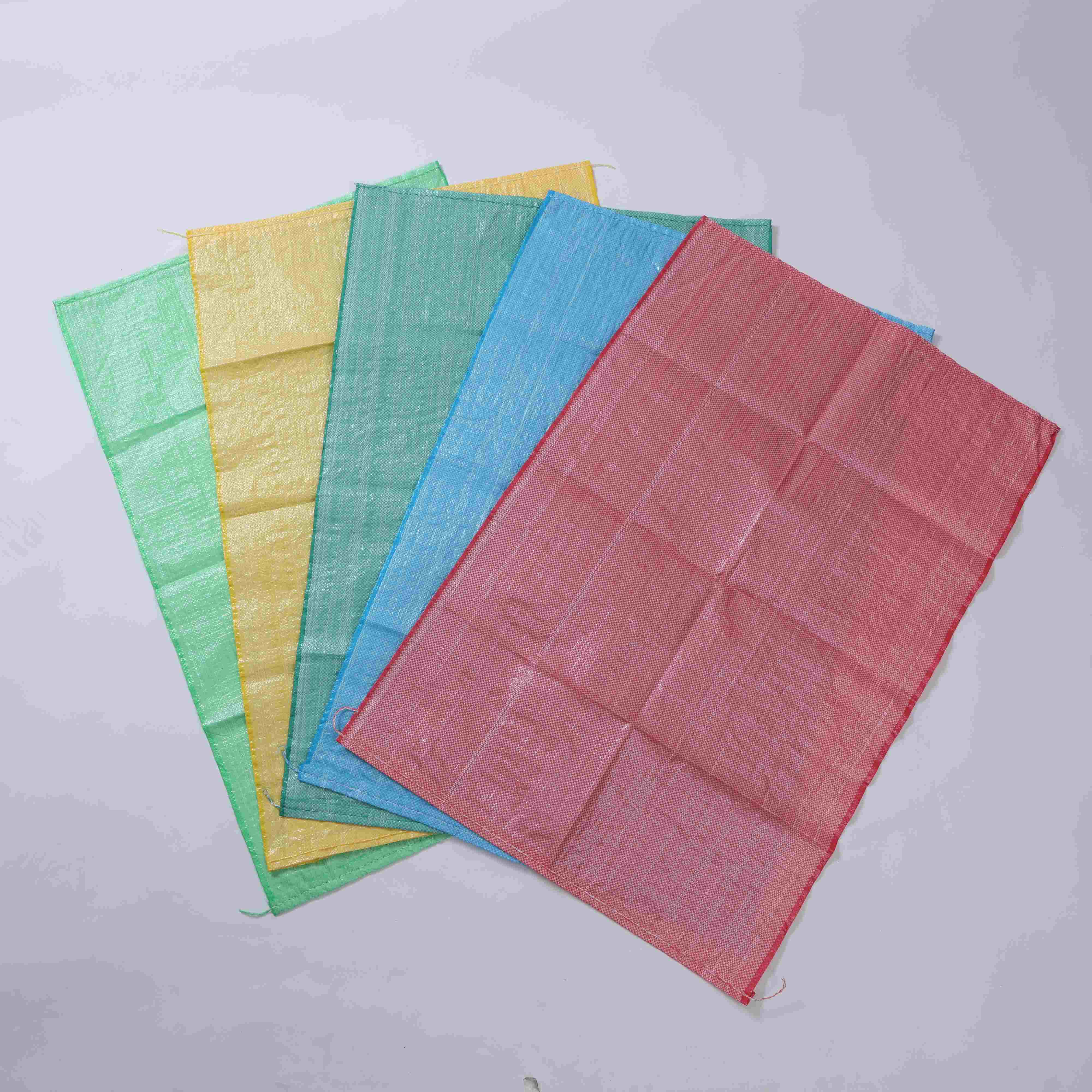
Preventing tears in woven polypropylene packaging requires a multifaceted approach that combines material selection, operational practices, and environmental management. By investing in high-quality pp bulk bags designed for heavy-duty applications and adopting best practices during loading, handling, and storage, organizations can significantly reduce product loss and maintain supply chain efficiency. This guide explores proven strategies to strengthen your packaging resilience and protect your valuable shipments throughout their journey.
The foundation of tear resistance begins with selecting a polypropylene woven bag manufactured to specifications that match your loading requirements. Premium pp woven sacks feature multiple laminated layers that distribute stress more effectively than single-ply alternatives. The denier of the polypropylene strands, measured in thickness units, directly impacts tensile strength and puncture resistance. Higher denier yarns, typically ranging from 150 to 300 denier, provide superior protection during heavy loading compared to lighter constructions.
Material composition also influences durability significantly. A pp bulk bag with added UV stabilizers resists degradation from sunlight exposure, while slip-resistant coatings prevent shifting loads that can create concentrated stress points. Reinforced stitching patterns around seams and edges strengthen vulnerable areas where tears commonly initiate. Specifying bags with heat-sealed rather than stitched seams can reduce tear propagation, as the continuous seal creates fewer stress concentration zones than traditional thread patterns.
Every woven polypropylene packaging solution carries specific weight capacity ratings that define maximum safe loading limits. Exceeding these specifications concentrates stress unevenly across bag surfaces, accelerating tear development. Manufacturers typically rate polypropylene woven packaging based on static load tests that simulate real-world conditions. A pp woven bag rated for 1000 kilograms should never receive loads approaching or exceeding this threshold, even when distribution appears even.
Dynamic loading conditions create additional stress beyond static weight. During transportation, acceleration, braking, and vibration cause loads to shift within the bag, generating tension waves that weaken fabric integrity over time. Selecting a pp bulk bag with 20 to 30 percent safety margin above anticipated maximum loads provides crucial protection against unexpected weight increases or uneven distribution. This conservative approach prevents catastrophic failures that could compromise entire shipments of valuable materials.
How materials are loaded into a pp woven sack fundamentally determines whether the bag will survive heavy loading or fail prematurely. Distributing weight evenly throughout the bag prevents stress concentration that initiates tears at weak points. Rather than dumping materials from height, which creates impact forces that spike interior pressures, use gravity-fed hoppers or conveyor systems that fill the bag gradually and uniformly. This methodical approach allows the bag to settle weight naturally without experiencing sudden shock loads.
Avoid overfilling, as excess material creates pressure on seams and corner areas where the polypropylene woven packaging experiences maximum strain. Leave at least 5 to 8 centimeters of headspace to allow material to compress slightly without creating extreme tension. When loading a pp bulk bag with irregular or angular materials, incorporate an internal settling bag or baffle to guide materials toward the center, preventing sharp edges from puncturing the woven polypropylene bag walls from inside. Multiple gentle passes with equipment rather than one aggressive loading operation reduces mechanical stress significantly.
During transit, pp woven sacks experience continuous mechanical stress from vehicle movement, road conditions, and stacking pressure from adjacent bags. Secure loads properly to prevent excessive movement within transport containers, as sliding and rolling accelerate tear propagation. When stacking multiple woven polypropylene packaging units, arrange them to distribute weight vertically without creating uneven pressure distribution. Stack heights should not exceed manufacturer recommendations, typically limited to 8 to 10 bag heights for a pp woven bag depending on material weight and bag construction.
Use load distribution platforms and spacers to prevent corner crushing and edge pressure that commonly initiates tears in pp bulk bags. Forklift operators should position forks to support load distribution evenly, passing through reinforced areas rather than weak points. Temperature fluctuations during transport affect polypropylene woven packaging flexibility and brittleness, so avoid exposing bags to extreme heat or cold immediately before loading. Protective covers or securing nets can shield the pp woven sack from abrasive surfaces, sharp edges, and environmental hazards that create puncture risks.
Environmental factors significantly influence the structural integrity of polypropylene woven bags during storage periods. Prolonged exposure to ultraviolet radiation degrades polypropylene material, reducing flexibility and creating brittle weak points susceptible to tearing under load. Store pp woven sacks in shaded areas or covered facilities that minimize direct sunlight exposure. When outdoor storage is unavoidable, apply protective tarps or UV-protective covers over stacked pp bulk bags to extend material life and maintain tear resistance capacity.
Temperature and humidity fluctuations affect woven polypropylene packaging behavior and structural stability. Extreme heat causes the material to expand and soften, while cold temperatures make it brittle and prone to cracking. Maintain storage environments between 15 and 25 degrees Celsius with relative humidity between 40 and 60 percent for optimal preservation. Avoid storing a pp woven bag near heat sources, chemical vapors, or moisture-producing equipment that could chemically attack or weaken the polypropylene material.
Aging affects all packaging materials, including polypropylene woven bags, reducing tear resistance over time even under perfect storage conditions. Implement first-in, first-out inventory rotation to ensure older stock moves through operations before material degradation becomes problematic. Inspect stored pp woven sacks periodically for visible damage, discoloration, or brittleness indicating age-related deterioration. Even undamaged bags approaching their recommended storage life should be prioritized for shipment to maximize structural integrity during heavy loading operations.
Moisture absorption by polypropylene woven packaging materials can compromise structural properties, particularly in humid environments. Use desiccant packs or humidity-controlled storage rooms when storing pp bulk bags in high-moisture locations. Label and track bags by manufacturing date to monitor aging progression, removing stock that has exceeded safe storage periods before materials become too compromised for reliable performance. This proactive approach prevents expensive failures and maintains consistent packaging quality across all shipments.
For heavy loading operations, specify polypropylene woven bag construction with 150 to 300 denier yarns combined with multi-ply lamination for maximum strength. A pp woven sack with at least three-layer construction provides superior tear resistance compared to lighter alternatives. Consider adding specialized additives like UV stabilizers and slip coatings that enhance overall durability under demanding conditions. Your supplier should provide detailed technical specifications confirming tensile strength and puncture resistance ratings appropriate for your maximum anticipated loads.
Edge and corner failures commonly occur in pp woven bags due to stress concentration at these weak points. Specify woven polypropylene packaging with reinforced stitching around edges and heat-sealed seams that distribute stress more evenly. During storage and handling, use protective edge guards and corner reinforcements to shield vulnerable areas from impacts and abrasion. Ensure forklifts and handling equipment engage only the reinforced base areas of the pp woven sack rather than sides or corners, preventing localized pressure that initiates tears.
Under optimal storage conditions with protection from UV radiation, moisture, and extreme temperatures, pp bulk bags typically maintain acceptable performance for 12 to 24 months from manufacture date. Polypropylene woven packaging stored in uncontrolled outdoor environments may experience significant degradation within 6 to 12 months due to UV exposure and temperature cycling. Implement inventory rotation practices to prioritize older pp woven bags for shipment, and inspect material regularly for signs of brittleness, discoloration, or visible weakness that indicate age-related decline in tear resistance capacity.

Discover the 4 critical production metrics—throughput, defect rate, equipment uptime & on-time delivery—to vet factories confidently.

Ensure regulatory compliance & worker safety with proven methods for chemical woven bags—material selection, labeling, storage & training.

Discover the full PP woven bag manufacturing workflow—from extrusion & weaving to printing & QC. Boost efficiency, compliance & ROI. Download the process guide now.

Struggling with weak bags or high material waste? Master extrusion and tape drawing tech for stronger, cheaper PP woven bags. Optimize your production line now.

Struggling with defects or customer returns? Discover the 5 non-negotiable quality checkpoints across your woven bag production line
Which automation tier is right for your PP woven bag factory? Compare manual to Industry 4.0 systems for cost, quality, and scalability.
Get in touch for details on polypropylene woven bags and flexible packaging solutions.
Tel
Address
No.2015, Liaoyuan Building, Lanshan District, Linyi City, Shandong Province.China

