 EN
How to Assess Production Efficiency at a PP Woven Bag Factory
Discover the 4 critical production metrics—throughput, defect rate, equipment uptime & on-time delivery—to vet factories confidently.

2026/08/13
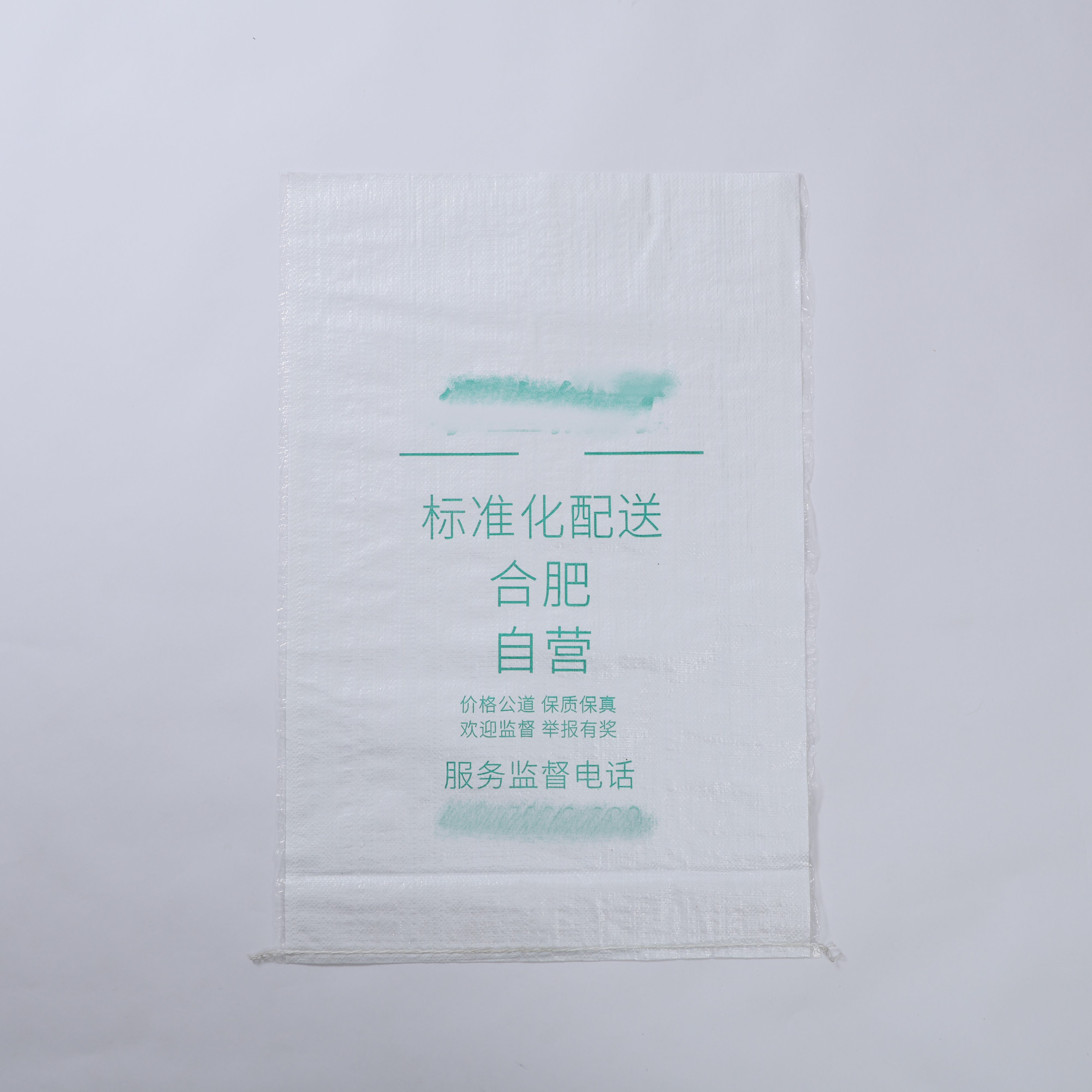
Sugar bags represent one of the most common cargo challenges in food logistics and agricultural transport. Fine sugar crystals are notoriously prone to leakage during transit, causing product loss, contamination, and increased operational costs. Understanding how to prevent sugar bags from leaking during transport is essential for distributors, manufacturers, and logistics professionals who handle bulk sugar shipments regularly. The key to success lies in selecting the right sugar packaging bag materials, proper loading techniques, and strategic environmental controls throughout the supply chain.
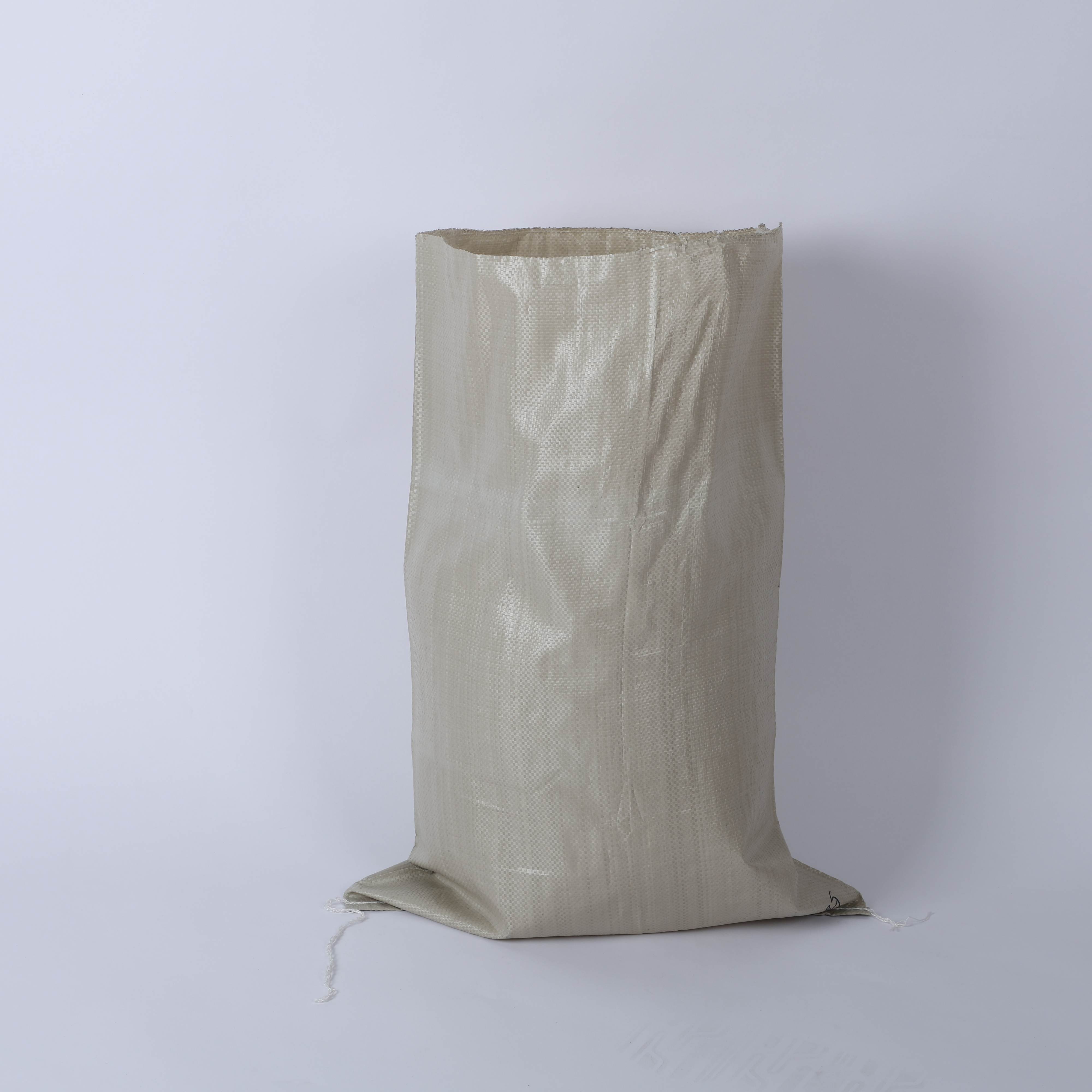
The challenge of transporting sugar bags effectively requires a multi-layered approach that addresses material quality, packaging integrity, and handling procedures. Fine sugar crystals can escape through microscopic weaves in lower-grade fabrics, particularly during vibration and temperature fluctuations inherent in long-distance transport. A comprehensive leakage prevention strategy combines proper pp sugar sack selection with reinforced sealing methods, moisture management, and adequate vehicle conditions. This guide walks through proven techniques that minimize product loss while maintaining food safety standards and regulatory compliance throughout the distribution network.
The foundation of leak prevention begins with selecting sugar bags manufactured from high-density polypropylene woven materials. A pp sugar sack with proper density prevents fine crystals from escaping through the fabric weave during transport. The weave construction directly affects how much micro-movement occurs within the bag structure, and tighter weaves significantly reduce particle migration. Most modern food-grade packaging bags are rated by grams per square meter, with higher ratings indicating greater density and leak resistance. Industry standards typically recommend a minimum of 100 to 120 gsm for sugar applications to ensure reliable containment of fine particles.
Premium sugar woven bags often include polyethylene or polypropylene liners that create an additional barrier against both crystal escape and moisture ingress. These inner liners sit directly against the sugar and catch any fine particles that might migrate toward the outer weave. Food grade packaging bag specifications should clearly indicate whether the bag includes a laminated inner layer or a separate liner application. Liners also protect sugar from absorbing ambient humidity during transport, which can cause clumping and further increase leakage risk. When evaluating pp sugar sack options, confirm that the liner material is FDA-approved and suitable for direct food contact in your target markets.
Once sugar packaging bag material is selected, sealing methodology becomes the next critical control point. Double-stitched or triple-stitched seams provide substantially better leak containment than single-pass stitching, particularly under the vibrational stress of highway and rail transport. The stitching pattern should follow a box-stitch or cross-stitch configuration rather than a simple line, distributing load stress across multiple thread pathways. Sugar woven bags sealed with reinforced closure techniques experience significantly lower failure rates during long-distance transport. Thread material should match or exceed the strength specification of the polypropylene fabric to prevent premature failure at stress points.
Supplementing mechanical stitching with heat-sealed closures adds another layer of protection against fine crystal escape. Modern food grade packaging bag manufacturers increasingly apply thermoplastic adhesive strips or ultrasonic heat-sealing along the top edge of bags before mechanical stitching. This dual-closure approach eliminates micro-gaps that can develop in traditionally stitched bags under transport stress. Heat-sealed edges also provide a moisture barrier that protects against humidity-driven sugar clumping and subsequent leakage. Verify that any adhesive or heat-sealing method is approved for food contact and complies with FDA and international food safety regulations before committing to large-scale use.
Environmental conditions inside transport vehicles directly influence sugar bags' structural integrity and leakage risk. Temperature fluctuations cause expansion and contraction of polypropylene fibers, creating micro-movements that encourage crystal migration toward the bag surface. Maintaining consistent temperature during transport, ideally between 15 and 25 degrees Celsius, minimizes these thermal stresses. Humidity levels equally matter; sugar begins to absorb moisture when relative humidity exceeds 65 percent, causing crystals to clump and increasing pressure within the pp sugar sack. Climate-controlled shipping containers or sealed truck environments significantly reduce leakage incidents compared to open-bed transport.
How sugar packaging bag shipments are arranged within vehicles dramatically affects leakage outcomes. Sugar bags should never be stacked more than eight to ten layers high, as compression weight at the bottom of the stack can force fine crystals through the weave of lower bags. Using intermediate barrier sheets or honeycomb paper between layers provides cushioning and distributes compression forces more evenly. Secure all loaded sugar woven bags with straps or netting to prevent shifting during braking, acceleration, or turns on the roadway. Proper securing reduces vibrational stress on individual bags and the collective stack, minimizing the micro-movements that trigger crystal escape and leakage incidents.
Industry experts recommend a minimum density of 100 to 120 grams per square meter for pp sugar sack applications. This density level provides adequate barrier protection against fine crystal migration while maintaining cost-effectiveness. Higher densities up to 150 gsm offer enhanced protection for extended transport routes or high-vibration environments. The specific density choice depends on transport duration, distance, road conditions, and the fineness of the sugar crystals being shipped in your sugar packaging bag.
Heat-sealing is most effective when combined with mechanical stitching and proper material selection rather than used as a standalone solution. While heat sealing closes micro-gaps effectively, it cannot compensate for inadequate fabric density or poor weave construction. A comprehensive approach using food grade packaging bag materials with integrated liner layers, reinforced stitching, and strategic heat-sealing provides the strongest leakage prevention. Many manufacturers now employ all three techniques together for maximum reliability across diverse transport scenarios.
High humidity causes sugar to absorb moisture, leading to crystal clumping and increased internal pressure within sugar bags. This pressure forces fine particles to migrate toward the bag surface and escape through microscopic weave gaps. Maintaining relative humidity below 65 percent during transport significantly reduces these moisture-related leakage incidents. Climate-controlled containers, desiccant packets placed inside shipments, and proper ventilation in storage areas all help manage humidity and protect the integrity of pp sugar sack shipments throughout the supply chain.

Discover the 4 critical production metrics—throughput, defect rate, equipment uptime & on-time delivery—to vet factories confidently.

Ensure regulatory compliance & worker safety with proven methods for chemical woven bags—material selection, labeling, storage & training.

Discover the full PP woven bag manufacturing workflow—from extrusion & weaving to printing & QC. Boost efficiency, compliance & ROI. Download the process guide now.

Struggling with weak bags or high material waste? Master extrusion and tape drawing tech for stronger, cheaper PP woven bags. Optimize your production line now.

Struggling with defects or customer returns? Discover the 5 non-negotiable quality checkpoints across your woven bag production line
Which automation tier is right for your PP woven bag factory? Compare manual to Industry 4.0 systems for cost, quality, and scalability.
Get in touch for details on polypropylene woven bags and flexible packaging solutions.
Tel
Address
No.2015, Liaoyuan Building, Lanshan District, Linyi City, Shandong Province.China

