 EN
How to Assess Production Efficiency at a PP Woven Bag Factory
Discover the 4 critical production metrics—throughput, defect rate, equipment uptime & on-time delivery—to vet factories confidently.

2026/08/14
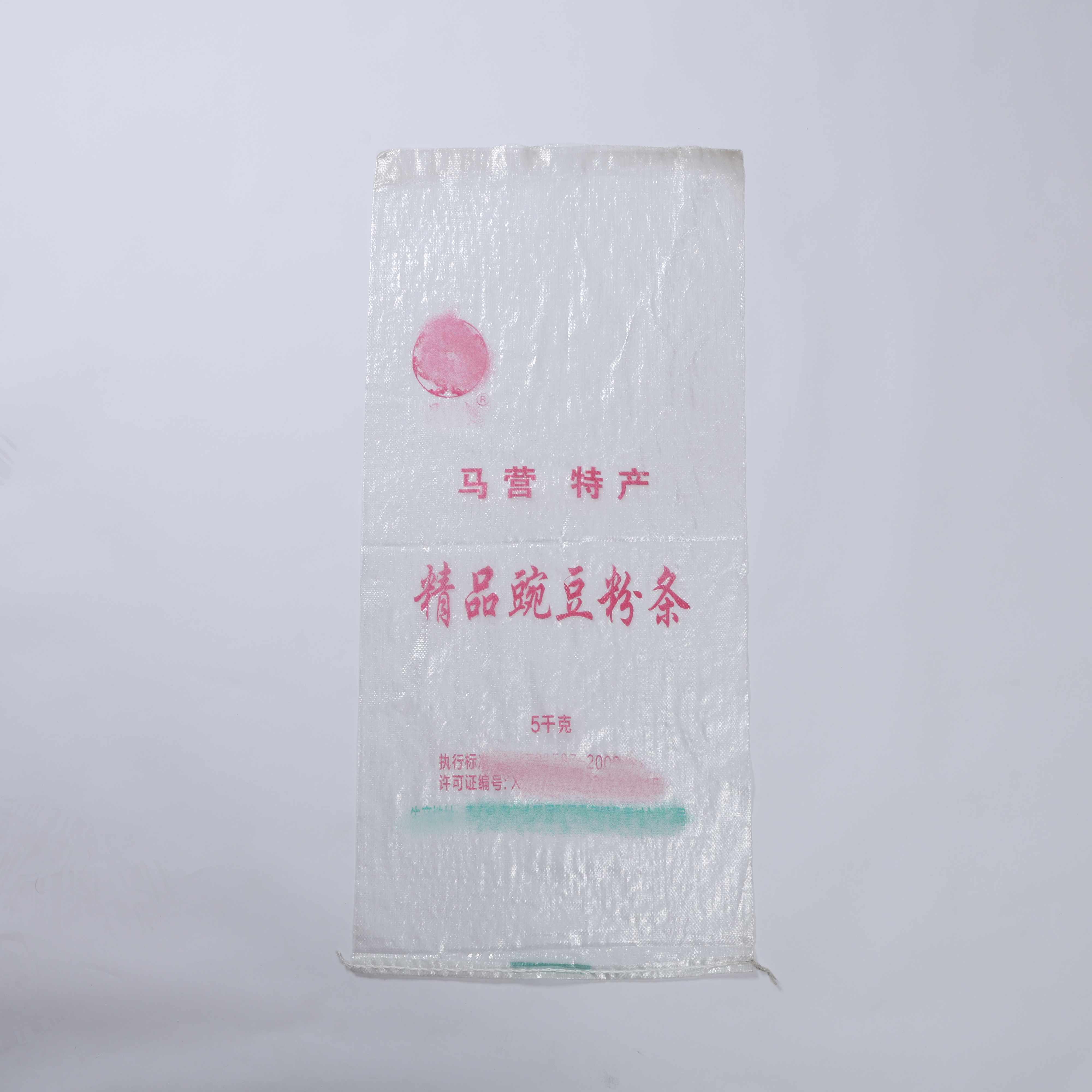
Contamination risk in food grade sugar bags represents a critical concern for food manufacturers, distributors, and retailers operating in regulated markets. The integrity of your sugar packaging directly impacts product safety, regulatory compliance, and consumer trust. Understanding how contamination occurs and implementing effective prevention strategies ensures that your sugar maintains its purity from production through distribution to the end user.
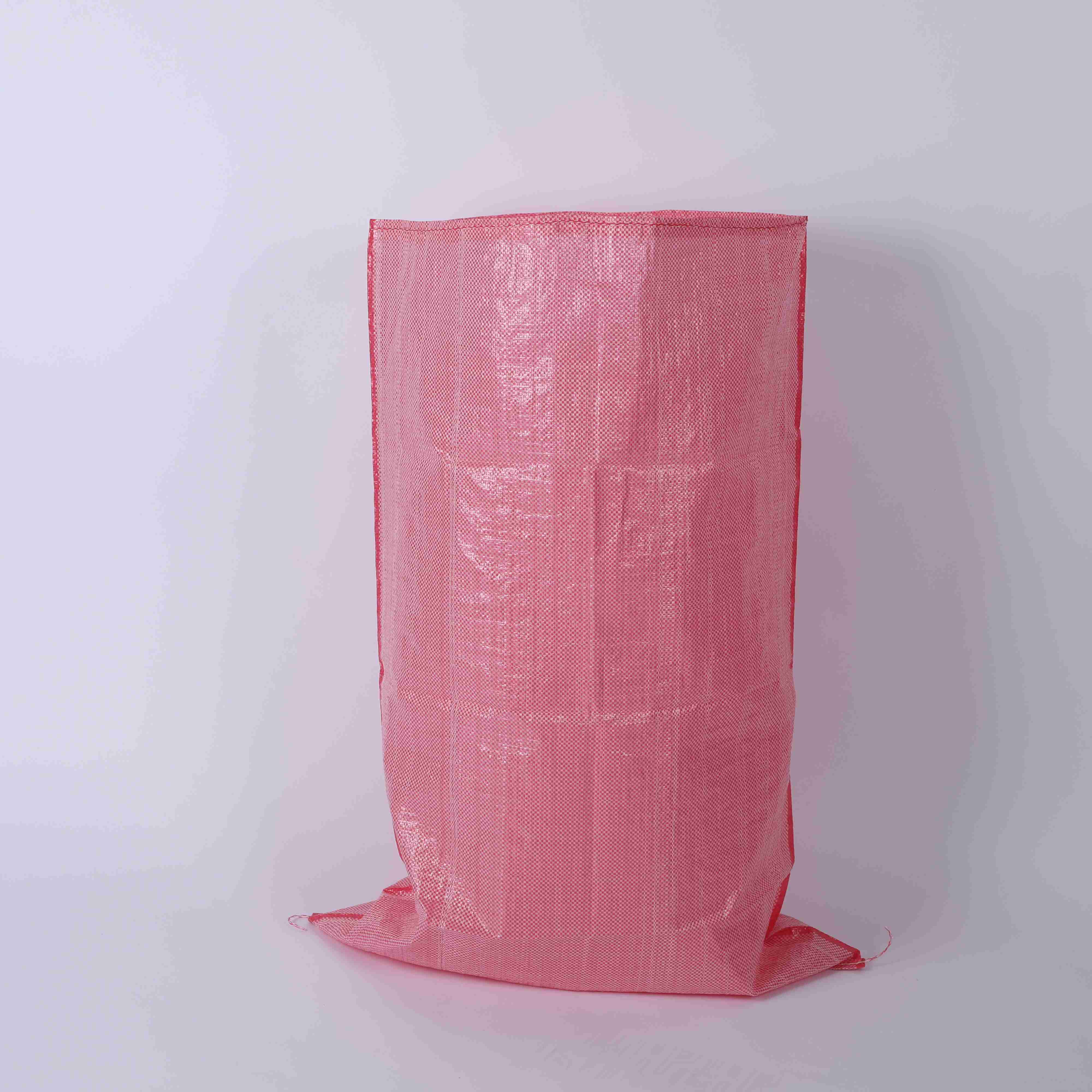
Selecting the right sugar woven bag and implementing robust contamination prevention protocols forms the foundation of food safety excellence. Food grade packaging bag standards exist specifically to protect bulk commodities like sugar from environmental threats, microbial infiltration, and physical contaminants. By adopting a comprehensive contamination management approach, you protect your brand reputation and ensure regulatory adherence throughout your supply chain.
Sugar bags encounter contamination risks from multiple environmental sources during storage and transportation. Dust, moisture, insects, and airborne particles can breach inadequate packaging, compromising product purity. A food grade packaging bag constructed from high-quality materials creates a physical barrier against these external threats. Moisture infiltration represents one of the most damaging contamination vectors, causing caking, microbial growth, and structural degradation of the sugar crystals.
PP sugar sack designs now incorporate moisture barriers and sealed seams that significantly reduce water vapor transmission. Proper storage conditions work in conjunction with robust pp sugar sack construction to maintain moisture levels within acceptable ranges. Temperature fluctuations and humidity cycles create condensation risk, making the barrier properties of your sugar packaging bag selection critically important for long-term preservation.
Microbial contamination in sugar woven bag environments occurs when pathogens breach packaging integrity or contaminate food contact surfaces during filling operations. Spores from environmental microorganisms can survive and proliferate in storage conditions if the sugar woven bag fails to provide complete protection. Cross-contamination from adjacent products, cleaning chemicals, or pest residues threatens product safety when packaging standards are not rigorously maintained.
Chemical contamination presents distinct risks when sugar packaging bag materials contain non-food-grade components or when storage environments expose bags to petroleum products, pesticides, or industrial contaminants. The migration of chemicals from packaging materials into sugar occurs through direct contact and vapor diffusion. Food grade standards specifically address material composition and chemical safety to eliminate this contamination pathway entirely.
High-performance sugar bags combine multiple protective features to address identified contamination risks comprehensively. The pp sugar sack material composition must meet food grade specifications, ensuring that no hazardous substances migrate into the product. Laminated structures in sugar packaging bag designs incorporate moisture barriers, oxygen barriers, and light protection simultaneously, creating multi-layered defense against diverse contamination sources.
Sealing technology in modern sugar woven bag construction prevents micro-organisms and contaminants from entering through package seams and closures. Heat-sealed seams demonstrate superior contamination resistance compared to mechanical fasteners, reducing pathways for pest entry and moisture ingress. Double-stitched construction and reinforced handle areas on food grade packaging bag products minimize package failure during handling and transportation when properly specified.
Establishing clear specifications for your sugar packaging bag supplier creates accountability for contamination risk reduction. Documentation requirements should include food contact material certifications, barrier property testing results, and microbial testing protocols specific to sugar woven bag production. Regular testing of finished sugar bags through moisture vapor transmission rate analysis, seal strength evaluation, and extraction studies verifies ongoing compliance with food safety standards.
Supplier audits and process controls ensure that each production batch of pp sugar sack meets your contamination prevention requirements consistently. Traceability systems linking specific sugar bags to production dates and material lots enable rapid response if contamination concerns emerge. Implementation of supplier scorecards that track defect rates, compliance documentation, and test result consistency drives continuous improvement in food grade packaging bag quality throughout your supply chain.
The storage facility environment dramatically influences contamination risk even when premium sugar packaging bag solutions are deployed. Controlled temperature and humidity ranges prevent condensation on sugar bags and minimize stress on package integrity. Storage areas must remain segregated from chemical storage zones, pest habitats, and potential contamination sources, ensuring that your sugar woven bag investments deliver full protective value.
Elevated storage on pallets and shelving keeps pp sugar sack products away from floor-level moisture and pest access points. Ventilation systems that maintain proper air circulation reduce condensation accumulation on food grade packaging bag surfaces. Regular facility inspections identify potential contamination vectors before they compromise product integrity, supporting your contamination prevention strategy across the entire storage operation.
Personnel training on proper sugar bags handling protocols ensures that staff recognize contamination risks and apply preventive measures consistently. Damaged sugar woven bags must be identified immediately and removed from inventory to prevent cross-contamination incidents. Clear labeling on food grade packaging bag products communicates storage requirements and handling precautions to all downstream users in your distribution network.
Transportation conditions significantly affect sugar packaging bag integrity and contamination risk during movement between facilities. Vehicles should be thoroughly cleaned before sugar bag loading to eliminate residues from previous shipments. Temperature and humidity monitoring during transport using data loggers provides objective evidence that product conditions remained within safe parameters throughout distribution, supporting compliance documentation and contamination risk verification.
Food grade packaging bags must comply with FDA regulations, EU Directive 10/2011, or equivalent regional standards depending on your target markets. Look for certifications confirming that sugar packaging bags and sugar woven bag materials contain no prohibited substances and have undergone migration testing. Third-party certifications from recognized testing laboratories provide independent verification that your pp sugar sack products meet all food safety requirements.
Establish a testing schedule that includes incoming raw material inspection, in-process testing during production, and finished product verification for all sugar packaging bag batches. Annual barrier property testing and periodic extraction studies verify that food grade packaging bag performance remains consistent. If process changes occur or new suppliers provide materials, accelerated testing of pp sugar sack products ensures that contamination risk reduction capabilities have not been compromised.
Damaged sugar bags should be evaluated for the extent and location of the defect before deciding on salvage versus discard. Minor external damage to sugar woven bag surfaces may be acceptable if the product interior remains sealed and uncontaminated. However, any compromise to bag integrity that allows moisture, insect, or microbial access to the sugar requires immediate discard to prevent contamination. Food grade packaging bag standards prioritize product safety over cost savings when compromise is suspected.

Discover the 4 critical production metrics—throughput, defect rate, equipment uptime & on-time delivery—to vet factories confidently.

Ensure regulatory compliance & worker safety with proven methods for chemical woven bags—material selection, labeling, storage & training.

Discover the full PP woven bag manufacturing workflow—from extrusion & weaving to printing & QC. Boost efficiency, compliance & ROI. Download the process guide now.

Struggling with weak bags or high material waste? Master extrusion and tape drawing tech for stronger, cheaper PP woven bags. Optimize your production line now.

Struggling with defects or customer returns? Discover the 5 non-negotiable quality checkpoints across your woven bag production line
Which automation tier is right for your PP woven bag factory? Compare manual to Industry 4.0 systems for cost, quality, and scalability.
Get in touch for details on polypropylene woven bags and flexible packaging solutions.
Tel
Address
No.2015, Liaoyuan Building, Lanshan District, Linyi City, Shandong Province.China

