 EN
How to Assess Production Efficiency at a PP Woven Bag Factory
Discover the 4 critical production metrics—throughput, defect rate, equipment uptime & on-time delivery—to vet factories confidently.

2026/08/05
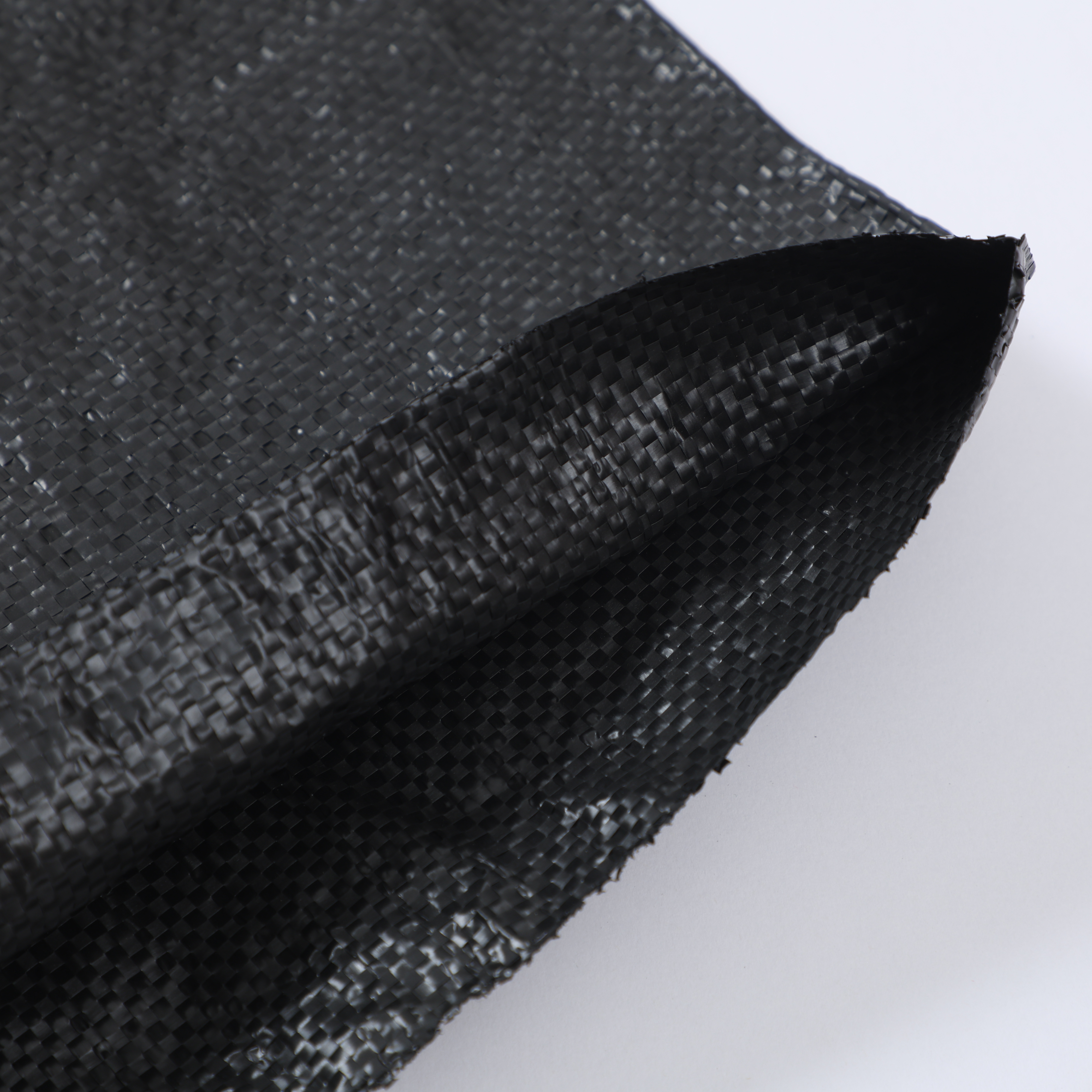
Sourcing a used bag for industrial and agricultural applications requires careful attention to contamination risk management. Many manufacturers and logistics companies turn to secondhand pp bags and reused packaging bags to optimize costs, but without proper vetting procedures, contamination can compromise product integrity, regulatory compliance, and customer satisfaction. Understanding how to evaluate used pp sack quality and establish rigorous sourcing protocols is essential for maintaining operational standards while capturing the cost benefits of recycled woven bag solutions.
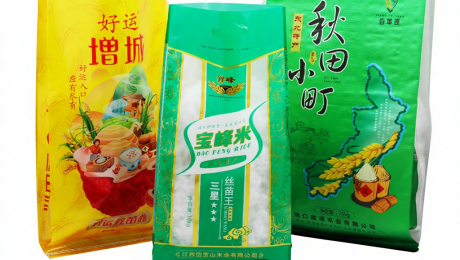
A recycled woven bag that has been properly cleaned, inspected, and certified poses minimal risk and delivers substantial savings. However, sourcing secondhand pp bags without structured quality control can introduce chemical residues, physical damage, odors, and contamination that render entire shipments unusable. This article explores practical strategies for vetting suppliers, implementing testing protocols, and managing contamination risk throughout the used pp sack sourcing lifecycle.
Contamination in reused packaging bags falls into three primary categories: chemical residue, biological material, and physical debris. When a used bag previously contained pesticides, fertilizers, chemicals, oils, or food products, residue can transfer to new contents even after basic cleaning. A secondhand pp bag may have absorbed odors or trace chemicals into the polymer itself, which washing alone cannot remove. Biological contamination including mold, bacterial growth, or pest residue becomes particularly concerning in food-grade applications where regulatory standards are strict.
Several operational factors elevate contamination risk when sourcing used pp sack inventory. Bags stored in outdoor environments, exposed to weather, or kept in uncontrolled temperature conditions develop mold and deteriorate faster. Unknown storage history, lack of documentation about previous contents, and unclear cleaning procedures significantly increase uncertainty. A recycled woven bag sourced from an unvetted supplier without traceability records poses substantially higher risk than one from a certified recycling facility with documented protocols. Supply chain opacity and rushed procurement decisions often correlate with higher contamination incidents.
Effective contamination risk reduction begins with rigorous supplier evaluation before purchasing any used bag inventory. Request detailed information about sourcing origins, previous contents, storage conditions, and cleaning methods employed. A credible secondhand pp bag supplier should provide batch documentation, lot traceability, and transparency about the chain of custody from collection through processing. Conduct facility audits or third-party inspections to verify storage conditions, cleaning equipment capabilities, and quality control documentation. Suppliers of reused packaging bags should maintain certifications such as ISO compliance or food safety approvals relevant to your application.
Develop clear acceptance criteria for every used pp sack shipment before materials arrive at your facility. Specify visual inspection standards, including requirements for no discoloration, punctures, or visible debris. Require sensory testing for odor; a strong chemical smell or musty odor indicates inadequate cleaning or improper storage. Implement material testing protocols such as residue analysis via swab testing or gas chromatography for high-risk applications. A recycled woven bag intended for food or pharmaceutical use should undergo pathogen testing and allergen screening. Establish reject thresholds and define procedures for returning non-compliant materials, and require suppliers to demonstrate proof of proper disposal or reprocessing.
Every used bag shipment must undergo inspection upon receipt to identify contamination before material enters production. Conduct random sample testing from each lot, examining at minimum ten percent of bags or a statistically significant sample size. Document physical condition, seam integrity, and any visible signs of contamination or previous content residue. For secondhand pp bag lots, perform odor and tactile assessment; gently rub the interior surface to detect residues or unusual textures. A reused packaging bag showing contamination should be photographed, logged, and segregated immediately to prevent cross-contamination with clean inventory. Maintain inspection records linking each batch to specific lot numbers and supplier dates for traceability.
Establish a centralized tracking system that links each used pp sack lot to supplier name, purchase date, storage location, inspection results, and end-use application. This traceability enables rapid investigation if contamination issues emerge downstream and supports regulatory compliance audits. A recycled woven bag that passes all quality gates should be clearly labeled with batch identification, inspection approval date, and approved-for-use status. Maintain records for a minimum retention period aligned with customer and regulatory requirements. When issues occur, traceability documentation enables swift identification of affected material, root cause analysis, and corrective action with the supplier.
Once a secondhand pp bag or recycled woven bag passes inspection, proper storage prevents recontamination and degradation. Store approved used bag inventory in climate-controlled areas protected from moisture, direct sunlight, and temperature extremes. Implement separation between different product batches and lot numbers to prevent cross-contamination if one batch later proves defective. Stack bags on clean pallets using protective covers, avoiding contact with warehouse floors, walls, or machinery. Regularly inspect stored reused packaging bags for signs of pest activity, mold growth, or moisture absorption, and remove any compromised units immediately. Rotate inventory using first-in-first-out methodology to minimize storage duration.
Personnel handling used pp sack materials must understand contamination sensitivity and proper handling procedures. Provide training on identification of defective bags, inspection checkpoints, and escalation protocols when concerns arise. Ensure production teams understand which product lines or customer applications allow reused packaging bag sourcing and which require virgin materials only. Communicate lot-specific information including source supplier, testing results, and approved applications to prevent inadvertent misuse. When using a used bag in a critical application, flag the batch for heightened awareness and post-delivery monitoring.
Visual inspection, odor assessment, and tactile evaluation provide initial screening. For high-risk applications, advanced testing includes swab residue analysis via gas chromatography, allergen screening using ELISA testing, and microbial contamination analysis via ATP swabbing or culture-based pathogen testing. Your testing strategy should align with the sensitivity of your end products and regulatory requirements. Collaborate with testing laboratories experienced in recycled woven bag and used bag evaluation to select appropriate methods.
Establish written supplier agreements that define quality expectations, testing requirements, documentation obligations, and rejection procedures. Conduct periodic audit visits to verify facility conditions, cleaning procedures, and inventory management practices. Require suppliers to maintain performance metrics tracking defect rates and contamination incident frequency across your purchases of secondhand pp bag batches. Implement feedback loops where you report any contamination issues discovered post-delivery, and require corrective action plans from suppliers. Regular audits and clear performance metrics reinforce quality commitment better than one-time vetting alone.
Yes, but only when sourced from certified suppliers with rigorous traceability, testing, and documentation systems. A used bag intended for food or pharmaceutical use requires proof of previous contents being food-safe or clean materials, comprehensive pathogen and allergen testing, and adherence to FDA or relevant regulatory standards. Not all secondhand pp bag sources meet these requirements; many recycled woven bag suppliers focus on non-food industrial applications. Confirm regulatory compliance and request third-party certification before using any reused packaging bag in food or pharmaceutical supply chains.

Discover the 4 critical production metrics—throughput, defect rate, equipment uptime & on-time delivery—to vet factories confidently.

Ensure regulatory compliance & worker safety with proven methods for chemical woven bags—material selection, labeling, storage & training.

Discover the full PP woven bag manufacturing workflow—from extrusion & weaving to printing & QC. Boost efficiency, compliance & ROI. Download the process guide now.

Struggling with weak bags or high material waste? Master extrusion and tape drawing tech for stronger, cheaper PP woven bags. Optimize your production line now.

Struggling with defects or customer returns? Discover the 5 non-negotiable quality checkpoints across your woven bag production line
Which automation tier is right for your PP woven bag factory? Compare manual to Industry 4.0 systems for cost, quality, and scalability.
Get in touch for details on polypropylene woven bags and flexible packaging solutions.
Tel
Address
No.2015, Liaoyuan Building, Lanshan District, Linyi City, Shandong Province.China

