 EN
How to Assess Production Efficiency at a PP Woven Bag Factory
Discover the 4 critical production metrics—throughput, defect rate, equipment uptime & on-time delivery—to vet factories confidently.

2026/08/07
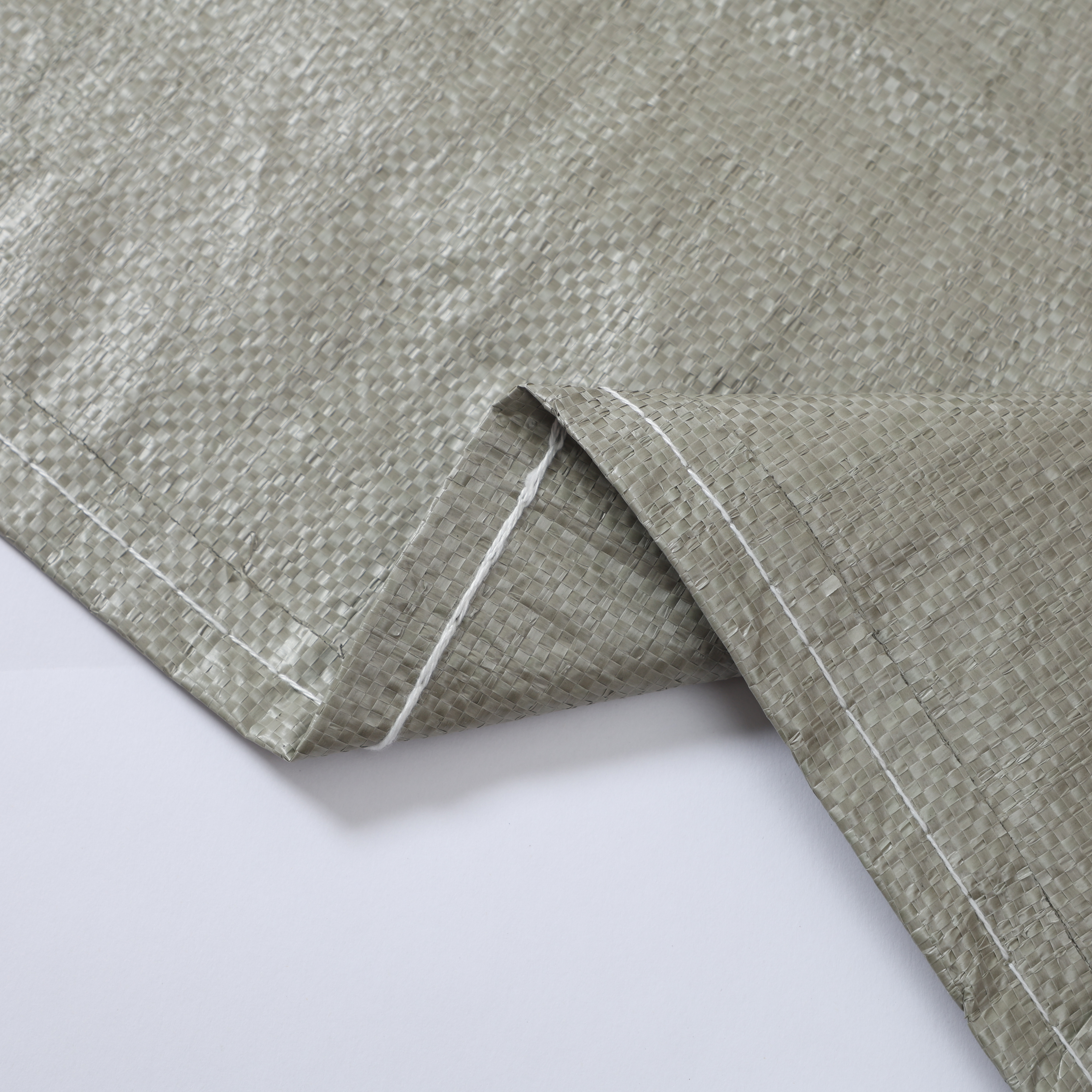
Dust leakage from pp woven bag containers represents a significant operational challenge across agriculture, chemicals, food processing, and construction industries. When polypropylene woven bags are transported over long distances or on rough terrain, fine particles escape through microscopic gaps in the weave structure, causing product loss, environmental contamination, and compliance violations. Understanding the root causes and implementing effective containment strategies is essential for protecting inventory value and meeting regulatory requirements during logistics operations.
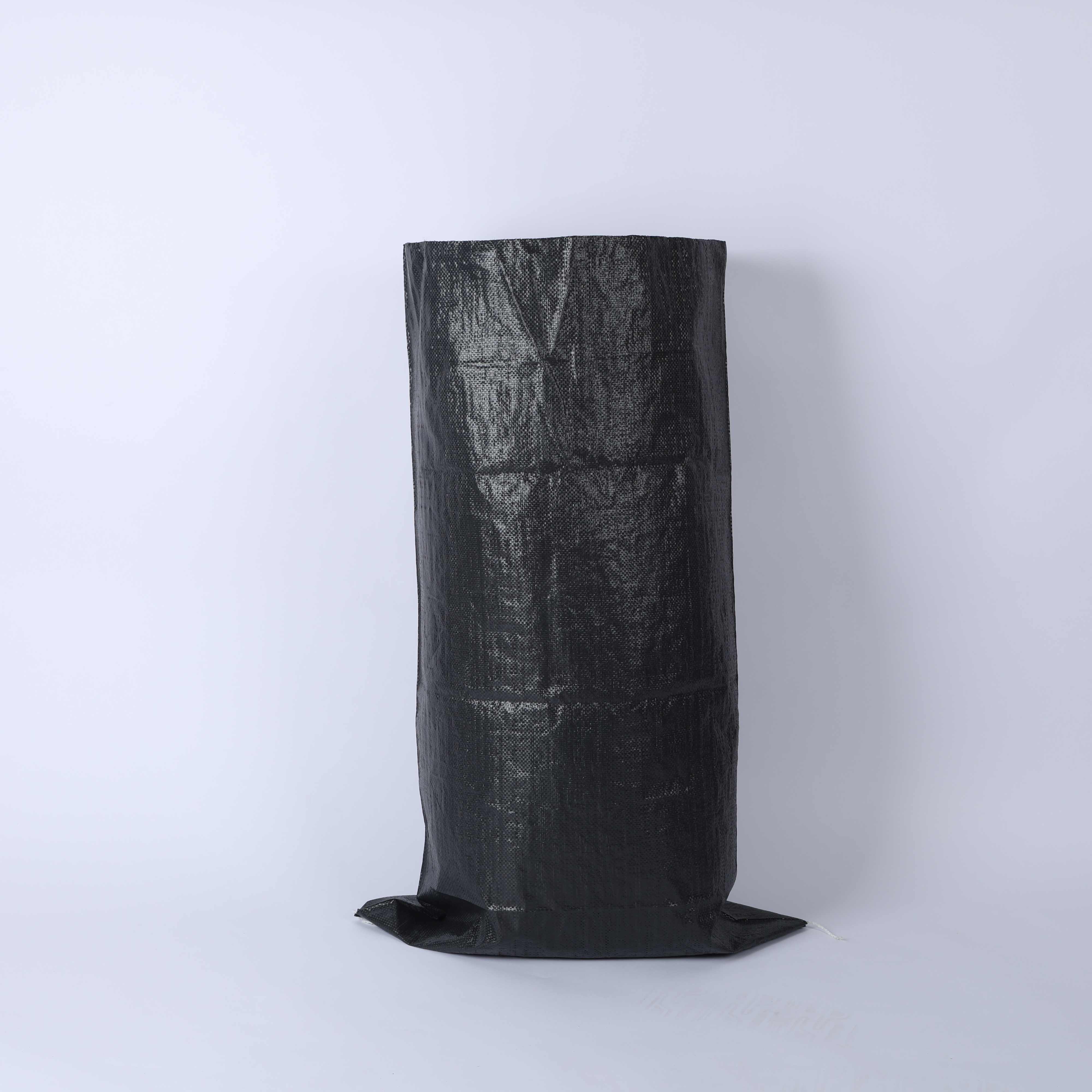
The challenge intensifies when shipping lightweight powders, cement, flour, or chemicals in standard woven polypropylene packaging without protective measures. Vibrations from transport, pressure from stacked loads, and environmental exposure all contribute to particle escape. This article explores practical, cost-effective methods to minimize dust leakage, including material selection, liner installation, and packaging design modifications that preserve product quality while maintaining compliance with industry standards and customer expectations.
Dust leakage from pp woven sack configurations results from the inherent porosity of the weave structure combined with mechanical stress during handling. Standard polypropylene woven bags feature a regular grid pattern with controlled spacing between strands, designed for strength and breathability. However, when bags experience vibration, compression, or friction during trucking, rail, or sea transport, fine particles gradually migrate through these interstices. The problem accelerates in high-humidity environments where moisture can cause particle caking and increased pressure buildup, forcing material through microscopic pathways in the fabric.
Temperature fluctuations, moisture absorption, and rough handling during loading and unloading compound dust leakage in woven polypropylene packaging systems. When ambient conditions change during transit, bags expand and contract, creating micro-movements that dislodge particles from the interior surface. Heavy stacking without proper pallet supports concentrates pressure on lower bag layers, deforming the weave and enlarging escape routes. Salt spray exposure during maritime transport accelerates fabric degradation, while vibration from rough road surfaces intensifies particle vibration and migration patterns, multiplying dust escape rates compared to static storage conditions.
Upgrading from standard-density to high-density pp bulk bag specifications significantly reduces particle escape without compromising structural integrity. High-density polypropylene woven bags feature tighter weave counts, typically 20 to 30 percent higher strand density than conventional bags, reducing pore size and creating natural barriers against fine particle migration. This material enhancement is particularly effective for cement, silica flour, and other ultrafine powders where leakage tolerances are critical. Although high-density configurations increase material costs by 10 to 15 percent, the reduction in product loss and environmental cleanup expenses typically justifies the investment for high-value or regulated shipments.
Installing polyethylene or polypropylene liners inside standard pp woven sack bags creates a secondary containment barrier that captures escaping particles before they reach the external environment. Liner materials range from thin single-ply films to multi-layer laminates with electrostatic properties that enhance dust adhesion and retention. The liner approach provides flexibility because it allows companies to retain existing inventory while upgrading dust control performance for specific shipments. Liners can be sized to match individual bag dimensions or supplied as loose-fitted inserts, with options for permanent adhesive bonding or removable configurations that enable easy unloading at destination without material waste.
Top-seal design directly influences dust leakage from pp woven bag systems because the closure point is the primary weak link in containment. Standard sewn seals allow lateral particle movement along thread pathways, while reinforced heat-sealed or adhesive-backed closures create integral bonds that prevent particle migration. For maximum containment, double-seal configurations with polyethylene overlap strips provide redundancy if the primary seal experiences degradation. Some woven polypropylene packaging solutions incorporate magnetic or adhesive flap systems that maintain closure pressure throughout transit, preventing seal edge separation that occurs during rough handling or thermal cycling.
Secondary wrapping applied around stacked pp bulk bag units dramatically reduces dust exposure to external environments. Stretch film or shrink-wrap applied to pallet loads creates an external containment layer that captures escaped particles before they reach vehicle interiors or port facilities. This approach also protects bags from weather exposure, moisture absorption, and physical damage that would increase leakage rates. Strategic pallet design with edge protectors and intermediate tier sheets redistributes compression forces more evenly across bag stacks, reducing localized pressure points that compromise bag integrity. Ventilated shrink-film options allow controlled air circulation to prevent moisture accumulation while maintaining dust containment, proving especially valuable for long-distance ocean freight where humidity control is critical.
Implementing systematic inspection routines before shipment reduces dust leakage by identifying and addressing defects in polypropylene woven bag sealing and construction. Visual inspections should examine seal integrity, fabric surface quality, and closure uniformity across every bag selected for transport. Dust-permeability testing using accelerated vibration chambers simulates transport conditions and quantifies actual leakage rates under controlled parameters. This testing data enables informed decisions about liner requirements or material upgrades for specific product-shipment combinations. Documentation of test results creates compliance records and provides evidence of due diligence for regulated shipments where dust containment standards are legally mandated.
Careful handling during loading operations prevents bag damage that would compromise dust containment long before transport even begins. Staff training should emphasize gentle placement using mechanical lifts rather than dropping bags, which can create internal voids and stress points in pp woven sack structures. Moisture management during warehouse storage prevents particle caking and pressure increases that worsen leakage. Climate-controlled storage areas maintain humidity levels within manufacturer specifications, preserving weave structural integrity. When loading vehicles, sequencing practices that minimize bag movement, combined with secure tie-down systems, reduce vibration-induced particle migration throughout transport journeys.
Dust escapes through microscopic gaps in the weave structure of pp woven bag materials, especially when exposed to vibration, compression, and moisture during transport. Standard weave patterns allow fine particles to migrate through the fabric under mechanical stress. Environmental factors like humidity changes and temperature fluctuations expand and contract the material, creating pathways for particle escape that intensify during long-distance shipments.
High-density pp woven sack options reduce particle loss by 40 to 60 percent compared to standard bags, making them cost-effective for valuable products or regulated shipments where dust containment is critical. Although material costs increase 10 to 15 percent, savings from reduced product loss, environmental cleanup, and compliance penalties typically offset the premium. For lightweight powders or long-distance transport routes, the investment in woven polypropylene packaging upgrades delivers measurable ROI within one to three shipments.
Removable liners installed inside pp bulk bag containers can be extracted at destination without damaging the external bag, allowing the bag to be reused while the liner is disposed of or recycled separately. This approach is particularly valuable for returnable bag programs where multiple shipments use the same pp woven bag inventory. Adhesive-free, loose-fitted liners are designed specifically for reusable applications, though some operations choose permanent liner bonding when bags serve single-use purposes, as this approach simplifies handling and maximizes dust containment certainty.

Discover the 4 critical production metrics—throughput, defect rate, equipment uptime & on-time delivery—to vet factories confidently.

Ensure regulatory compliance & worker safety with proven methods for chemical woven bags—material selection, labeling, storage & training.

Discover the full PP woven bag manufacturing workflow—from extrusion & weaving to printing & QC. Boost efficiency, compliance & ROI. Download the process guide now.

Struggling with weak bags or high material waste? Master extrusion and tape drawing tech for stronger, cheaper PP woven bags. Optimize your production line now.

Struggling with defects or customer returns? Discover the 5 non-negotiable quality checkpoints across your woven bag production line
Which automation tier is right for your PP woven bag factory? Compare manual to Industry 4.0 systems for cost, quality, and scalability.
Get in touch for details on polypropylene woven bags and flexible packaging solutions.
Tel
Address
No.2015, Liaoyuan Building, Lanshan District, Linyi City, Shandong Province.China

