 EN
How to Assess Production Efficiency at a PP Woven Bag Factory
Discover the 4 critical production metrics—throughput, defect rate, equipment uptime & on-time delivery—to vet factories confidently.

2026/08/27
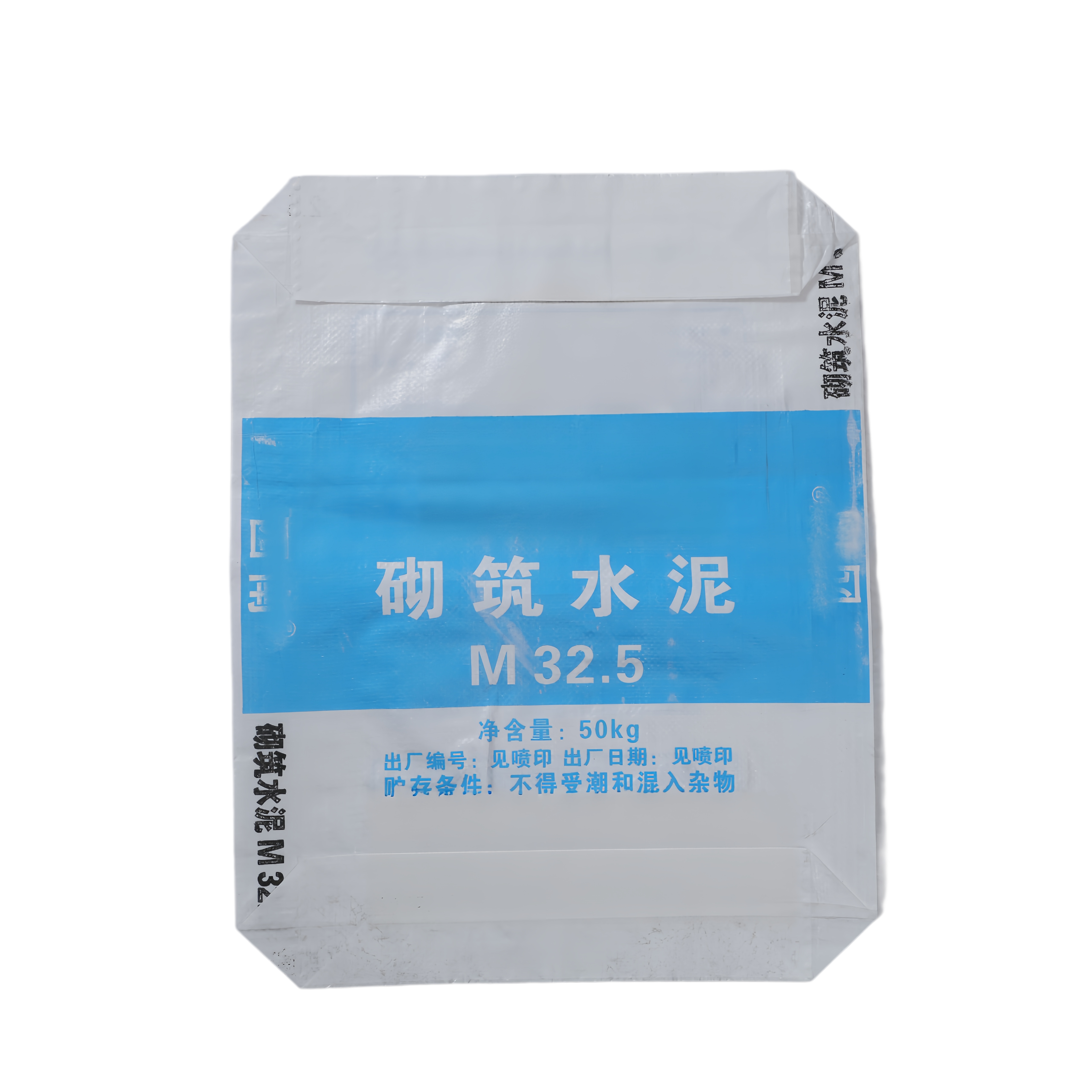
Lead time reduction is a critical priority for businesses ordering custom woven bags. In today's competitive market, faster delivery directly impacts cash flow, customer satisfaction, and supply chain efficiency. Understanding how to compress project timelines without sacrificing quality is essential for procurement teams managing custom packaging solutions.
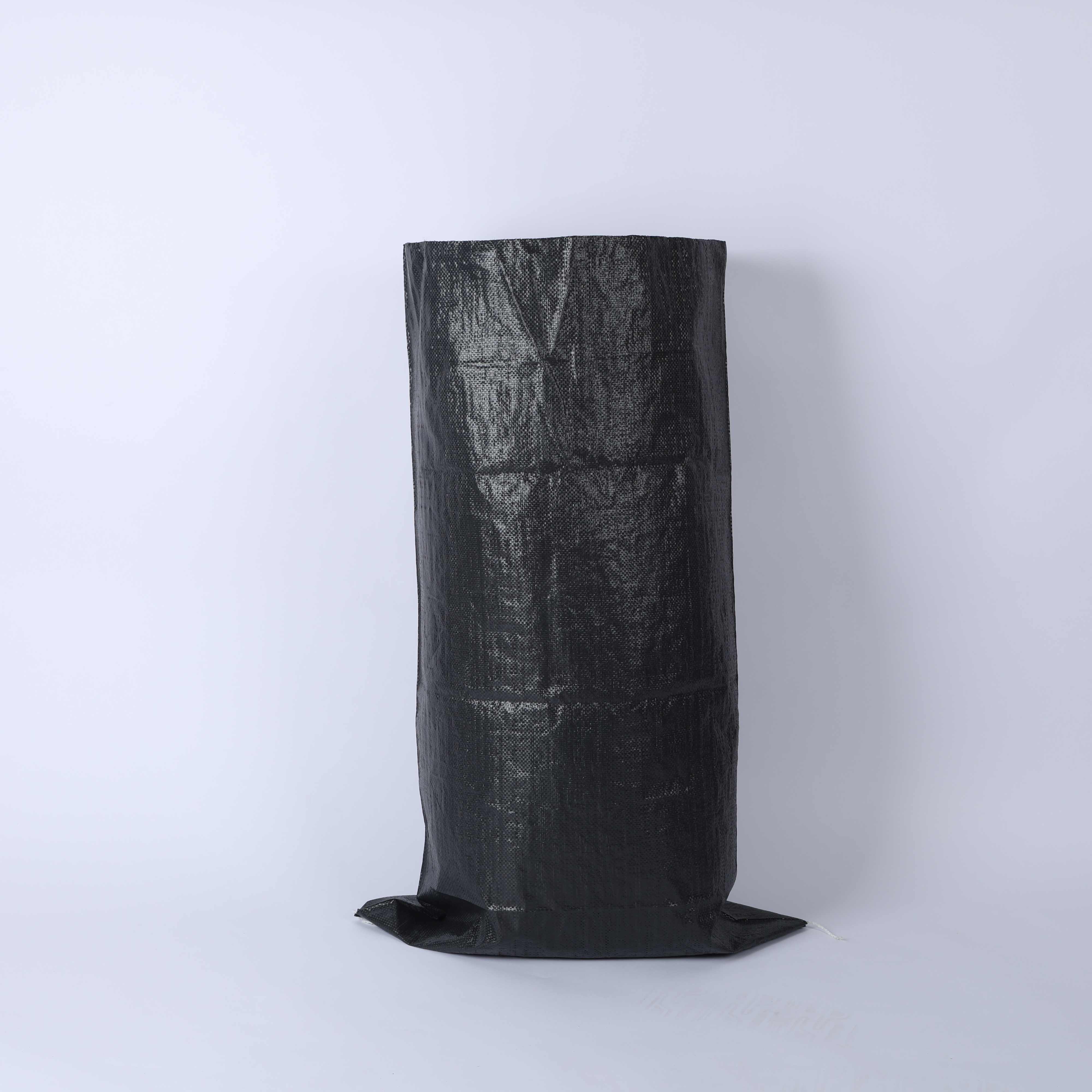
Reducing lead time for custom printed woven bag production requires a strategic approach across supplier selection, design optimization, and production planning. By applying structured methods and clear communication frameworks, businesses can accelerate project cycles while maintaining consistent quality and compliance standards.
The design phase represents one of the largest time bottlenecks in custom packaging solution development. Delays in finalizing artwork, print specifications, material choices, and bag dimensions directly extend the overall project timeline. Establishing clear design parameters before engaging suppliers ensures that personalized pp bag production can begin without iterative revision cycles.
Begin by creating a detailed specification document that includes exact dimensions, material grade, print colors, ink type, and labeling requirements. Involve all stakeholders—marketing, operations, compliance, and procurement—in the initial review phase. This collaborative step prevents design rework and ensures the tailored woven sack meets all regulatory, branding, and functional requirements from the outset.
Selecting from pre-approved material options and leveraging standardized design templates significantly reduces decision-making time. Many suppliers maintain inventory of common pp bag grades, weave densities, and print configurations that can be deployed immediately. Pre-existing artwork templates and color libraries eliminate the need for custom artwork development when feasible.
Work with your supplier to establish a catalog of approved materials and finishes suitable for your market and product type. For custom printed woven bag projects with recurring needs, ask suppliers to reserve production capacity for standard configurations. This partnership approach transforms lead time reduction from a reactive process into a proactive service model.
Not all suppliers offer the same production speed or capacity management capabilities. When evaluating custom packaging solution providers, explicitly ask about lead time options, production scheduling flexibility, and typical project timelines for different order volumes. Suppliers equipped with modern production lines and modular manufacturing systems can often compress cycle times significantly compared to traditional batch-focused operations.
Request detailed production roadmaps and ask how the supplier handles rush orders or expedited requests. Understanding their bottleneck stages—whether in pre-production setup, printing, weaving, or finishing—helps identify where time compression is genuinely possible versus where attempting to rush creates quality risks. A reliable supplier should articulate realistic timelines and communicate proactively about any constraints.
Building a long-term partnership with a dedicated supplier often unlocks preferential scheduling terms. Suppliers who understand your business volume, seasonal patterns, and strategic importance are more willing to reserve production slots or adjust schedules to accommodate urgent custom woven bags orders. Formalize these agreements in writing to ensure consistent access to accelerated timelines.
Communicate your volume commitments clearly and provide advance notice of upcoming orders whenever possible. This visibility allows suppliers to plan capacity allocation more effectively and reduces the risk of lengthy queues during peak demand periods. For critical business needs, negotiate express options with defined lead times and associated service fees.
Traditional sequential workflows—where each production stage must complete before the next begins—inherently extend project duration. Modern tailored woven sack manufacturing supports parallel processing where certain stages overlap. For example, label design and ink sourcing can proceed simultaneously while base weaving occurs, rather than waiting for each step to finish before starting the next.
Discuss parallel production capabilities with your supplier during the planning phase. Ask specifically whether print plates can be prepared while fabric is being woven, or if finishing processes can begin as soon as printing is complete. This concurrent approach can reduce total lead time by 15 to 30 percent depending on the specific custom printed woven bag configuration and supplier capabilities.
Transportation and logistics represent the final phase of the lead time calculation. Once production completes, shipping speed directly determines when inventory arrives at your facility. For time-sensitive projects, express air freight or dedicated logistics partnerships may justify the incremental cost compared to standard ocean or ground transportation.
Calculate the total cost impact of expedited shipping against inventory holding costs and business risk from stock outs. In many cases, faster delivery reduces working capital tied up in transit inventory and ensures customers receive their personalized pp bag orders on schedule. Establish preferred carrier relationships to secure competitive rates on expedited options.
Most businesses can reduce custom packaging solution timelines by 15 to 30 percent through improved design processes, supplier optimization, and parallel production methods. The actual reduction depends on the current baseline timeline, supplier capabilities, and the complexity of the custom printed woven bag design. Rush projects with premium fees may achieve 40 to 50 percent acceleration, but this typically requires advance planning and supplier partnerships.
Yes, lead time reduction and quality maintenance are compatible objectives. The strategies discussed—early design finalization, supplier partnership, and parallel processing—actually improve quality by reducing revision cycles and rushed work. Working with reliable suppliers who have optimized their personalized pp bag production processes ensures consistent output even on accelerated timelines.
Provide clear written specifications, realistic deadlines, and transparent communication about your business constraints. Explain why the timeline matters and whether this is a one-time urgent need or an ongoing requirement. Suppliers appreciate certainty and can often accommodate urgent requests if you demonstrate commitment to their business and provide adequate lead time for capacity planning whenever possible.

Discover the 4 critical production metrics—throughput, defect rate, equipment uptime & on-time delivery—to vet factories confidently.

Ensure regulatory compliance & worker safety with proven methods for chemical woven bags—material selection, labeling, storage & training.

Discover the full PP woven bag manufacturing workflow—from extrusion & weaving to printing & QC. Boost efficiency, compliance & ROI. Download the process guide now.

Struggling with weak bags or high material waste? Master extrusion and tape drawing tech for stronger, cheaper PP woven bags. Optimize your production line now.

Struggling with defects or customer returns? Discover the 5 non-negotiable quality checkpoints across your woven bag production line
Which automation tier is right for your PP woven bag factory? Compare manual to Industry 4.0 systems for cost, quality, and scalability.
Get in touch for details on polypropylene woven bags and flexible packaging solutions.
Tel
Address
No.2015, Liaoyuan Building, Lanshan District, Linyi City, Shandong Province.China

