 EN
How to Assess Production Efficiency at a PP Woven Bag Factory
Discover the 4 critical production metrics—throughput, defect rate, equipment uptime & on-time delivery—to vet factories confidently.

2026/08/12
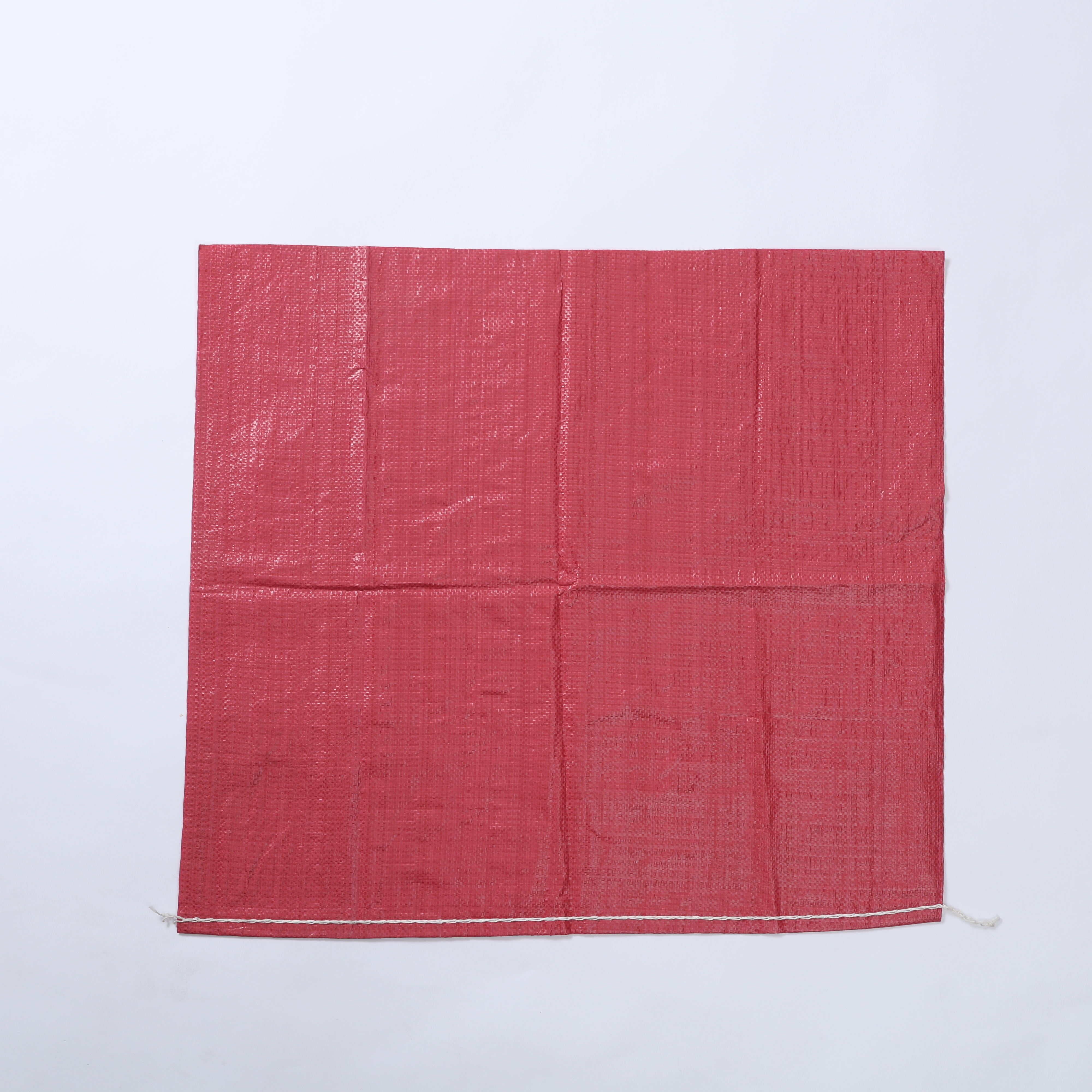
Material waste represents one of the most significant cost drivers in custom packaging bag production. Whether you manufacture pp packaging bags, woven packaging sacks, or industrial packaging solutions, reducing waste directly improves profitability and operational efficiency. The challenge lies in balancing production speed, quality standards, and material conservation without compromising the final product.
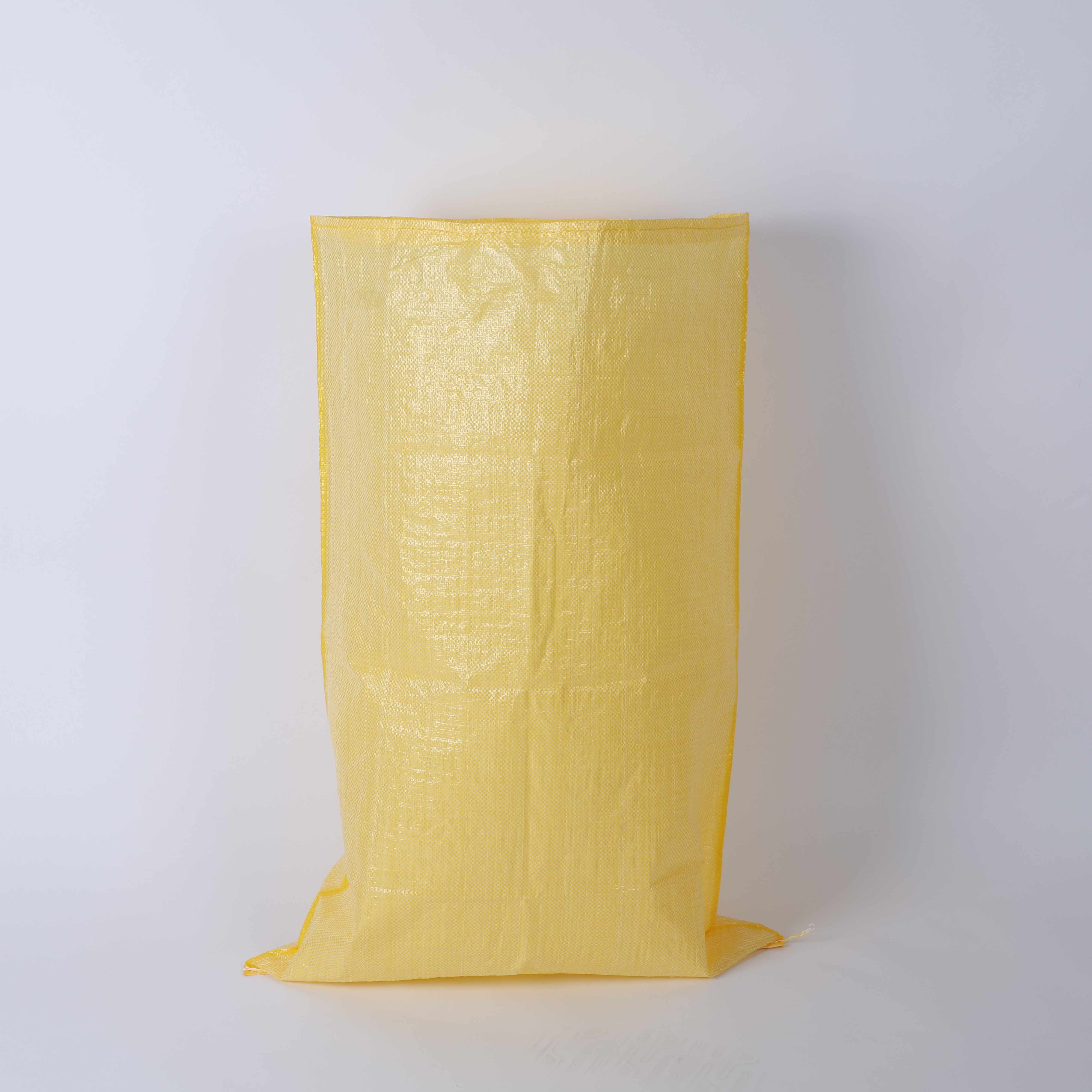
Understanding where waste occurs in bulk packaging bag manufacturing enables manufacturers to implement targeted reduction strategies. Waste typically emerges during design optimization, material conversion, cutting processes, and quality control stages. By addressing these areas systematically, companies can achieve substantial reductions in scrap material while maintaining consistent product quality and meeting customer specifications.
The initial design phase determines material utilization across the entire production run. When designing an industrial packaging bag, engineers should prioritize optimal nesting patterns that minimize edge waste. Advanced design software enables manufacturers to test multiple layout configurations before production begins, identifying arrangements that reduce scrap by 5% to 15% compared to standard approaches. This stage directly impacts the economics of every bulk packaging bag produced.
Nesting efficiency improves significantly when designers account for material width constraints and natural grain patterns in woven packaging sacks. By rotating and arranging pattern pieces strategically, manufacturers extract more usable material from each roll or sheet. This proactive approach proves especially valuable in high-volume runs where small efficiency gains compound into substantial material savings.
Precise specifications prevent costly rework and material rejection. When manufacturing pp packaging bags, tight tolerance control ensures that dimensions, seam placement, and finish quality remain consistent. Loose tolerances often trigger quality rejections that consume material without generating sellable output. Establishing clear specification frameworks with customers upfront reduces disputes and unnecessary production cycles.
Regular tolerance audits catch drift before large batches accumulate defects. By comparing finished packaging bags against original specifications, quality teams identify machinery adjustments needed to maintain efficiency. This preventive approach transforms waste reduction from a reactive cost-cutting measure into a fundamental operational discipline.
Advanced cutting equipment reduces edge trim and improves yield during the conversion of bulk packaging bag materials. Laser-guided systems and programmable cutters maintain precision that manual methods cannot achieve, particularly for complex industrial packaging bag designs. Automated cutting also reduces variability, meaning fewer bags fall outside specification and require reworking or disposal.
Scrap collection systems should separate reusable trim from unusable waste. Material from woven packaging sack production can often be recycled into lower-grade products or reclaimed through material recovery partners. Establishing these secondary markets ensures that trim contributes revenue rather than disposal costs.
Equipment drift causes material loss even when operators follow standard procedures correctly. Regular calibration of cutting, sealing, and measuring equipment prevents creep that gradually increases scrap rates. A well-maintained machine produces consistent pp packaging bags with minimal defects, whereas a machine running out of calibration generates waste silently until quality checks identify the problem.
Preventive maintenance schedules should include monthly calibration checks and quarterly professional inspections. This structured approach costs far less than emergency repairs combined with material waste from defective output. Training operators to recognize early warning signs of drift further extends equipment life and maintains consistent waste rates.
Early defect identification prevents materials from progressing through multiple production stages before rejection. Inline inspection systems catch flaws in woven packaging sacks and industrial packaging bags immediately after manufacturing, while rework remains economical. First-pass yield directly correlates with material waste, meaning that improvements in initial quality reduce overall scrap generation.
Implementing statistical process control tracks defect rates by machine, shift, and material batch. This data reveals patterns that guide targeted improvement efforts. When defect rates spike after specific maintenance events or material changes, tracing the correlation enables rapid corrective action before substantial waste accumulates.
Not all defective packaging bags warrant disposal. Some can be economically reworked through resealing, trimming, or patch repairs. Establishing clear decision criteria for rework versus scrap prevents both unnecessary waste and economically irrational recovery attempts. Bulk packaging bag manufacturers should analyze labor costs and material recovery value to determine the breakeven point for each defect type.
Systematic scrap sorting enables material recovery programs that transform waste streams into revenue. PP packaging bag offcuts can be compacted and sold to reprocessors, while severely damaged material may be donated for incineration energy recovery. Creating dedicated scrap handling areas with proper storage prevents cross-contamination and preserves material value for secondary markets.
Typical waste rates range from 8% to 18% depending on design complexity, manufacturing efficiency, and quality standards. Industrial packaging bag production tends toward the higher end due to intricate construction requirements. Companies implementing systematic waste reduction programs often achieve rates below 8%, while poorly optimized operations may exceed 20%.
PP packaging bags typically generate less waste during cutting due to their uniform film nature and simpler layup patterns. Woven packaging sacks involve more complex weaving processes and multiple material layers, creating additional waste opportunities during conversion and edge finishing. However, both material types benefit equally from optimized nesting patterns and machinery calibration.
Yes, substantial improvements emerge from design optimization, process discipline, and maintenance rigor before equipment replacement becomes necessary. Improved nesting patterns, calibration practices, and defect detection can reduce waste by 10% to 15% using existing machinery. Equipment upgrades accelerate improvement beyond these baseline gains, but operational excellence with current assets provides significant value.

Discover the 4 critical production metrics—throughput, defect rate, equipment uptime & on-time delivery—to vet factories confidently.

Ensure regulatory compliance & worker safety with proven methods for chemical woven bags—material selection, labeling, storage & training.

Discover the full PP woven bag manufacturing workflow—from extrusion & weaving to printing & QC. Boost efficiency, compliance & ROI. Download the process guide now.

Struggling with weak bags or high material waste? Master extrusion and tape drawing tech for stronger, cheaper PP woven bags. Optimize your production line now.

Struggling with defects or customer returns? Discover the 5 non-negotiable quality checkpoints across your woven bag production line
Which automation tier is right for your PP woven bag factory? Compare manual to Industry 4.0 systems for cost, quality, and scalability.
Get in touch for details on polypropylene woven bags and flexible packaging solutions.
Tel
Address
No.2015, Liaoyuan Building, Lanshan District, Linyi City, Shandong Province.China

