 EN
How to Assess Production Efficiency at a PP Woven Bag Factory
Discover the 4 critical production metrics—throughput, defect rate, equipment uptime & on-time delivery—to vet factories confidently.

2026/09/03
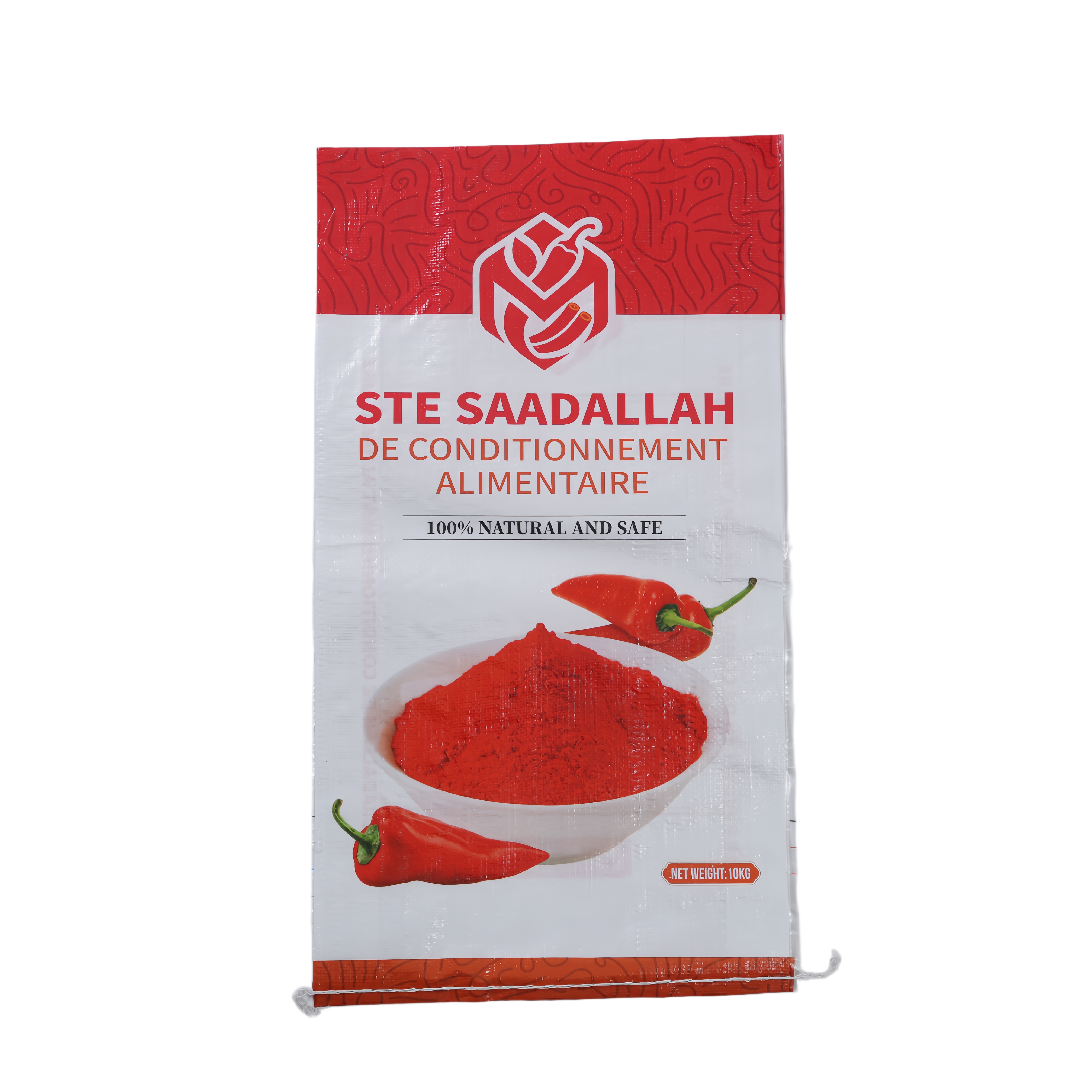
Moisture ingress through micro cracks represents one of the most persistent challenges in industrial packaging, particularly when using laminated bags for sensitive products. Even the smallest defects in the lamination layer can compromise the integrity of stored materials, leading to product degradation, spoilage, and significant financial loss. Understanding the root causes and implementing effective preventive measures is essential for manufacturers and end-users who depend on laminated bags to maintain product quality throughout the supply chain.
The formation of micro cracks in laminated pp bags occurs through multiple mechanisms including mechanical stress during handling, thermal cycling, improper storage conditions, and manufacturing imperfections. These hairline fractures, though invisible to the naked eye, create pathways for moisture vapor to penetrate the packaging structure. By recognizing these vulnerability points and adopting targeted strategies, businesses can significantly enhance the moisture barrier performance of their coated packaging bag solutions.
The quality of laminated sack construction directly influences susceptibility to micro cracking. During the lamination process, adhesive layers bond multiple materials including polypropylene films, kraft paper, and coating agents. If the adhesive application is uneven or the pressure-temperature cycle is improperly controlled, weak bonding zones emerge that later develop into cracks under stress. Material selection plays an equally critical role; lower-grade polypropylene resins contain more molecular impurities and defects that propagate stress concentration points. Temperature fluctuations during storage cause differential contraction and expansion between laminated layers, forcing accumulated stress toward weak adhesive interfaces where micro cracks initiate.
Mechanical handling introduces micro cracks through repetitive flexing, compression during transport, and friction against rough surfaces. When coated packaging bag samples are stacked in warehouses or loaded onto pallets, the weight pressure creates localized stress peaks that exceed the material's fatigue threshold. Exposure to ultraviolet light degrades the outer polymer layers, reducing their elasticity and making them more brittle and prone to cracking under minimal stress. Humidity cycling in storage environments causes moisture absorption into adhesive layers, weakening their bonding strength and promoting delamination that progresses into visible micro cracks over time.
Upgrading the lamination process parameters reduces micro crack formation at the source. Implementing higher-quality adhesives with superior elasticity and moisture resistance creates more resilient bonding interfaces that can accommodate material movement without cracking. Multi-layer laminated pp bag designs distribute stress across more interfaces, preventing stress concentration at single weak points. Selecting premium-grade polypropylene with consistent molecular weight distribution and fewer impurities improves the material's ability to resist both mechanical and environmental stress. Advanced coating technologies, including vacuum-applied polymer coatings, create more uniform barrier layers with fewer structural defects compared to traditional spray or roller coating methods.
Controlling environmental conditions during storage directly reduces micro crack propagation and moisture ingress. Maintaining stable temperature and humidity levels prevents the thermal cycling and moisture absorption that weaken adhesive bonds in laminated sack products. Using climate-controlled warehouse spaces, dehumidifiers, and moisture-absorbing desiccants protects bags from environmental stress. Double-bagging sensitive products within moisture proof bag configurations creates redundant barriers that prevent product damage even if micro cracks develop in the outer laminated layer. Proper stacking methods, such as using pallets with adequate spacing and avoiding excessive compression, minimize mechanical stress that accelerates crack growth.
Implementing rigorous inspection protocols identifies manufacturing defects before bags enter service. Automated vision systems detect lamination inconsistencies, weak adhesive coverage, and surface irregularities that predict micro crack vulnerability. Moisture transmission testing on sample bags from each production batch quantifies barrier performance and validates that moisture proof bag specifications are met. Accelerated environmental testing, including thermal cycling and humidity exposure, reveals latent defects that will develop into problematic micro cracks during actual storage and transport conditions. Establishing traceability systems enables rapid identification and isolation of suspect bag batches, preventing widespread product contamination or spoilage in customer facilities.
Working collaboratively with coated packaging bag manufacturers ensures specifications explicitly address moisture ingress risks. Clear performance requirements should mandate maximum moisture transmission rates, adhesive strength standards, and environmental stress testing protocols. Requesting documentation of adhesive composition, lamination equipment calibration records, and material traceability demonstrates supplier commitment to quality. Regular audits of manufacturing facilities, adhesive application systems, and quality control procedures identify process improvements that reduce micro crack formation. Establishing service-level agreements with moisture-related performance guarantees creates accountability and incentivizes continuous process optimization by suppliers.
Field performance data collection from deployed laminated bags reveals whether micro crack issues are occurring in actual use conditions. Documenting product failures, moisture damage incidents, and customer complaints provides feedback for identifying weak points in current laminated pp bag designs. Periodic testing of bags retrieved from storage facilities, distribution centers, and customer locations detects early signs of adhesive degradation or micro crack development. Analyzing this data guides targeted improvements such as adhesive formulation adjustments, coating process enhancements, or material supplier changes. Continuous refinement based on real-world performance ensures that moisture proof bag solutions remain effective even as environmental conditions, product compositions, or logistics practices evolve over time.
Most micro cracks remain invisible to the naked eye because they are typically less than 0.1 millimeters wide. However, specialized optical inspection equipment, moisture transmission testing, and accelerated environmental stress tests can reveal susceptibility to micro crack formation and moisture ingress. Regular product sampling and environmental monitoring help identify problems before they cause product damage in the field.
Acceptable moisture transmission rates depend on the sensitivity of stored products and shelf-life requirements. Most moisture proof bag specifications target transmission rates below 10 grams per square meter per day, though sensitive products like pharmaceuticals or certain food ingredients may require rates below 5 grams per square meter per day. Working with your product development team to define specific moisture protection requirements ensures laminated pp bag selection meets actual performance needs.
Repeated temperature fluctuations cause polymers and adhesive layers to expand and contract at different rates, creating mechanical stress at laminate interfaces. This differential movement accumulates over time, eventually causing delamination and micro cracks that compromise the moisture barrier properties of laminated bags. Minimizing temperature fluctuations during storage and transport significantly reduces this failure mechanism and extends the effective moisture protection life of coated packaging bag solutions.

Discover the 4 critical production metrics—throughput, defect rate, equipment uptime & on-time delivery—to vet factories confidently.

Ensure regulatory compliance & worker safety with proven methods for chemical woven bags—material selection, labeling, storage & training.

Discover the full PP woven bag manufacturing workflow—from extrusion & weaving to printing & QC. Boost efficiency, compliance & ROI. Download the process guide now.

Struggling with weak bags or high material waste? Master extrusion and tape drawing tech for stronger, cheaper PP woven bags. Optimize your production line now.

Struggling with defects or customer returns? Discover the 5 non-negotiable quality checkpoints across your woven bag production line
Which automation tier is right for your PP woven bag factory? Compare manual to Industry 4.0 systems for cost, quality, and scalability.
Get in touch for details on polypropylene woven bags and flexible packaging solutions.
Tel
Address
No.2015, Liaoyuan Building, Lanshan District, Linyi City, Shandong Province.China

