 EN
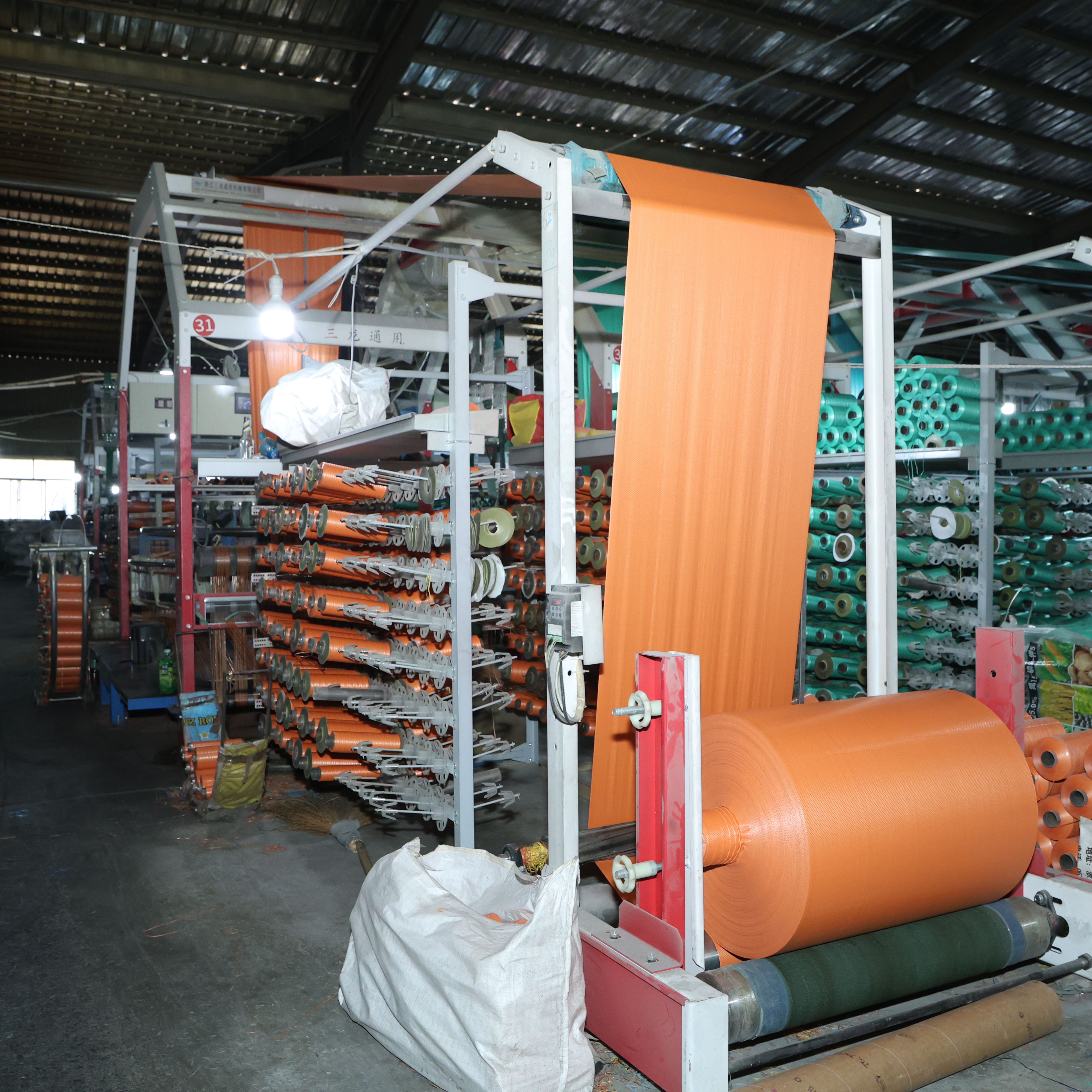
How to Assess Production Efficiency at a PP Woven Bag Factory
Discover the 4 critical production metrics—throughput, defect rate, equipment uptime & on-time delivery—to vet factories confidently.

2026/08/06
Moisture control is one of the most critical challenges in industrial packaging, particularly when using PE lined solutions. Products stored in these bags can suffer degradation, discoloration, caking, and reduced shelf life if moisture accumulates inside the packaging. Understanding how to minimize internal moisture ensures your goods remain protected throughout storage and transportation, regardless of external humidity levels or climate conditions.
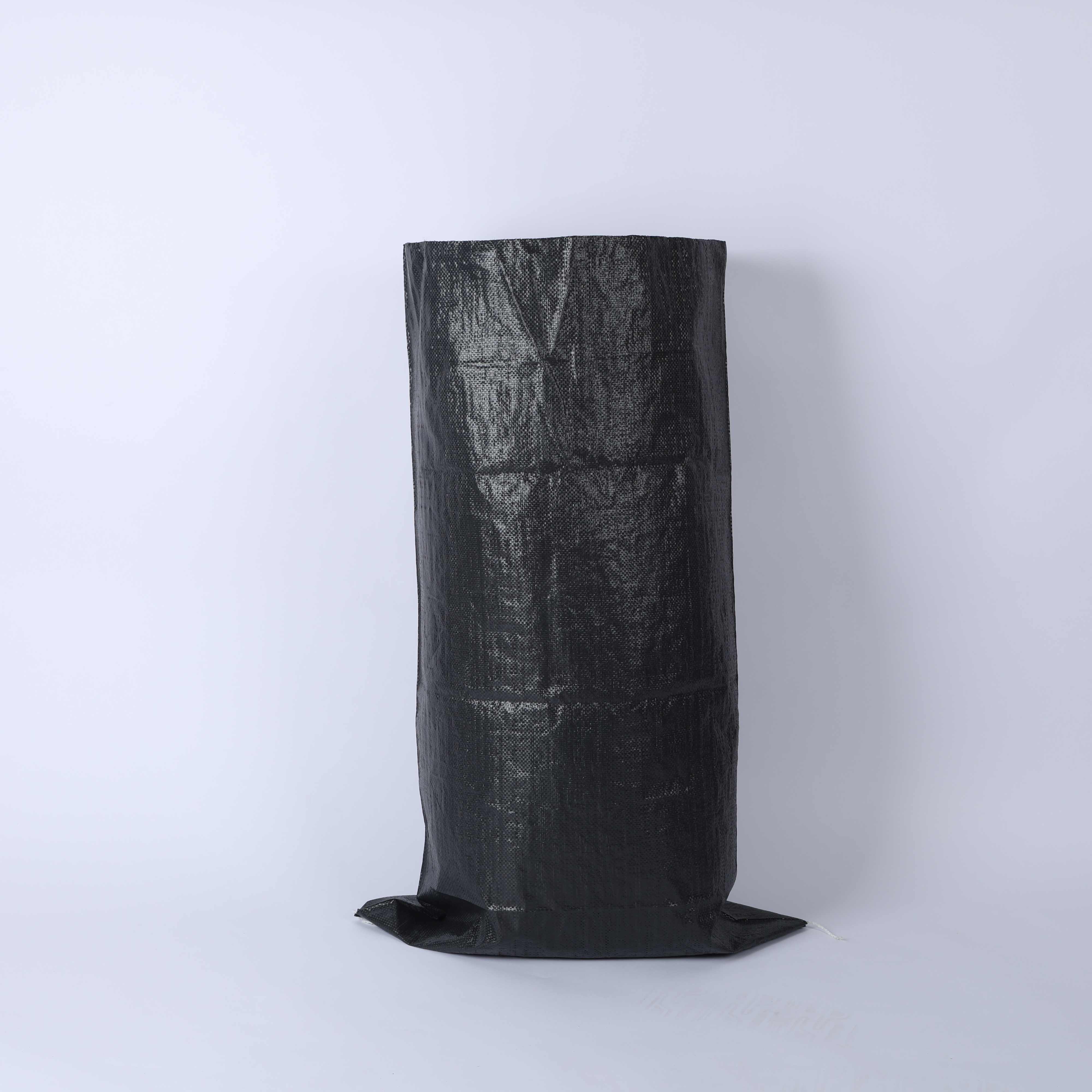
PE liner bags have become the industry standard for moisture protection because polyethylene creates an effective moisture barrier when properly applied. A pe lined woven bag combines the strength of polypropylene with PE's superior moisture resistance, creating a dual-layer structure that locks out humidity. However, effective moisture control requires more than just selecting the right bag type. It demands attention to product conditioning, packaging process optimization, storage environment management, and ongoing monitoring to ensure trapped moisture stays at acceptable levels.
A moisture barrier bag works by creating a physical seal that prevents water vapor from penetrating the packaging material. When polyethylene lines the interior of a woven polypropylene bag, it forms a continuous plastic layer that water molecules cannot easily traverse. The density and thickness of the PE liner determine the degree of moisture resistance. Thicker PE liners provide superior protection but increase packaging cost, so manufacturers must balance protection level with economic feasibility.
The pp pe composite bag represents an advanced approach where both materials are engineered as a unified laminate rather than simple layers. This construction method eliminates gaps and weak points that can compromise barrier effectiveness. The composite structure ensures consistent moisture protection across the entire bag surface, including seams, corners, and the base. Quality manufacturers conduct moisture vapor transmission rate (MVTR) testing to verify that their pe liner bags meet specified protection standards before distribution.
Not all moisture barrier bags perform identically. Single-layer PE liners offer basic protection suitable for products with moderate moisture sensitivity. Multi-layer PE liners, particularly those incorporating micro-perforated designs or advanced polymer blends, provide enhanced performance for hygroscopic materials like chemicals, food additives, and mineral powders. When evaluating pe lined woven bag options, consider both the MVTR rating and the specific environmental conditions where products will be stored.
Selecting the right pe liner bag type depends on storage duration, climate exposure, and product sensitivity. A three-month storage period in a controlled warehouse environment requires different protection than year-long outdoor storage in tropical conditions. Specialty pp pe composite bag designs incorporate oxygen barriers and UV protection alongside moisture control, addressing multiple degradation pathways simultaneously for premium products.
The most effective approach to reducing moisture trapped inside PE lined packaging begins before the product even enters the bag. Products with moisture absorption potential should be dried or conditioned to reach optimal moisture content levels before packaging. For hygroscopic materials, this means reducing internal moisture to near-equilibrium conditions relative to your target storage environment. Conditioning processes such as oven drying, vacuum drying, or controlled room-temperature equilibration remove moisture from the product itself, reducing the moisture load that will be sealed inside the pe liner bag.
Industry standards recommend measuring product moisture content using Karl Fischer titration or moisture analyzers before sealing. This ensures products meet specified moisture thresholds. When products arrive at acceptable moisture levels, the amount of moisture trapped inside the moisture barrier bag remains minimal, preventing condensation and internal moisture accumulation throughout the product lifecycle.
How you seal a pe lined woven bag directly influences how much residual moisture remains trapped inside. Heat sealing at correct temperature and pressure creates an airtight closure that prevents atmospheric moisture from entering after packaging. Insufficient heat or pressure results in incomplete seals where moisture can migrate inward during storage. Conversely, excessive heat can damage polyethylene, creating microscopic cracks that compromise barrier integrity.
Best practice involves establishing precise sealing parameters for your specific pe liner bag design and material thickness. Regular testing of seal strength using burst pressure or pull tests confirms consistent quality. Bag-in-box packaging with inner moisture barrier bags provides an additional protection layer when handling especially moisture-sensitive products. For critical applications, some manufacturers use vacuum sealing combined with nitrogen flushing to displace residual moisture before final closure.
Even a high-quality pp pe composite bag cannot prevent moisture ingress if stored in extremely humid conditions for extended periods. While PE liners dramatically reduce moisture transmission rates, they cannot eliminate vapor migration entirely. Storage facilities should maintain relative humidity levels below 65% where practical. Climate-controlled warehouses protect PE lined packaging from rapid humidity fluctuations that encourage moisture condensation inside bags.
Stacking and ventilation practices also matter. Proper pallet design and storage configuration allow air circulation that reduces localized humidity pockets around bags. Elevated storage on pallets rather than direct floor contact minimizes exposure to ground moisture. Tarping bags during transport protects them from rain exposure, which can overwhelm even the most effective moisture barrier bag performance.
Verification testing ensures your pe lined woven bag solutions deliver promised moisture protection. MVTR testing measures the rate at which water vapor passes through packaging materials under standardized conditions. Oxygen transmission rate (OTR) testing assesses gas barrier performance. For products with extremely low moisture tolerance, accelerated shelf-life testing simulates long-term storage conditions and measures actual moisture levels inside sealed bags after extended periods.
Regular sampling and moisture content analysis of stored products confirms that trapped moisture levels remain within acceptable ranges. This data-driven approach reveals whether your pe liner bag selection, conditioning process, and storage environment are working together effectively. If moisture levels drift higher than expected, corrective actions might include upgrading to thicker polyethylene liners, improving pre-packaging drying, or relocating storage to lower-humidity facilities.
Products stored in moisture barrier bags should be periodically tested throughout their shelf life to confirm protection effectiveness. Some organizations check a sample of bags every three to six months, especially for products stored beyond twelve months. This practice catches degradation from temperature cycling, UV exposure, or mechanical damage that might compromise the pe liner bag's barrier performance. Temperature-humidity cycling accelerates moisture transmission, so bags exposed to outdoor conditions or temperature-variable warehouses need more frequent verification.
Documentation of moisture test results creates a quality record that demonstrates compliance with customer specifications. When customers require proof that their products remained protected during storage, this testing history provides concrete evidence. The investment in monitoring protects your reputation and allows early detection of storage environment problems before they affect large product quantities.
Most pe lined woven bags have MVTR values between 5 and 50 grams per square meter per 24 hours, depending on PE thickness and material grade. Thicker liners deliver lower MVTR values, meaning better moisture protection. Standard pe liner bags used in chemical and mineral packaging typically fall in the 10 to 30 MVTR range, while premium pp pe composite bag designs may achieve MVTR values below 10 for maximum protection.
Yes, trapped moisture can cause significant damage including caking in mineral powders, color degradation in pigments, shelf-life reduction in food additives, and chemical decomposition in sensitive materials. Even small amounts of moisture can trigger degradation over time, particularly if products are stored in warm conditions. This is why pre-packaging product conditioning and moisture barrier bag selection are critical—the less moisture sealed inside initially, the lower the risk of product deterioration.
Protection duration depends on the MVTR rating of your pe lined woven bag, storage environment humidity, temperature fluctuations, and the product's moisture sensitivity. Products stored in climate-controlled facilities with PE liners typically remain protected for 12 to 24 months. Outdoor storage or fluctuating temperature conditions may reduce effective protection to 3 to 6 months. Testing actual products after extended storage confirms whether your moisture barrier bag solution provides adequate protection for your specific timeframe and environment.

Discover the 4 critical production metrics—throughput, defect rate, equipment uptime & on-time delivery—to vet factories confidently.

Ensure regulatory compliance & worker safety with proven methods for chemical woven bags—material selection, labeling, storage & training.

Discover the full PP woven bag manufacturing workflow—from extrusion & weaving to printing & QC. Boost efficiency, compliance & ROI. Download the process guide now.

Struggling with weak bags or high material waste? Master extrusion and tape drawing tech for stronger, cheaper PP woven bags. Optimize your production line now.

Struggling with defects or customer returns? Discover the 5 non-negotiable quality checkpoints across your woven bag production line
Which automation tier is right for your PP woven bag factory? Compare manual to Industry 4.0 systems for cost, quality, and scalability.
Get in touch for details on polypropylene woven bags and flexible packaging solutions.
Tel
Address
No.2015, Liaoyuan Building, Lanshan District, Linyi City, Shandong Province.China

