 EN
How to Assess Production Efficiency at a PP Woven Bag Factory
Discover the 4 critical production metrics—throughput, defect rate, equipment uptime & on-time delivery—to vet factories confidently.

2026/08/12
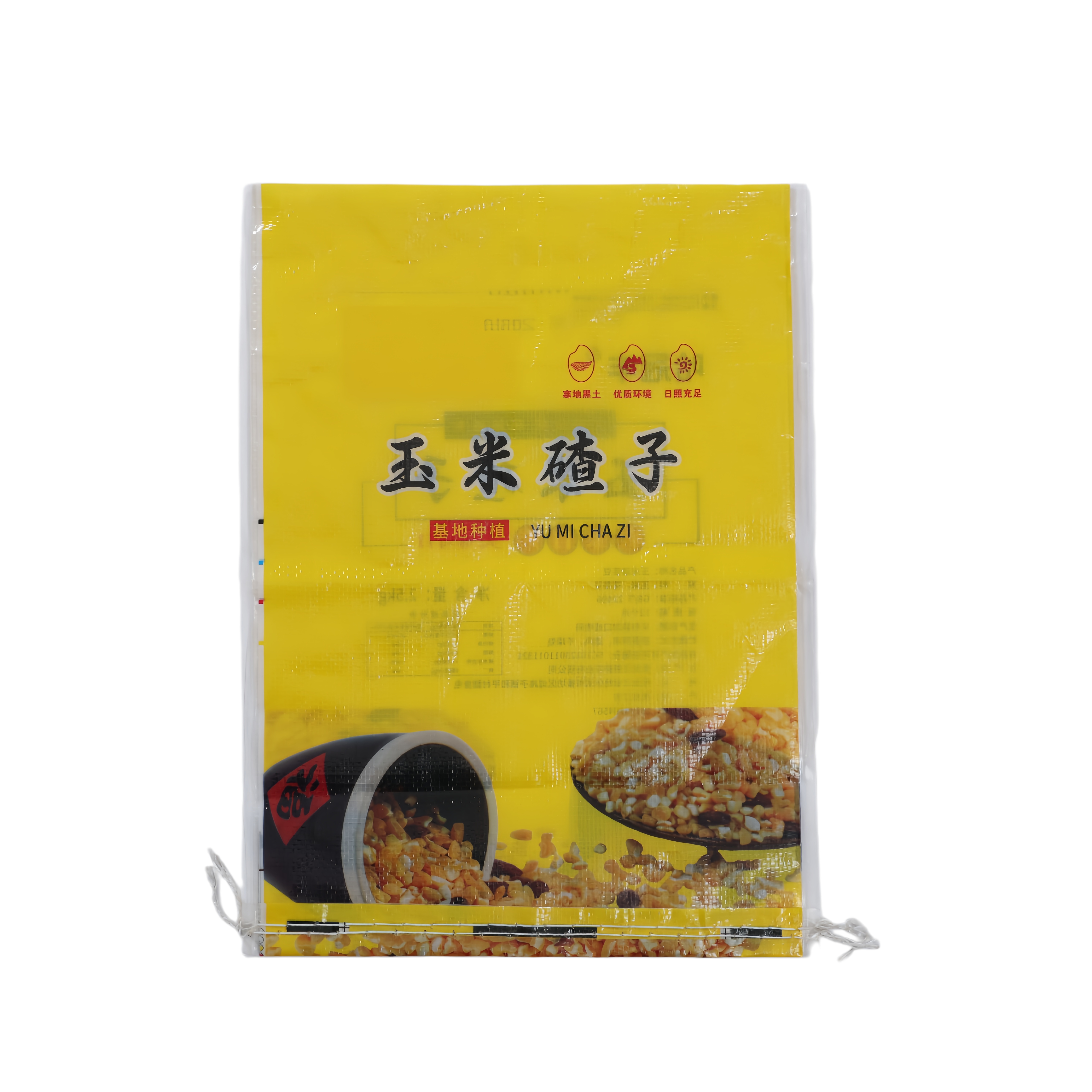
Reusing fertilizer bags presents both economic and environmental advantages for agricultural operations, yet odor retention remains a persistent challenge that can compromise product quality and operational efficiency. When organic or animal-based fertilizers are stored in packaging, their pungent odors penetrate the polypropylene material and linger long after the initial contents are removed. This residual smell can transfer to new products, affect workplace conditions, and create compliance issues in facilities handling sensitive crops or premium products. Understanding the root causes of odor retention and implementing targeted solutions is essential for any operation looking to maximize the value of their reused agricultural fertilizer packaging.
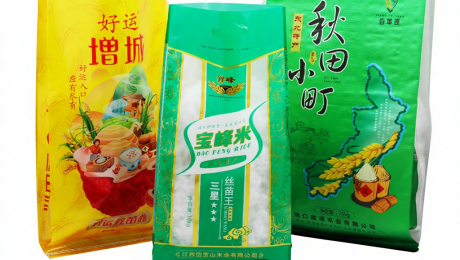
The science behind odor absorption in fertilizer bags involves the porous nature of polypropylene and the molecular composition of organic compounds that produce strong smells. Polypropylene fibers naturally trap volatile organic compounds, making complete odor removal difficult with conventional washing methods alone. Success requires a multi-layered approach combining physical cleaning, chemical treatment, environmental controls, and strategic material choices to restore packaging to acceptable standards for reuse.
The structure of a fertilizer woven bag creates microscopic pathways where odor molecules become trapped during storage and transportation. Organic compounds from poultry manure, bone meal, fish emulsion, and composted materials are particularly adhesive to polypropylene fibers. Once absorbed, these molecules remain embedded within the material matrix, making simple surface cleaning ineffective. The longer fertilizer remains in contact with the pp fertilizer sack, the deeper the odor penetrates, and the more challenging remediation becomes. Temperature fluctuations during storage accelerate molecular movement, intensifying odor absorption and increasing the difficulty of later removal efforts.
The weave density, yarn thickness, and resin composition of agricultural fertilizer packaging all influence how readily odors attach and persist. Higher-density pp fertilizer sack varieties with tighter weaves generally absorb less odor than loosely woven alternatives, though they may cost more initially. Virgin polypropylene exhibits better resistance to odor absorption compared to recycled material blends, which often contain micro-imperfections that trap volatile compounds more readily. Storage conditions such as humidity, ventilation, and exposure to sunlight significantly impact how long odors remain detectable after fertilizer removal. Understanding these material factors helps operations select appropriately designed bags for their specific fertilizer types and plan realistic deodorization strategies.
Initial mechanical cleaning removes surface residue and loose particles that contribute to odor, creating a foundation for deeper treatment. Gentle tumbling in enclosed containers or light pressure washing with cold water can dislodge fertilizer particles without damaging the polypropylene structure of agricultural fertilizer packaging. Sunlight exposure for extended periods—typically 7 to 14 days depending on climate—naturally degrades some volatile compounds through ultraviolet action. Allowing bags to air dry in well-ventilated spaces permits absorbed odors to gradually evaporate, though this process alone rarely eliminates strong residual smells. Combining mechanical methods with subsequent chemical treatments yields significantly better results than relying on physical cleaning alone.
Mild acidic solutions such as diluted vinegar or citric acid can neutralize certain odor molecules while remaining safe for polypropylene materials used in fertilizer woven bag construction. Enzymatic odor eliminators containing naturally occurring bacteria break down organic compounds at the molecular level rather than simply masking or trapping smells. Activated charcoal placed inside sealed bags for 24 to 48 hours absorbs residual odor-causing molecules, particularly effective for moderately contaminated pp fertilizer sack inventory. Baking soda treatments work similarly to activated charcoal and offer a cost-effective alternative for smaller-scale operations. After chemical treatment, thorough rinsing and extended air-drying ensure no treatment residues remain that could affect new product quality or transfer unwanted flavors to sensitive crops.
Ozone treatment systems inject controlled ozone gas into sealed bags where it oxidizes and breaks down volatile organic compounds responsible for persistent fertilizer odors. This technology accelerates the deodorization process significantly compared to passive methods and leaves no chemical residues on agricultural fertilizer packaging surfaces. Industrial-scale operations may invest in industrial-capacity ozone chambers that process hundreds of bags simultaneously, making the cost-per-bag economical for high-volume users. Activated oxygen and ionization systems offer similar benefits with varying effectiveness depending on specific odor types and initial contamination levels. These specialized approaches work best when integrated with other cleaning methods as part of a comprehensive bag restoration protocol rather than standing alone.
Choosing high-quality pp fertilizer sack options manufactured from virgin polypropylene rather than recycled blends significantly reduces initial odor absorption and simplifies future reuse cycles. Bags with enhanced interior coatings or barrier layers create additional resistance to odor penetration while maintaining structural durability for repeated handling. Investing in superior-grade fertilizer woven bag materials for long-term storage applications reduces cumulative odor retention issues across multiple reuse cycles. Specialized bags designed with odor-resistant treatments applied during manufacturing offer preventative advantages that pay dividends over extended operational timeframes. While premium materials cost more upfront, their superior performance in resisting odor absorption often justifies the investment when factoring in deodorization labor and processing costs.
Environmental controls during storage dramatically influence how intensely odors embed themselves into agricultural fertilizer packaging materials. Maintaining cool, dry storage conditions with consistent temperatures between 50 and 70 degrees Fahrenheit slows molecular movement and reduces odor penetration rates significantly. Adequate ventilation systems prevent odor vapor accumulation and encourage natural evaporation of volatile compounds before they become deeply trapped in pp fertilizer sack fibers. Protecting bags from direct sunlight during initial storage prevents heat-driven acceleration of odor absorption, though strategic sun exposure after emptying aids deodorization. Implementing organizational systems that track bag usage history allows operations to prioritize deodorization for the most heavily contaminated inventory first, maximizing efficiency of treatment efforts.
Establishing routine inspection schedules allows detection of odor issues before they compromise batch integrity or affect multiple fertilizer products simultaneously. Immediate post-use treatment of emptied bags—including light rinse, ventilation, and initial deodorization—prevents odors from setting permanently into the polypropylene structure. Documenting fertilizer types stored in specific fertilizer woven bag batches enables targeted treatment strategies suited to each contamination profile. Implementing first-in, first-out inventory rotation systems ensure bags don't remain in storage long enough for stubborn odors to become permanently embedded. Regular staff training on proper bag handling, storage practices, and early deodorization responses creates organizational culture supporting continued reuse success.
Most agricultural fertilizer packaging can be successfully reused following appropriate deodorization, though severe contamination from certain products like fish meal or blood meal may require multiple treatment cycles or disposal in extreme cases. Bags with visible damage, tears, or structural degradation should be retired regardless of odor status, as they compromise product quality and pose spillage risks. Premium-grade pp fertilizer sack materials generally reuse more successfully than lower-quality alternatives due to superior material durability and lower initial odor absorption rates.
Combined mechanical and chemical deodorization treatments typically require 5 to 10 days from initial cleaning through final air-drying stages, though specialized ozone systems can compress timelines to 24 to 48 hours for urgent needs. Passive methods like sunlight and ventilation require significantly longer periods, often 2 to 4 weeks depending on climate conditions and initial contamination severity. The most effective approach combines multiple complementary techniques applied sequentially rather than relying on single methods alone.
Decision factors include the cost of the fertilizer woven bag versus deodorization treatment expenses, the specific fertilizer products planned for future storage, available treatment infrastructure, and inventory volume requiring processing. High-value bags with minimal structural wear and moderate odor contamination justify investment in thorough deodorization, while heavily damaged or severely contaminated units may be more economical to replace with new agricultural fertilizer packaging. Regular cost-benefit analysis comparing reuse expenses against new bag purchasing prices guides optimal inventory management strategy.

Discover the 4 critical production metrics—throughput, defect rate, equipment uptime & on-time delivery—to vet factories confidently.

Ensure regulatory compliance & worker safety with proven methods for chemical woven bags—material selection, labeling, storage & training.

Discover the full PP woven bag manufacturing workflow—from extrusion & weaving to printing & QC. Boost efficiency, compliance & ROI. Download the process guide now.

Struggling with weak bags or high material waste? Master extrusion and tape drawing tech for stronger, cheaper PP woven bags. Optimize your production line now.

Struggling with defects or customer returns? Discover the 5 non-negotiable quality checkpoints across your woven bag production line
Which automation tier is right for your PP woven bag factory? Compare manual to Industry 4.0 systems for cost, quality, and scalability.
Get in touch for details on polypropylene woven bags and flexible packaging solutions.
Tel
Address
No.2015, Liaoyuan Building, Lanshan District, Linyi City, Shandong Province.China

