 EN
How to Assess Production Efficiency at a PP Woven Bag Factory
Discover the 4 critical production metrics—throughput, defect rate, equipment uptime & on-time delivery—to vet factories confidently.

2026/09/02
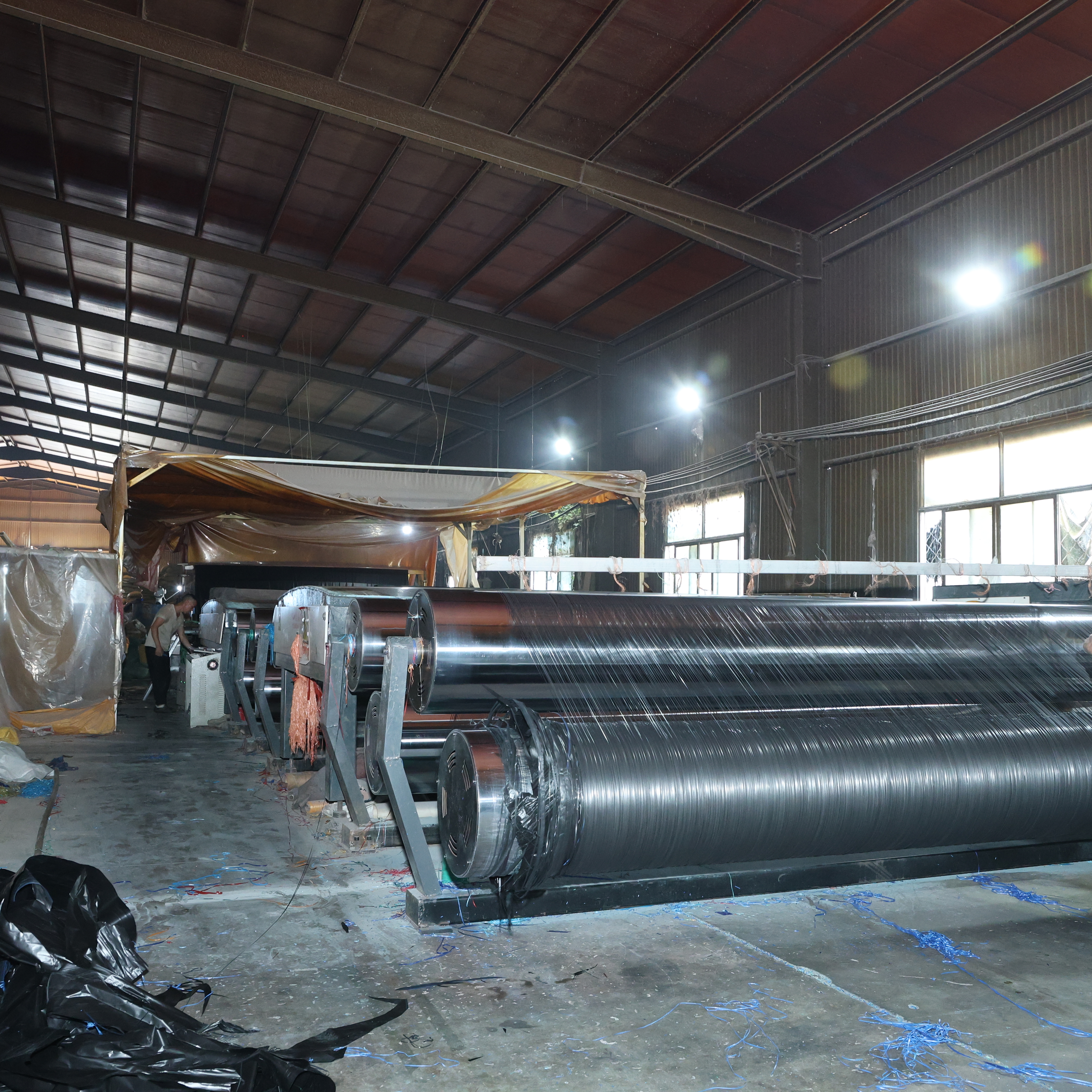
Switching to a new PP woven bag supplier introduces operational and financial risk. Supply chain disruptions, quality inconsistencies, missed delivery windows, and production delays can cascade through your entire business. Whether you manufacture consumer goods, distribute agricultural products, or manage industrial packaging needs, selecting a reliable woven bag wholesale partner requires careful planning and thorough validation. This guide outlines proven strategies to minimize risk and ensure a smooth transition to a new bulk woven bag supply source that meets your performance standards.
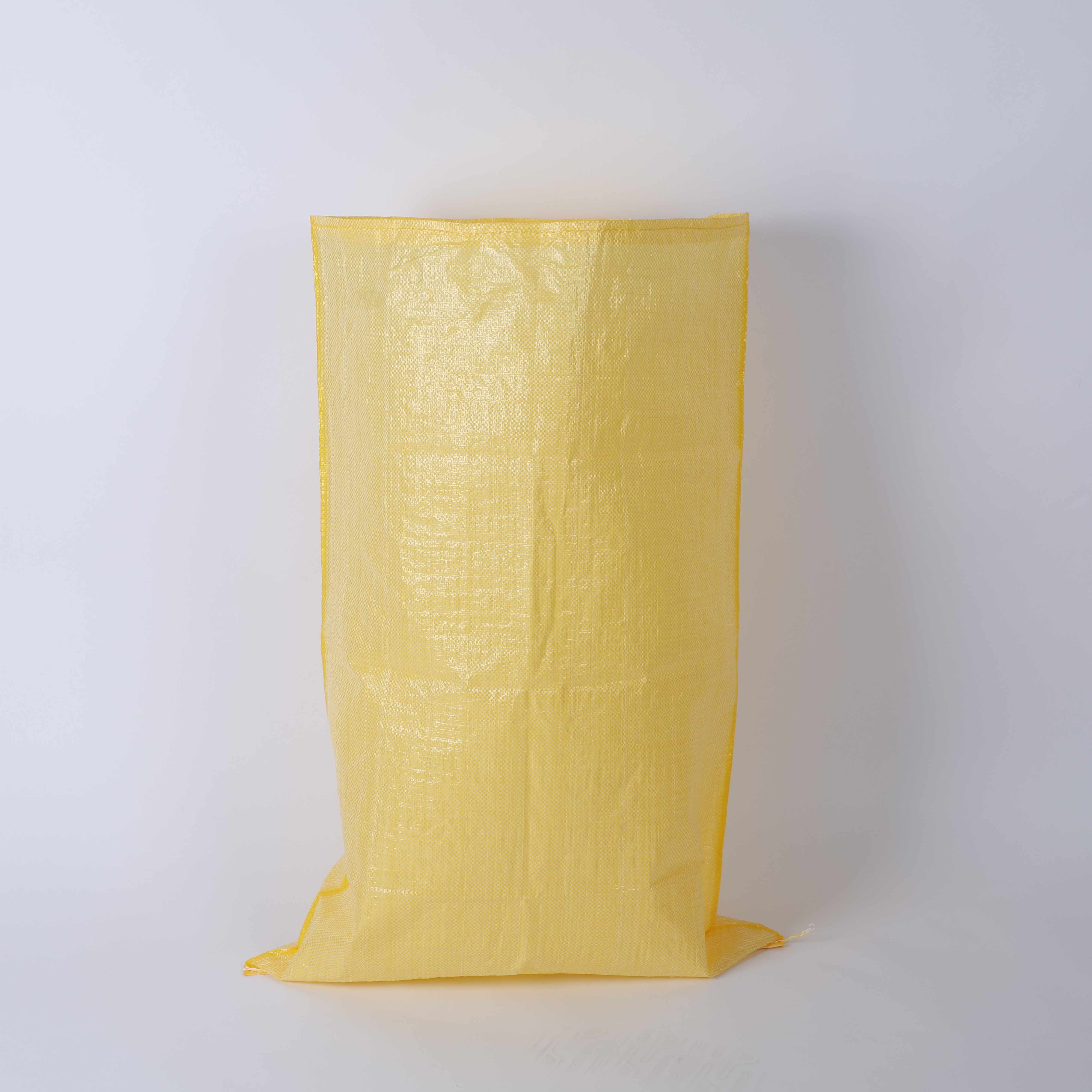
The decision to change packaging suppliers should never be driven by price alone. Cost savings mean nothing if the new partner delivers substandard products, fails to meet volume commitments, or cannot maintain consistent quality. A pp woven bag factory that appears attractive initially may lack the infrastructure, quality controls, or customer service capacity to handle your long-term requirements. By following a structured assessment and transition process, you protect your brand reputation, maintain production continuity, and build a sustainable partnership with a pp bag export vendor who shares your commitment to excellence.
Begin your evaluation by confirming that the potential woven bag wholesale partner operates under recognized quality management systems. Look for ISO 9001 certification, which demonstrates commitment to consistent production processes and continuous improvement. Request documentation showing compliance with industry-specific standards relevant to your sector, whether pharmaceutical, food, agricultural, or industrial packaging. Many pp woven bag factory operations maintain certifications from regional regulatory bodies that validate material safety, environmental responsibility, and manufacturing transparency. These credentials reduce the risk of regulatory violations and supply chain disruptions that could arise from non-compliant packaging.
Confirm that the bulk woven bag supply source has dedicated production lines and capacity headroom to handle your current volume and anticipated growth. Request production schedules, lead times, and contingency plans for peak-demand periods. A pp bag export manufacturer with multiple production facilities or backup equipment demonstrates resilience and reduces the risk of bottlenecks during your critical seasons. Ask about their raw material sourcing strategy and inventory levels. Suppliers who maintain strategic reserves and diversified material suppliers are better positioned to absorb market volatility and prevent shortages that could disrupt your operations.
Before committing to large orders, request sample bags from the woven bag wholesale provider using your exact specifications. Test these samples under real operating conditions within your facility. Run them through your filling, sealing, storage, and transport processes. Evaluate tear resistance, seam integrity, ink adhesion for printed designs, and dimensional consistency. Many businesses discover critical mismatches only after placing initial production orders, resulting in expensive rework or disposal. A reliable pp woven bag factory will proactively facilitate this testing process and provide technical support to address any shortcomings before production begins.
Document specific quality standards that each shipment must meet, including acceptable defect rates, color tolerance ranges, and durability benchmarks. Establish an inspection protocol for incoming shipments, whether conducted at the supplier's facility, at a third-party lab, or upon receipt at your warehouse. Define consequences for non-conformance, including return privileges and replacement timelines. A professional pp bag export operation will accept these standards as normal business practice and will cooperate fully with your inspection process. Transparent quality expectations reduce disputes and create accountability on both sides of the partnership.
Rather than immediately discontinuing your current supplier, implement a gradual transition plan. Place an initial order with the new bulk woven bag supply vendor that represents 20–30% of your typical monthly volume. Run this inventory through your production process while maintaining your existing supply. Monitor performance, track any issues, and gather feedback from your operations team. Once you confirm consistent quality and delivery reliability, increase the order volume incrementally over four to eight weeks. This parallel-run approach allows you to identify problems early, adjust expectations, or exit the relationship with minimal financial exposure if performance does not meet requirements.
Establish clear communication protocols with your new woven bag wholesale partner, including designated contacts, escalation procedures, and reporting schedules. Define lead times, reorder windows, and minimum order quantities upfront. Discuss contingency scenarios such as production delays, quality issues, or unexpected demand spikes. A professional pp woven bag factory will maintain open dialogue, provide advance notice of any potential problems, and collaborate on solutions. Ensure your contract includes flexibility provisions that allow order adjustments, extensions of payment terms for disputes, and clear termination clauses. Written agreements reduce ambiguity and provide legal protection if the relationship does not perform as intended.
The primary risks include quality inconsistencies, missed delivery deadlines, production capacity issues, regulatory non-compliance, and communication breakdowns. These problems can trigger supply chain disruptions, product recalls, reputational damage, and increased operational costs. A poorly chosen pp woven bag factory may lack proper quality controls or sufficient capacity, leading to delayed orders precisely when you need inventory most. Careful evaluation and gradual transition strategies significantly reduce these risks.
A parallel run typically lasts four to eight weeks, depending on your production cycle and sales velocity. This timeframe allows your operations team to process several orders, test product performance under real conditions, and identify any issues before you fully commit. During this period, maintain your relationship with your current pp woven bag supplier while gradually increasing orders from the new bulk woven bag supply vendor. This approach provides adequate time to build confidence while limiting financial exposure.
Look for ISO 9001 certification for quality management, as well as industry-specific certifications relevant to your sector. Food-packaging applications may require FDA compliance or equivalent certifications. Agricultural and industrial applications benefit from environmental and workplace safety certifications. Request documentation confirming that the pp bag export manufacturer operates under recognized standards and undergoes regular audits. These credentials provide assurance that the supplier maintains consistent processes and is committed to continuous improvement.

Discover the 4 critical production metrics—throughput, defect rate, equipment uptime & on-time delivery—to vet factories confidently.

Ensure regulatory compliance & worker safety with proven methods for chemical woven bags—material selection, labeling, storage & training.

Discover the full PP woven bag manufacturing workflow—from extrusion & weaving to printing & QC. Boost efficiency, compliance & ROI. Download the process guide now.

Struggling with weak bags or high material waste? Master extrusion and tape drawing tech for stronger, cheaper PP woven bags. Optimize your production line now.

Struggling with defects or customer returns? Discover the 5 non-negotiable quality checkpoints across your woven bag production line
Which automation tier is right for your PP woven bag factory? Compare manual to Industry 4.0 systems for cost, quality, and scalability.
Get in touch for details on polypropylene woven bags and flexible packaging solutions.
Tel
Address
No.2015, Liaoyuan Building, Lanshan District, Linyi City, Shandong Province.China

