 EN
How to Assess Production Efficiency at a PP Woven Bag Factory
Discover the 4 critical production metrics—throughput, defect rate, equipment uptime & on-time delivery—to vet factories confidently.

2026/08/18
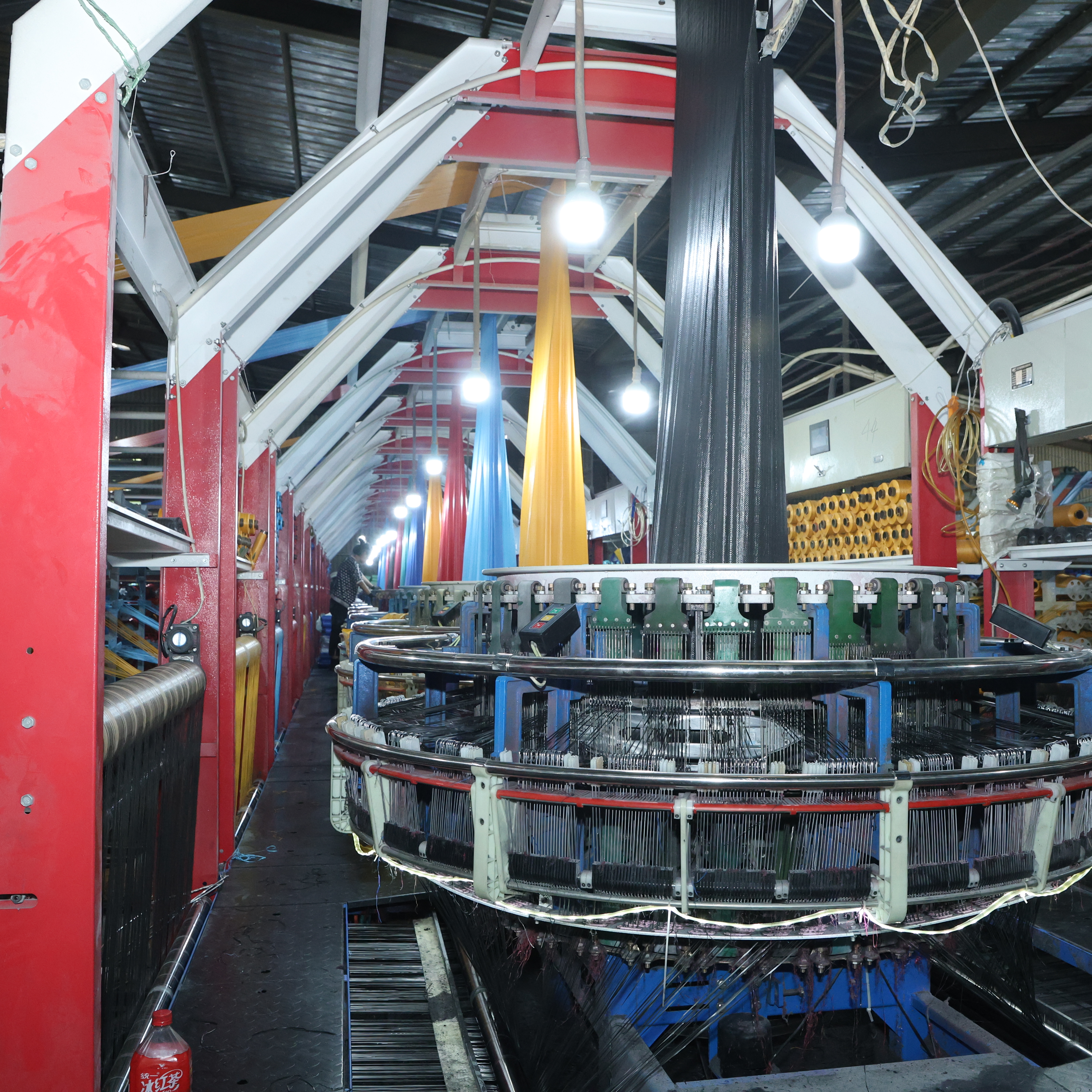
Selecting the right PP woven bag supplier is critical for businesses that depend on consistent product quality. Whether you source bags for agricultural packaging, industrial storage, or retail distribution, the supplier you choose directly impacts your brand reputation, operational efficiency, and bottom-line costs. A reliable PP woven bag supplier ensures that every shipment meets your specifications, arrives on schedule, and performs reliably in the field. Vetting your supplier thoroughly before committing to long-term orders protects your business from quality failures, production delays, and unnecessary expenses.
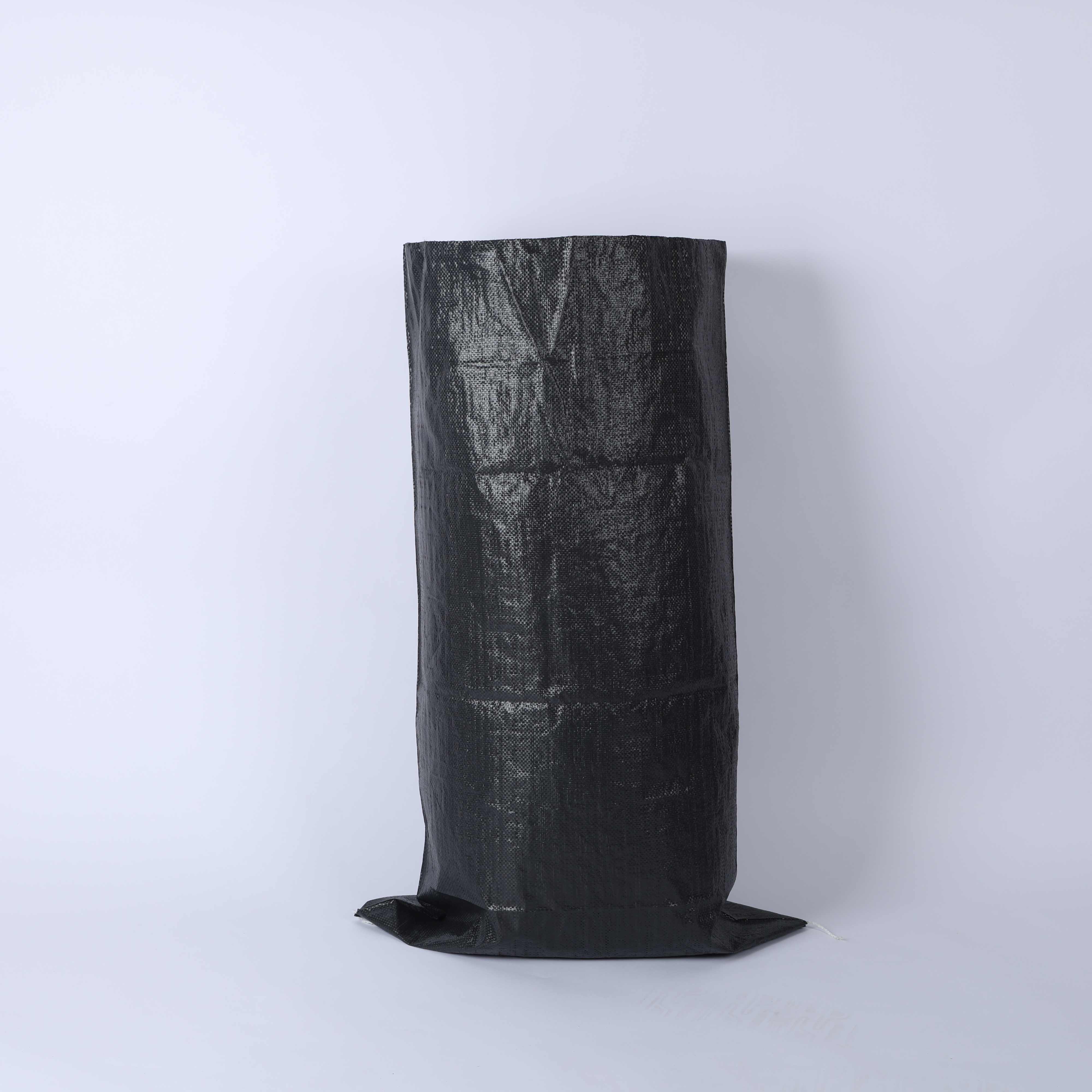
The process of vetting a supplier requires a structured approach that examines factory capabilities, quality control systems, compliance standards, and production history. Many businesses rush through supplier selection, focusing only on price, and later face serious consequences. This guide walks you through the essential evaluation criteria that separate dependable PP woven bag factories from unreliable ones, ensuring you make informed decisions backed by hard evidence rather than marketing claims alone.
A credible PP woven bag factory must demonstrate sufficient production capacity to handle your order volumes without compromising quality. Start by requesting detailed information about their machinery, production lines, and annual output capacity. Modern PP woven bag manufacturers use automated looms, printing equipment, and quality testing systems that enable consistent output. Ask about equipment age, maintenance schedules, and whether they invest regularly in upgrading their technology. Outdated machinery often leads to inconsistent product dimensions, uneven weaving density, and higher defect rates. Visit the facility if possible, or request recent factory photographs and video tours that show active production floors.
Your chosen PP woven bag supplier must be flexible enough to adjust production for seasonal demand, custom specifications, and rush orders. Inquire about their minimum order quantities for different bag styles, printing options, and delivery timelines. A woven bag wholesale operation serving multiple customers should have the agility to scale production without long setup delays. Confirm their ability to handle custom printing, specialized bag dimensions, lamination, and other value-added services. Suppliers with rigid production schedules often create bottlenecks that delay your shipments or force you to accept substandard alternatives. Understanding their production planning process helps you anticipate lead times and avoid supply chain disruptions.
Reputable pp bag export operations implement formal quality management systems such as ISO 9001 certification or equivalent industry standards. These certifications indicate that the supplier has documented processes for raw material inspection, in-process quality checks, and final product testing. Request copies of their quality assurance procedures, test reports, and inspection protocols. A genuine PP woven bag factory conducts tests on tensile strength, breaking load, seam strength, and tear resistance to ensure bags meet industry specifications. Ask about their defect tolerance rates and how they handle non-conforming products. Quality-focused suppliers maintain detailed records of production batches, allowing them to trace issues back to specific manufacturing runs if problems arise.
The quality of PP woven bags depends heavily on the raw materials used, particularly the polypropylene resin grade, additive packages, and ink formulations. Request material safety data sheets (MSDS) from your PP woven bag supplier to confirm that all inputs comply with food safety regulations, environmental standards, and chemical restrictions relevant to your target markets. Ask whether they source virgin or recycled resin and how they manage quality variance between batches. Suppliers that change raw material sources without notification often cause sudden quality shifts that damage product consistency. Establish clear material specifications in your purchase agreements and request supplier certifications confirming compliance with standards such as FDA regulations, REACH, or local environmental rules.
Before committing to a bulk woven bag supply agreement, verify the supplier's financial stability, business registration, and years of operation. Check industry databases, chamber of commerce records, and online business registries to confirm their legitimacy. Request references from existing customers, particularly long-term clients who can speak to reliability and consistency. A PP woven bag factory with a solid track record willingly provides contact information from established accounts and welcomes reference calls. Ask about their customer retention rate, typical contract durations, and whether any major clients have discontinued orders. Suppliers with high client turnover rates often hide underlying quality or service problems. Review any public information about corporate structure, ownership changes, and significant business events that might indicate instability.
A dependable woven bag wholesale supplier maintains redundant supply sources for critical raw materials and has contingency plans for equipment breakdowns or logistics disruptions. Ask about their inventory management practices, supplier diversity, and backup production arrangements. During your evaluation, confirm whether they have experienced supply interruptions in the past and how they responded. Suppliers positioned in stable regions with multiple logistics options generally offer better reliability than those dependent on single supply routes or vulnerable to political or natural disruptions. Request information about their inventory reserves for common materials and their ability to expedite shipments if needed. Understanding their risk mitigation strategies helps you predict whether they can fulfill commitments even when unexpected challenges arise.
Leading suppliers should hold ISO 9001 certification for quality management, along with industry-specific certifications like BRC or FSSC 22000 if bags contact food products. Environmental certifications such as ISO 14001 demonstrate commitment to sustainable practices. Some markets require specific compliance certifications such as FDA registration for food-grade bags or REACH compliance for European distribution. Always confirm that certifications are current and obtained through accredited third-party auditors rather than self-claimed.
Conduct initial audits before signing supply agreements, then perform follow-up audits annually or whenever production volumes increase significantly. For critical applications, implement quarterly or semi-annual audits to monitor consistency. Remote audits using video conferencing and photo documentation are acceptable between in-person visits. Document audit findings, corrective actions, and timeline for improvements to maintain supplier accountability and ensure standards are sustained over time.
Your agreement should specify exact product specifications, acceptable defect rates, packaging standards, and delivery timelines. Include material sourcing requirements, testing procedures, and certification obligations. Define roles for quality disputes, including processes for returning defective shipments and receiving replacements or credits. Clauses addressing price stability, minimum order quantities, and confidentiality protect both parties. Include penalties for non-compliance and procedures for auditing the PP woven bag supplier's production records.

Discover the 4 critical production metrics—throughput, defect rate, equipment uptime & on-time delivery—to vet factories confidently.

Ensure regulatory compliance & worker safety with proven methods for chemical woven bags—material selection, labeling, storage & training.

Discover the full PP woven bag manufacturing workflow—from extrusion & weaving to printing & QC. Boost efficiency, compliance & ROI. Download the process guide now.

Struggling with weak bags or high material waste? Master extrusion and tape drawing tech for stronger, cheaper PP woven bags. Optimize your production line now.

Struggling with defects or customer returns? Discover the 5 non-negotiable quality checkpoints across your woven bag production line
Which automation tier is right for your PP woven bag factory? Compare manual to Industry 4.0 systems for cost, quality, and scalability.
Get in touch for details on polypropylene woven bags and flexible packaging solutions.
Tel
Address
No.2015, Liaoyuan Building, Lanshan District, Linyi City, Shandong Province.China

