 EN
How to Assess Production Efficiency at a PP Woven Bag Factory
Discover the 4 critical production metrics—throughput, defect rate, equipment uptime & on-time delivery—to vet factories confidently.

2026/08/06
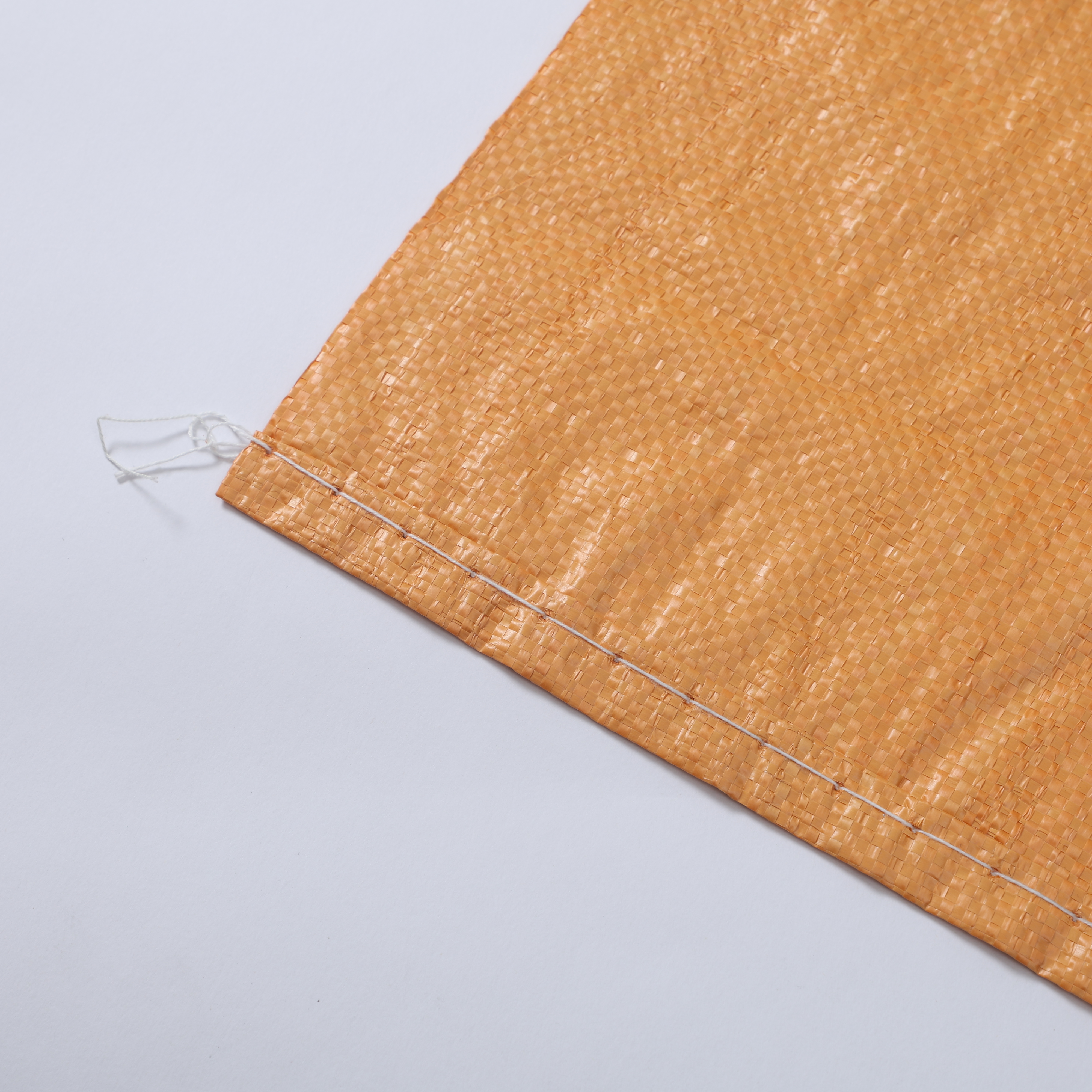
Purchasing a used bag requires careful consideration of quality and reliability. Whether sourcing recycled woven bag materials for agricultural storage, industrial applications, or logistics operations, buyers face a critical decision: invest in inspected units or accept the lower cost of uninspected inventory. This choice directly impacts operational efficiency, product safety, and bottom-line profitability. The distinction between inspected and uninspected used bags shapes your supply chain resilience and risk exposure across multiple dimensions.
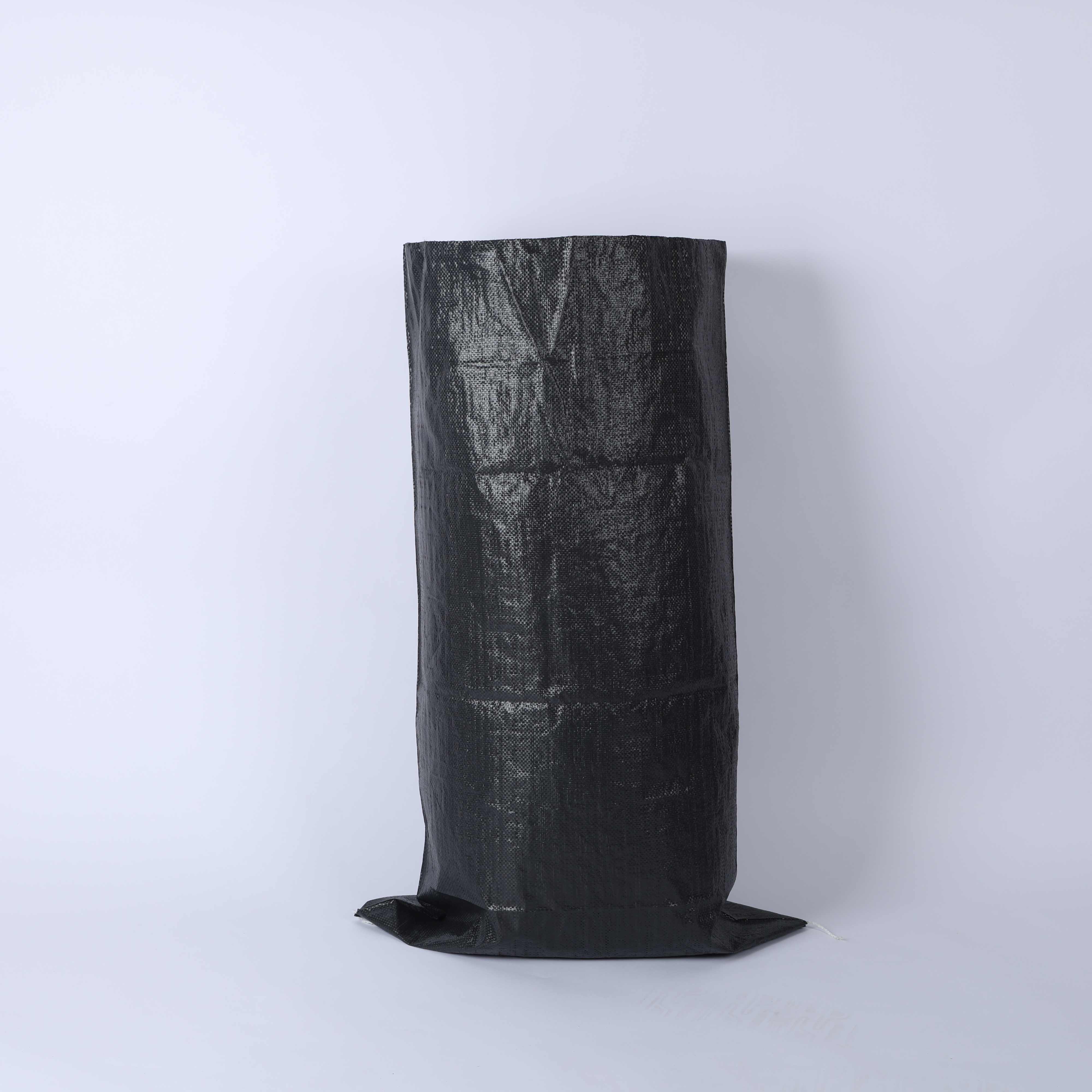
The market for secondhand pp bag and reused packaging bag solutions continues to expand as businesses seek cost efficiency without sacrificing performance. However, uninspected inventory introduces hidden variables that create downstream complications. Tears, contamination, weakened seams, chemical residue, and structural degradation may not surface until bags enter active service. By contrast, an inspected used pp sack undergoes systematic quality verification, reducing unexpected failures and enabling predictable logistics planning. Understanding these risk differentials helps procurement teams make informed sourcing decisions aligned with operational requirements.
An inspected recycled woven bag passes through documented quality gates that evaluate physical condition, chemical compatibility, and functional durability. Each used bag is assessed for seam integrity, material thickness, fabric weave consistency, and freedom from holes or punctures. Inspectors verify that previous contents pose no contamination risk to new applications. This systematic evaluation transforms secondhand pp bag sourcing from a gamble into a managed procurement practice. Documentation supporting inspected inventory provides traceability and accountability, critical factors in regulated industries and supply chain audits.
Uninspected used pp sack purchases eliminate quality verification steps, creating exposure to multiple failure modes. Previous use may have compromised bag structural integrity through repeated handling, storage stress, or chemical exposure that leaves no visible trace. A secondhand pp bag arriving without inspection documentation lacks baseline assurance regarding prior contents, storage conditions, or handling history. When these uninspected bags enter production lines or storage facilities, failures cascade unpredictably. Contamination transfer, unexpected tearing during filling, or seam separation during transport disrupts schedules and damages brand reputation. The apparent cost savings from uninspected used bag acquisition evaporates when replacement expenses, operational delays, and customer service costs accumulate.
Buyers selecting uninspected reused packaging bag inventory absorb multiple concealed expenses. Receiving departments must dedicate staff time to secondary quality checks, effectively creating inspection capacity in-house rather than relying on supplier verification. When failures occur during material handling, filling, or transportation, downtime costs multiply rapidly. A contaminated batch of reused packaging bag units may require disposal rather than productive use, representing total loss. Customer complaints triggered by bag failure generate service costs, replacement shipments, and potential contract penalties. Over a fiscal year, the cumulative impact of uninspected used pp sack failures frequently exceeds the initial purchase discount by significant margins.
Inspected used bag sourcing enables supply chain planners to forecast performance accurately and allocate resources efficiently. Quality documentation supports predictive modeling for failure rates, replacement scheduling, and inventory buffer calculations. Teams can confidently integrate recycled woven bag materials into automated systems without defensive redundancy. Uninspected secondhand pp bag purchasing introduces uncertainty that forces planners to maintain excess safety stock, reducing warehouse efficiency and tying up capital. The psychological burden of uncertainty around uninspected reused packaging bag performance also elevates stress on operations teams and creates decision friction when urgent sourcing decisions arise. Inspected inventory removes these hidden operational burdens and enables leaner, more confident supply chain execution.
Many industries enforce strict material sourcing standards that implicitly favor inspected used bag documentation. Food processing, pharmaceuticals, and chemical storage applications demand proof that containers pose zero contamination risk from prior contents. An uninspected used pp sack may be unsuitable for these regulated applications entirely, regardless of actual condition. Export markets increasingly require certifications confirming that reused packaging bag materials meet established hygiene, structural, and traceability standards. Inspection documentation satisfies these requirements; uninspected secondhand pp bag purchases cannot. Choosing inspected inventory aligns procurement with regulatory expectations and prevents disqualification during audit cycles.
Product failure attributed to substandard recycled woven bag materials damages business reputation and customer confidence disproportionately. Buyers recognize that uninspected used bag sourcing represents a quality corner-cutting decision, even if not explicit policy. If customer products experience damage or contamination traced to reused packaging bag failure, the reputation cost extends beyond immediate financial loss. Inspected used pp sack procurement demonstrates commitment to quality oversight and responsible sourcing practices. This messaging differentiates operations as reliable and professional within competitive markets. The brand equity preserved through inspected inventory selection often outweighs short-term purchase savings substantially.
Inspections detect seam separation, punctures, delamination, weak areas in the fabric weave, chemical staining, mold or contamination residue, and structural degradation from previous use. Quality inspectors also verify that the used bag weight matches specifications and that material composition remains suitable for intended applications. Reinspected used pp sack units document these findings formally, creating accountability and enabling informed procurement decisions.
Uninspected used bags may serve non-critical applications with built-in failure tolerance, such as temporary storage or internal logistics where occasional bag compromise creates minimal disruption. However, for applications involving customer-facing product storage, export shipment, regulated industry use, or critical material handling, uninspected reused packaging bag sourcing introduces unacceptable risk. The cost differential rarely justifies the operational exposure for businesses with serious supply chain accountability.
Inspected recycled woven bag materials typically cost 15–25% more than uninspected secondhand pp bag inventory, reflecting quality verification labor and documentation overhead. This premium is frequently recovered through elimination of replacement costs, reduced downtime, and prevention of failure-related expenses. For high-volume users or businesses with strict quality requirements, inspected used pp sack sourcing represents optimal total-cost-of-ownership when all operational factors are considered.

Discover the 4 critical production metrics—throughput, defect rate, equipment uptime & on-time delivery—to vet factories confidently.

Ensure regulatory compliance & worker safety with proven methods for chemical woven bags—material selection, labeling, storage & training.

Discover the full PP woven bag manufacturing workflow—from extrusion & weaving to printing & QC. Boost efficiency, compliance & ROI. Download the process guide now.

Struggling with weak bags or high material waste? Master extrusion and tape drawing tech for stronger, cheaper PP woven bags. Optimize your production line now.

Struggling with defects or customer returns? Discover the 5 non-negotiable quality checkpoints across your woven bag production line
Which automation tier is right for your PP woven bag factory? Compare manual to Industry 4.0 systems for cost, quality, and scalability.
Get in touch for details on polypropylene woven bags and flexible packaging solutions.
Tel
Address
No.2015, Liaoyuan Building, Lanshan District, Linyi City, Shandong Province.China

