 EN
How to Assess Production Efficiency at a PP Woven Bag Factory
Discover the 4 critical production metrics—throughput, defect rate, equipment uptime & on-time delivery—to vet factories confidently.

2026/08/12
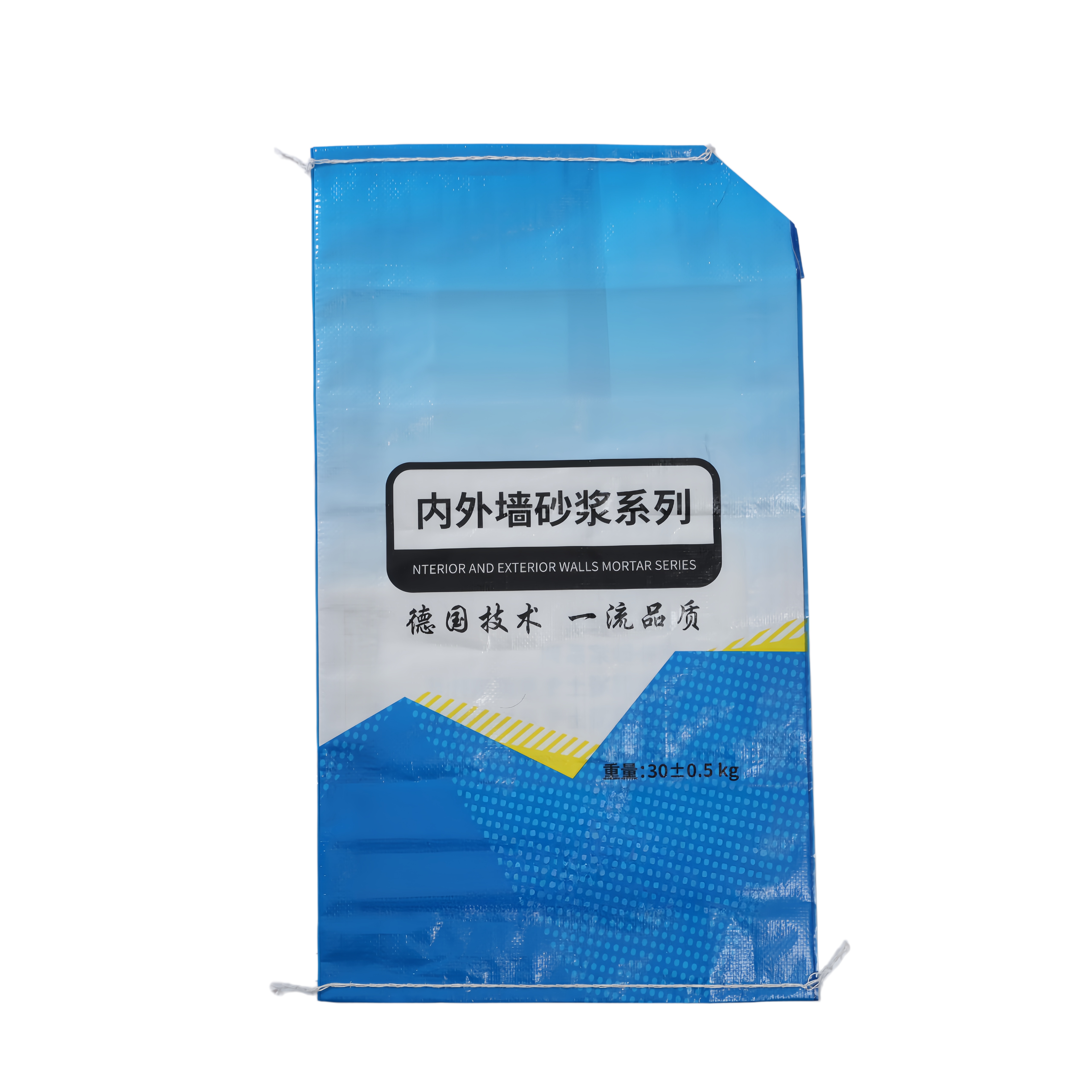
Choosing the right cement bag is critical for construction site efficiency, material preservation, and cost management. Two dominant options dominate the global market: kraft laminated bags and PP woven sacks. Each delivers distinct advantages and trade-offs that directly impact project timelines, material quality, and budget outcomes. Understanding these differences ensures you select the optimal heavy duty cement bag for your specific operational requirements.
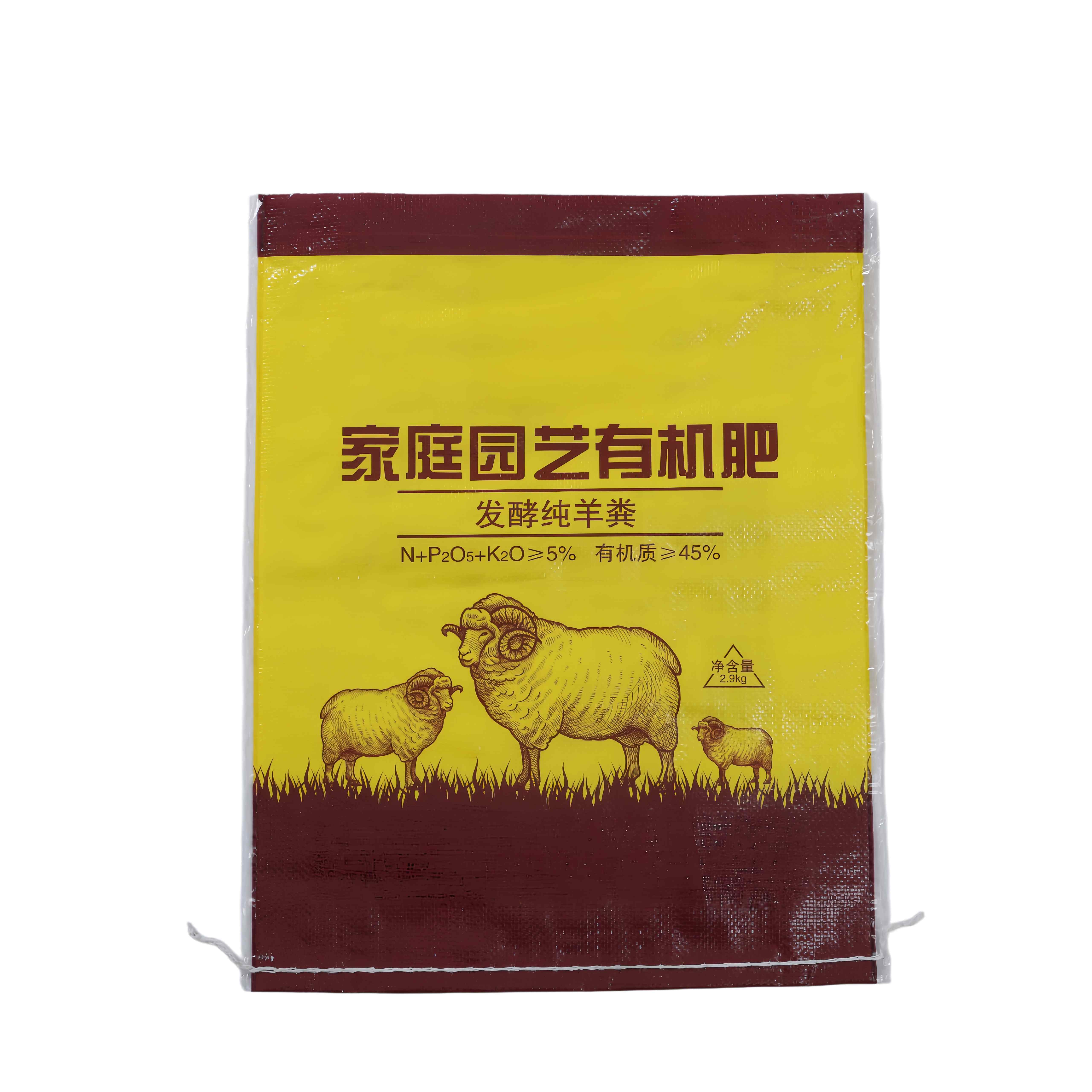
Construction managers and procurement teams face increasing pressure to balance performance with cost efficiency. A building material bag that fails prematurely can compromise structural integrity and trigger expensive rework. The decision between kraft laminated and PP woven cement sacks therefore carries significant downstream consequences. This guide examines the technical, economic, and operational distinctions that separate these two proven packaging solutions.
Kraft laminated bags consist of multiple layers of kraft paper bonded with adhesive or plastic film. The construction creates a moisture-resistant barrier while maintaining breathability. This layered structure provides the cement woven bag with moderate protection against humidity and environmental stress. Kraft materials traditionally appeal to projects requiring eco-friendly credentials or markets with strong sustainability mandates. The lamination adds durability compared to single-ply kraft, though the material remains susceptible to puncture and abrasion during rough handling.
The kraft foundation offers excellent printing surface quality, enabling clear branding and regulatory labeling. This characteristic makes kraft laminated options popular for premium cement brands targeting specific market segments. However, the adhesive layers can degrade under extreme heat or prolonged moisture exposure, reducing the effective service life in demanding tropical or coastal environments.
PP woven sacks use polypropylene filaments woven into a dense fabric structure, typically reinforced with additional plastic coatings. The pp cement sack delivers superior tear resistance and puncture strength compared to kraft alternatives. The woven matrix provides consistent structural integrity even when subjected to rough handling, stacking pressure, or sharp contact. Heavy duty cement bag configurations using this technology maintain shape and seal integrity throughout extended storage and transportation cycles.
The polypropylene composition provides inherent moisture barrier properties without requiring separate lamination. This single-material approach simplifies manufacturing and reduces production costs while delivering predictable long-term performance. PP woven bags maintain functional integrity across extreme temperature ranges, making them ideal for construction sites in harsh climates or challenging logistics networks.
Kraft laminated cement bags offer moderate moisture resistance when properly stored in dry conditions. The lamination process creates a reasonable barrier, though the kraft substrate remains hygroscopic to some degree. In humid environments, kraft materials can absorb ambient moisture, potentially compromising cement hydration properties and reducing product shelf life. Construction sites in tropical regions or coastal areas often experience performance degradation with kraft options beyond 6 to 8 weeks storage.
PP woven cement sacks provide superior moisture isolation without environmental variability concerns. The polypropylene material resists water penetration effectively, maintaining cement properties even in saturated air conditions. Heavy duty cement bag specifications using PP woven technology ensure extended shelf life, often supporting 12 weeks or longer of reliable storage. This performance advantage translates directly to reduced material waste and improved project economics on long-duration construction initiatives.
Kraft laminated building material bags demonstrate moderate toughness but remain vulnerable to mechanical damage. Abrasion from rough handling, contact with sharp surfaces, or pressure from stacking can breach the laminated structure. Once the barrier is compromised, moisture infiltration accelerates rapidly. Construction sites with manual material handling or crowded storage areas often report higher loss rates with kraft options.
PP cement woven bags excel in harsh field environments. The dense polypropylene weave absorbs impact energy without tearing, and the material naturally resists abrasion from construction equipment and rough ground surfaces. Heavy duty cement bag applications consistently demonstrate lower damage rates and material loss across diverse project conditions. This durability advantage justifies premium pricing in operations where material waste directly impacts profitability.
Kraft laminated bags typically offer lower purchase prices per unit, reflecting simpler manufacturing processes and lower raw material costs. On small projects or budget-constrained work, the per-unit price advantage can be significant. However, this calculation ignores downstream losses and handling inefficiencies. A cement woven bag alternative may reduce total project costs despite higher per-unit pricing if waste rates decline substantially.
PP woven sacks command premium pricing that reflects superior material properties and manufacturing complexity. Large-scale construction operations increasingly justify this investment by calculating total cost of ownership rather than simple purchase price. When waste reduction, extended shelf life, and reduced rework are quantified, the pp cement sack economics often prove superior for high-volume projects spanning multiple months.
Material handling costs increase with kraft laminated options due to higher damage rates requiring replacement purchases and environmental-related spoilage. Storage infrastructure must account for shorter effective shelf life, driving more frequent material turnover. Building material bag disposal and waste management add further economic burden when kraft materials fail prematurely.
Heavy duty cement bag solutions using PP woven technology reduce these hidden costs substantially. Lower damage rates and extended shelf life decrease material replacement purchases. Improved stacking efficiency and simplified storage requirements lower infrastructure demands. For projects requiring 200,000 bags or more, these operational advantages often exceed the initial price premium, delivering measurable return on investment through the project lifecycle.
Small-scale residential projects with short timelines and modest volume requirements may find kraft laminated cement bags adequate if environmental conditions remain favorable. Quick turnover minimizes exposure to moisture damage and storage-related issues. However, even modest projects benefit from the reliability and reduced waste of PP woven alternatives when budgets permit.
Large commercial and infrastructure projects increasingly demand the performance consistency of pp cement sacks. Extended project timelines, high material volumes, and complex logistics networks create environments where kraft laminated options struggle. Heavy duty cement bag specifications using polypropylene technology provide the operational stability these ambitious projects require. Construction managers overseeing infrastructure, industrial, or multi-phase residential work should prioritize PP woven solutions.
Geographic location significantly influences the kraft versus PP decision. Temperate climates with moderate humidity and controlled seasonal variation favor kraft laminated bags when cost sensitivity drives purchasing decisions. Conversely, tropical, coastal, or desert environments with extreme humidity, salt air, or temperature fluctuations demand superior moisture barrier properties. In these conditions, cement woven bag alternatives deliver essential protection that kraft materials cannot reliably provide.
Storage infrastructure capabilities also factor into material selection. Projects with air-conditioned material warehouses can manage kraft laminated risks more effectively than open-air storage facilities. When site conditions require exposed storage or extended environmental exposure, the moisture resistance of pp cement sacks becomes essential to maintaining material integrity and preventing costly project delays.
PP woven bags use a dense polypropylene weave structure that resists tearing, puncture, and abrasion far more effectively than laminated kraft paper. The material properties remain consistent across temperature ranges and moisture exposure conditions. A heavy duty cement bag manufactured from PP woven materials maintains structural integrity throughout rough handling, stacking pressure, and environmental stress that often compromises kraft laminated alternatives.
Kraft laminated materials use paper-based substrates that biodegrade more readily than polypropylene, supporting sustainability goals in certain contexts. However, the lamination adhesives and plastic coatings complicate end-of-life recycling. PP woven bags, while plastic-based, often deliver superior environmental economics through reduced material waste, extended product life, and improved recycling compatibility. Evaluating true environmental impact requires comprehensive lifecycle analysis beyond material composition alone.
Kraft laminated bags can satisfy heavy duty requirements in favorable conditions with proper storage and careful handling protocols. However, true heavy duty cement bag performance, particularly for extended project durations or challenging environmental conditions, is most reliably achieved with pp cement sack technology. When projects demand predictable durability and minimal material waste across diverse field conditions, PP woven construction provides the consistent performance that heavy duty specifications require.

Discover the 4 critical production metrics—throughput, defect rate, equipment uptime & on-time delivery—to vet factories confidently.

Ensure regulatory compliance & worker safety with proven methods for chemical woven bags—material selection, labeling, storage & training.

Discover the full PP woven bag manufacturing workflow—from extrusion & weaving to printing & QC. Boost efficiency, compliance & ROI. Download the process guide now.

Struggling with weak bags or high material waste? Master extrusion and tape drawing tech for stronger, cheaper PP woven bags. Optimize your production line now.

Struggling with defects or customer returns? Discover the 5 non-negotiable quality checkpoints across your woven bag production line
Which automation tier is right for your PP woven bag factory? Compare manual to Industry 4.0 systems for cost, quality, and scalability.
Get in touch for details on polypropylene woven bags and flexible packaging solutions.
Tel
Address
No.2015, Liaoyuan Building, Lanshan District, Linyi City, Shandong Province.China

