 EN
How to Assess Production Efficiency at a PP Woven Bag Factory
Discover the 4 critical production metrics—throughput, defect rate, equipment uptime & on-time delivery—to vet factories confidently.

2026/09/07
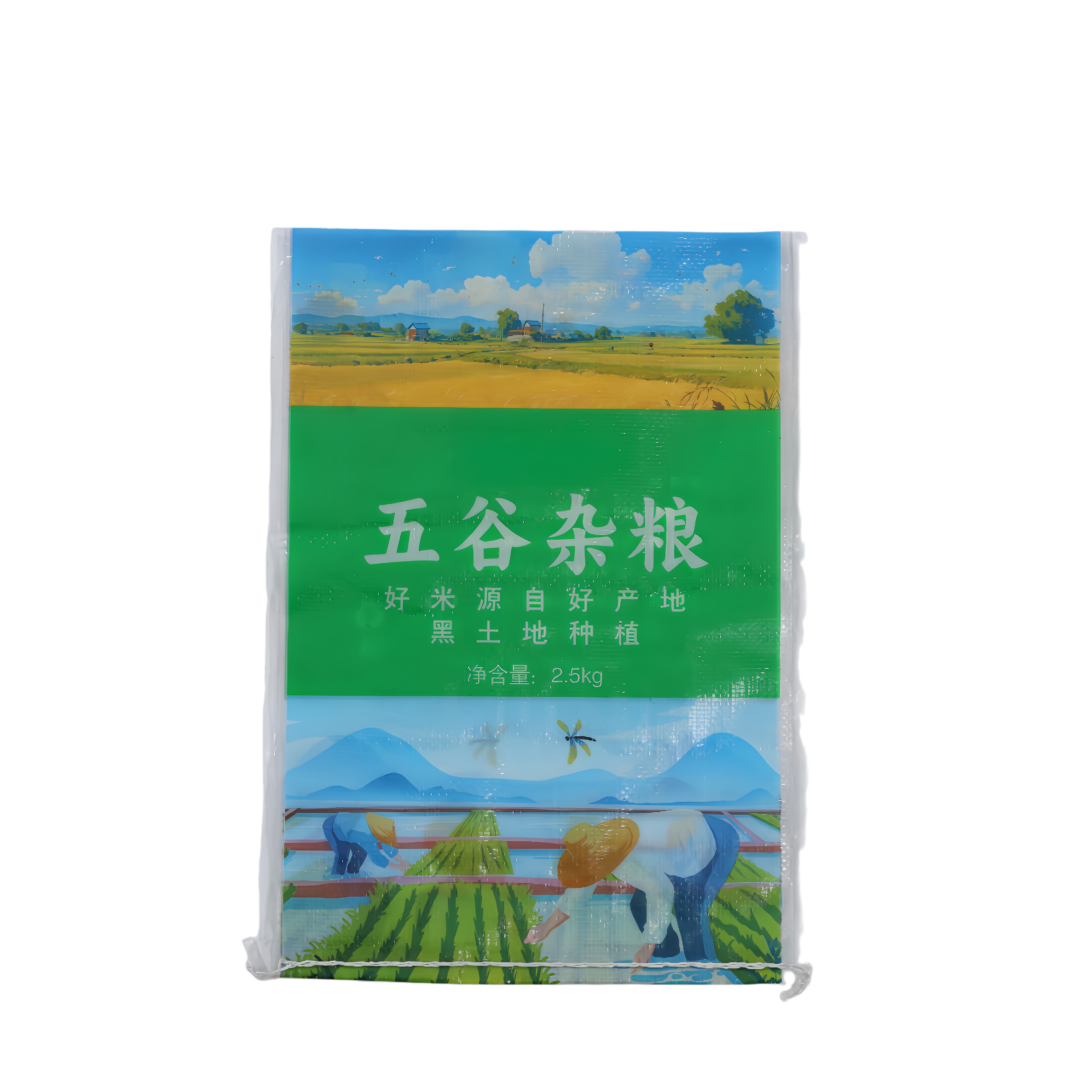
Choosing the right fertilizer bags requires understanding how different protective technologies perform under real-world storage conditions. Chemical resistance is critical in agricultural fertilizer packaging because moisture, salt, acidity, and reactive compounds in fertilizers can degrade traditional woven materials, leading to product loss, contamination, and regulatory violations. Both laminated and coated solutions offer distinct advantages, but they work differently and suit different operational scenarios.
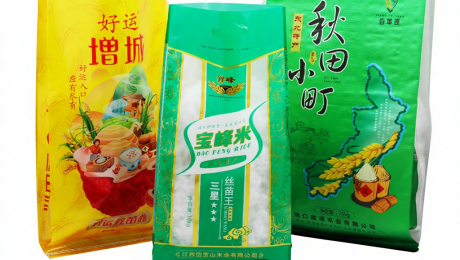
The distinction between laminated and coated protection directly impacts durability, shelf life, and cost-effectiveness. A pp fertilizer sack with lamination uses a bonded plastic layer fused to the woven substrate, creating a permanent barrier against moisture and chemical penetration. Coated bags, by contrast, apply a surface layer that adheres to the fabric but operates as a protective film. Both approaches exceed standard woven bag performance, yet they introduce trade-offs in flexibility, repairability, and environmental processing that matter to logistics managers and end-users alike.
A laminated fertilizer woven bag integrates a polypropylene or polyethylene film directly into the woven fabric during manufacturing. This fusion creates a composite material where the plastic layer becomes integral to the bag structure, not merely applied to its surface. The lamination process results in consistent thickness and bond strength across the entire bag, eliminating weak points where chemicals might penetrate. Agricultural fertilizer packaging using lamination typically achieves superior resistance to moisture vapor transmission, making it ideal for hygroscopic fertilizer products that absorb atmospheric water and degrade rapidly.
Chemical compatibility is a primary strength of laminated bags. Acidic fertilizers, urea derivatives, potassium chloride, and ammonium nitrate all present different corrosive profiles. The laminated barrier seals the woven fibers from direct contact with these compounds, significantly extending product shelf life. The bond between the plastic layer and woven substrate is permanent, so the protection does not diminish over time from abrasion or temperature cycling during storage and transport. This consistency makes laminated agricultural fertilizer packaging predictable in field conditions where temperature swings, humidity fluctuations, and rough handling are routine.
Long-term storage scenarios favor laminated pp fertilizer sack designs because the sealed fiber structure resists both internal chemical vapor and external moisture ingress simultaneously. In warehouses with seasonal humidity peaks, laminated bags maintain product integrity far longer than standard woven alternatives. The lamination also provides puncture resistance superior to coated bags, reducing spillage from minor damage during stacking and mechanical handling. For operations storing fertilizer products for three to six months or longer, the investment in laminated fertilizer woven bag technology typically yields lower replacement rates and less product waste.
Coated fertilizer storage bags apply a protective polymer film to the surface of pre-woven material, creating a barrier layer that sits atop the fabric rather than integrating with it. The coating adheres through mechanical bonding or chemical adhesion, forming a flexible membrane that moves with the underlying woven structure. This design allows coated bags to remain highly flexible and easy to fold or compress, unlike some laminated variants that can become rigid. Agricultural fertilizer packaging using coating technology offers faster production cycles and lower initial material costs, making this approach attractive for high-volume operations or price-sensitive markets.
The initial chemical protection provided by coated bags is robust. A quality coating blocks moisture vapor transmission effectively and resists penetration by common fertilizer chemicals during the first months of use. The coating layer creates a smooth surface that reduces dust loss and contains minor leaks from micro-perforations. For products transported and stored under controlled conditions, coated agricultural fertilizer packaging performs reliably and maintains acceptable product quality. However, the surface-applied nature of the coating means performance depends on coating thickness uniformity and adhesion consistency, which introduces variability in batch-to-batch protection levels.
One critical limitation of coated fertilizer woven bags is coating degradation over time. Extended exposure to sunlight, mechanical flexing during repeated filling and handling, and chemical migration through micro-cracks gradually compromise the protective film. Unlike laminated construction where the plastic layer remains integral to the fabric, a coated layer can separate, crack, or wear through from friction against storage surfaces or stacking pressure. The adhesion between coating and woven substrate weakens as the pp fertilizer sack ages, particularly in high-humidity environments where moisture penetration at the coating edges accelerates separation. For storage durations exceeding six months or in challenging climatic zones, coated bags often show measurable protection loss compared to their laminated counterparts.
Environmental stress accelerates coated bag degradation more dramatically than laminated bags. Temperature cycling causes differential expansion and contraction between the coating film and woven substrate, creating mechanical stress at the interface. Abrasion from rough storage surfaces or aggressive handling equipment can scuff or puncture the coating layer, exposing the unprotected woven fibers beneath to chemical and moisture attack. This vulnerability makes coated agricultural fertilizer packaging less suitable for demanding logistics environments or extended outdoor storage, where laminated fertilizer woven bag performance remains superior.
The financial decision between laminated and coated fertilizer bags depends on storage duration, volume handled, and acceptable product loss rates. Coated pp fertilizer sacks offer lower upfront material and production costs, typically 15 to 30 percent less than laminated equivalents. For short-term campaigns or rapid product turnover where bags are filled, shipped, and used within two to three months, coated bags deliver acceptable chemical resistance at lower cost. The lower price per unit allows operations to maintain larger inventory reserves without proportional budget increases. However, if product losses from premature bag failure accumulate across a season, the cost savings evaporate and laminated options become economically superior despite higher per-unit pricing.
Laminated agricultural fertilizer packaging justifies premium pricing when long-term storage is essential or when products are stored in high-risk environments. Reduced spoilage, lower replacement rates, and the ability to reach distant markets without accelerated product degradation compound the value proposition. For premium fertilizer formulations, specialty nutrient blends, or regional markets with long supply chains, laminated fertilizer woven bag investment protects both product quality and brand reputation. Operations should calculate the total cost of ownership by comparing bag cost, replacement frequency, product loss rates, and customer satisfaction outcomes rather than focusing solely on per-bag pricing.
Storage environment characteristics should heavily influence your choice between laminated and coated bags. Climate-controlled warehouses with stable temperature and humidity favor coated bags because environmental stress remains minimal and coating degradation slows significantly. Tropical regions, coastal areas with salt-laden air, or high-altitude locations with extreme temperature swings demand laminated construction to ensure consistent protection. Operations exporting to markets with extended shipping times or unfavorable storage conditions should prioritize laminated agricultural fertilizer packaging to guarantee product arrival in saleable condition. Consider also your handling practices: operations using mechanical loaders, drop-testing, or aggressive stacking benefit from the superior puncture resistance and abrasion durability of laminated pp fertilizer sacks.
Laminated fertilizer bags fuse a plastic layer permanently into the woven fabric during manufacturing, creating an integral composite material. Coated bags apply a protective polymer film to the surface after weaving, creating an adhesive layer that sits atop the woven fibers. This structural difference means laminated bags maintain consistent protection throughout their lifespan, while coated bags may experience coating separation or degradation over extended periods.
Laminated fertilizer woven bags maintain reliable chemical protection for six months to one year or longer, depending on specific fertilizer chemistry and storage conditions. Coated pp fertilizer sacks typically provide consistent protection for two to four months, with performance declining as the coating interface weakens. Climate, humidity, and handling intensity significantly influence these timelines, so actual performance varies by operational context and product formulation.
Yes, laminated agricultural fertilizer packaging typically costs 15 to 30 percent more per unit than coated bags due to the integrated manufacturing process and material requirements. However, total cost of ownership often favors laminated bags because reduced product losses, fewer replacement cycles, and improved storage reliability offset the higher upfront investment, especially for long-term storage or challenging environments.

Discover the 4 critical production metrics—throughput, defect rate, equipment uptime & on-time delivery—to vet factories confidently.

Ensure regulatory compliance & worker safety with proven methods for chemical woven bags—material selection, labeling, storage & training.

Discover the full PP woven bag manufacturing workflow—from extrusion & weaving to printing & QC. Boost efficiency, compliance & ROI. Download the process guide now.

Struggling with weak bags or high material waste? Master extrusion and tape drawing tech for stronger, cheaper PP woven bags. Optimize your production line now.

Struggling with defects or customer returns? Discover the 5 non-negotiable quality checkpoints across your woven bag production line
Which automation tier is right for your PP woven bag factory? Compare manual to Industry 4.0 systems for cost, quality, and scalability.
Get in touch for details on polypropylene woven bags and flexible packaging solutions.
Tel
Address
No.2015, Liaoyuan Building, Lanshan District, Linyi City, Shandong Province.China

