 EN
How to Assess Production Efficiency at a PP Woven Bag Factory
Discover the 4 critical production metrics—throughput, defect rate, equipment uptime & on-time delivery—to vet factories confidently.

2026/08/14
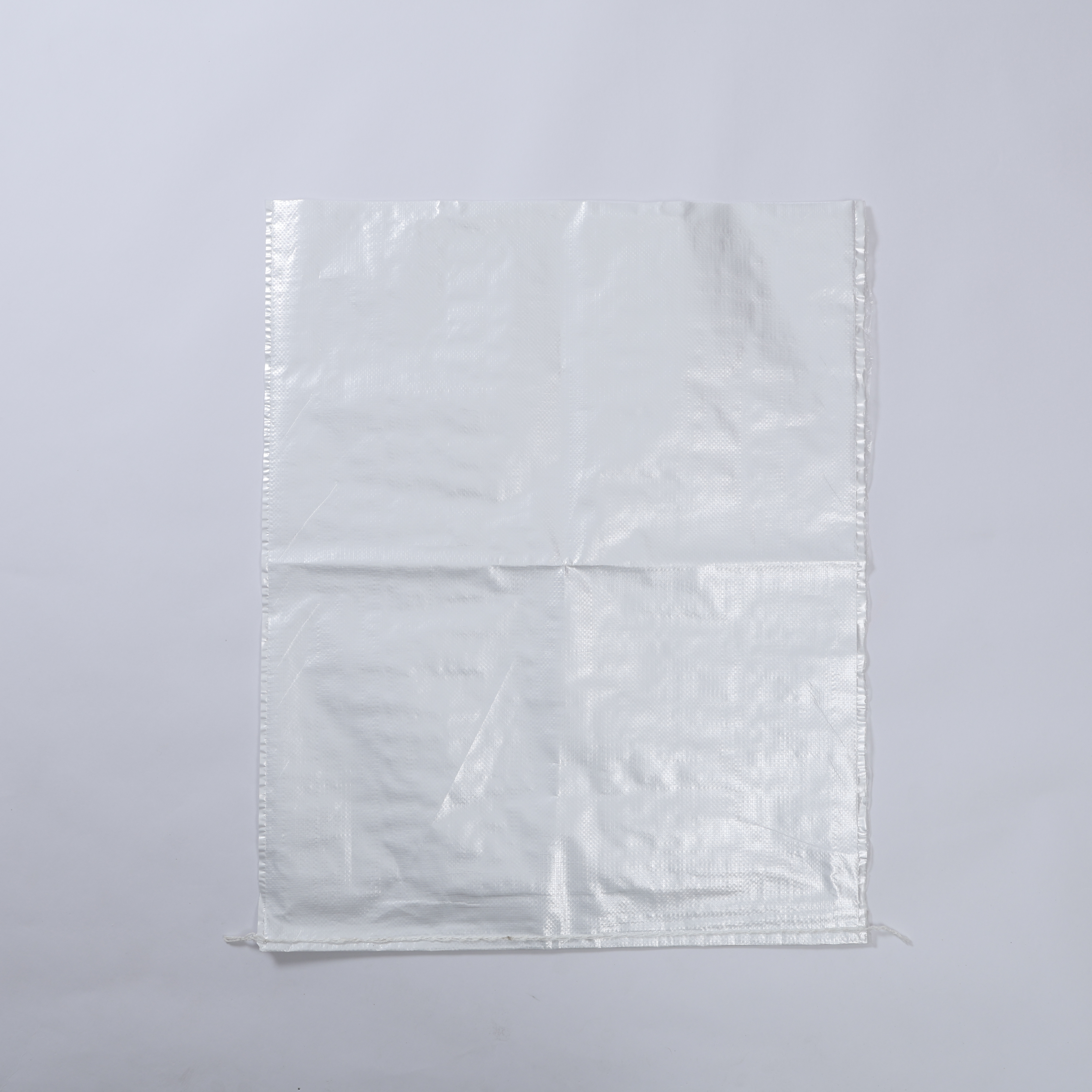
When protecting granulated or refined sugar during storage and transport, the choice between laminated and coated sugar bags fundamentally affects product quality and shelf life. Sugar bags must provide exceptional moisture barriers to prevent clumping, crystallization degradation, and microbial contamination. Understanding the performance differences between these two coating approaches is essential for manufacturers, distributors, and retailers seeking optimal sugar packaging bag solutions that maintain product integrity from production to consumer shelves.
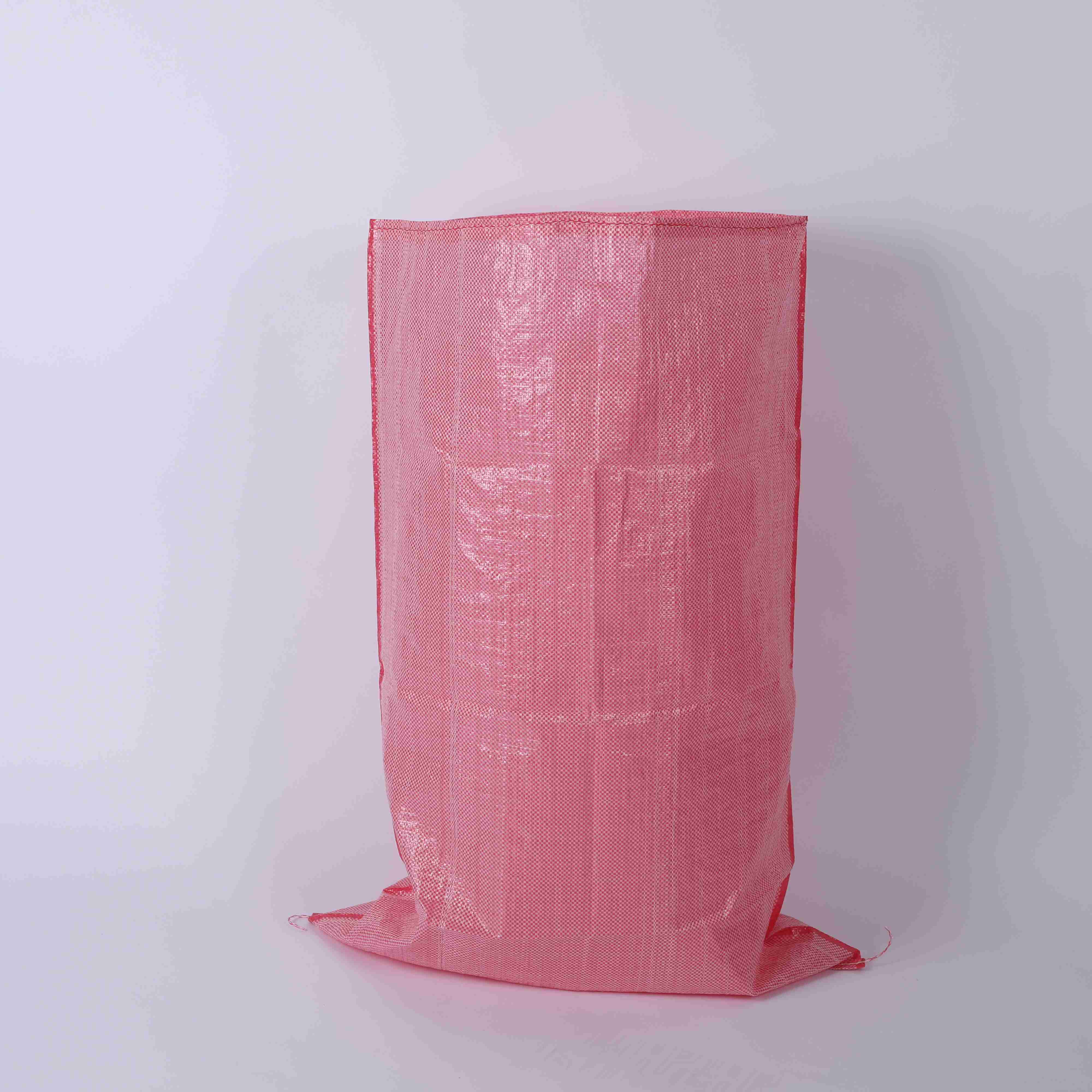
The sugar industry faces constant pressure to extend shelf stability while reducing packaging costs and environmental impact. Both laminated and coated approaches offer distinct advantages and trade-offs in moisture protection, mechanical strength, and cost efficiency. The right choice depends on storage conditions, distribution network, market expectations, and regulatory requirements specific to your sugar business.
Laminated sugar bags combine multiple material layers through adhesive bonding, creating a composite structure designed for maximum moisture resistance. Typically, manufacturers laminate kraft paper or polypropylene woven fabric with polyethylene or aluminum foil layers to form a multi-ply barrier. A pp sugar sack using lamination technology achieves moisture vapor transmission rates (MVTR) as low as 0.5–2 grams per square meter per 24 hours, providing outstanding protection in humid environments. The layering approach allows each material to contribute specific functions: the kraft or woven layer provides mechanical strength and printability, while the polyethylene or foil inner layer blocks moisture penetration and oxygen ingress.
Laminated sugar packaging bags excel in high-humidity climates, extended storage periods exceeding six months, and tropical or subtropical distribution regions. The sealed laminate construction prevents moisture from migrating into the sugar even when exposed to relative humidity levels above 80%. These bags maintain structural integrity during rough handling because the layer bonding distributes mechanical stress across the composite material. However, laminated structures typically cost 15–25% more than coated alternatives and generate higher post-consumer waste streams because the adhesive bonding complicates recycling. A sugar woven bag with lamination also requires specialized manufacturing equipment, longer production cycles, and stricter quality control to prevent delamination during transport or storage.
Coated sugar bags apply a thin, continuous polymer layer directly onto the surface of kraft, woven polypropylene, or paper substrates through extrusion coating or curtain coating methods. The coating bonds chemically with the substrate material, creating a single integrated barrier rather than discrete adhesive-bonded layers. Food grade packaging bag manufacturers typically use polyethylene or polypropylene coatings applied in thicknesses of 15–50 microns to achieve moisture protection. This approach delivers MVTR performance ranging from 3–8 grams per square meter per 24 hours, which is adequate for most temperate-climate applications but less effective in extremely humid conditions. The coating process is faster and more cost-efficient than lamination because it requires fewer material components and simpler equipment configurations.
Coated sugar bags offer significant economic advantages, typically costing 8–15% less than laminated alternatives while maintaining reasonable moisture protection for moderate-duration storage. The single-layer coating approach simplifies recycling because the polymer layer can be separated or processed alongside the substrate material with minimal additional complexity. Food grade packaging bag designs with coatings also enable faster production cycles, allowing manufacturers to respond quickly to market demand fluctuations and custom print orders. The main limitation is moisture barrier performance: coated bags perform less reliably in high-humidity environments or when sugar must remain shelf-stable for extended periods. Mechanical stress during rough handling can occasionally create micro-cracks in the coating layer, reducing barrier effectiveness over time. Coated pp sugar sack designs also tend to generate higher permeation rates if the coating thickness varies across the bag surface.
Laboratory testing shows laminated sugar bags maintain moisture barriers superior to coated alternatives across the entire typical storage lifecycle. Independent moisture transmission testing reveals laminated structures retain 85–95% of their barrier effectiveness even after exposure to temperature cycling, mechanical flexing, and humidity fluctuations. Coated bags maintain 70–80% effectiveness under identical stress conditions, with performance declining more rapidly as the coating experiences cumulative mechanical wear. For products stored in climate-controlled warehouses with moderate humidity (40–60% relative humidity), coated bags provide acceptable protection at lower cost. For exports to tropical regions, long-term bulk storage in agricultural settings, or applications requiring 12+ month shelf stability, laminated designs deliver measurably superior protection and justify the higher investment.
The economic decision between laminated and coated sugar packaging bag solutions depends on your target market, distribution geography, and brand positioning. Regional distributors serving temperate climates with predictable storage conditions often specify coated designs to optimize margin while meeting customer expectations for adequate moisture protection. Premium sugar brands targeting international markets or emphasizing extended shelf life frequently invest in laminated structures because the superior protection justifies the cost premium and reduces product loss risk. A pp sugar sack for bulk industrial applications may use coating for cost efficiency, while consumer-facing packages for specialty or premium sugar often employ lamination for competitive differentiation. Environmental considerations increasingly influence this decision as well: coated bags offer somewhat better recyclability in many jurisdictions, while laminated designs require developing specialized processing infrastructure.
Laminated sugar bags typically achieve moisture vapor transmission rates of 0.5–2 g/m²/24h, while coated alternatives range from 3–8 g/m²/24h under standard testing conditions. Laminated designs maintain superior barrier effectiveness throughout the entire storage lifecycle, especially in humid environments above 70% relative humidity. For applications requiring maximum protection or extended shelf life exceeding six months, laminated barriers consistently outperform coated structures by maintaining lower overall moisture ingress.
Coated sugar woven bags provide acceptable short-term protection in tropical climates if storage duration remains under four months and warehouse conditions include climate control. For extended export supply chains, bulk agricultural storage, or markets lacking climate control infrastructure, laminated designs deliver more reliable moisture protection and reduce product loss risk. The higher cost of laminated sugar bags is often justified by preventing moisture damage to exported products in high-humidity tropical ports and warehouses.
Coated food grade packaging bags generally simplify recycling because the polymer coating can be processed with the substrate material through standard plastic film recycling streams. Laminated structures present greater recycling complexity because adhesive bonding and multi-layer composition require specialized separation and processing equipment. Many regions continue developing better recycling infrastructure for laminated designs, so coated bags currently offer simpler end-of-life environmental management in most jurisdictions.

Discover the 4 critical production metrics—throughput, defect rate, equipment uptime & on-time delivery—to vet factories confidently.

Ensure regulatory compliance & worker safety with proven methods for chemical woven bags—material selection, labeling, storage & training.

Discover the full PP woven bag manufacturing workflow—from extrusion & weaving to printing & QC. Boost efficiency, compliance & ROI. Download the process guide now.

Struggling with weak bags or high material waste? Master extrusion and tape drawing tech for stronger, cheaper PP woven bags. Optimize your production line now.

Struggling with defects or customer returns? Discover the 5 non-negotiable quality checkpoints across your woven bag production line
Which automation tier is right for your PP woven bag factory? Compare manual to Industry 4.0 systems for cost, quality, and scalability.
Get in touch for details on polypropylene woven bags and flexible packaging solutions.
Tel
Address
No.2015, Liaoyuan Building, Lanshan District, Linyi City, Shandong Province.China

