 EN
How to Assess Production Efficiency at a PP Woven Bag Factory
Discover the 4 critical production metrics—throughput, defect rate, equipment uptime & on-time delivery—to vet factories confidently.

2026/08/11
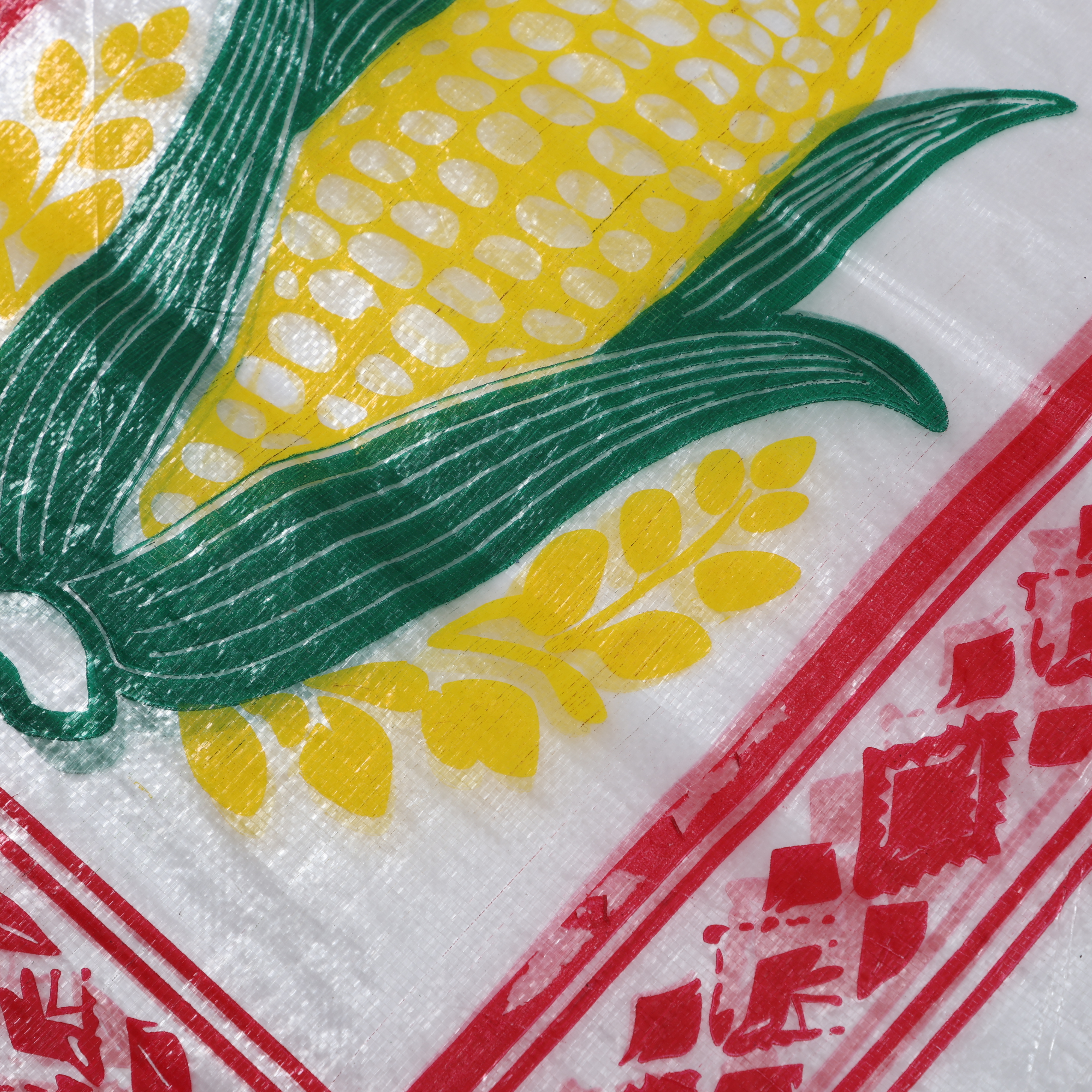
Selecting the right rice bag for retail grain storage requires understanding the fundamental differences between laminated and non-laminated options. Each type of rice packaging bag serves distinct operational needs, cost structures, and shelf-life requirements. The choice between these solutions directly impacts product protection, customer perception, and overall profitability in grain retail operations.
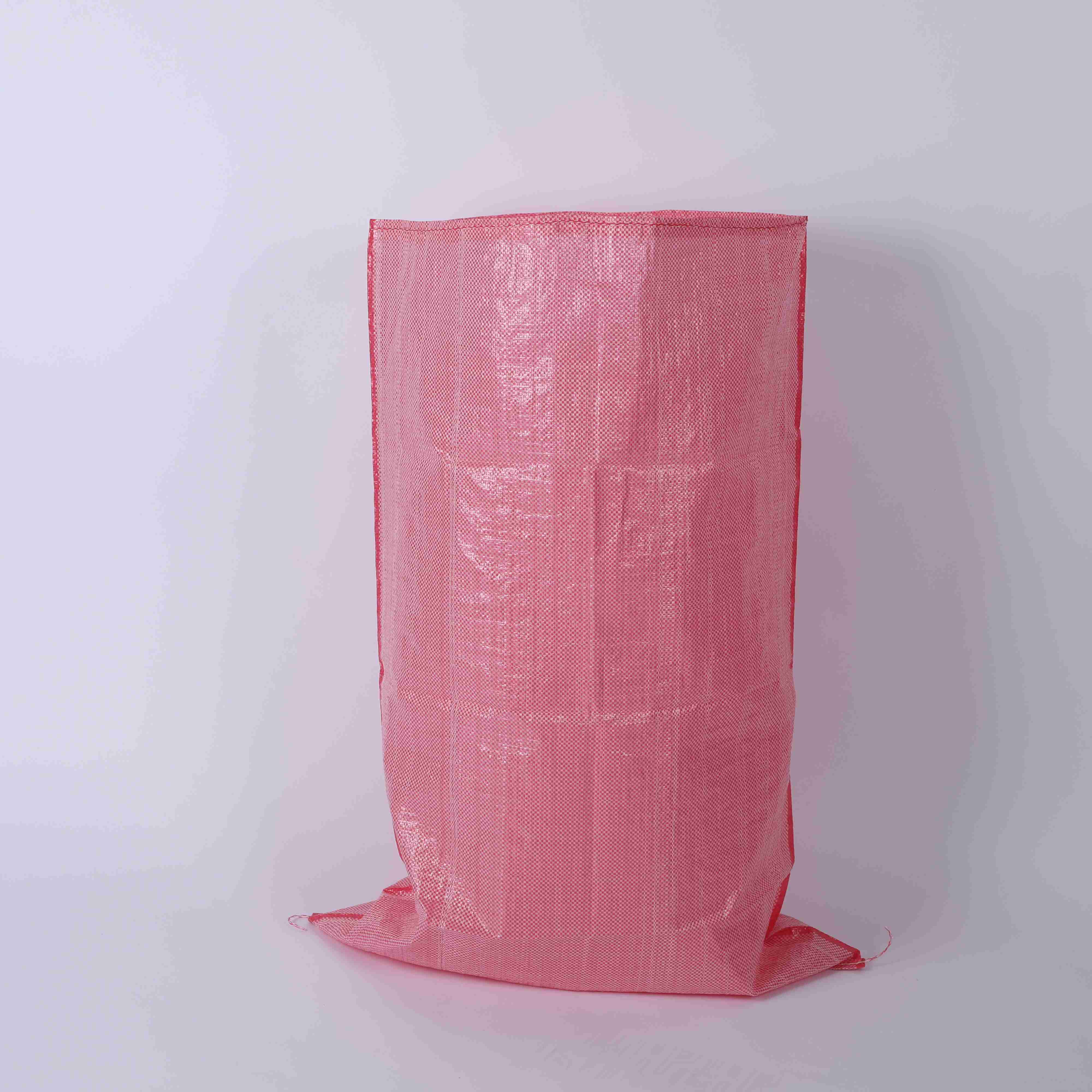
Understanding the specific advantages and limitations of each rice packaging bag type enables retailers to make data-driven decisions aligned with their market positioning, storage infrastructure, and customer expectations. Both laminated and non-laminated solutions play critical roles in grain packaging strategy, and the optimal choice depends on precise operational parameters rather than blanket industry recommendations.
Laminated rice bags combine polypropylene woven fabric with specialized polymer coating layers, creating a multi-barrier defense system. The lamination process bonds these materials chemically, producing a rice bag with enhanced moisture resistance and superior puncture durability. This construction method reduces oxygen permeability, extending shelf life significantly compared to non-laminated alternatives in humid environments.
The lamination layers typically consist of polyethylene or polypropylene films applied to both internal and external woven surfaces. This rice woven bag configuration creates a sealed microenvironment that protects grain contents from atmospheric moisture absorption and external contaminants. Retail operations benefit from extended shelf-life claims and reduced product loss, though lamination adds manufacturing complexity and material cost.
Non-laminated rice packaging bags rely solely on woven polypropylene fabric without additional polymer coatings. These pp rice sack bags maintain breathability while providing baseline structural integrity through tight weaving density and yarn strength. The absence of lamination results in simpler manufacturing, lower material consumption, and reduced production time per grain storage bag.
Non-laminated designs allow natural air circulation, which prevents condensation buildup inside the pp rice sack when stored in well-ventilated facilities. This characteristic makes them suitable for shorter storage durations and climate-controlled retail environments. The woven structure remains durable for standard handling but lacks the advanced barrier protection of laminated alternatives.
Laminated rice packaging bags excel in humid climates where atmospheric moisture poses a significant threat to grain quality. The polymer coating layers create a vapor barrier that reduces moisture transmission rates by 60–80% compared to non-laminated grain storage bag options. This capability extends shelf life by weeks or months, particularly valuable for retailers managing seasonal inventory or geographic markets with high humidity.
Non-laminated grain storage bags perform adequately in controlled retail environments but require active climate management to prevent moisture infiltration. In high-humidity regions or outdoor storage scenarios, moisture absorption increases significantly, potentially compromising product quality and reducing marketable shelf life. Retailers operating in tropical or coastal climates typically favor laminated solutions despite the added cost.
Laminated pp rice sack bags demonstrate superior puncture resistance and tear propagation control due to the polymer coating's reinforcing effect. The internal lamination layer strengthens the weave structure, reducing damage from sharp grain kernels, rough handling, and abrasive storage surfaces. Retail operations report 15–25% fewer damaged bags during distribution and shelf storage with laminated designs.
Non-laminated rice woven bag designs remain robust for standard retail handling but show increased vulnerability to punctures and stress tears. The uncoated woven fabric absorbs abrasive contact more readily, potentially leading to product spillage during transport or customer handling. Retailers prioritizing cost reduction often accept this trade-off for applications with minimal handling or indoor storage.
Laminated rice packaging bags typically cost 20–35% more per unit than non-laminated alternatives due to materials and manufacturing processes. However, the extended shelf life, reduced spoilage rates, and improved brand perception often justify the premium when factoring total inventory carrying costs. Retailers selling premium grain varieties or operating in challenging climates frequently recover the price differential through reduced shrinkage and enhanced customer satisfaction.
Non-laminated grain storage bag options provide cost advantages that appeal to retailers with high-volume, rapid-turnover inventory models. Budget-conscious consumers and wholesale operations benefit from lower purchasing prices, though this comes with acceptance of higher risk in extended storage scenarios. The economic case favors non-laminated solutions only when storage duration remains short and environmental conditions remain controlled.
Laminated rice bag designs convey premium positioning through professional appearance, custom printing clarity, and perceived product durability. Retail customers associate laminated grain storage bags with higher quality assurance and longer shelf life, supporting price premiums of 5–15% above standard offerings. This perception advantage strengthens brand loyalty and justifies premium positioning in competitive retail markets.
Non-laminated rice woven bag options serve price-sensitive market segments and bulk commodity channels where customers prioritize cost minimization. Rural retailers and institutional buyers often specify non-laminated pp rice sack designs to meet budget constraints. Both positioning strategies succeed when aligned with target customer expectations and operational requirements rather than treated as universal standards.
Laminated rice packaging bags feature polymer coating layers bonded to woven polypropylene fabric, creating superior moisture barriers and puncture resistance. Non-laminated grain storage bags consist of woven fabric alone, offering lower cost and natural breathability. The lamination process adds 20–35% manufacturing expense but extends shelf life and improves durability, making the choice dependent on storage duration, climate conditions, and retail positioning strategy.
Laminated pp rice sack designs are strongly recommended for high-humidity climates because their polymer coating reduces moisture transmission by 60–80% compared to non-laminated alternatives. Non-laminated grain storage bags risk moisture absorption in tropical or coastal regions, potentially compromising product quality within weeks. Retailers in such locations should prioritize laminated rice woven bag solutions despite premium pricing to protect inventory value and customer satisfaction.
Yes, non-laminated rice packaging bags perform adequately for rapid-turnover retail models with storage durations under 4–6 weeks in controlled indoor facilities. These pp rice sack options reduce purchasing costs by 20–35%, supporting competitive pricing in price-sensitive markets. However, retailers must maintain active climate control and implement quality monitoring protocols to ensure product integrity throughout the sales cycle.

Discover the 4 critical production metrics—throughput, defect rate, equipment uptime & on-time delivery—to vet factories confidently.

Ensure regulatory compliance & worker safety with proven methods for chemical woven bags—material selection, labeling, storage & training.

Discover the full PP woven bag manufacturing workflow—from extrusion & weaving to printing & QC. Boost efficiency, compliance & ROI. Download the process guide now.

Struggling with weak bags or high material waste? Master extrusion and tape drawing tech for stronger, cheaper PP woven bags. Optimize your production line now.

Struggling with defects or customer returns? Discover the 5 non-negotiable quality checkpoints across your woven bag production line
Which automation tier is right for your PP woven bag factory? Compare manual to Industry 4.0 systems for cost, quality, and scalability.
Get in touch for details on polypropylene woven bags and flexible packaging solutions.
Tel
Address
No.2015, Liaoyuan Building, Lanshan District, Linyi City, Shandong Province.China

